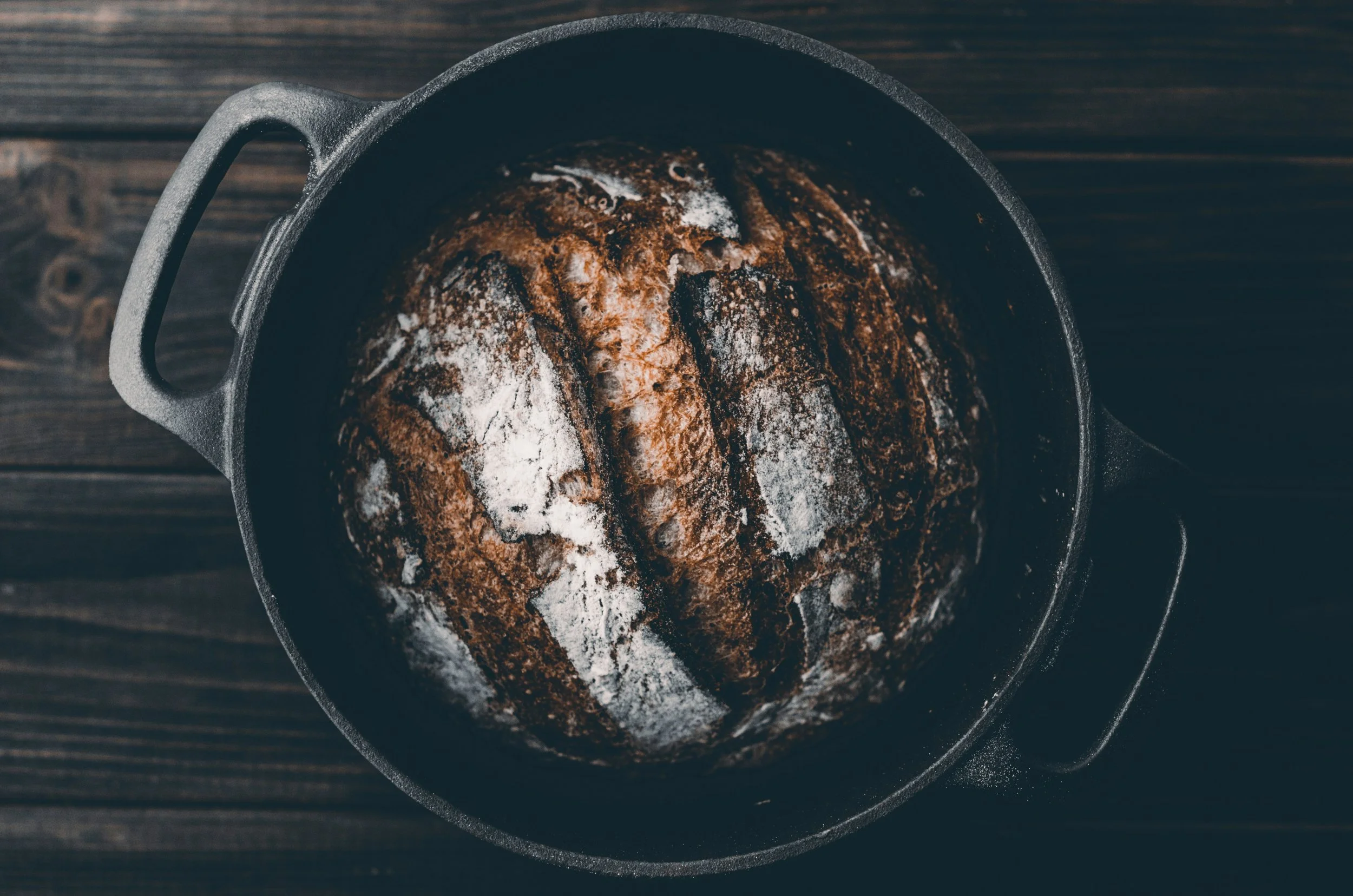
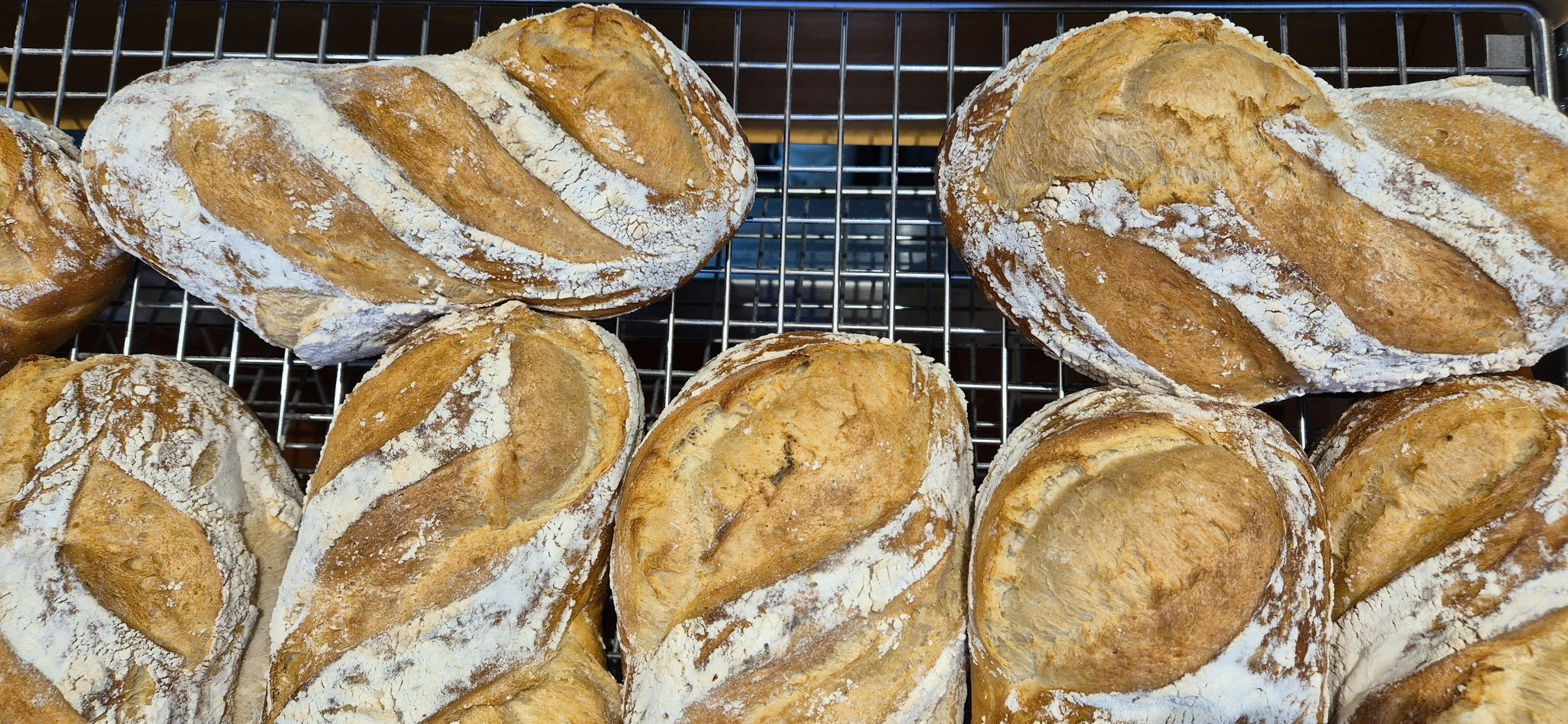
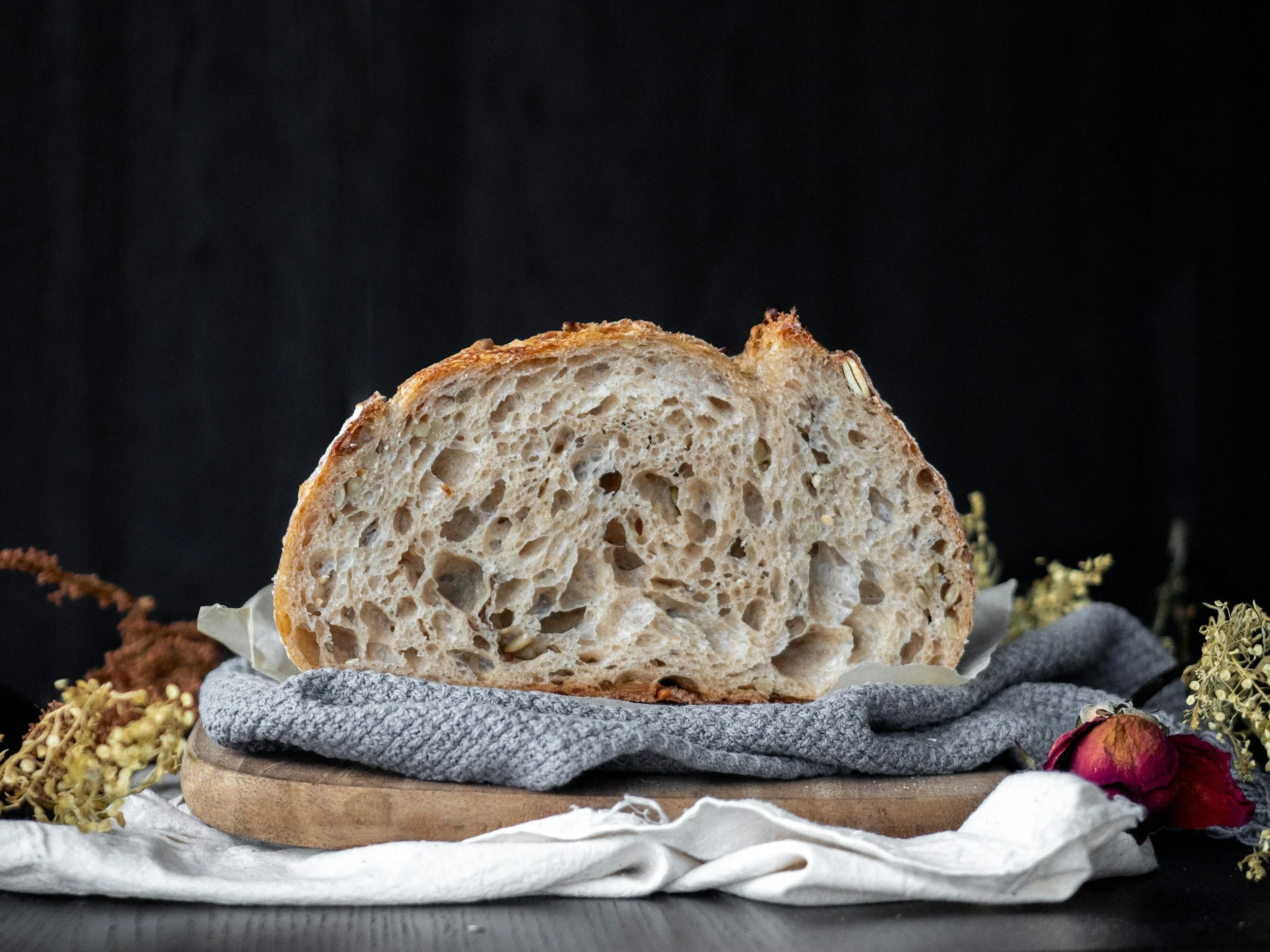
History, Fermentation Science, and Wild Yeast
Sourdough Guide (Part 2)
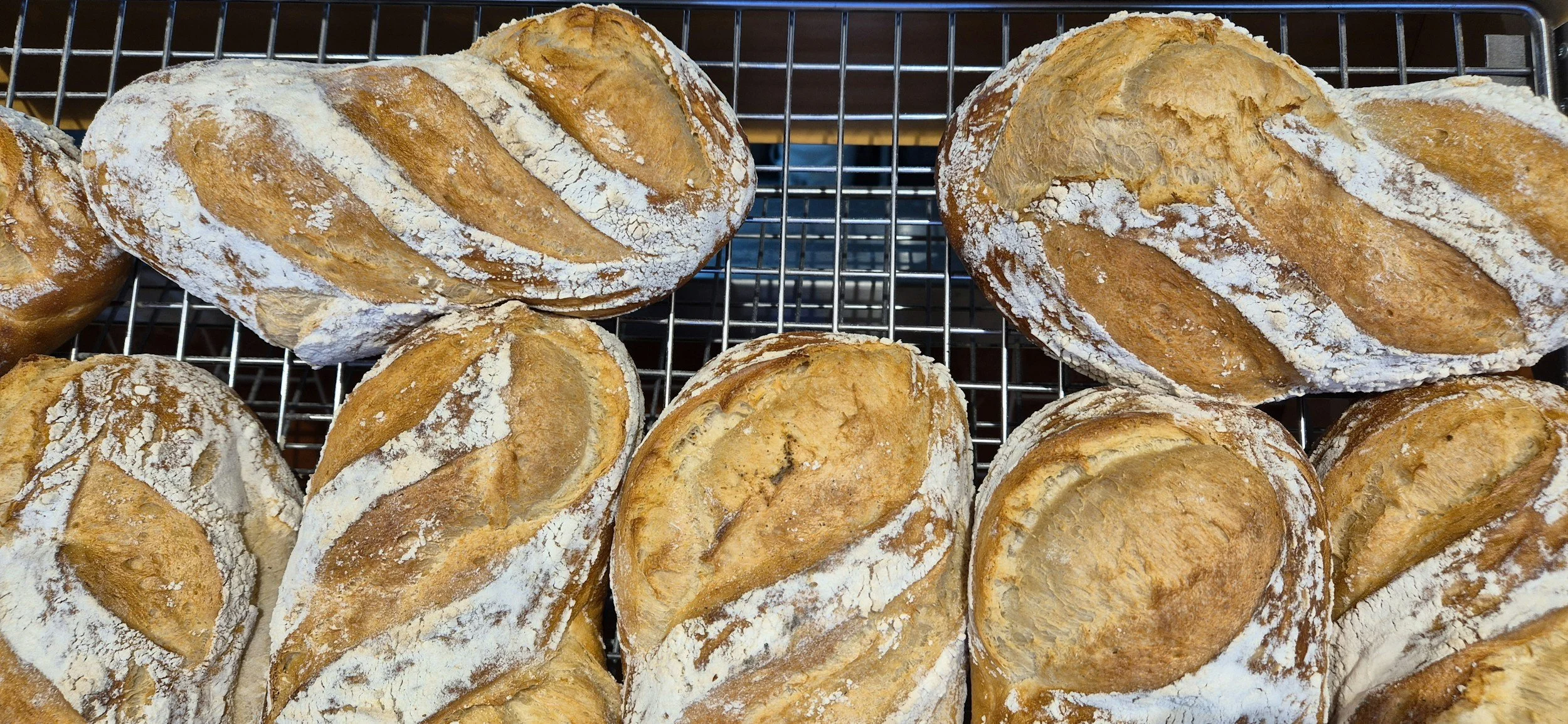
Part 1 — What Is Sourdough?
Where sourdough comes from, and why it behaves the way it does
Sourdough has been around far longer than written recipes. Long before controlled yeast strains existed, bakers were relying on naturally occurring microorganisms in flour and the surrounding environment to leaven bread. That same biological system is still what you work with today when you feed a starter or mix a dough and leave it to ferment.
Understanding the history and science behind sourdough makes the process less mysterious. It also explains why timing, temperature, and flour choice matter so much more than they do in standard yeast baking.
A long history shaped by repetition and observation
The earliest forms of sourdough likely developed by accident. A mixture of flour and water left sitting would begin to bubble over time. Bakers who reused these mixtures discovered that dough could rise without added leavening agents.
In ancient Egypt, fermentation was already being used intentionally for bread production. Over time, cultures refined the practice, passing starter cultures from baker to baker, often treating them as essential household assets.
Centuries later, sourdough travelled with settlers across North America. During the gold rush era, starters were often carried in pockets or wrapped in cloth because losing a working culture meant losing access to reliable bread. That level of dependence says a lot about how central fermented dough was to daily survival.
Modern baking shifted toward commercial yeast in the 20th century because it was faster and easier to standardize. Still, sourdough never disappeared. It stayed in use in bakeries that valued flavour development and fermentation control, and it has since re-entered home baking in a major way.
What is actually happening inside sourdough dough
At its core, sourdough is a controlled fermentation system. A starter contains wild yeast and lactic acid bacteria living together in a mixture of flour and water. Once that culture is introduced into dough, it begins converting starches into energy.
The yeast portion of the system produces carbon dioxide, which creates gas bubbles and gives bread its rise. The bacteria produce organic acids that influence flavour and also change the physical properties of the dough.
As fermentation continues, gluten becomes more elastic and structured. Enzymes in the flour break complex carbohydrates into simpler sugars, which feed both yeast and bacteria. This ongoing cycle is why dough can evolve so significantly over time, even without mechanical changes.
A simple way to summarize it is that fermentation is doing three things at once: building gas, developing flavour, and strengthening structure.
Wild yeast and commercial yeast behave differently
Wild yeast refers to naturally occurring yeast strains that are cultivated inside a sourdough starter. These organisms are not isolated strains; they are part of a mixed microbial ecosystem that includes bacteria and multiple yeast species.
This system tends to ferment more slowly. That slower activity is part of why sourdough requires longer bulk fermentation and proofing times. It also allows for more flavour development, since acids and byproducts accumulate gradually.
Commercial yeast, by contrast, is a single cultivated strain designed for consistency. It produces gas quickly and predictably, which is why it is commonly used in sandwich breads and enriched doughs where timing needs to be tight.
From a baking perspective, neither system is inherently better. They simply behave differently. Wild yeast rewards time and observation, while commercial yeast rewards precision and speed.
Why sourdough bread is often considered easier on digestion
One reason sourdough has remained popular is the way fermentation changes flour. As acids build up in the dough, they alter the structure of starches and gluten. This can affect how the bread is broken down during digestion.
Sourdough also tends to have a longer shelf life because the acidic environment slows down spoilage. That same acidity contributes to flavour, which is why sourdough can range from mild and creamy to sharp and tangy depending on fermentation conditions.
Flavour is not fixed. It responds to time, temperature, hydration, and even the flour you choose.
A few terms that matter at this stage
Some of the vocabulary used in sourdough baking starts to make more sense once you see how fermentation works.
A starter is the ongoing culture of flour and water that contains yeast and bacteria. A levain is simply a portion of that starter prepared specifically for a bake.
Fermentation refers to the process where microbes convert sugars into gases and acids. As that continues, dough becomes more structured and aromatic.
Acidification is the gradual increase in lactic and acetic acids during fermentation, which affects both flavour and dough strength.
The gluten network is the protein structure that forms when flour is hydrated and worked. It is what holds the gas produced during fermentation and gives bread its shape.
How this connects to actual baking practice
All of this science becomes practical very quickly once you start baking. If fermentation is too fast, dough can weaken and lose structure. If it is too slow, you may end up with dense bread that lacks volume.
That is why bakers pay attention to temperature, feeding schedules, and flour choice. These are not background details; they are the controls that shape fermentation speed and final texture.
In the next sections of this series, the focus shifts from theory to practice. That includes how to build and maintain a starter, how to read fermentation in real time, and how to move through a full sourdough timeline without relying on rigid clocks.
FAQ
Why does sourdough take longer than regular bread?
The microbial system in sourdough is less aggressive than commercial yeast. That means fermentation develops over a longer period, which also allows for more complex flavour.
Does sourdough always taste sour?
The acidity varies depending on fermentation time, temperature, and the balance between yeast and bacteria. Some loaves are very mild, while others develop a stronger tang.
What makes sourdough different from regular yeast bread at a biological level?
Sourdough relies on a mixed culture of wild yeast and bacteria, while commercial bread typically relies on a single yeast strain designed for speed and consistency.
Further reading (verified foundational sources)
Harold McGee — On Food and Cooking: The Science and Lore of the Kitchen
Jeffrey Hamelman — Bread: A Baker’s Book of Techniques and Recipes
Ken Forkish — Flour Water Salt Yeast
Vanessa Kimbell — The Sourdough School
King Arthur Baking — Sourdough resources