

How New Iceland Governed Itself
By the time Lord Dufferin left Gimli in September 1877, New Iceland had already spent months governing many of its local affairs under rules its residents had adopted themselves.
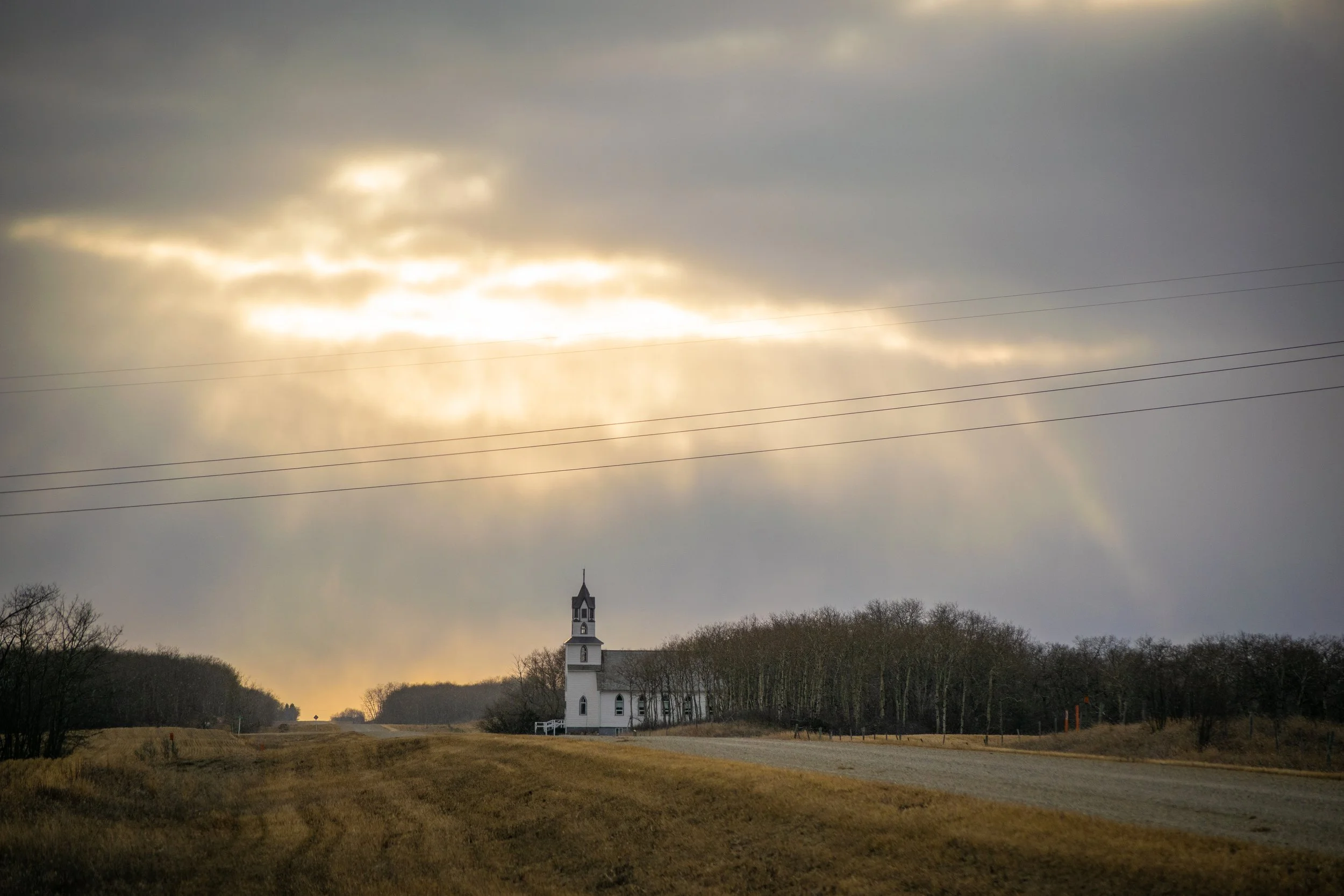
New Finland, Saskatchewan
In 1888, David — or Taavetti — Kautonen registered a 160-acre quarter-section northeast of Whitewood, in the District of Assiniboia in what was then the North-West Territories. His claim, SW-36-17-1-W2, placed him within the Dominion survey grid that was reshaping the geography of settlement across the Prairies.
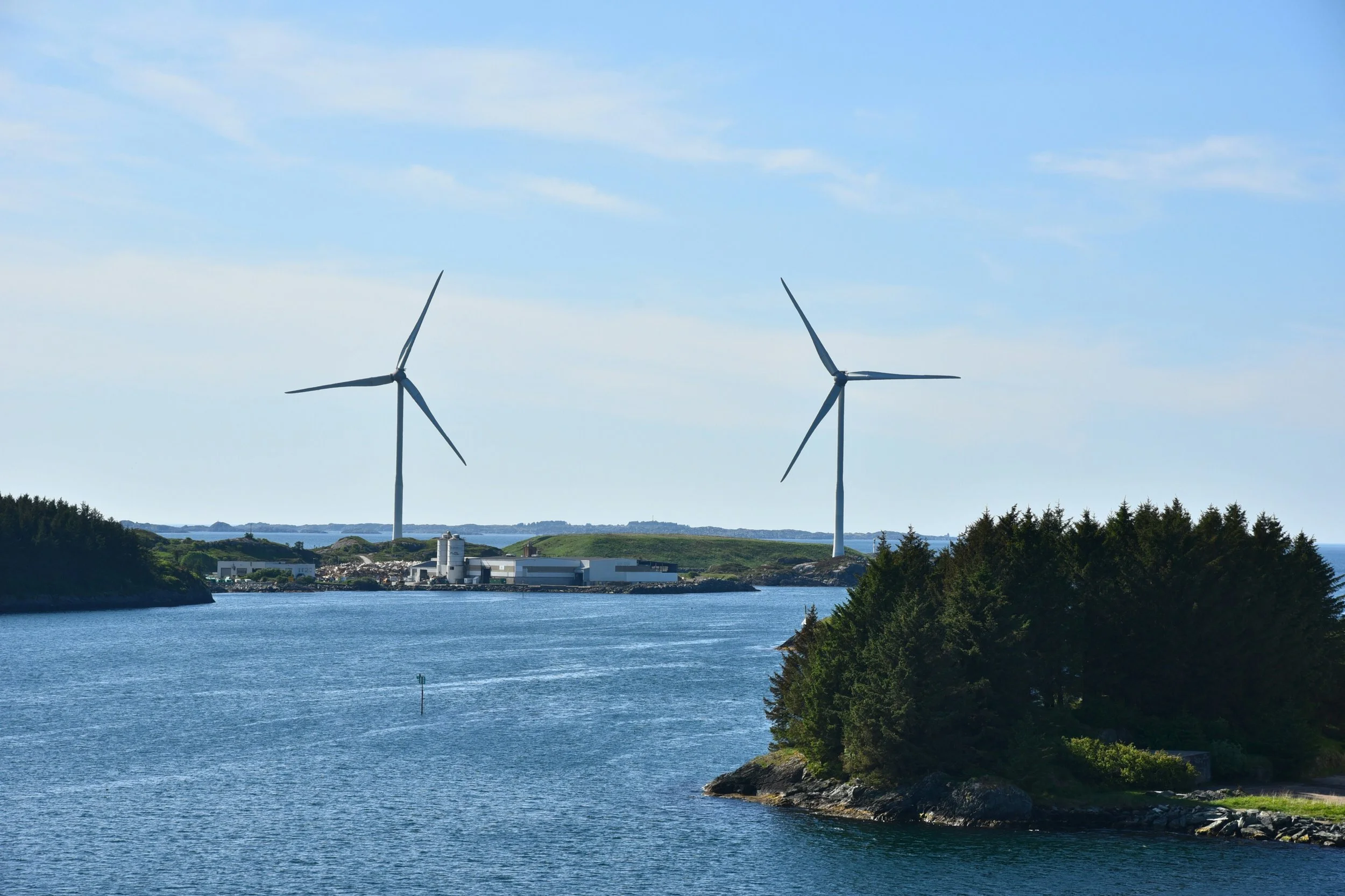
When Green Energy Comes to Sápmi
By the time Norway’s Supreme Court ruled on the wind farms at Fosen, the turbines were already standing.
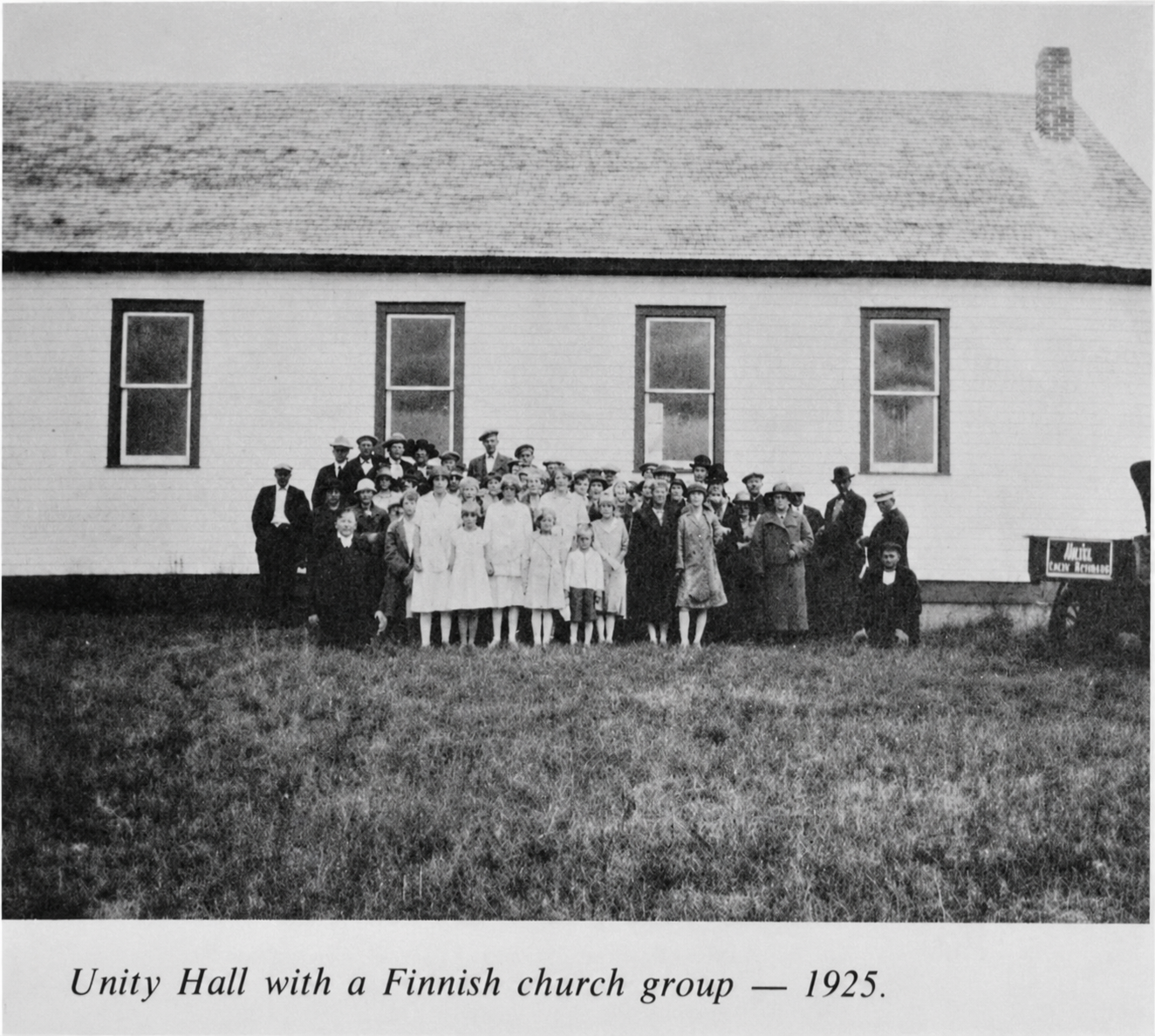
Unity Hall and the Finnish Young People’s Society Near Sylvan Lake
A 1925 photograph shows a Finnish church group gathered outside Unity Hall, a white-sided building in the countryside west of Sylvan Lake. The hall was only about a year old when the photograph was taken, but it was already serving several parts of Finnish community life, from church gatherings to dances, meetings and plays.

Red Deer’s Oldest Restaurants
The windmill on The Donut Mill has marked a Highway 2 stopping place since the spring of 1994. Next door, Glenn’s Family Restaurant has served travellers since January 28, 1986. George’s Pizza & Steakhouse predates both, opening in Red Deer in 1978.
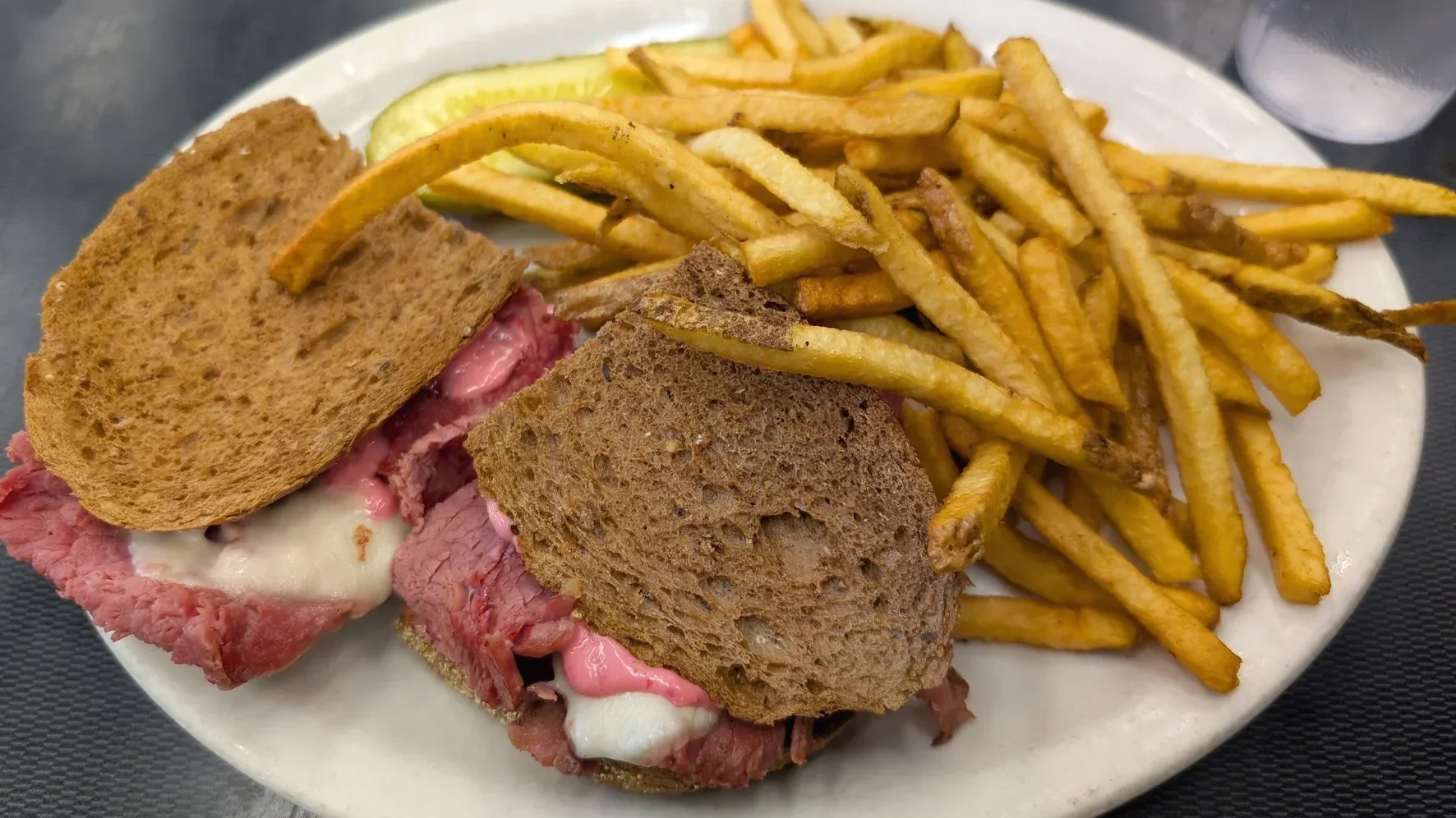
Winnipeg’s Oldest Restaurants
At Oscar’s Deli, corned beef is still stacked between slices of Winnipeg rye in a business that began on Main Street in 1929. Two years later, Salisbury House opened an all-night café with ten counter seats on Fort Street. Neither original room survives, but both names remain in use.
Talkoot: The Finnish Tradition of Community Work
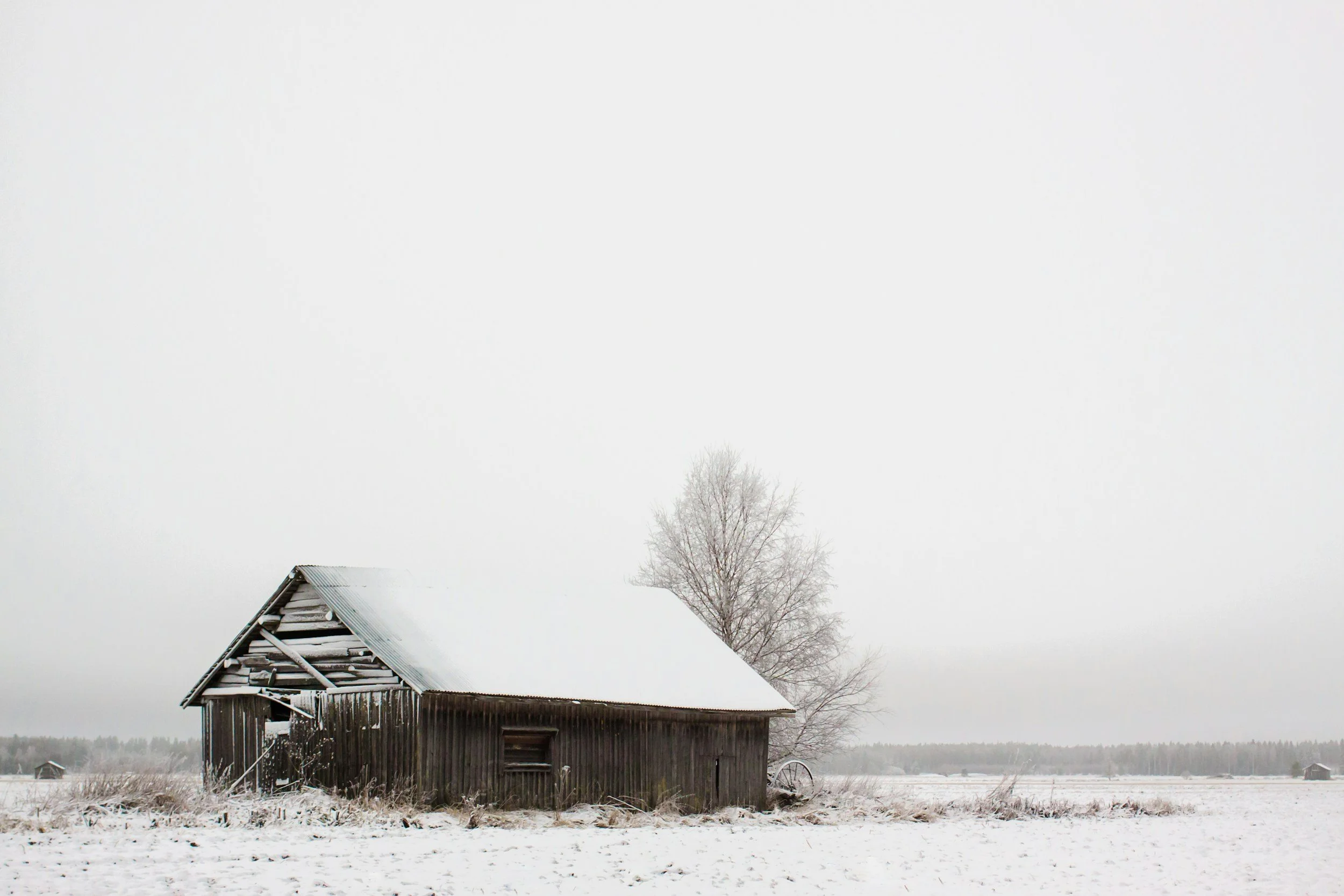
The beams are too heavy for one family to lift. The roof cannot be finished before winter comes. Livestock will need shelter before the snow arrives. Waiting until enough money has been saved to hire workers means it might never be finished.
Can Hygge Survive a Cost-of-Living Crisis?
Hygge became easy to recognize once retailers learned how to sell it.
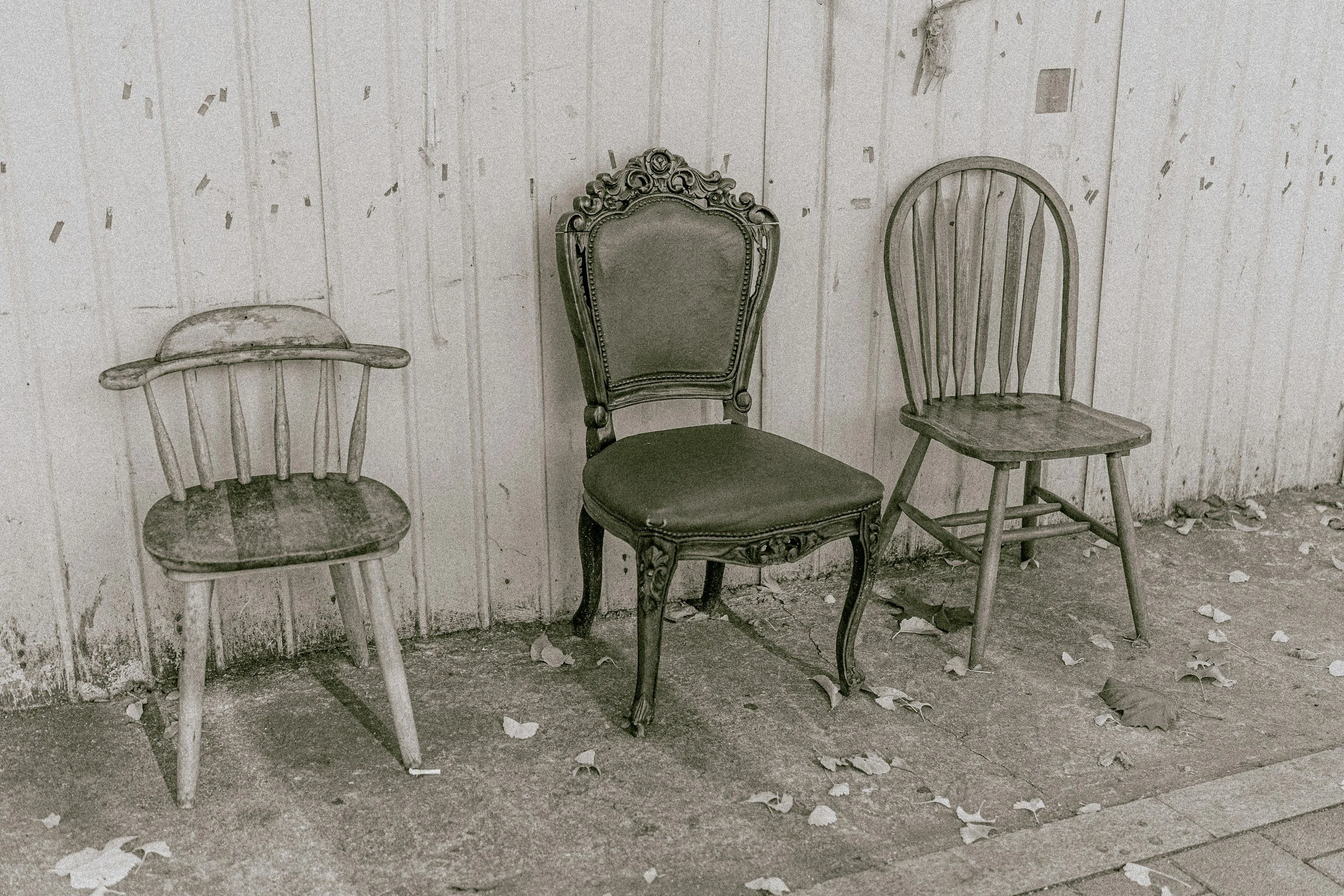
The familiar version usually includes candles, pale ceramics and a blanket folded over the arm of an immaculate couch. A tray holds two matching mugs. Nothing appears worn, borrowed or slightly out of place.
Kuusamo, Alberta: The Finnish Farming District Near Sylvan Lake
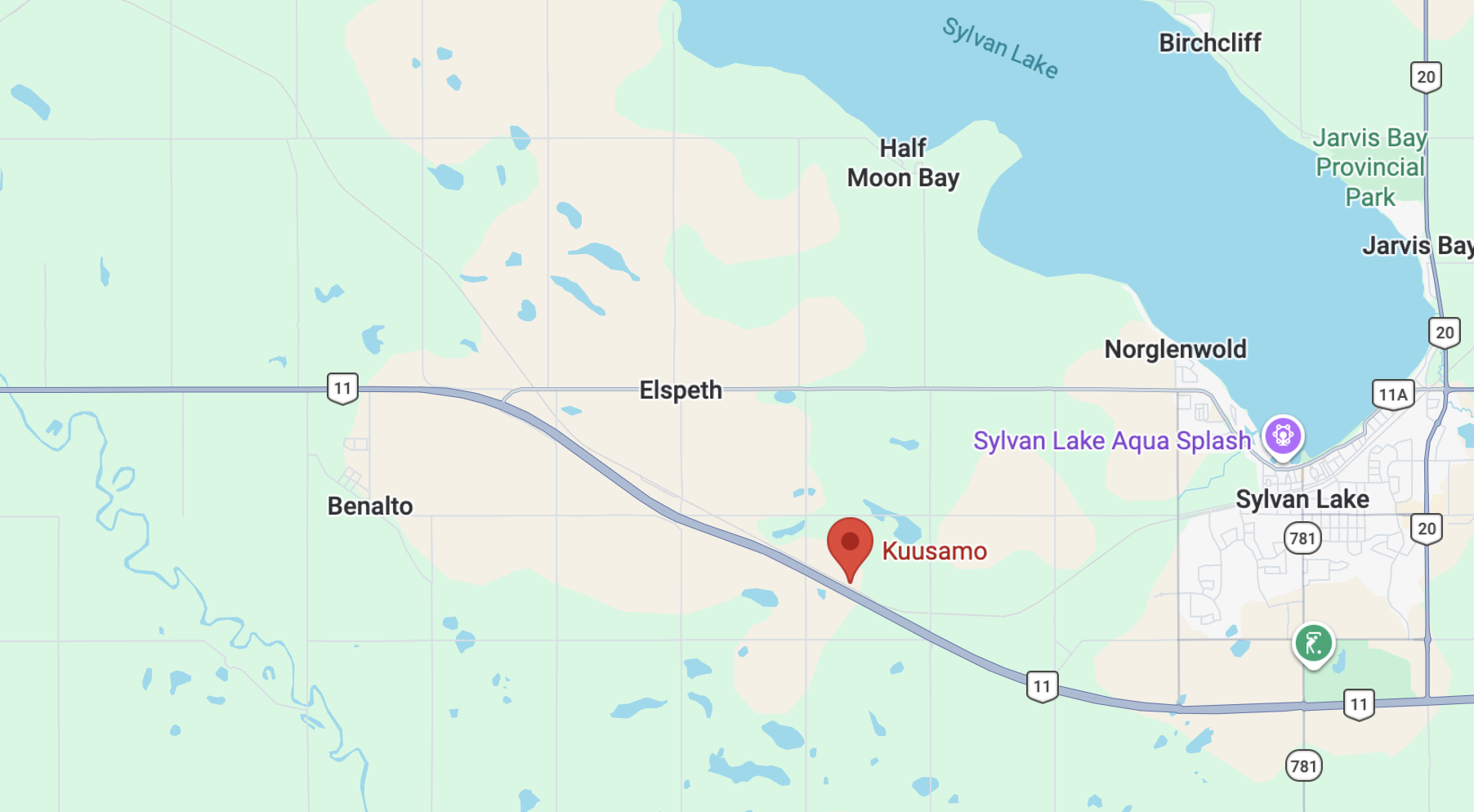
The Canadian Geographical Names Database places Kuusamo at 5-26-38-2-W5, approximately six kilometres southwest of Sylvan Lake. Alberta’s provincial place-name history says the surrounding area was originally settled by Finns and connects the name with Kuusamo School District No. 755.
Can You Inherit a Culture You Weren’t Raised In?
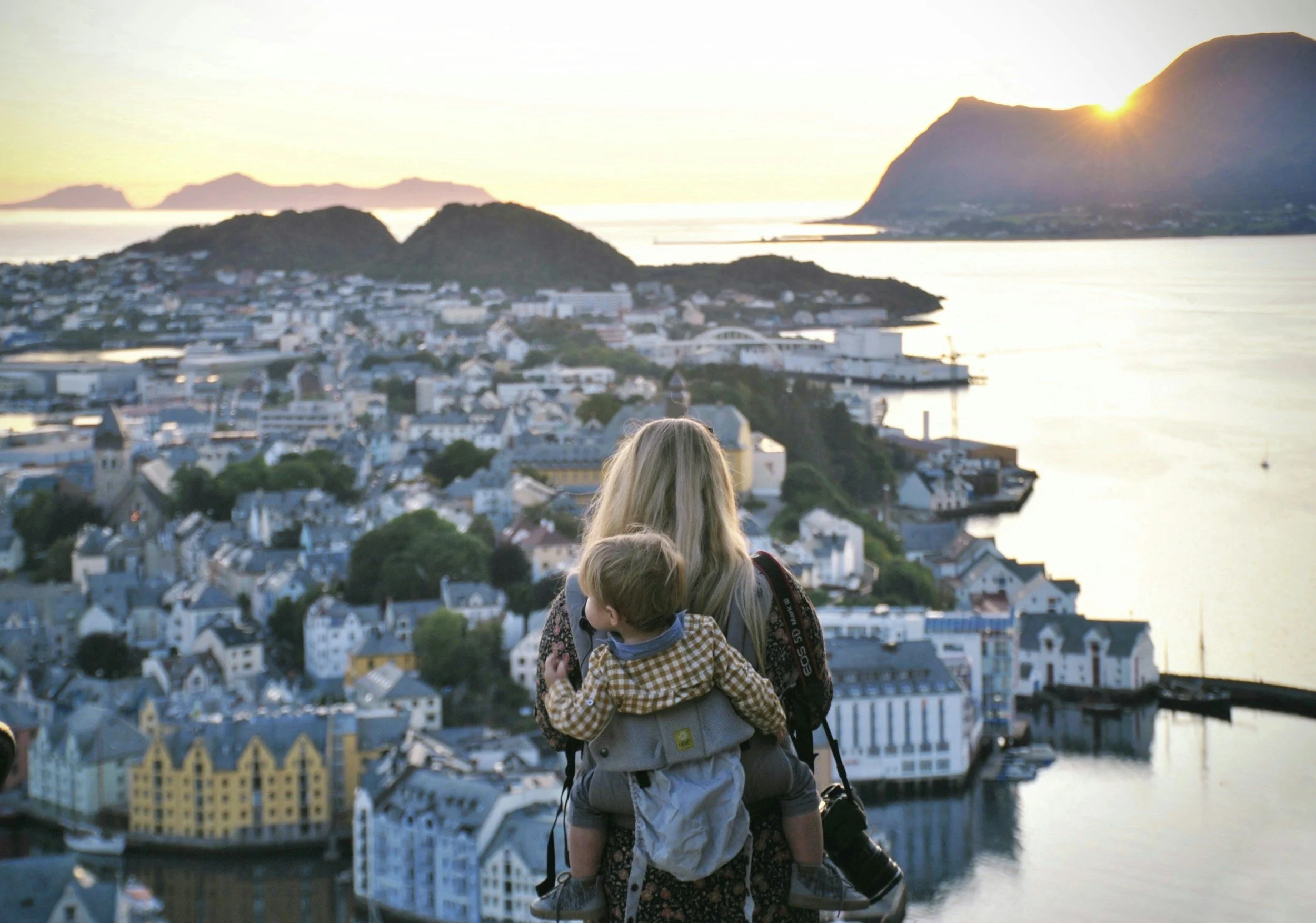
I grew up in Alberta with a Nordic connection already present in my family. My maternal adoptive grandmother was of entirely Norwegian ancestry, while her husband, my adoptive grandfather, was of entirely Finnish ancestry.

Dinner or Supper? What Albertans Call the Evening Meal
Ask an Albertan what they call the evening meal and the answer may seem obvious. Then ask their parents.
Regina’s Oldest Restaurants
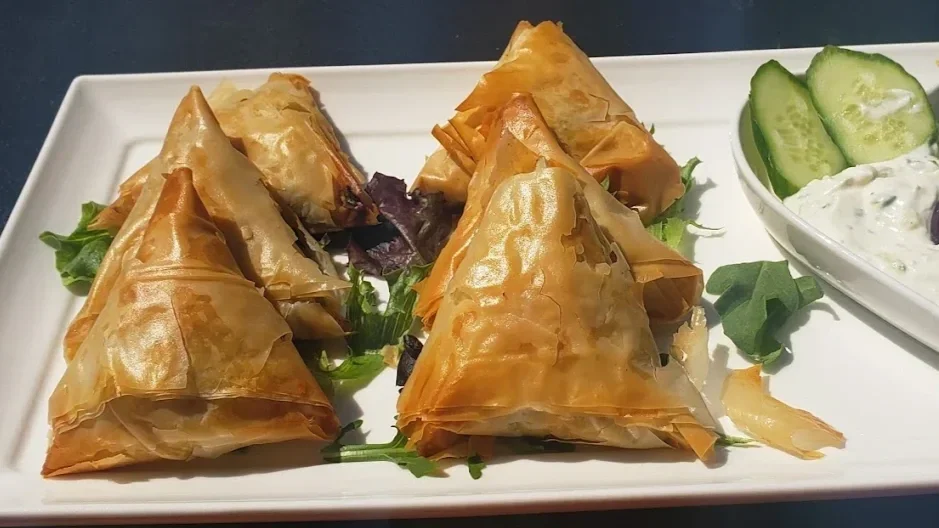
On summer evenings, customers line up at the walk-up window of Milky Way Ice Cream on Victoria Avenue. The seasonal stand has served Regina since 1956. A few blocks west, the Copper Kettle traces its beginnings to a small lunch counter opened during the following decade. Houston Pizza arrived in 1970, bringing the thick crust and generous toppings that would become associated with Regina-style pizza.
Koselig: The Norwegian Art of Feeling at Home on the Canadian Prairies
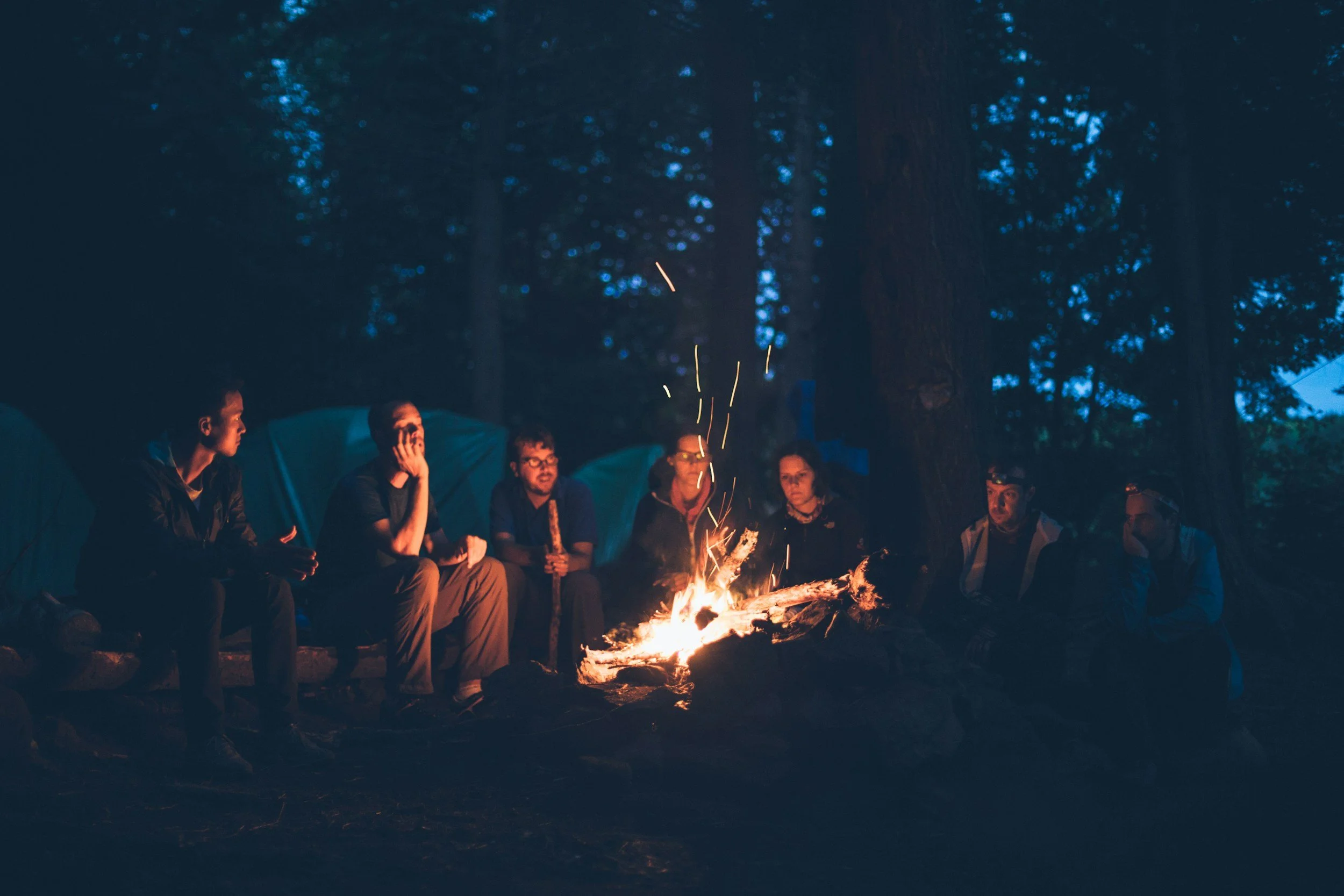
Some words carry an entire way of life within them. The Norwegian word koselig is one of them.
It is often translated as "cozy," but that simple definition only captures part of its meaning. Koselig describes the feeling of comfort, warmth, hospitality, and connection that comes from spending time with people you enjoy or finding contentment in familiar surroundings. It can describe a room, a conversation, a family gathering, or even an afternoon spent outdoors.
Lord Dufferin Comes to Gimli
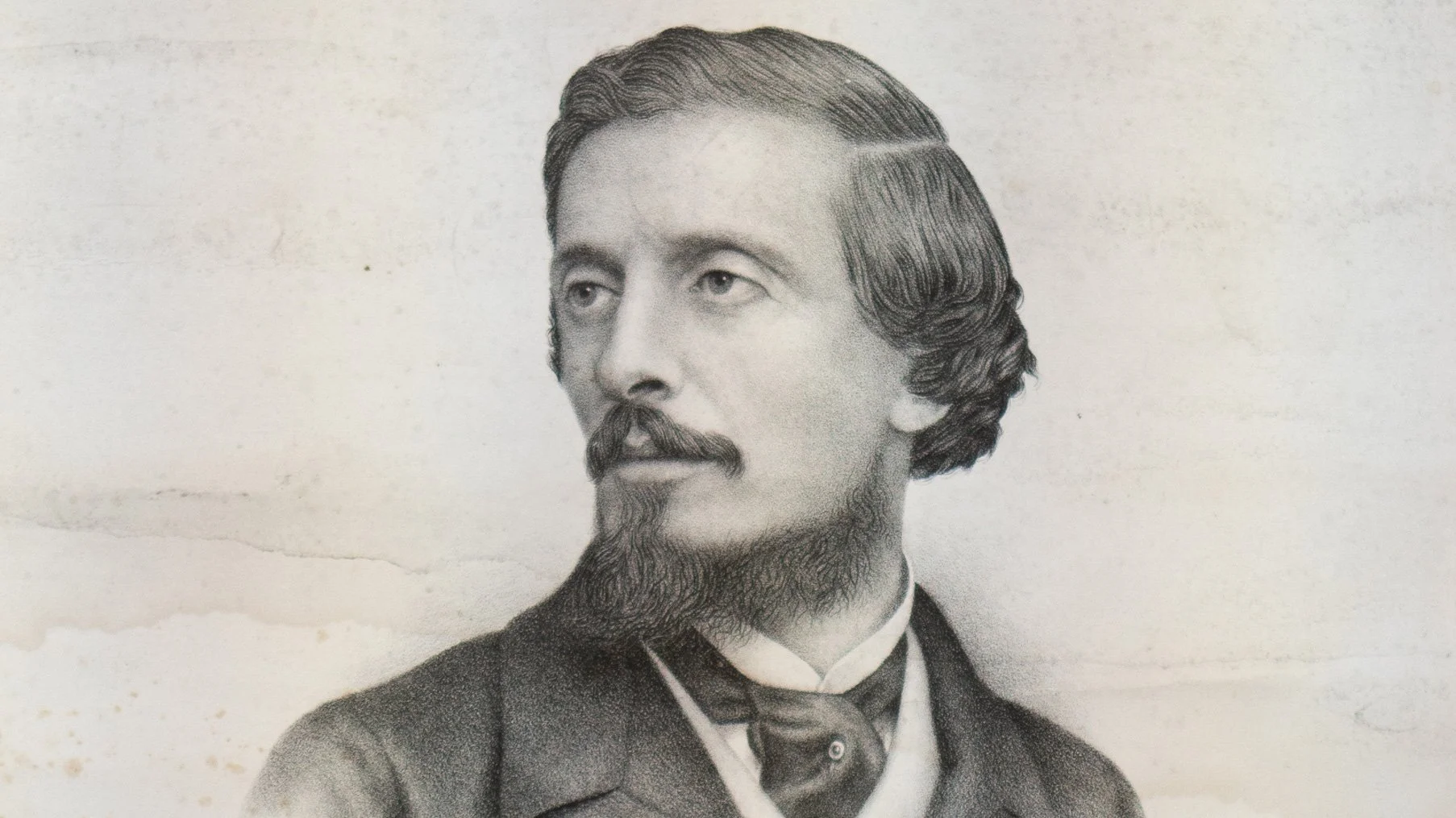
The visit was already a week behind schedule. Lord Dufferin had planned to stop in New Iceland before continuing north to Grand Rapids, but delays involving the steamer disrupted the itinerary. On the return journey, rough weather prevented the ship from entering Gimli harbour on September 13. The Colvile continued south to Lower Fort Garry, where Lady Dufferin and the other women in the party went ashore.
Löyly: The Finnish Word at the Heart of Sauna
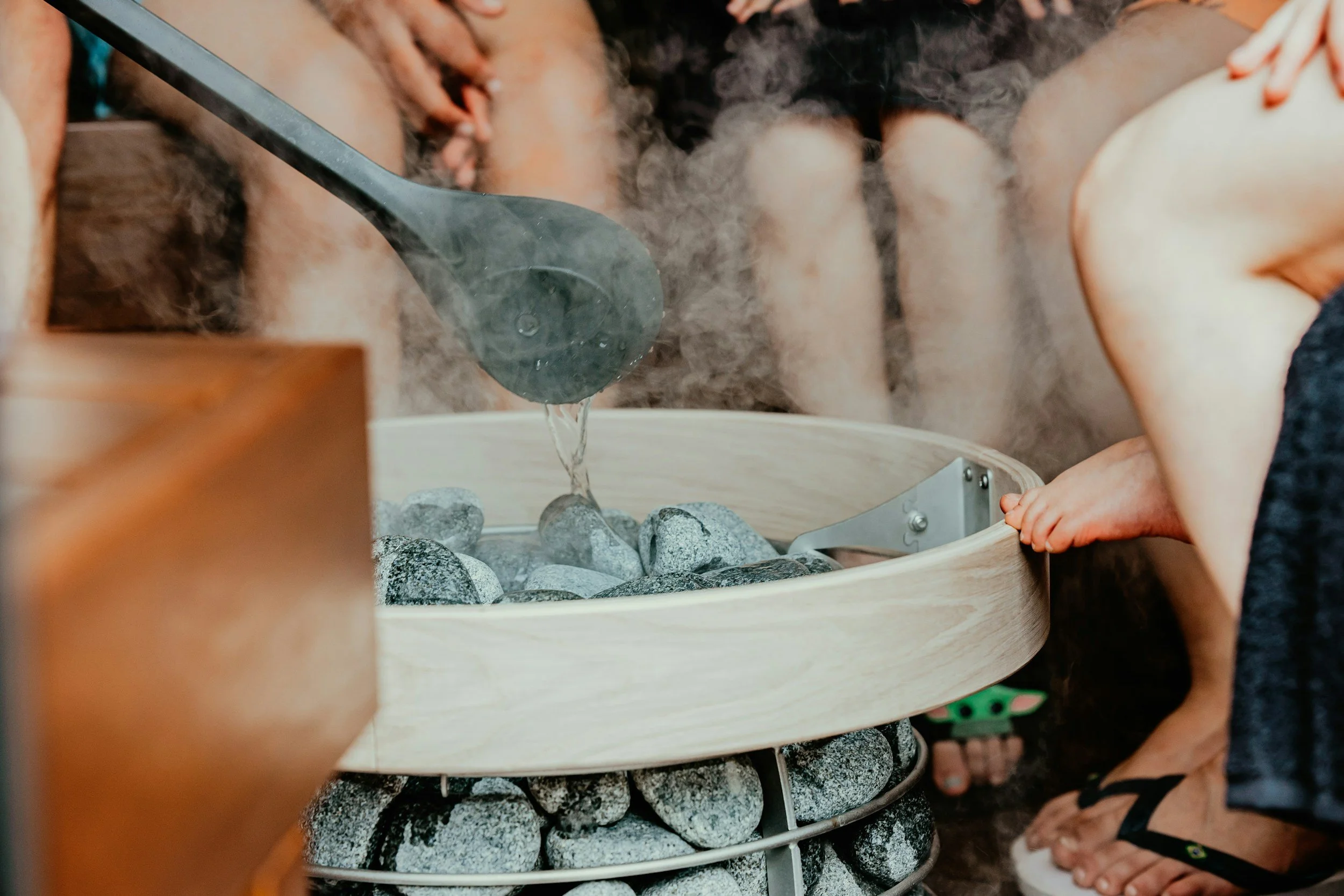
The ladle tips. Water strikes the stones with a hiss, vanishes, and returns as a wave of humid heat. It rises toward the ceiling before rolling across the upper bench. A few seconds later, the whole room feels different.
That movement has a name in Finnish: löyly.
English translations usually settle on “steam.” The word covers more than the vapour released from wet stones. It can describe the heated wave moving through the room, the character of the heat, and the quality of the sauna session.
Finnish Women in Alberta
In 1927, Mary North explained why the Finnish Women’s Labor League in her Alberta mining community consisted largely of housewives.
“Naturally … we are housewives for jobs here are only in mining and are hardly even accessible to the man,” she wrote.
Women had few opportunities to earn wages in the coal towns of the Crowsnest Pass. That did not keep them outside public life.
Hespero, Alberta
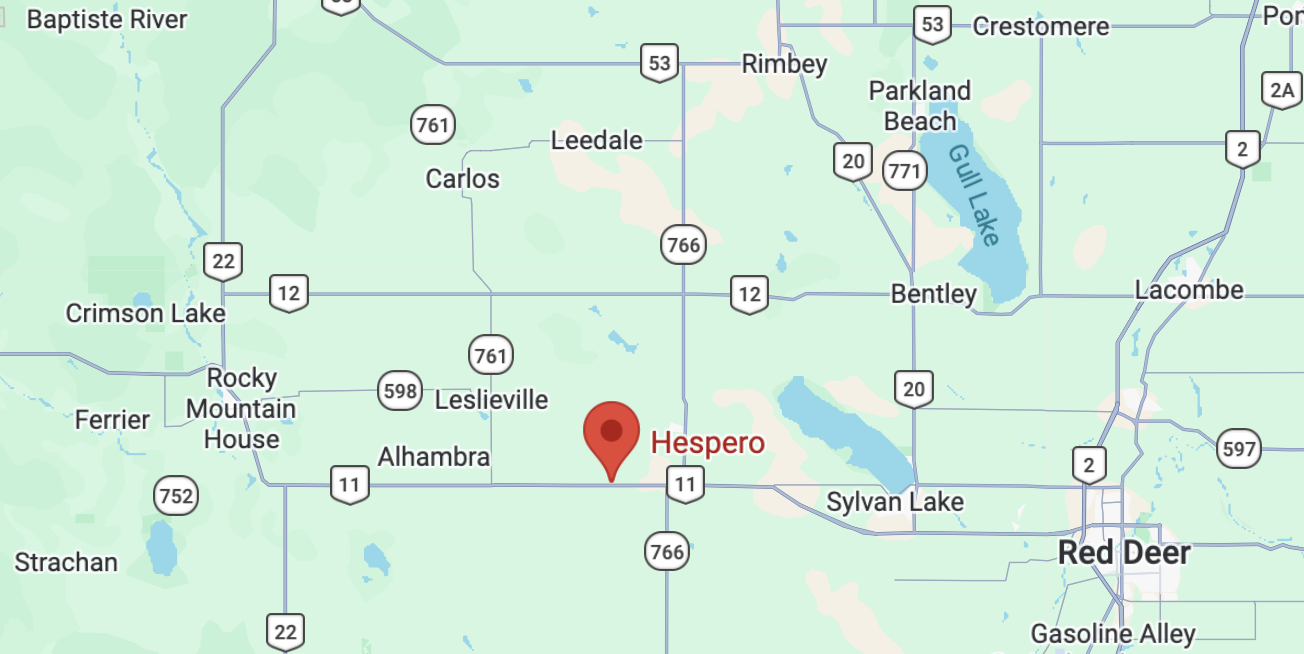
Betty Speirs was born at Hespero, Alberta, in 1931. Her father, Neil Humalamaki, had come from Finland, as had her maternal grandparents, who took a homestead north of Eckville in 1903. Neil died when Betty was one, and her mother, Emma, moved Betty and her brother into Eckville.
Reindeer vs Caribou
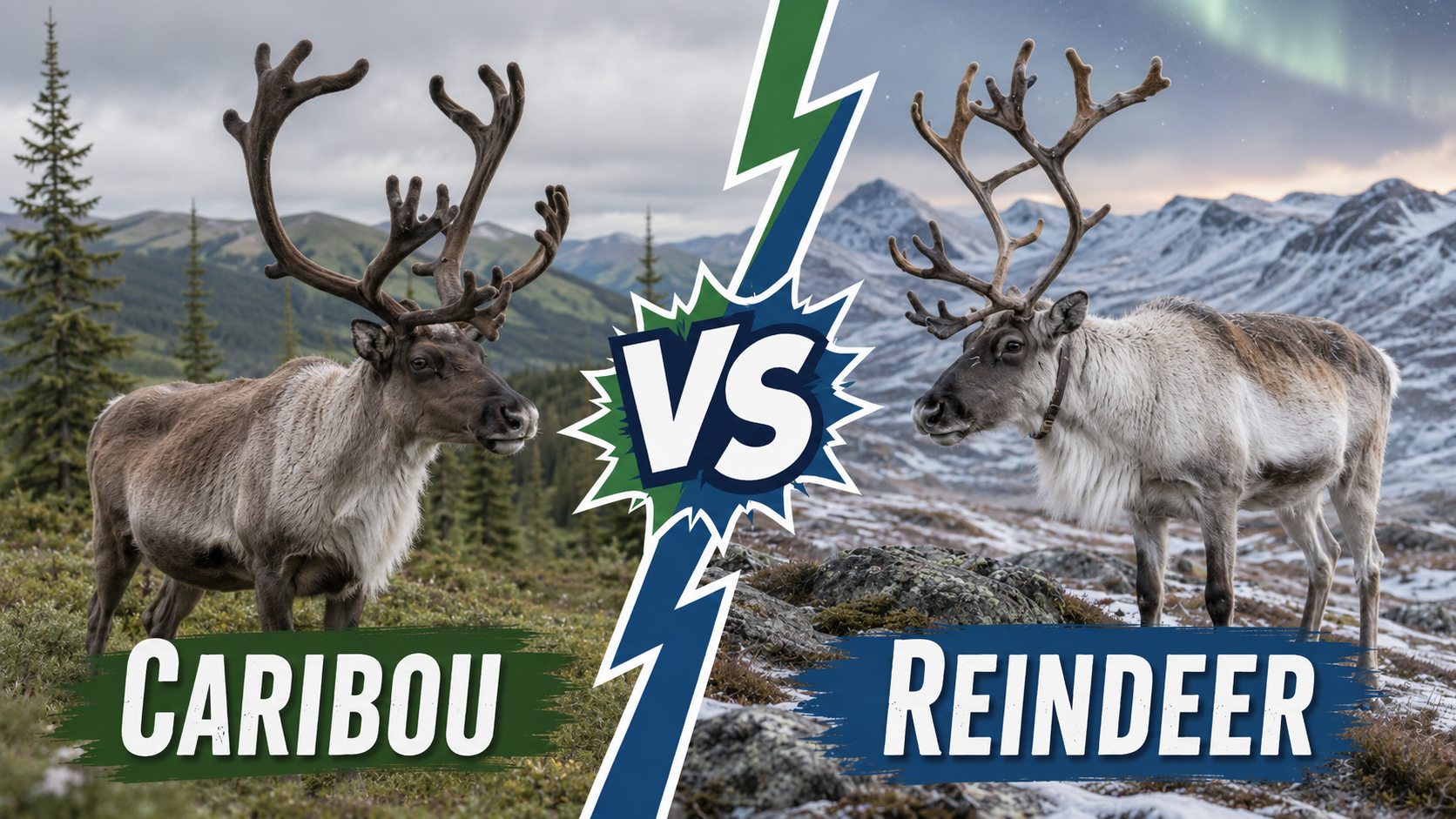
Reindeer and caribou are usually classified as the same species. The difference most readers encounter is geographic: caribou is the name used for wild North American populations, while reindeer refers to Eurasian populations and to herded Rangifer. Recent taxonomic research has proposed dividing some lineages into several species, so the scientific answer remains under review. For an everyday comparison, both names still lead to the circumpolar deer most often identified as Rangifer tarandus.
Is Finland part of Scandinavia?
In 1976, Finnish delegate Marjatta Stenius rose to speak at a meeting of the Nordic Council in Copenhagen. She delivered her remarks in Finnish, even though the council’s standing orders did not then permit its use.
Saskatoon’s Oldest Restaurants
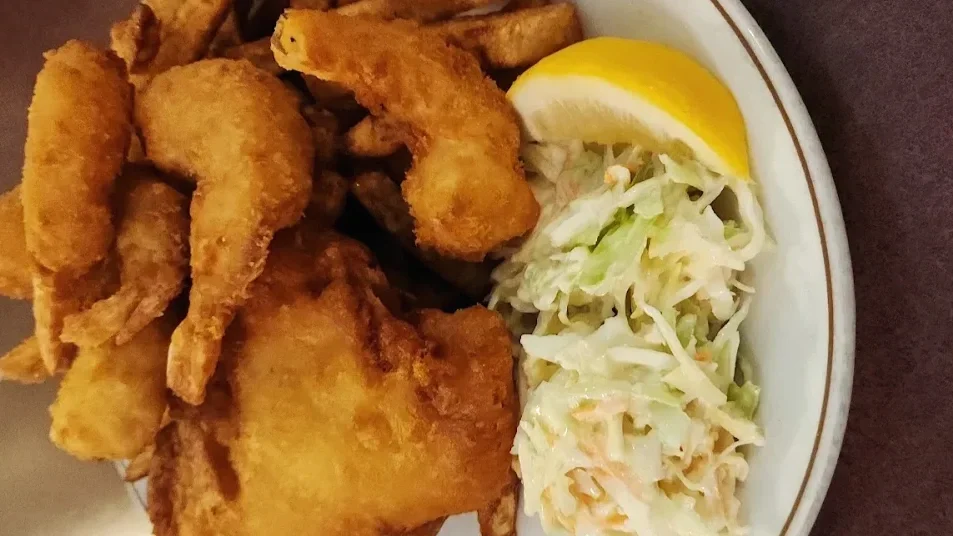
Gibson’s Fish & Chips began serving Saskatoon in 1964. Taverna followed in 1969, Venice House in 1972, and The Cave opened its rock-walled dining room the next year. Their tables have remained through Saskatoon’s expansion along 8th Street, changes to the downtown core, new ownership, and several generations of customers.