
Candlelight for the Dead: All Saints’ Weekend Across the Nordic Countries
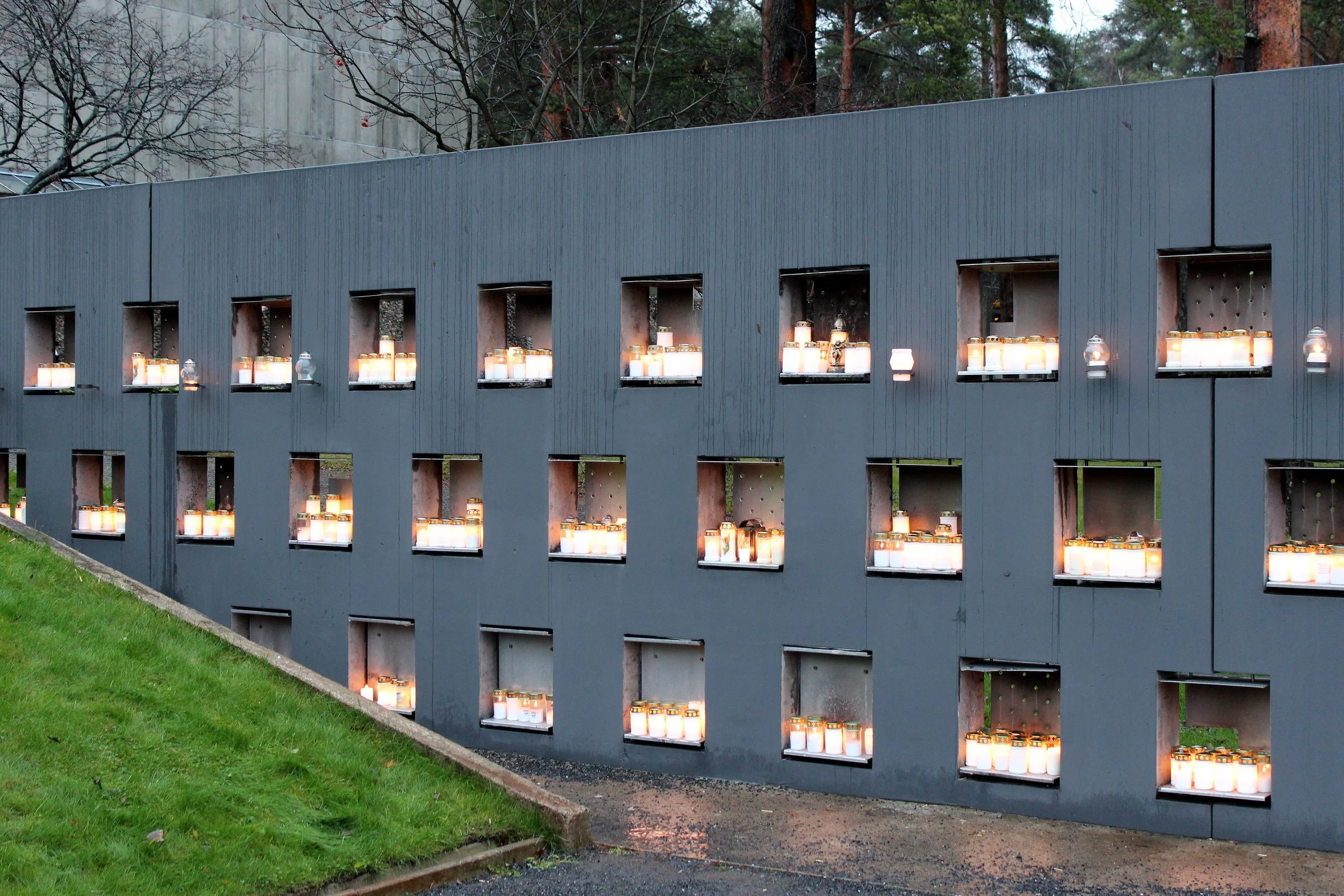
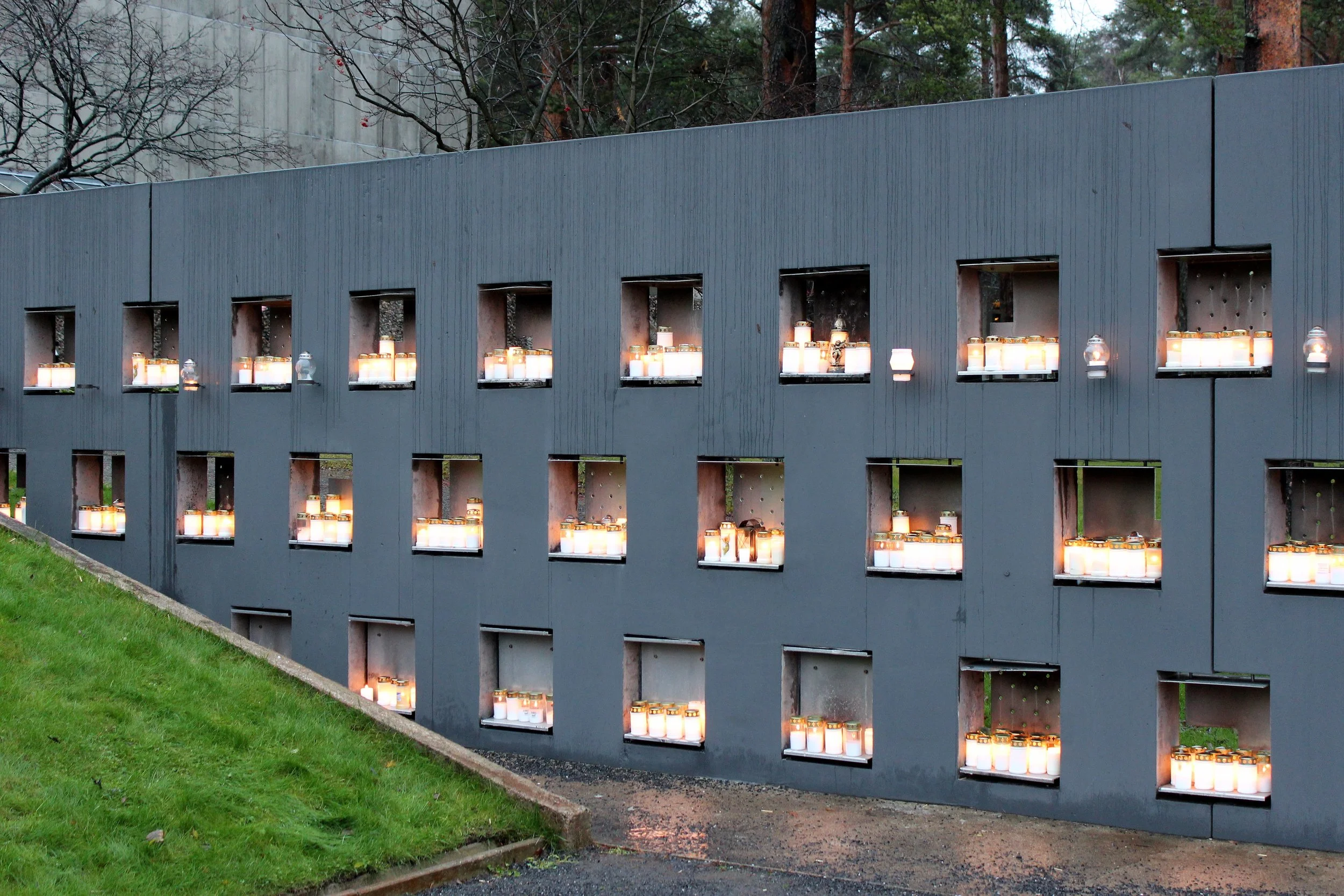
Candles fill the memorial for people buried elsewhere at Oulu Cemetery in Finland on All Saints’ Day, November 3, 2012.
Photo credit
Estormiz
At Huddinge Church, south of Stockholm, a memorial service scheduled for Saturday, October 31, will include the names of parish members who have died during the past year. They are to be read aloud during candlelighting. Elsewhere in the parish, chapels and churches plan to open for music, conversation and reflection; at the cemetery, staff will sell wreaths and grave candles and answer questions about graves.
This is All Saints’ weekend in Sweden, when visits to family graves are part of the autumn calendar. The timing is especially striking in 2026 because Sweden’s All Saints’ Day falls on October 31 itself. In the surrounding Nordic countries, related observances extend into Sunday, November 1, though their names, dates and customs are not identical.
Photographs of Nordic cemeteries illuminated by small flames can give the impression of a custom centuries old. The national histories of Sweden and Finland tell a more recent story. Widespread grave candlelighting developed during the twentieth century, and churches have continued to introduce ways of helping people remember the dead.
A weekend on several calendars
All Saints’ Day began in the Western Christian calendar as a commemoration of saints, including those without individual feast days. All Souls’ Day, traditionally November 2, developed as a day of remembrance and prayer for the departed. Their proximity helps explain the names associated with October 31: Halloween is derived from All Hallows’ Eve, the evening before November 1. The modern celebration of costumes, sweets and seasonal entertainment has its own evolving history, which cannot be reduced to the practices of Nordic churches.
Centuries of Reformation-era changes and later calendar reforms have left different arrangements across northern Europe. Sweden marks Alla helgons dag on the Saturday between October 31 and November 6. In 2026, that Saturday is October 31, while the Church of Sweden observes Alla själars dag, All Souls’ Day, on Sunday, November 1. The Swedish calendar also retains the name Allhelgonadagen for the fixed date of November 1, although that is no longer the floating public holiday.
Finland’s Evangelical Lutheran Church likewise observes pyhäinpäivä on the Saturday between October 31 and November 6. Its observance brings together the remembrance of saints and of deceased believers. Norway and Denmark, meanwhile, mark allehelgensdag on the first Sunday in November, which falls on November 1 this year. Church events and cemetery visits may take place throughout the weekend rather than fitting neatly into a single day.
In Finland, the Catholic Church’s 2026 calendar places its Feast of All Saints on Sunday, November 1, while the national Lutheran observance falls the previous day.
How cemetery candles became an autumn custom
Sweden’s illuminated cemeteries are a familiar image of All Saints’ weekend. Nordiska museet dates the widespread practice of lighting graves specifically for the occasion to the years after the Second World War, although grave candles had been used at other times. Today, families may leave flowers or lanterns, tend a grave or attend a church service. Parishes offer different programmes of music and remembrance. In Huddinge, chapels open for reflection and staff answer visitors’ questions about graves.
Finland has a closely related history of modern candlelighting, although its traditions should be understood on their own terms. The Evangelical Lutheran Church of Finland says visits to cemeteries and the lighting of grave candles began to spread during the Second World War and became more common afterward. Finland moved pyhäinpäivä to its present Saturday position in 1955.
The candles are accompanied by flowers and wreaths, and parish services frequently make remembrance personal. The Finnish church describes evening gatherings at which the names of congregation members who died in the preceding year are read, a candle lit for each person and relatives invited to attend. Some cemeteries also have places where a candle may be left in memory of someone buried elsewhere, allowing a family to take part even when the grave is too far away to visit.
A 2025 programme in Kirkkonummi, west of Helsinki, shows how that remembrance can extend beyond one cemetery. The parish listed memorial stones at three burial grounds where visitors could light a candle for a loved one buried elsewhere. At its evening service, names of people buried locally or farther away could be read with their relatives’ permission. It also offered a recorded message of consolation for those unable to attend.
When the names are read
Across Norway, the Church of Norway marks allehelgen as a weekend for remembering people who have died. Its national guidance for 2026 includes October 31 and November 1, with Sunday as the principal church observance. Many churches offer memorial services in which the names of those who have died in the parish during the previous year are read aloud. Some stay open so visitors can light a candle, sit privately or speak with someone about a loss.
The Norwegian church traces the move of All Saints’ Day to the first Sunday of November to 1770. It also explains that remembrance associated elsewhere with All Souls’ Day has gradually become part of its All Saints’ observance. Lighting candles at graves has grown more common in recent decades, according to the church.
In Denmark, the emphasis on remembering named individuals has also grown. The Church of Denmark, Folkekirken, observes allehelgen on the first Sunday in November, a date established in 1770. In many churches the service includes hymns, prayers and a reading of the names of people from the parish who died during the past year. Some congregations light candles for the deceased and, in certain places, carry them out to the graves afterward.
These observances have a complicated religious history. Denmark became Lutheran in 1536, and the old Catholic distinction between saints and souls changed with the Reformation. A separate All Souls’ observance disappeared from the Danish church calendar, while All Saints survived and acquired a different emphasis. The present-day focus on bereaved families developed much later.
In a Church of Denmark article examining the recent popularity of allehelgen, practical theologian Kirstine Helboe Johansen describes how naming the dead and lighting candles can give mourners a tangible way to remember. The church reports a strong increase in attendance at these services since the early 2000s. That is its account of a renewed church practice, rather than a measure of what every Danish family does.
Iceland’s national church offers another reminder to keep the comparison precise. Its 2026 calendar places Allra heilagra messa, the All Saints’ service, on Sunday, November 1. Icelandic church writing discusses remembrance of the dead, but the evidence does not establish an equivalent nationwide custom of filling cemeteries with grave lanterns.
Remembrance alongside Halloween
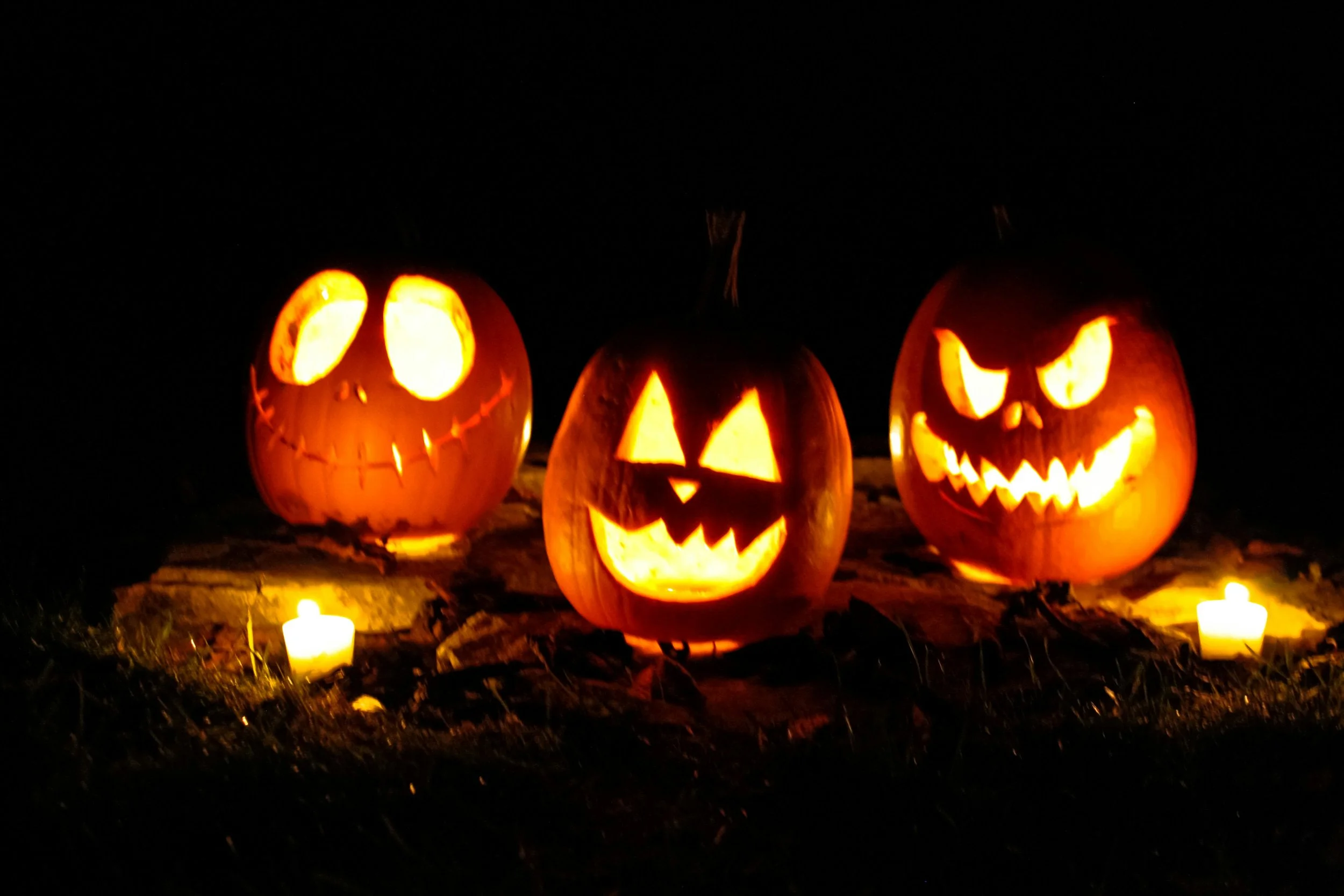
The same weekend can therefore hold several different kinds of activity. October 31 may bring costumes, pumpkins and Halloween events to a Nordic neighbourhood while a nearby church opens its doors for memorial music and families visit graves. Their overlap is particularly visible this year in Sweden and Finland because the Saturday observances fall on Halloween itself. In Norway and Denmark the main church date follows on Sunday.
The two seasons of activity also have different audiences. Halloween celebrations are often organized for children or as public entertainment. All Saints’ events may welcome an entire community, but they can involve people carrying fresh losses or returning to a longstanding family practice. Some participants understand the service through Christian beliefs about death and resurrection. Others value the chance to speak a name, leave a flower or light a candle without making any larger declaration of faith.
For Canadians with Nordic family connections, these differences help explain why photographs and reports from the same weekend can seem to show entirely different holidays. Sweden’s crowded candlelit cemeteries, Finland’s parish memorials, Norway’s open churches and Denmark’s name-reading services belong to particular national and local histories.
On October 31, two free buses are scheduled to take visitors from neighbourhood stops around Huddinge to S Botvids cemetery, where a memorial service begins at 2 p.m. The buses leave for the return journey at four.

In the spring of 1893, Martin Finseth, Nels Jevning, Andrew Malmberg and John Wallerbeck travelled north from Minnesota to inspect Canadian farmland.