
Pumpkins in Copenhagen: How Denmark Embraced Halloween
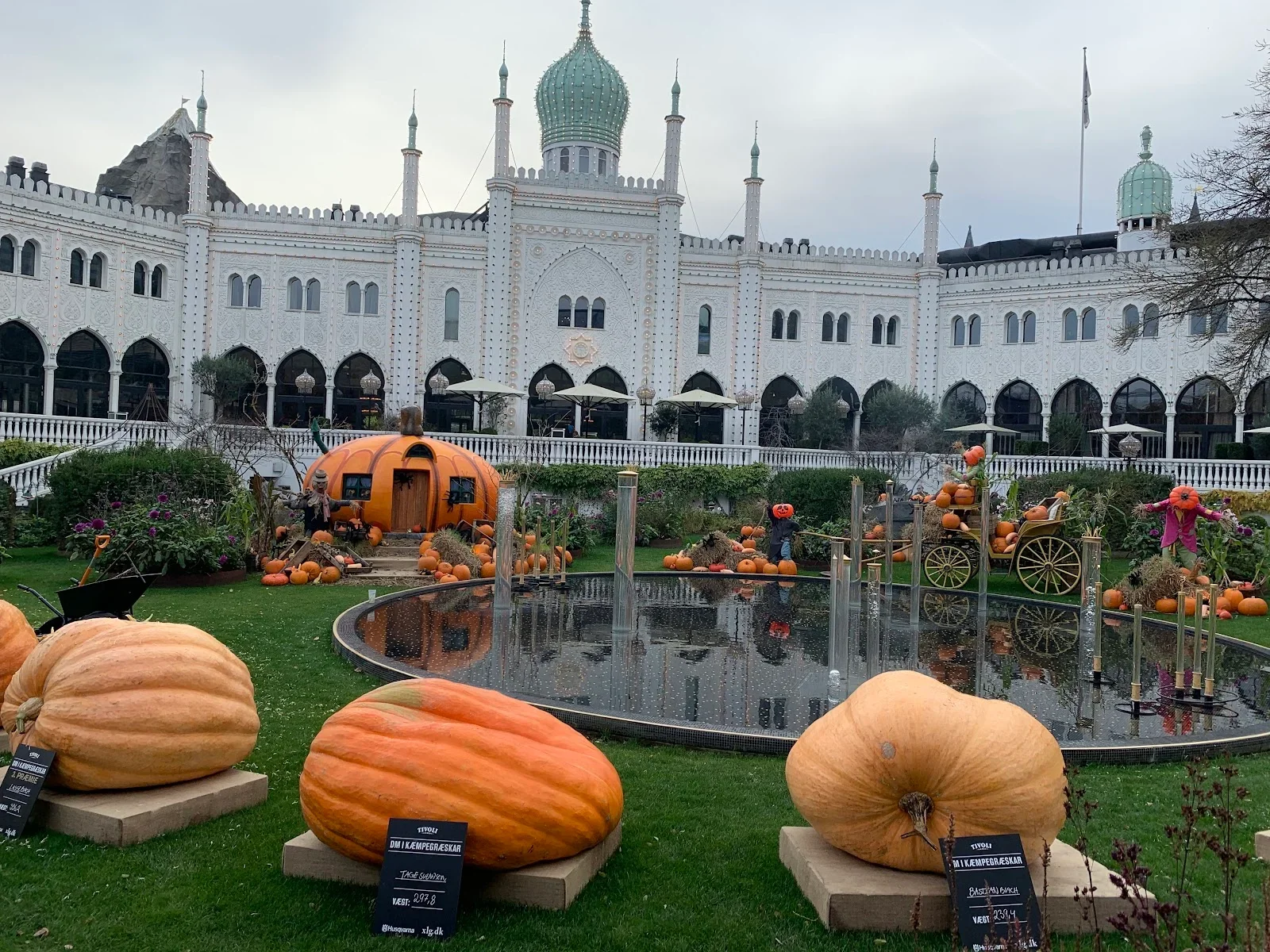
Giant pumpkins and Halloween decorations surround a fountain in front of the Nimb building at Tivoli Gardens in Copenhagen.
Photo credit
Photographer unknown — please contact us for attribution
For Halloween 2026, Copenhagen’s Tivoli Gardens is advertising more than 20,000 pumpkins. They are part of an autumn season that runs from October 2 to November 1, with scarecrows, spiderwebs, witches’ performances and illuminated displays across the amusement park. Children can see Rasmus Klump, the familiar Danish storybook bear, in a show with a little ghost. Visitors looking for stronger scares have separate haunted attractions. Tivoli began staging Halloween in 2006; its 2026 programme is the park’s twenty-first Halloween season.
When pumpkins were news
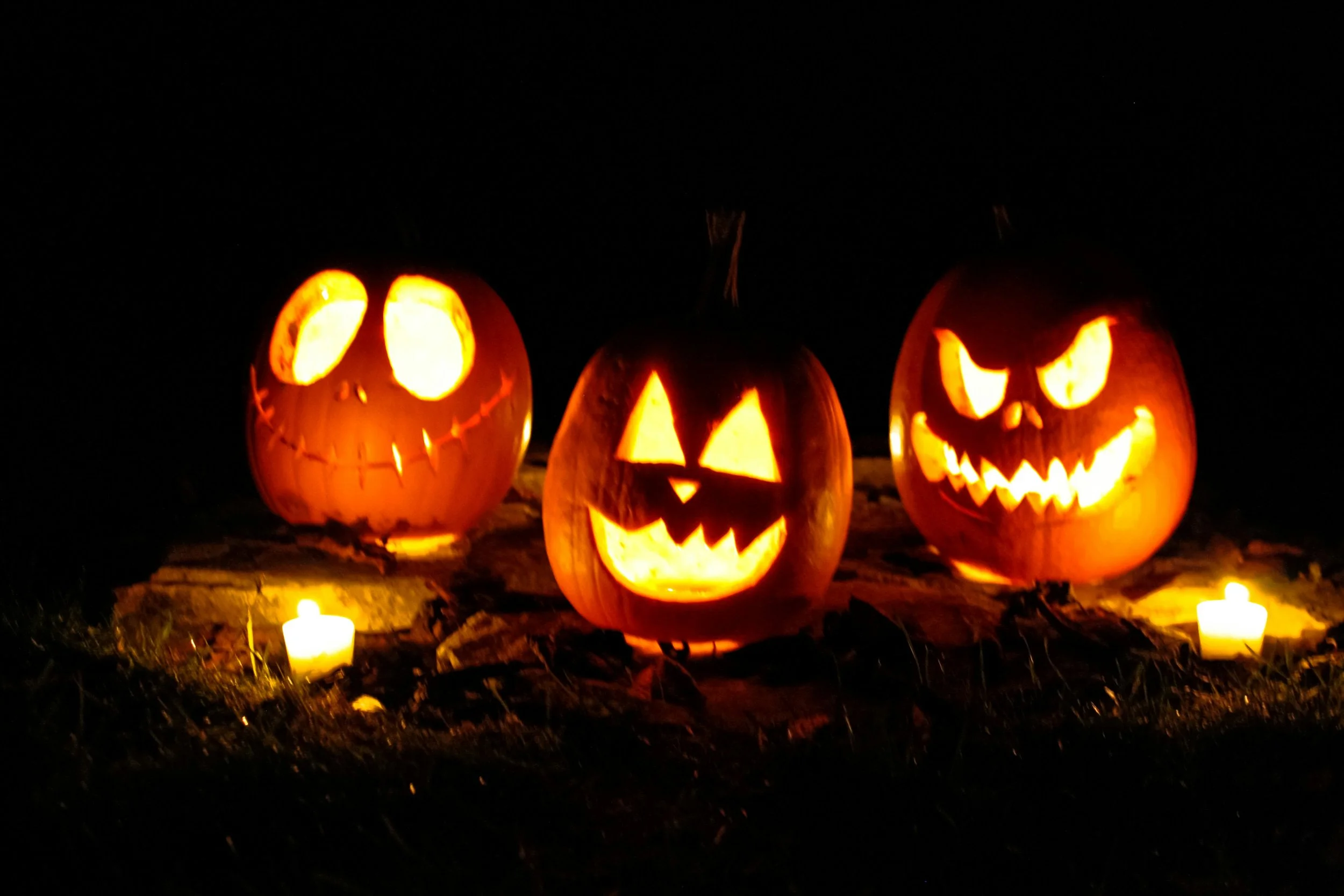
On November 1, 1992, Berlingske Tidende reported on Danish children celebrating Halloween at the Newport restaurant in Hellerup, north of central Copenhagen. They had dressed up and carved pumpkins into lanterns. The Royal Danish Library preserves an excerpt from the report in its account of Halloween’s arrival in Denmark.
The report does not establish Denmark’s first Halloween celebration. The Royal Danish Library describes early reactions as sceptical in some quarters: Denmark already had a costume celebration of its own, and people wondered why it needed another.
That celebration was fastelavn. Rooted in the Catholic calendar before Lent, it survived Denmark’s Reformation and eventually became closely associated with children’s costumes, sweet buns and the custom of striking a decorated barrel. The National Museum of Denmark traces the festival to the days before the traditional Lenten fast. Its name derives from the German Fastelabend, referring to the evening before the fast. Fastelavn falls in late winter or early spring, according to Easter’s changing date. Halloween arrives on October 31.
Tivoli finds an autumn season
The Royal Danish Library dates Halloween’s growing foothold to the end of the 1990s, when American popular culture helped make carved pumpkins and spooky costumes recognizable. Tivoli’s decision in 2006 gave the occasion a prominent stage. In its own history of the gardens, the company explains that it wanted a recognizable identity for an autumn opening season, comparable to the distinct look of its other seasons. Ghosts, skeletons and black cats could be combined with the colours and produce of the harvest: pumpkins, corn and grain. The Danish school autumn break also offered a ready-made audience. Tivoli’s seasonal language plays on hygge (cosiness and comfort) and uhygge (unease or fright), terms that fit the programme’s combination of harvest decorations and haunted attractions.
Tivoli says about 250,000 guests attended its inaugural Halloween season and more than 500,000 attended in 2019. Those are operator-reported attendance figures, not an independent measure of national interest. The season eventually stretched beyond the school-break week to encompass Halloween itself.
This year’s programme shows how the park separates different kinds of fright. Families can follow witches’ dancing, pumpkin carving and gentler ghost stories, while older visitors can choose attractions designed to scare them. Tivoli also advertises Halloween Illuminations by Tivoli Lake and carving activities at the Mill. Its published calendar also lists giant-pumpkin carving for October 22–25.
Beyond the garden gates
Copenhagen’s 2026 municipal children’s calendar lists pumpkin hunts, craft workshops and seasonal activities at libraries and cultural centres. Earlier listings included lantern-making at Kildevæld Kulturcenter on October 25 and cardboard-monster activities at Islands Brygge Library on October 27. A Halloween maze at Kulturstationen Vanløse was scheduled to begin October 29. For October 30, the calendar lists activities in Blågårdsgade and at the BRØK cultural centre in Brønshøj. On October 31, Brønshøj Library has a Halloween film programme for young children, while the main library advertises an activity built around slik eller ballade—the Danish expression for trick-or-treating.
In October 2025, De Samvirkende Købmænd, the Danish grocers’ trade association, released a Norstat survey of 501 respondents. In that survey, 45 per cent reported that they or their household marked Halloween in some form. Among those taking part, 76 per cent reported decorating with pumpkins and 44 per cent participated in slik eller ballade, either by going door to door or giving out sweets. The association warned that these latter figures came from a smaller group of respondents and were therefore less precise. Respondents could select more than one activity, so the activity percentages are not intended to total 100. Since the research was commissioned by a retailers’ organization, and its representativeness has not been independently established, the findings are an indication of the celebration’s reach rather than a definitive measure of Danish households. The published figures also do not establish a reliable comparison between Copenhagen, smaller towns and rural Denmark.
Fastelavn remains Denmark’s pre-Lenten costume celebration, with its sweet buns and decorated barrel. Thirty-four years after Berlingske reported on children carving Halloween pumpkins in Hellerup, Copenhagen’s main library has scheduled slik eller ballade for October 31.
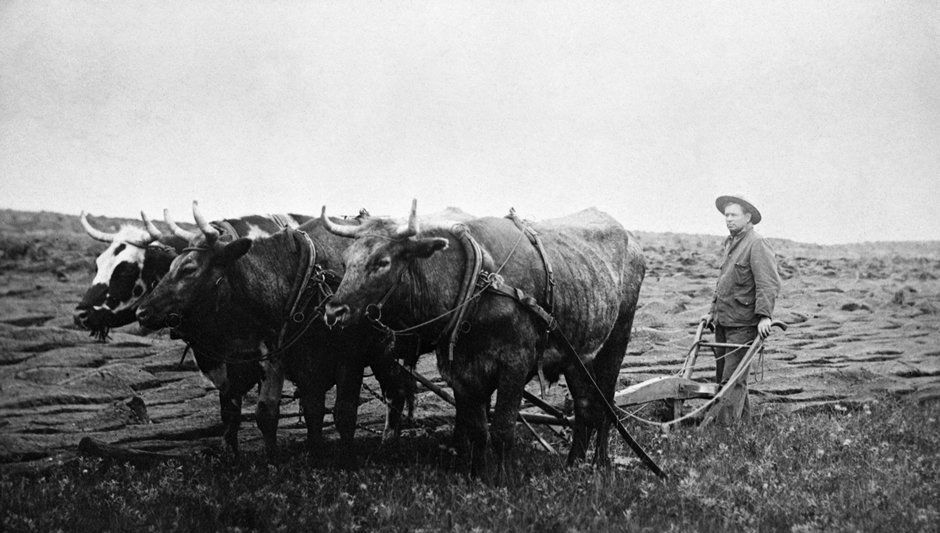


In the spring of 1893, Martin Finseth, Nels Jevning, Andrew Malmberg and John Wallerbeck travelled north from Minnesota to inspect Canadian farmland.