
How Halloween Found Its Way to Norway
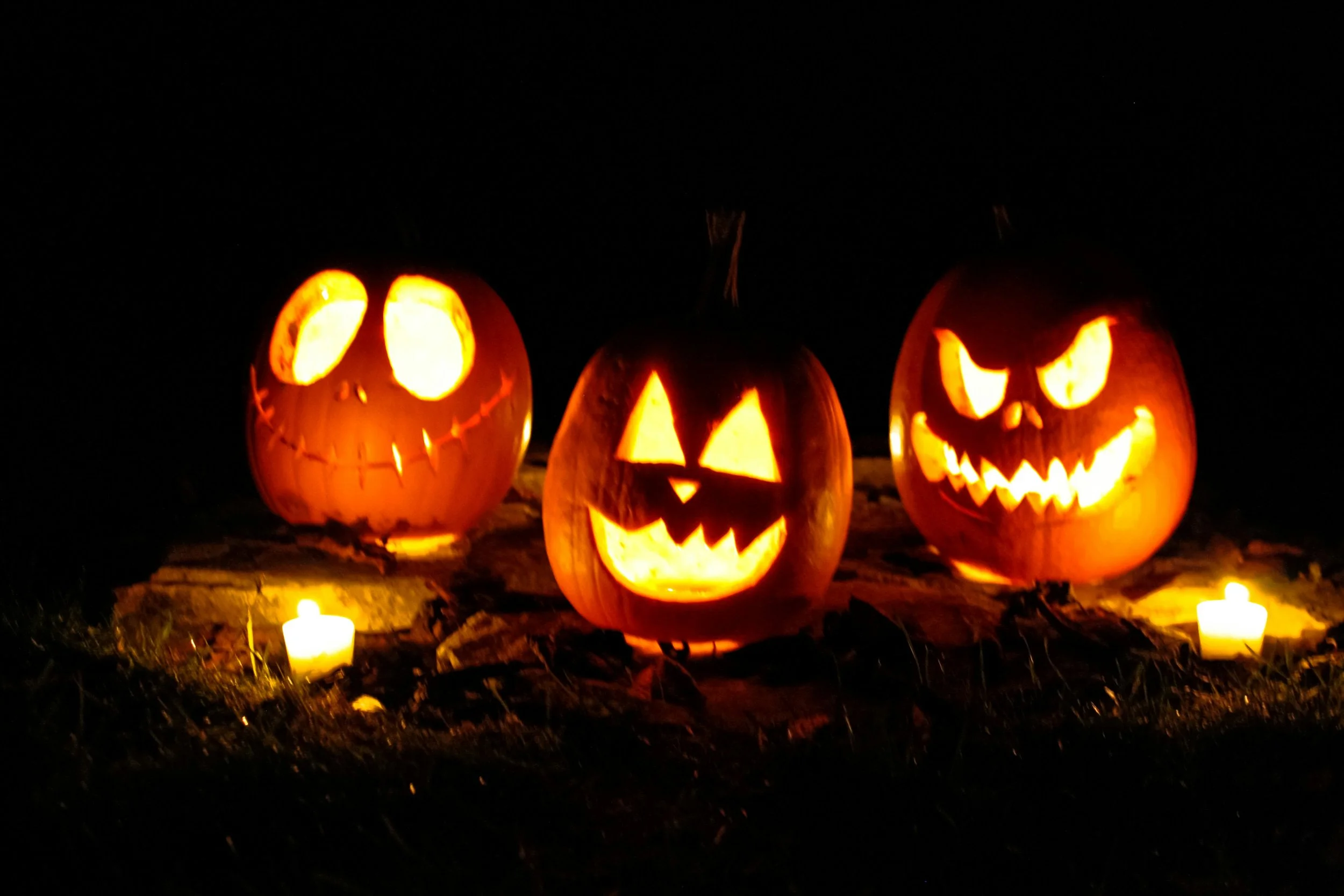
Three illuminated jack-o'-lanterns photographed after dark. Halloween decorations became increasingly familiar in Norway from the late 1990s onward.
Photo credit
Taylor Foss / Unsplash
In 1993, the brothers Espen and Henning Hagerup were translating a Donald Duck story when they encountered a problem: what should Norwegian children say in place of “trick or treat”? The original, Carl Barks’s 1952 story Trick or Treat, needed a phrase that sounded natural in Norwegian. Espen had a suggestion: knask eller knep. It made its way into the book Eventyrlig snadder.
Henning Hagerup later told Dagsavisen that neither brother expected the expression to have much of a life beyond the comic. At the time, Halloween was scarcely familiar as a celebration in Norway. Yet the phrase survived its original assignment and eventually became the standard words for children calling at doors on October 31. Other translations, including digg eller deng and godteri eller fanteri, did not catch on in the same way.
From comic strips to costume parties
According to cultural historian Audun Kjus at Norsk Folkemuseum, Halloween observances before the 1990s were largely confined to international schools and English-speaking communities. American comic strips gave Norwegian translators headaches. In the 1960s, the Norwegian edition of Peanuts even rendered Halloween as olsok, the Norwegian summer observance associated with Saint Olaf.
During the mid-1990s, costumed Halloween parties appeared in Oslo nightlife. Kjus identifies events at the So What venue associated first with the film club Himmel og Helvete and then with the music club Gotham Nights. These were particular urban gatherings, not evidence of a nationwide craze.
By the late 1990s, the practice was spreading among children. Parents organized visits to neighbours; schools and kindergartens put on themed celebrations. Kjus suggests that kindergartens may have been especially influential.
We can see how new the celebration still felt in a document from 2001. That year, Norsk etnologisk gransking, the Norwegian ethnological research archive, circulated a questionnaire about Halloween as part of a Nordic project on masking customs. Its introduction observed growing celebrations in children’s and youth environments, considerable differences in how communities participated, and press criticism of youngsters whose pranks had gone too far. The researchers asked how people celebrated, why they did so, and why others chose not to.
Who wanted Halloween?
The objections included commercialism, American influence, demands for sweets and the possibility of damage to property. The 2001 ethnological inquiry noted newspaper complaints about destructive pranks, without establishing how widespread such incidents were.
Some households were divided even when they participated. In a 2010 Aftenposten report, a mother named Kristin Trandem described having resisted the holiday because of its commercialism. Her children enjoyed dressing up, going out with friends and collecting sweets. Trandem said she tried to keep costs down by making costumes, although her son also described masks bought by his father. They also continued the Norwegian practice of going julebukk at Christmas.
Julebukk has often been enlisted in arguments about Halloween. In versions of that older Christmas-season custom, disguised visitors went from house to house, sometimes singing or entertaining their hosts, and might receive something in return. Museum curator Geir Thomas Risåsen cautions against the claim that Halloween killed julebukk. The older practice had been declining through the 1960s, 1970s and 1980s, well before Halloween’s Norwegian breakthrough. It also varied historically: some earlier masked visitors were rowdier and more frightening than the nostalgic image of small children singing at the door suggests.
Retailers certainly learned to profit from the new enthusiasm. In another Aftenposten report in 2010, a representative of Oslo costume shop Standard said that Americans had been among its early Halloween customers in the mid-1990s and that demand grew sharply from 1998–99. The discount chain Nille described Halloween as a rapidly expanding sales season.
In 2017, Norsk etnologisk gransking returned to Halloween with a new appeal for memories and private photographs. Its introduction observed that many young adults had grown up with the celebration as a regular feature of childhood, while others remembered when it had been unfamiliar. The archive asked contributors to recall their first encounters with Halloween and explain what they did, thought and felt at the time.
A holiday that remains optional
By the 2020s, Halloween had a recognizable Norwegian repertoire: knask eller knep, children in costume, pumpkins and seasonal decorations, parties and scary films. But visibility should not be confused with universal participation. An Ipsos survey reported in 2023 found that 64 per cent of respondents did not celebrate Halloween at all. In its 2024 results, the proportion was 67 per cent. Among respondents aged 18 to 29, by comparison, 32 per cent said they did not celebrate in 2024. The public summaries do not establish how many younger children go trick-or-treating, nor do they supply participation figures for 2026.
There is also a substantial public-event version of the holiday. For October 31 and November 1, 2026, Norsk Folkemuseum in Oslo has advertised a programme ranging from family activities associated with Mexico’s Day of the Dead to haunted streets and staged frightening attractions for older visitors. This is a museum’s planned event, not a measure of neighbourhood participation, and the Mexican observance has its own cultural history.
Two observances on one weekend
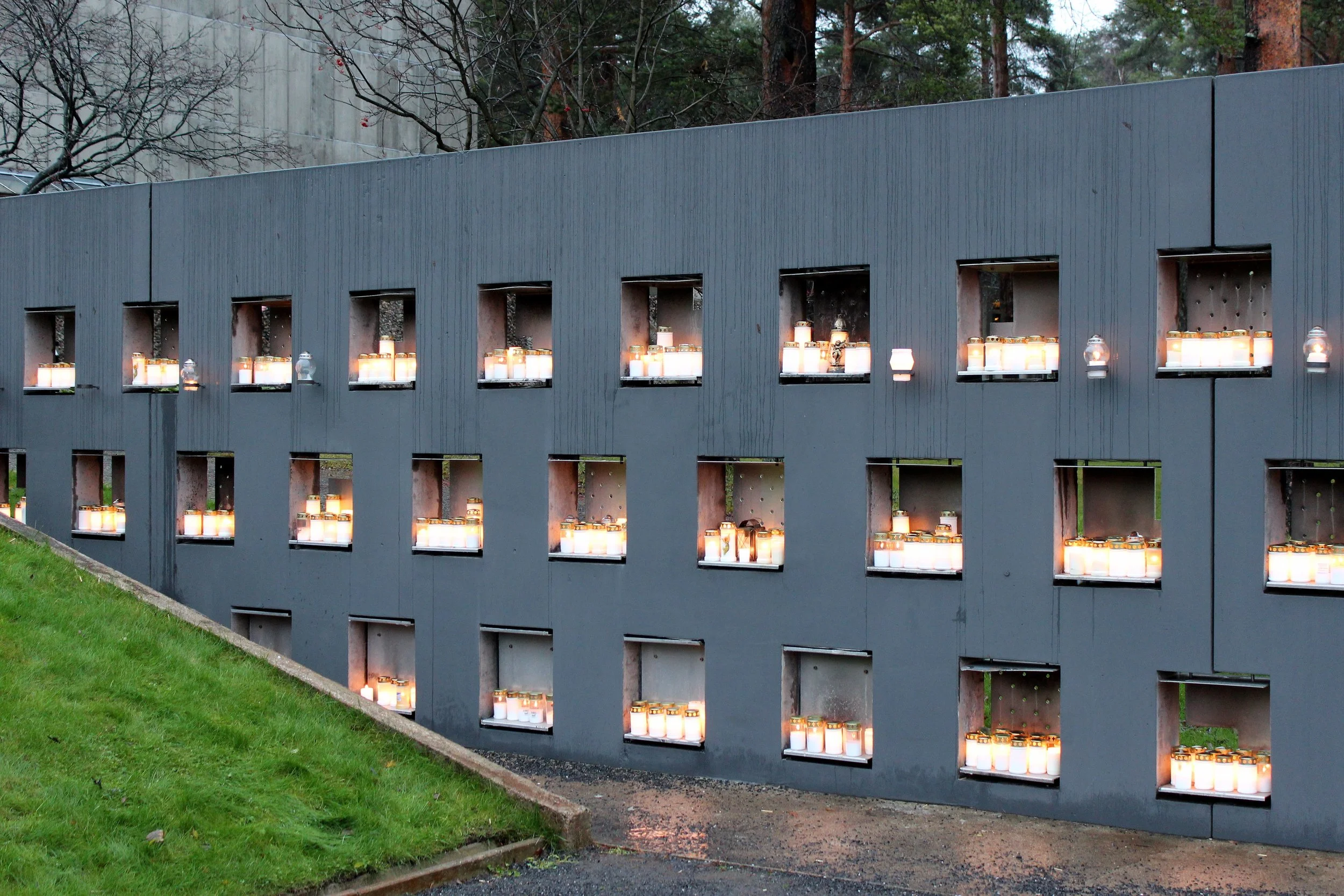
The dates place modern Halloween beside an older Norwegian religious observance. The Church of Norway marks allehelgen, its All Saints’ commemoration, on the first Sunday in November. The church explains that the observance continued after the Lutheran Reformation and was moved to that Sunday in 1770. In contemporary services it is also a time to remember people who have died, with names read aloud, opportunities to talk and candles lit in churches or at graves.
In 2026, Halloween falls on Saturday, October 31, and allehelgensdag on Sunday, November 1. The Church of Norway lists remembrance activities across both days; trick-or-treating and costume parties are associated with Halloween on Saturday evening.
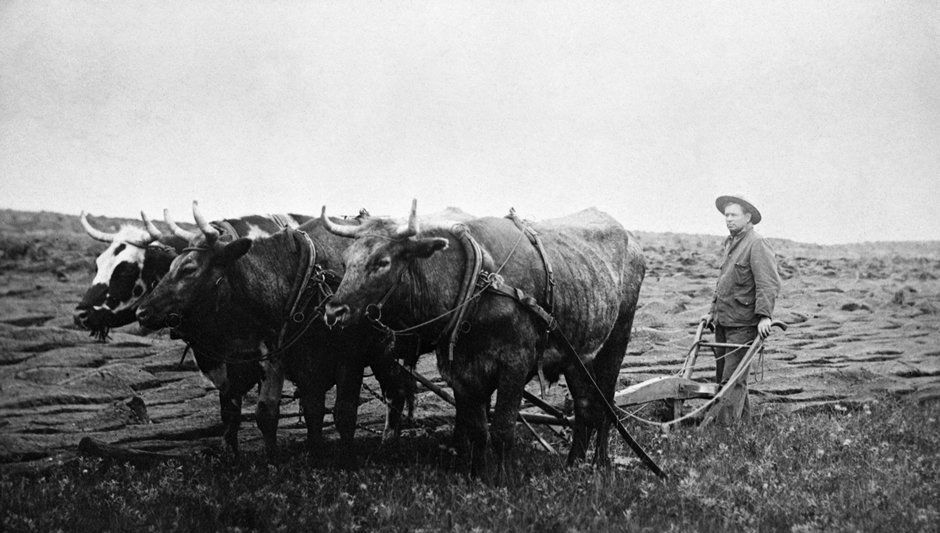


In the spring of 1893, Martin Finseth, Nels Jevning, Andrew Malmberg and John Wallerbeck travelled north from Minnesota to inspect Canadian farmland.