Fields, Fencelines, and Forgotten Gardens
Where to Find Edible Wild Plants
Part of the series: Wild, Weedy, and In Your Yard: Late Summer Foraging
Across the Canadian Prairies, some of the most interesting edible plants grow in places that are easy to overlook. They appear along field edges, beside old fences, and around abandoned gardens where cultivated plants have continued growing long after regular maintenance stopped.
These spaces reflect both natural growth and human history. A chokecherry growing along a fenceline may have spread through birds and wildlife, or it may be connected to earlier plantings. A patch of rhubarb beside an old foundation can reveal where a garden once stood. Herbs and flowers growing along field margins may reflect decades of changing land use.
Indigenous communities developed detailed knowledge of seasonal plant harvests, including where berries, roots, and other useful plants could be found and how they could be harvested sustainably. Settler communities also shaped the landscape through gardens, orchards, hedgerows, and farm boundaries, creating new places where food plants could grow.
Today, many of these areas appear untended, but they often contain a surprising variety of edible and useful species. In late summer, fields, fencelines, and forgotten gardens become some of the most productive places to look.
Why Marginal Spaces Matter for Foraging
The edges between different landscapes often support a wide range of plants. Field margins, fence rows, and old garden sites bring together open sunlight, disturbed soil, moisture changes, and shelter from surrounding vegetation.
Historically, these areas served practical purposes. Fencelines marked property boundaries, reduced wind exposure, and sometimes provided space for fruit trees, shrubs, and useful plants. Over time, they became places where wild species and cultivated plants grew alongside one another.
For Indigenous communities, seasonal harvesting areas were often carefully observed and managed. Plant knowledge included understanding when different species became available, where they grew, and how harvesting could take place without damaging future growth.
Today, many prairie fencelines still contain plants with long histories of use, including chokecherries, raspberries, and hawthorn.
Plants Found Along Fields and Meadows
Goldenrod (Solidago spp.)
Goldenrod grows widely across Canada, thriving in open fields, roadsides, and disturbed areas. Although it is often blamed for late-summer allergies, goldenrod is not usually responsible for hay fever because it is pollinated by insects rather than carried through the air like ragweed pollen.
Traditionally, goldenrod has been used in herbal teas and preparations. Some settler communities also used it as a tea plant when imported teas were expensive or unavailable. The flowers can also be used for herbal infusions and natural dyeing.
Lamb’s Quarters (Chenopodium album)
Sometimes called wild spinach, lamb’s quarters grows throughout Canada in gardens, fields, and disturbed soils. Its young leaves can be eaten fresh, while older leaves are commonly cooked like spinach.
The plant has a long history as a food source across many regions of the world. Related to quinoa, its seeds can also be harvested and used as a grain. Indigenous communities in the Prairies used wild plant seeds as part of traditional food systems, and today lamb’s quarters remains popular among gardeners and foragers because of its nutritional value and ability to grow in challenging conditions.
Milkweed (Asclepias syriaca)
Common milkweed grows primarily in southern Canada and plays an important ecological role as a host plant for monarch butterflies.
Several parts of the plant, including young shoots, flower buds, and immature pods, have been used as food after proper preparation. Some Indigenous communities and settlers incorporated milkweed into seasonal diets, although identification and preparation are essential because not all milkweed species are used in the same ways.
Because of its importance to pollinators, responsible harvesting is especially important. Leaving enough plants to support wildlife and reproduction is part of ethical foraging.
Wild Carrot / Queen Anne’s Lace (Daucus carota)
Originally introduced from Europe, wild carrot has naturalized throughout much of southern Canada. It grows along roadsides, fields, and disturbed areas.
The young roots are edible, although they can be difficult to distinguish from poisonous relatives. The seeds have also been used traditionally in some herbal practices. Proper identification is essential, particularly because wild carrot can be confused with dangerous plants such as water hemlock.
Meadow Sorrel (Rumex acetosa)
Meadow sorrel produces bright green leaves with a distinctive lemony flavour. It has been used fresh and cooked in soups, sauces, and other dishes.
Its vitamin C content made sorrel a useful seasonal food historically, particularly during periods when fresh produce was limited. It grows well in meadows, paths, and moist soils, making it a familiar late-summer plant for careful foragers.
Finding Food Along Fencelines
Fencelines act as important transition zones in agricultural landscapes. Birds carry seeds, wind moves plant material, and shrubs often establish where grasses and other vegetation provide protection.
Over time, these narrow strips can become home to fruiting plants such as raspberries, hawthorn, chokecherries, and wild plum. Some farmers also intentionally planted useful shrubs and trees along property boundaries because they provided food, shelter, and practical benefits.
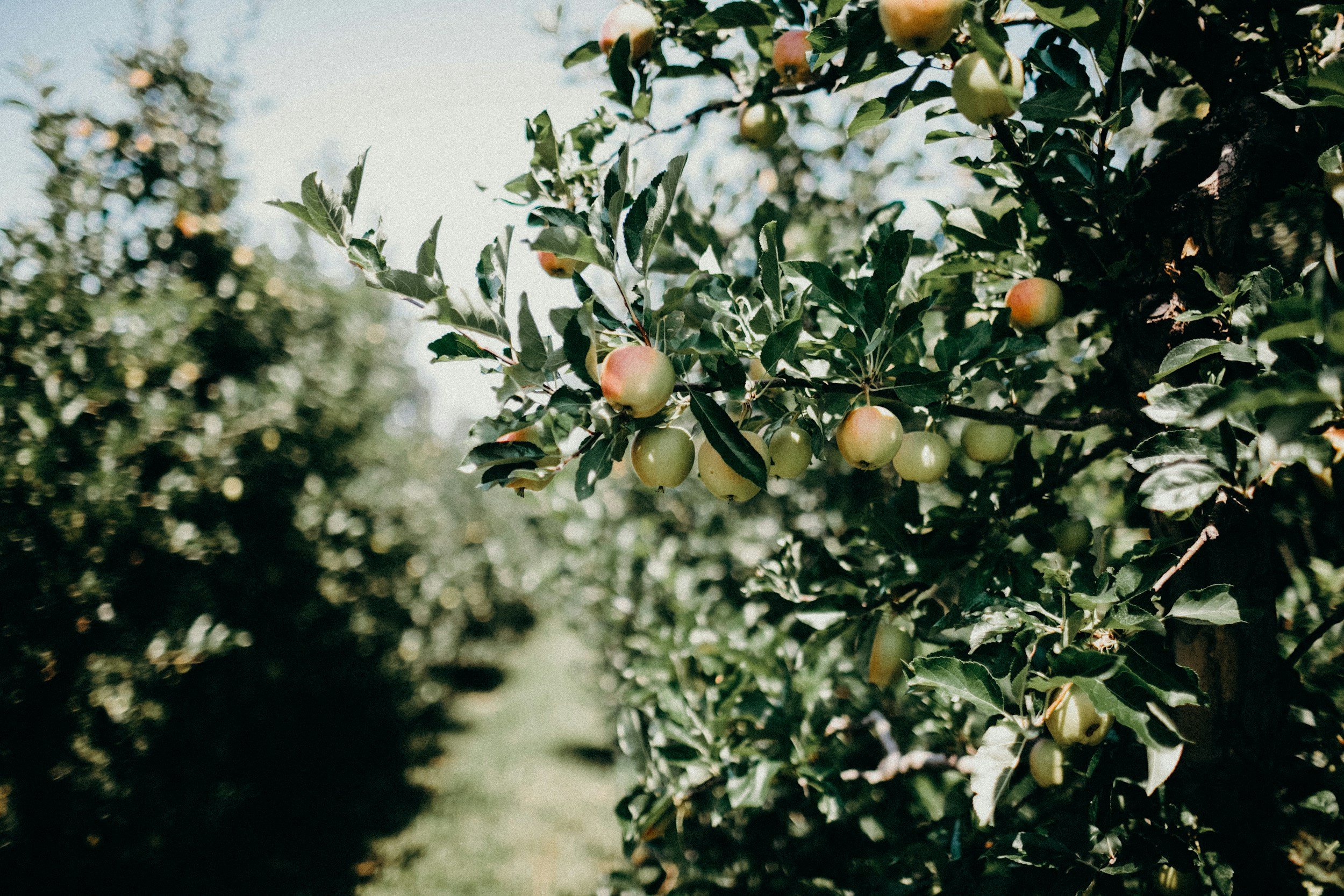
Old agricultural records from the Prairies describe chokecherries as useful plants for both boundaries and household food supplies. Today, rural fencelines can also reveal heritage fruit trees, including crabapples and old apple varieties that survived after farmsteads disappeared.
These trees can provide valuable clues about earlier settlement patterns and the varieties that once grew in Prairie gardens and orchards.
Discovering Forgotten Gardens
Many garden plants are remarkably persistent. Long after a farmhouse has disappeared or a garden has been abandoned, certain perennials continue to return each year.
Rhubarb, horseradish, mint, chives, and asparagus are common examples. These plants were valued by gardeners because they could survive harsh conditions and provide food with limited maintenance.
Heritage fruit trees are another important discovery. A single apple tree may represent a variety brought by settlers from Europe and adapted over generations to Canadian growing conditions. Some historic varieties, such as the Snow Apple (Fameuse), are now preserved by orchard enthusiasts and heritage growers.
Some Indigenous communities also maintained cultivated spaces that incorporated useful native plants. Areas that appear unmanaged today may contain evidence of earlier relationships between people and plants.
Safety and Ethical Considerations
Fields, fencelines, and abandoned gardens require careful attention before harvesting.
Roadside plants may be exposed to vehicle pollution. Agricultural areas may have been treated with pesticides or herbicides. Abandoned gardens may contain plants that are difficult to identify or may grow on private property. Always ask permission before harvesting and avoid collecting from areas with unknown histories.
Responsible foraging also means considering the wider ecosystem. Many plants provide food and habitat for insects, birds, and other wildlife. Harvest only what you need and avoid damaging the surrounding area.
Conclusion
Fields, fencelines, and forgotten gardens are places where plant life and human history intersect. A patch of chokecherries along a prairie boundary, an old rhubarb plant beside a foundation, or a heritage apple tree growing without care can all reveal stories about how people have used and shaped the landscape.
Learning to identify these plants connects foraging with history, ecology, and seasonal awareness. The landscape holds many reminders of earlier food traditions, waiting to be recognized.
Read More in This Series
What to Forage in August in Canada
Crabapples and Clover: Late Summer Snacks from the Land
Wild Teas and Trail Foods: Ancestral Foraging Traditions
Preserve the Season: Storing Your Late Summer Forage
A Baker’s Dozen: Wild Plants to Forage Before Summer Ends