The Swedish Utflykt
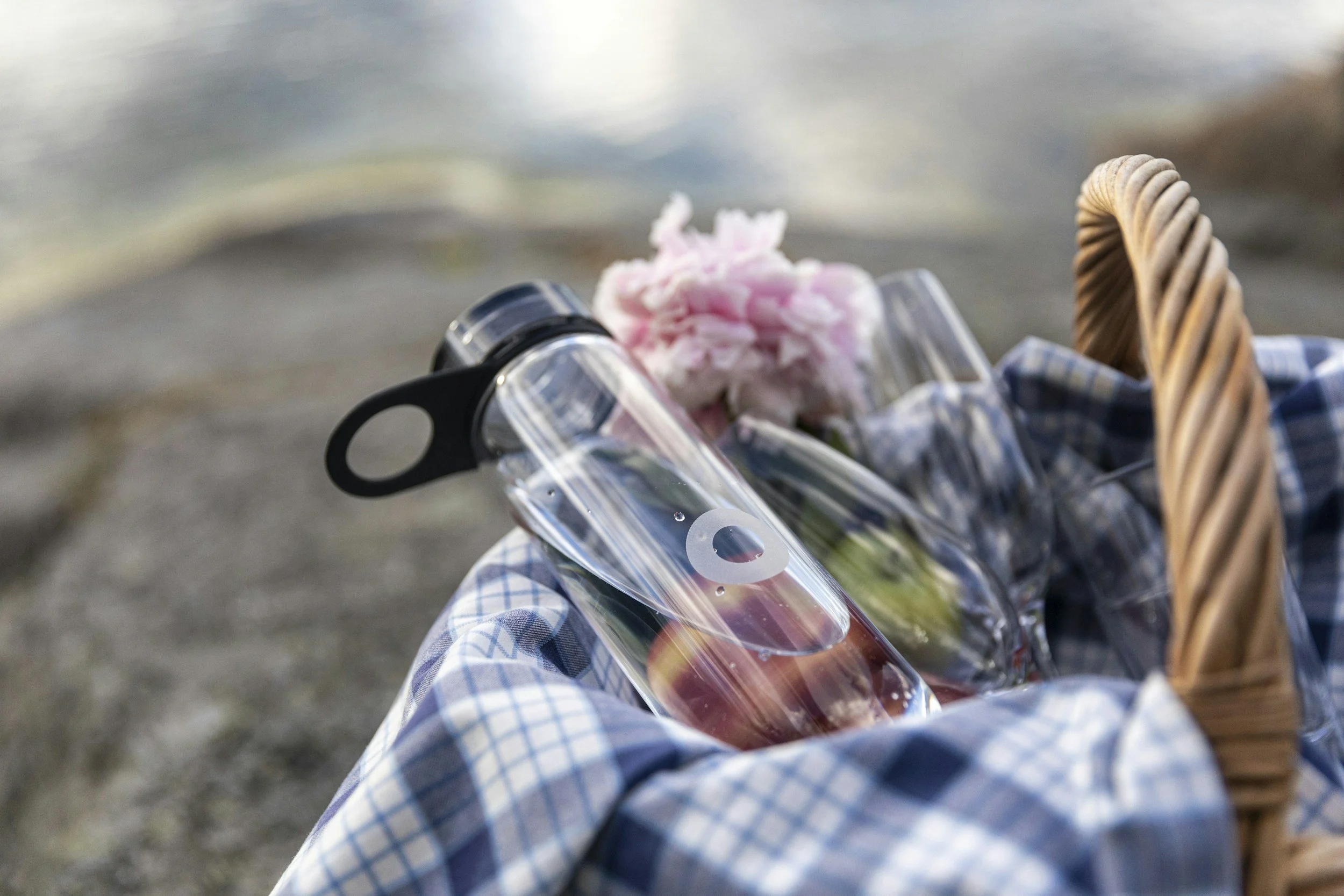
There is a Swedish word, utflykt, that is often translated as “outing” or “excursion,” though neither term fully describes how it is used. It refers to time spent outside the home where movement, rest, and eating occur as part of the same sequence. The term is common in everyday language and carries no formal or elevated meaning.
Standing in the grasslands with my once-in-a-lifetime grief
My work has slowed for the summer months. While that gives me plenty of time to work on the plethora of side projects that were left on the back burner, it also gives me too much time with my thoughts.
What is a prairie?
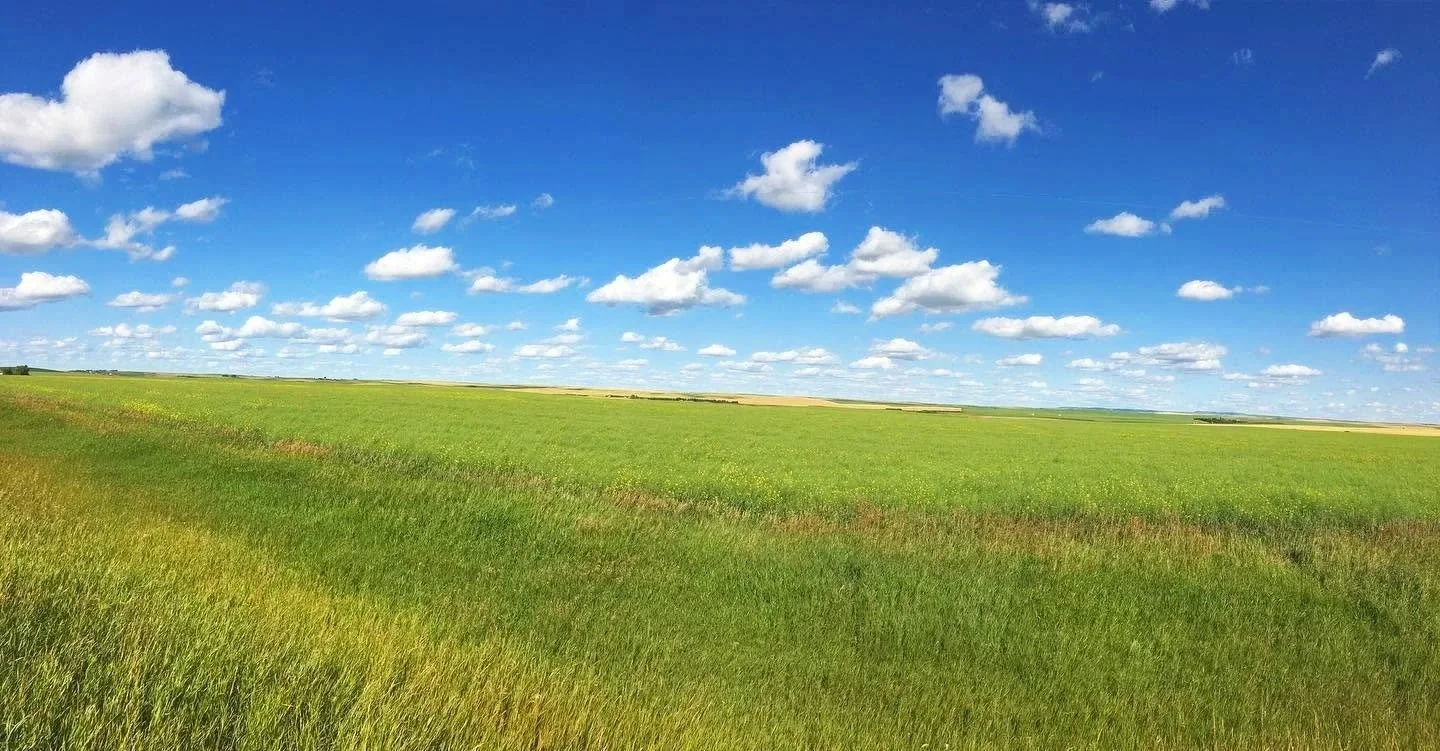
If you’ve ever read Little House on the Prairie, chances are your first image of a prairie is the one painted by Laura Ingalls Wilder who describes “the enormous, empty prairie,” stretching beneath an endless blue sky, where grasses ripple like waves and the horizon seems to go on forever. Her prairie stretches north from the American Midwest into southern Manitoba, where the same sweeping grasslands continue unassumingly across an international border.
Haskaps on the Canadian prairies
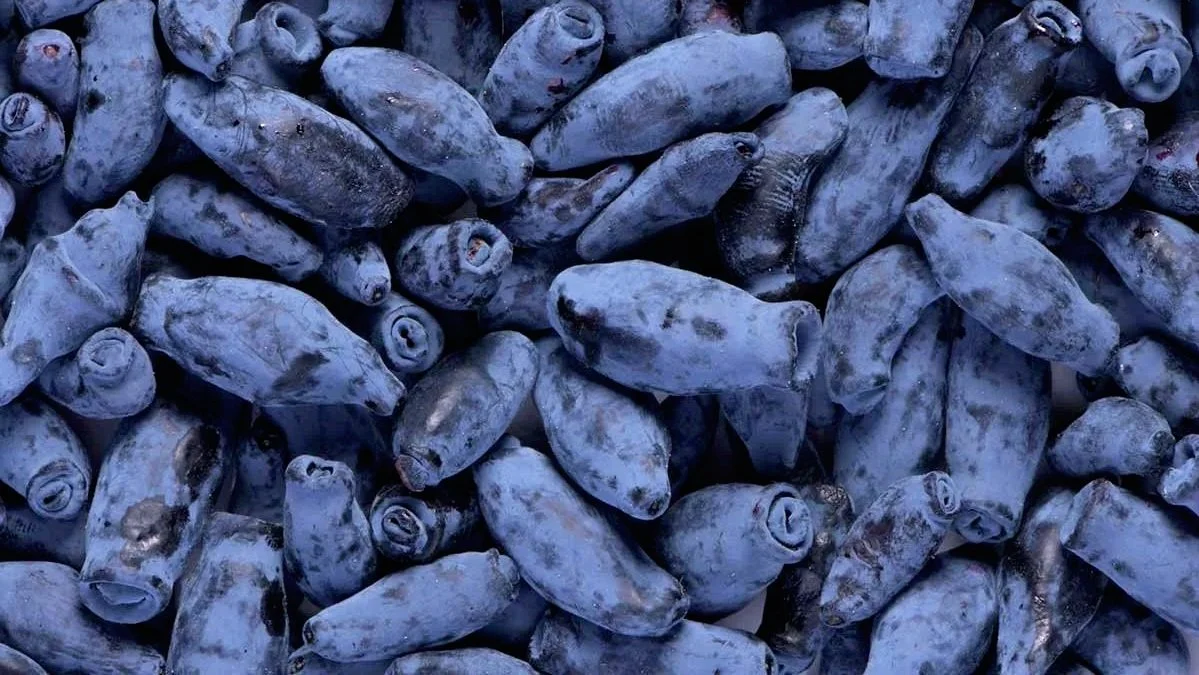
Haskaps have long histories across northern regions, including the Canadian prairies. Knowledge of these early berries varies by place, Nation, and seasonal practice, shaped through observation, gathering, and use over time. Indigenous knowledge systems form the foundation of how haskaps have been understood, named, and used within broader food landscapes, a principle reflected in Indigenous-led research and knowledge-sharing initiatives such as the Canadian Indigenous Knowledge Network.
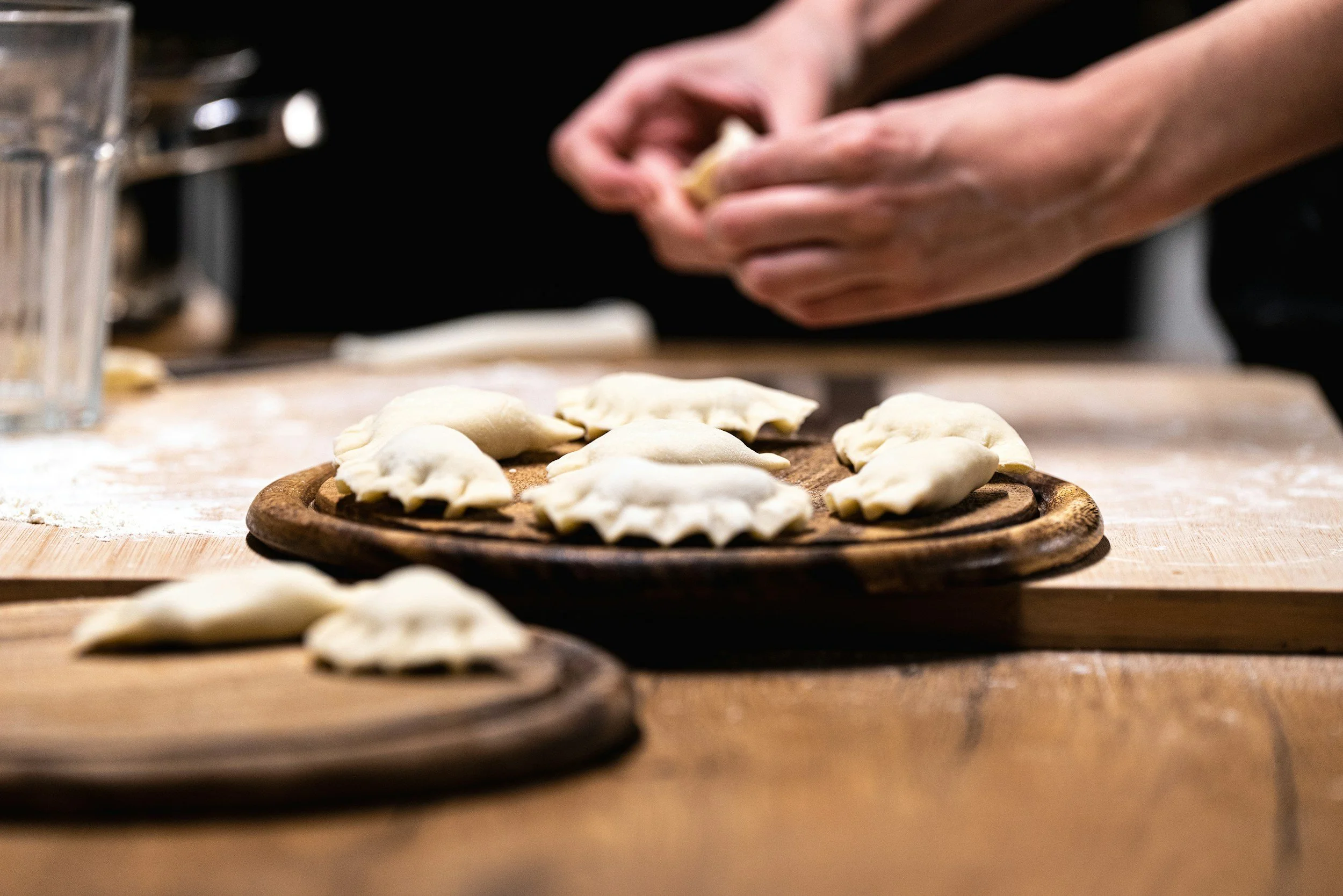
Ukrainian Food Heritage on the Prairies
Ukrainian settlement on the Canadian Prairies spans multiple regions, migration waves, and generations. Families arrived with food knowledge shaped by village traditions, seasonal rhythms, and agricultural practices carried across distance. Over time, these foodways adapted to prairie land, climate, and available resources. Community organizations such as the Ukrainian Canadian Congress document the breadth and continuity of this settlement across Canada.

Crabapples in Prairie Food History
Crabapples don’t get much credit in Canadian culinary history. They grow on schoolyard edges and old farm shelterbelts, often dismissed as ornamental or too sour to bother with. Yet for more than a century, these hardy little fruits were a staple of prairie kitchens—and long before settlers planted their first orchards, Indigenous communities were already incorporating crabapples into their seasonal diets. What we see as a decorative afterthought once anchored food traditions across the Prairies

A Baker’s Dozen Wild Plants to Forage Before Summer Ends
In much of Canada, late August is a turning point. The days are still long, the sun still warm, but the light shifts—less a blaze, more a burnished gold. Historically, this was a critical time for food gathering. For many Indigenous Nations, it marked the height of berry season and the beginning of autumn preservation. For settler homesteads, it was the month of cellars filling with jars, drying racks heavy with herbs, and baskets of fruit set out to ripen.

The Fish That Built Canada
Fish is not just a food source in Canada—it is integral to the cultural, spiritual, and economic identity of many communities. Indigenous Peoples across the country have relied on fish for millennia, developing complex techniques to fish, preserve, and honour the creatures of the water. From the coastlines of the Pacific to the inland lakes of the Prairies, fish has sustained communities, shaped economies, and maintained deep spiritual connections to the land.