
Utflykt: The Swedish Tradition of Outdoor Life
Language: Swedish
oot flee kt. (the flee kt almost sounds like a condensed “flicked”)
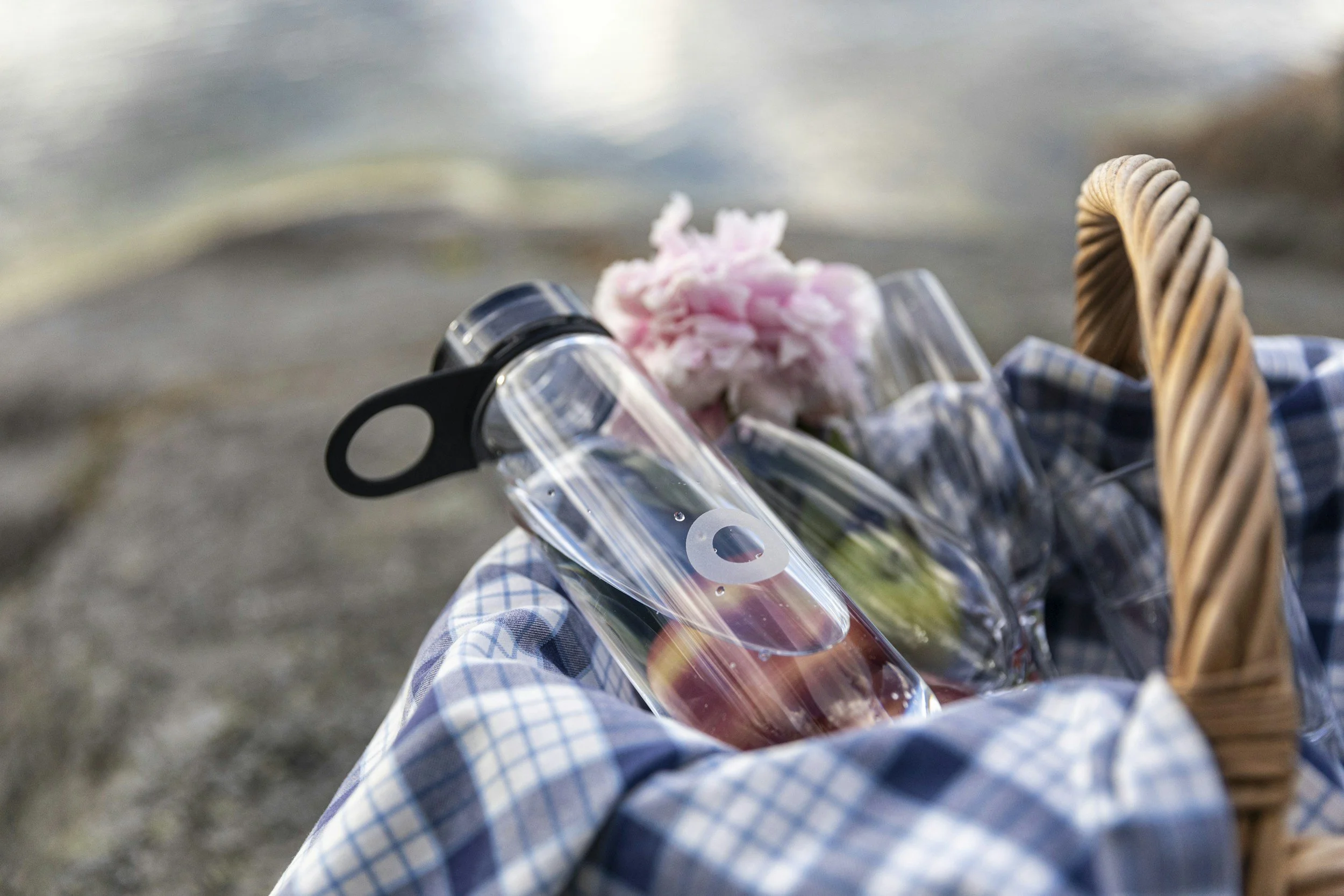
It’s a good day for utflykt.
There is a Swedish word, utflykt, that is often translated as “outing” or “excursion,” though neither term fully describes how it is used. It refers to time spent outside the home where movement, rest, and eating occur as part of the same sequence. The term is common in everyday language and carries no formal or elevated meaning.
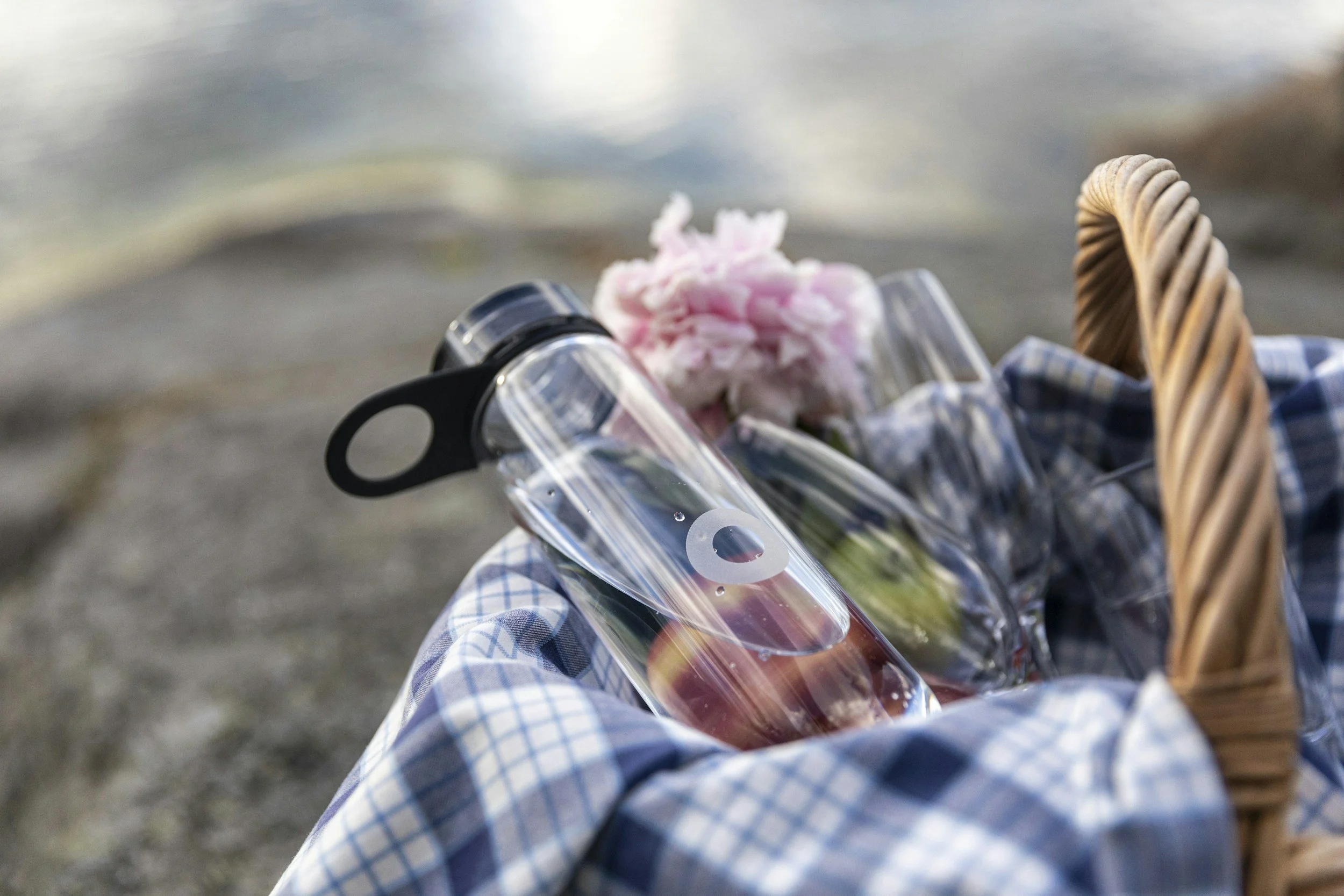
On a typical summer day, an utflykt begins without clear separation from other routines. A blanket is taken from a cupboard or hook near the door. Coffee is poured into a thermos and food is gathered from what is already available in the kitchen: bread, fruit, or items that require no preparation. In some households, small bags for outdoor use remain packed during the summer months. A bicycle may already be positioned near the entrance, or a car may be kept ready for short trips to nearby lakes or forest areas. The actions are functional and repeatable rather than prepared for a specific occasion.
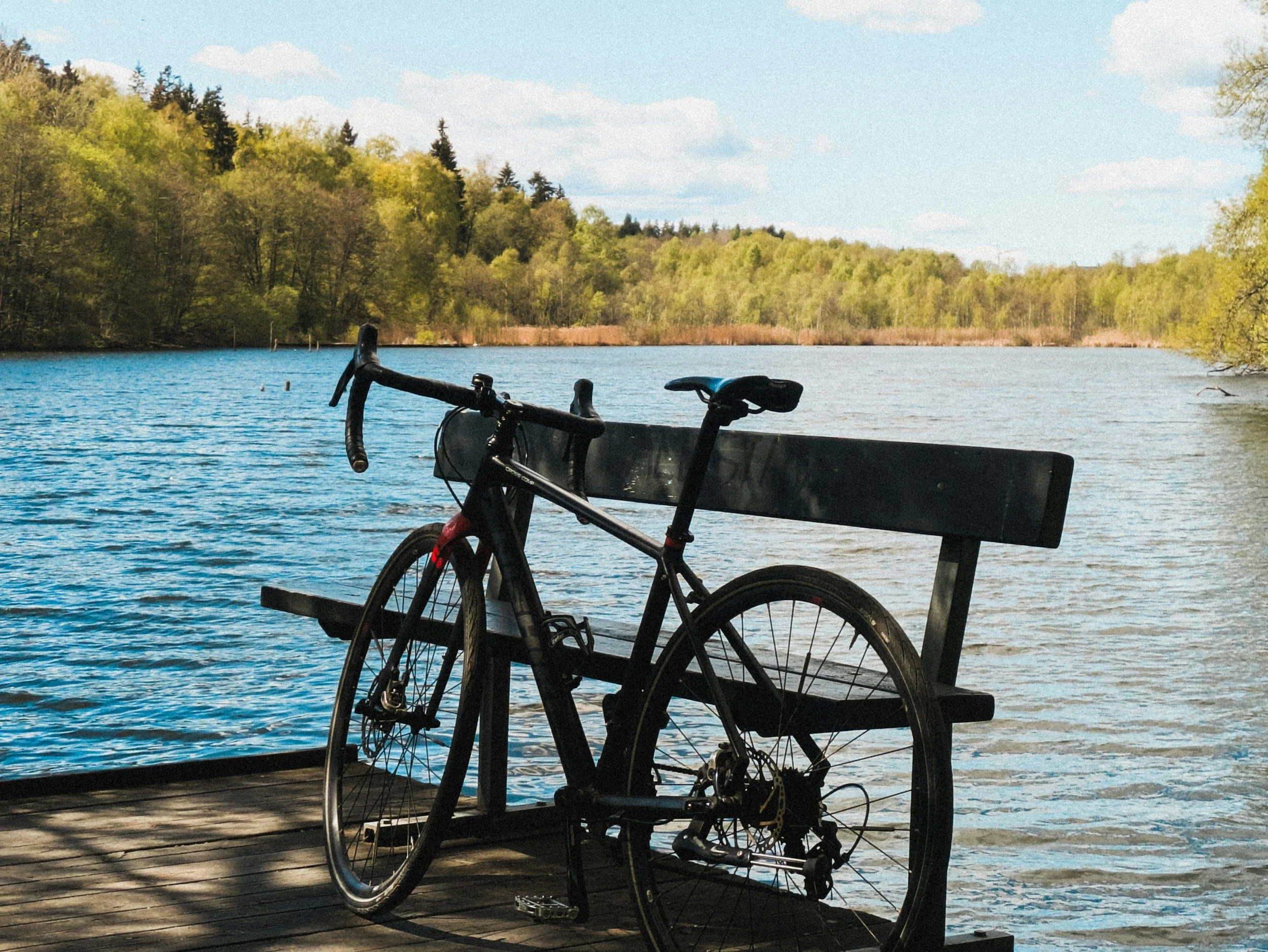
Many excursions are taken by bicycle.
In many households, this readiness is seasonal. During winter, outdoor movement is modified and equipment is stored away. In summer, items such as blankets, thermoses, and simple food containers remain in regular use. Shoes and jackets are often placed near exits rather than stored deeply in closets. The pattern reflects frequency of use rather than preparation for events.
The term utflykt covers this type of movement. It does not describe a fixed format. It can refer to a short walk to water, a cycle into nearby forest, or a longer afternoon spent moving between sitting, walking, and eating. The structure is loose, and the sequence is shaped by distance, weather, and access rather than planning.
Sweden’s geography supports this pattern. Forest, water, and open land sit close to residential areas across much of the country. Suburban developments often sit directly adjacent to wooded areas or lakes. In smaller towns, agricultural land transitions quickly into forest or shoreline. This proximity is reinforced by allemansrätten, the right of public access to most natural land, provided it is used responsibly. It allows movement through large areas of countryside without formal permission or designated entry points.
Within this context, outdoor time is not treated as separate from daily life. It is part of it. The idea is often described through friluftsliv, a term used across the Nordic countries to describe regular life in outdoor environments. It does not refer to a specific activity but to repeated time outside as part of ordinary routine.
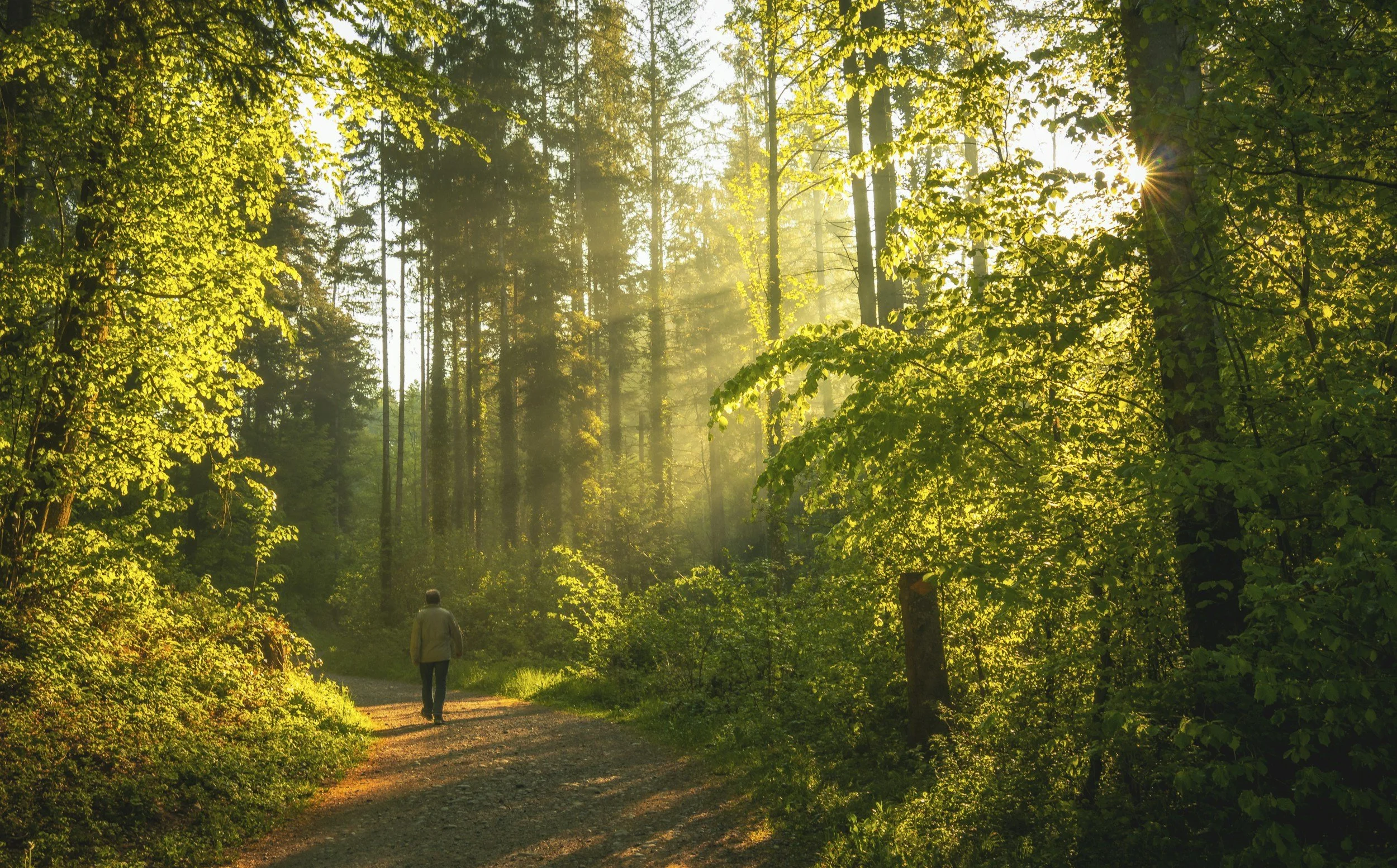
An utflykt typically begins with movement toward a natural setting. This may involve walking through residential streets where houses gradually give way to trees and unpaved paths. In other cases, cycling routes lead directly from town centers into forest edges or toward lakes. Roads narrow, traffic disappears, and built structures become less frequent. The transition is gradual and unmarked, shaped more by change in surroundings than by any formal boundary.
Once in a suitable location, people stop where conditions allow. A flat area near water, a clearing between trees, or a stretch of grass becomes the place to sit. In many cases there is no designated infrastructure. The selection is based on accessibility, ground conditions, and shade or shelter.
Food is simple and carried without arrangement. Coffee is poured first and defines the pause. Bread, cheese, eggs, or seasonal fruit follow. In summer, strawberries are common and often purchased from local markets or gathered from nearby fields. New potatoes appear in some contexts, prepared in advance and eaten cold or lightly seasoned with butter and herbs. The food reflects seasonal availability and ease of transport.
After eating, the activity continues without a formal shift. Some people walk further along the shoreline or into nearby forest. Others remain seated and read or watch movement in the landscape. Children may move between water and land if conditions allow. Time is not divided into stages or structured intervals. The same setting holds both rest and movement without change in form.
This pattern differs from many outdoor practices in Canada, including those on the Prairies. In that context, outdoor time is often organized around travel by vehicle, planned destinations, and group coordination. A lake or campground may require a drive of significant distance. Arrival is followed by setup of seating, food preparation, and arrangement of shared space. Barbecues, folding tables, and coolers are common elements. The gathering often becomes the central structure of the outing, with food and activity organized around group presence.
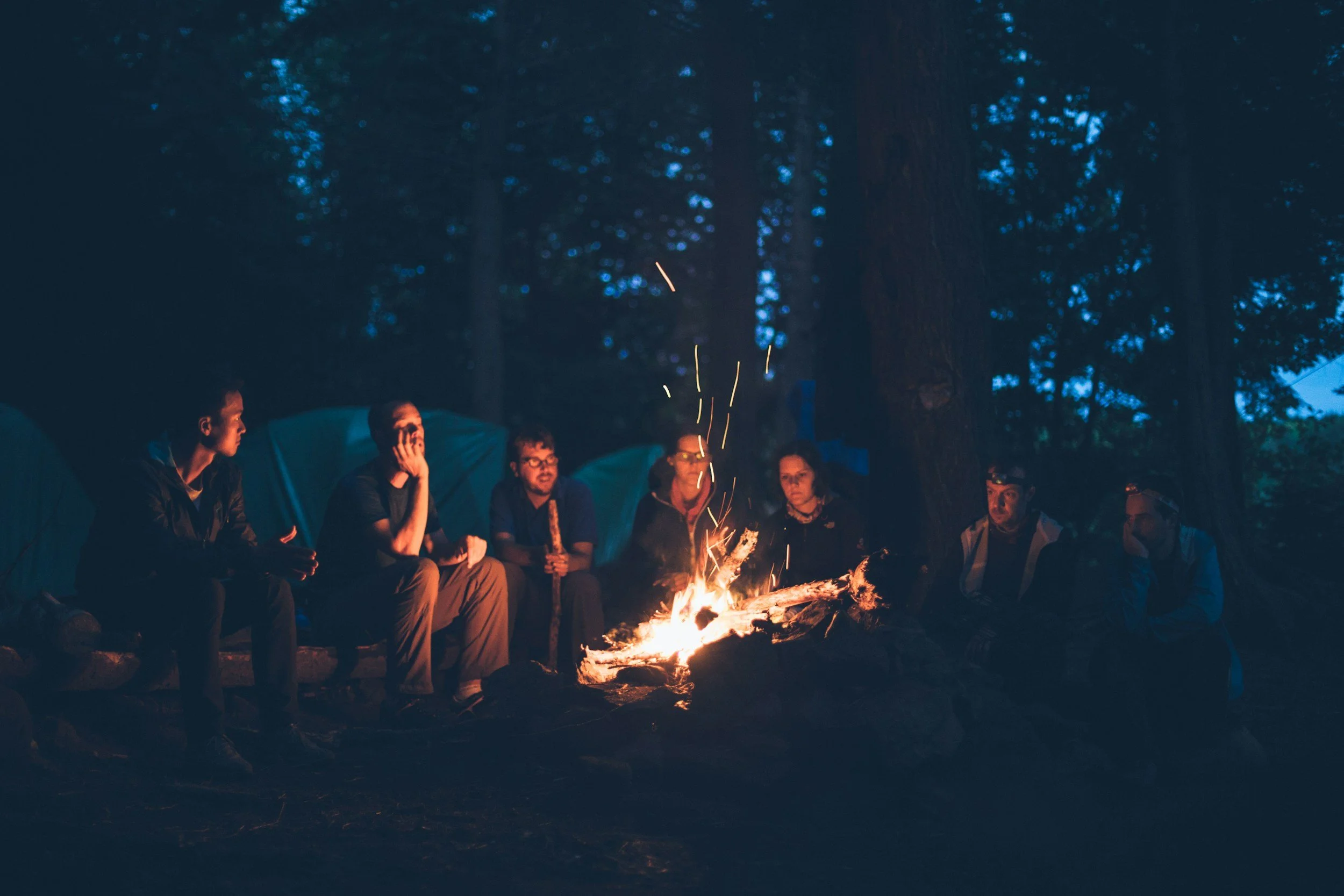
In Prairie regions, outdoor gatherings are also shaped by scale and distance. Settlements are spread across large areas, and natural sites are not always within walking or cycling range. As a result, outdoor time is often concentrated into longer, planned visits rather than frequent short departures. Summer evenings can extend late into daylight, with fire pits, games, and shared meals forming part of the structure.
Both settings share access to open land, water, and seasonal variation. Forests, lakes, and grasslands play a central role in both regions. The difference lies in organization. In Sweden, outdoor time is often an extension of routine movement within close range of home. On the Prairies, it is more often defined by planned travel and collective coordination.
An utflykt ends without a formal conclusion. Items are collected in reverse order of use. The blanket is folded, food is packed away, and the thermos is closed. The return follows the same route as arrival, often without distinction between the two directions. The landscape remains unchanged, and there is no marked endpoint to the activity.
In practice, the utflykt depends less on specific landscapes than on reduced separation between daily life and time outdoors. It can take place in forests, near water, or in open fields, provided those spaces are within reach of ordinary movement.
On the Canadian Prairies, this structure can be partially reproduced, though it is shaped by different conditions of settlement and distance. Many natural areas require travel by vehicle, and outdoor time is often organized around longer, less frequent visits. Lake regions, provincial parks, and river valleys function as focal points for seasonal use. Planning typically includes coordination of food, timing, and group participation in advance of departure.
A day spent in this way does not require a fixed internal structure. It proceeds through simple actions that extend outward from the home and return without clear division. Movement, rest, and eating occur within the same continuous sequence, shaped by access and conditions rather than formal stages.
Further Reading
Gelter, Hans. “Friluftsliv as Slow and Detoured Experience.” Journal of Adventure Education and Outdoor Learning, 2010.
Gelter, Hans. “Friluftsliv: The Scandinavian Philosophy of Outdoor Life.” Canadian Journal of Environmental Education, 2000.
Henderson, Bernadette & Vikander, Nikolaj (eds.). Nature First: Outdoor Life the Friluftsliv Way. University of Toronto Press, 2007.
Sandell, Klas & Sörlin, Sverker. Nature’s Democracy: Scandinavian Environmental History and the Nordic Experience of Nature. Palgrave Macmillan, 2008.
Emery, Neal & Thorell, Lisa (eds.). The Right of Public Access in Sweden: Law, Landscape, and Everyday Life. Swedish Environmental Protection Agency publications.
Gullestrup, Hans. “Allemansrätten and the Cultural Construction of Access to Nature in Sweden.” Scandinavian Studies in Law (various issues).
Frykman, Jonas & Löfgren, Orvar. Culture Builders: A Historical Anthropology of Middle-Class Life. Rutgers University Press, 1987.
Daun, Åke. Swedish Mentality. Pennsylvania State University Press, 1996.
Bell, Simon. Elements of Visual Design in the Landscape. Spon Press.
Rutherford, Paul. When Television Was Young: Primetime Canada 1952–1967. University of Toronto Press.


The beams are too heavy for one family to lift. The roof cannot be finished before winter comes. Livestock will need shelter before the snow arrives. Waiting until enough money has been saved to hire workers means it might never be finished.