
Koselig: The Norwegian Art of Feeling at Home on the Canadian Prairies
Language: Norwegian
KOOS-eh-lee
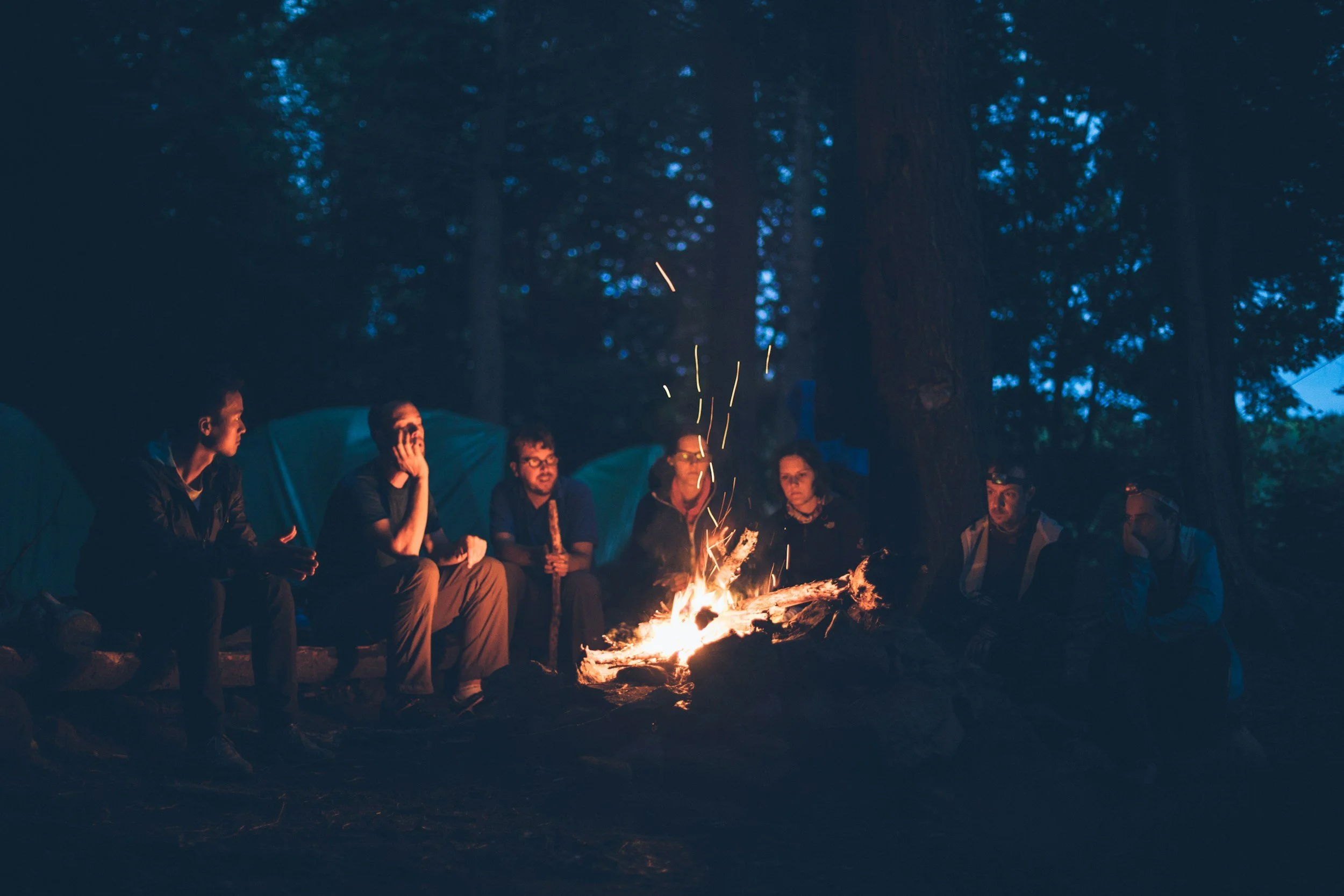
Photo by Mike Erskine on Unsplash
Some words carry an entire way of life within them. The Norwegian word koselig is one of them.
It is often translated as "cozy," but that simple definition only captures part of its meaning. Koselig describes the feeling of comfort, warmth, hospitality, and connection that comes from spending time with people you enjoy or finding contentment in familiar surroundings. It can describe a room, a conversation, a family gathering, or even an afternoon spent outdoors.
In Norway, koselig is woven into everyday life. Friends meet for coffee, families light candles during long winter evenings, and cabins become gathering places where conversation matters more than schedules. The word appears throughout the year, although it is perhaps most closely associated with autumn and winter, when shorter days encourage people to spend more time together indoors.
The word itself comes from the Norwegian kos, which refers to comfort, pleasure, or enjoying oneself. Over time, koselig grew into an expression that captures an atmosphere as much as an emotion. A beautifully decorated room may look inviting, but Norwegians are just as likely to describe an evening with friends, a crackling fireplace, or a snowy walk through the forest as koselig. The surroundings matter, but the people and the feeling matter even more.
Readers familiar with the Danish word hygge may notice some similarities. Both hygge and koselig describe the pleasure of creating warmth, comfort, and connection, especially during the colder months. While the ideas overlap, they come from different cultural traditions. Koselig is a distinctly Norwegian way of describing moments, places, and experiences that feel welcoming, enjoyable, and full of companionship.
Bringing Koselig Across the Atlantic
When Norwegian immigrants crossed the Atlantic during the late nineteenth and early twentieth centuries, they left behind familiar mountains, fjords, villages, and family traditions. They arrived on the Canadian Prairies with hopes for land, opportunity, and a better future, carrying with them customs that helped transform unfamiliar places into homes.
Imagine, for a moment, a Norwegian family arriving in Manitoba in 1902. This scene is fictional, but it reflects the experiences many newcomers shared.
Their first house is modest. The furniture is simple, and the walls offer little protection from the prairie wind. As evening settles in, supper simmers on the stove while children play nearby. A kettle whistles. Someone lights an oil lamp, and conversation fills the room as the family reflects on the day's work and the challenges still ahead. Outside, the landscape feels unfamiliar. Inside, the house begins to feel like home.
Creating that sense of belonging mattered just as much as building fences or planting crops. Familiar routines, shared meals, songs, stories, and visits with neighbours helped many immigrant families establish roots in an entirely new country. The surroundings had changed, but the desire to create welcoming spaces remained.
Every family's experience was different. Some held tightly to Norwegian traditions, while others blended customs from many cultures as communities grew across the Prairies. Even so, the spirit of koselig found a natural place in daily life, where hospitality and companionship helped people face both hardship and celebration.
Prairie Hospitality Across Many Cultures
The Canadian Prairies have always been shaped by people from many backgrounds. Ukrainians, Germans, Icelanders, Swedes, Danes, Scots, English families, and many others built communities alongside Indigenous peoples, whose traditions of gathering and caring for one another stretch back countless generations.
Although each culture brought its own customs, many shared a common understanding of hospitality. Long winters and isolated farms encouraged neighbours to depend on one another. A visit often included fresh baking, a pot of coffee, and conversation around the kitchen table. Church suppers, quilting bees, curling bonspiels, harvest celebrations, and community dances gave people opportunities to gather throughout the year.
These traditions created more than entertainment. They strengthened friendships, welcomed newcomers, and reminded people that no one had to face prairie life alone.
Looking back, it is easy to recognize similarities with the Norwegian idea of koselig. Prairie communities were not consciously following a Norwegian tradition, but they understood the value of creating places where people felt comfortable, appreciated, and connected.
Has Koselig Changed?
Life on the Prairies has changed dramatically over the past century.
Families are often busier than previous generations, communities have grown, and technology has transformed the way we spend our evenings. Time once devoted to visiting neighbours may now compete with work, sports, social media, and streaming services.
Even so, the spirit of koselig continues to appear in familiar ways.
Friends still gather around backyard fire pits on summer evenings. Families spend weekends at lakeside cabins or around campground campfires. Fresh baking still appears at community fundraisers, church events, and holiday gatherings. Coffee remains an invitation to slow down and spend time together, whether around a farmhouse table or in a neighbourhood café.
The details may have changed, but the desire to create welcoming spaces has remained remarkably consistent.
Bringing Koselig Home
You do not need Norwegian ancestry to appreciate koselig.
For those of us living on the Canadian Prairies, the idea often feels surprisingly familiar. It may be found in inviting neighbours over without waiting for a special occasion, sharing hot chocolate or homemade soup after shovelling snow, gathering around a campfire at the lake, or sitting with family as the first snowfall of the season blankets the fields outside.
Perhaps the greatest lesson koselig offers is that meaningful moments rarely depend on expensive surroundings or elaborate plans. They grow from generosity, hospitality, and the simple pleasure of spending time together.
That idea travelled across the Atlantic with Norwegian immigrants, but it also found a home wherever people opened their doors, put on a pot of coffee, and welcomed others inside. More than a century later, koselig continues to offer a wonderful way to understand Norwegian culture while celebrating traditions that remain part of life on the Canadian Prairies.
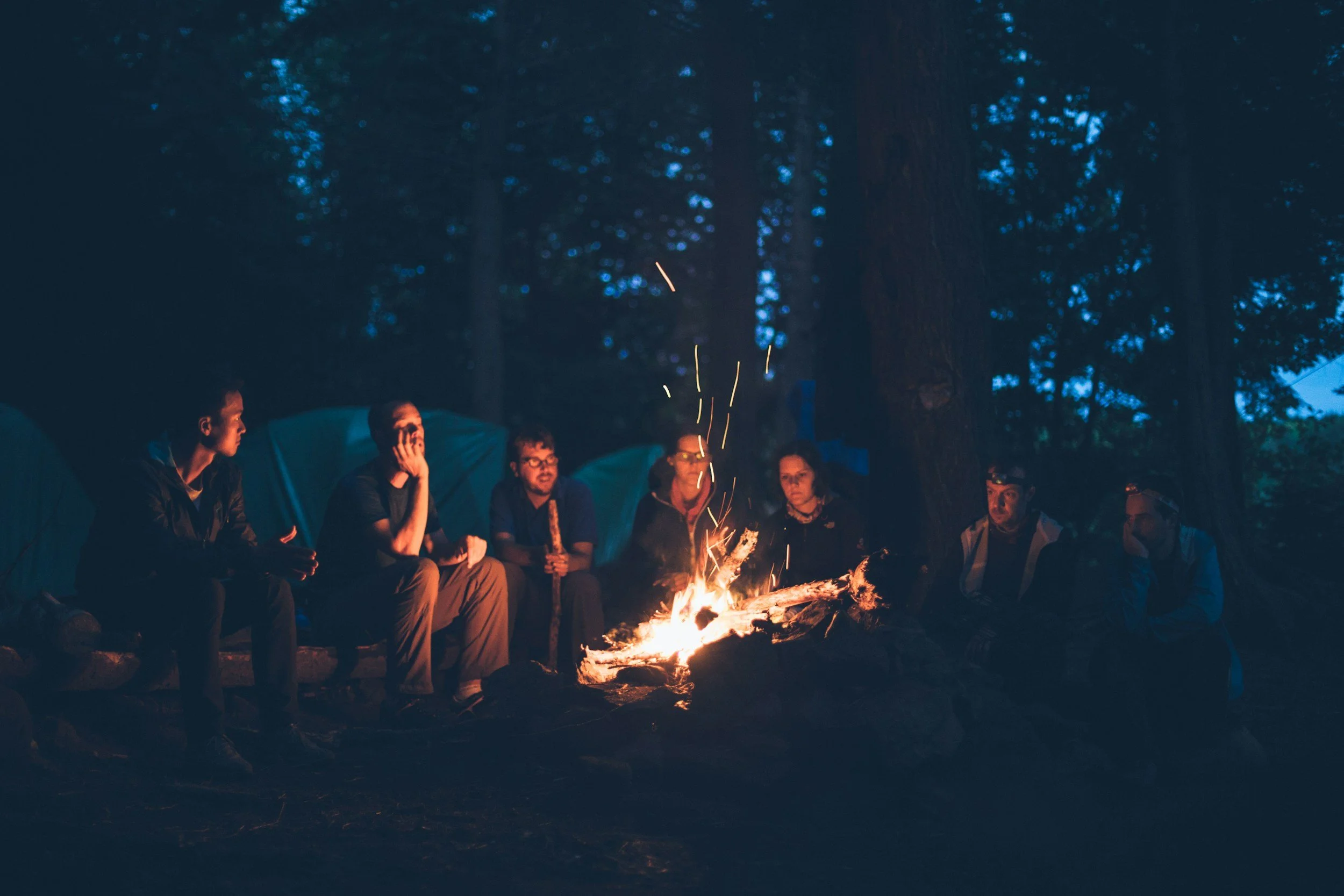




The beams are too heavy for one family to lift. The roof cannot be finished before winter comes. Livestock will need shelter before the snow arrives. Waiting until enough money has been saved to hire workers means it might never be finished.