Friluftsliv: The Norwegian Idea of Belonging to the Land on the Canadian Prairies
Language: Norwegian
FREE-loofts-leev
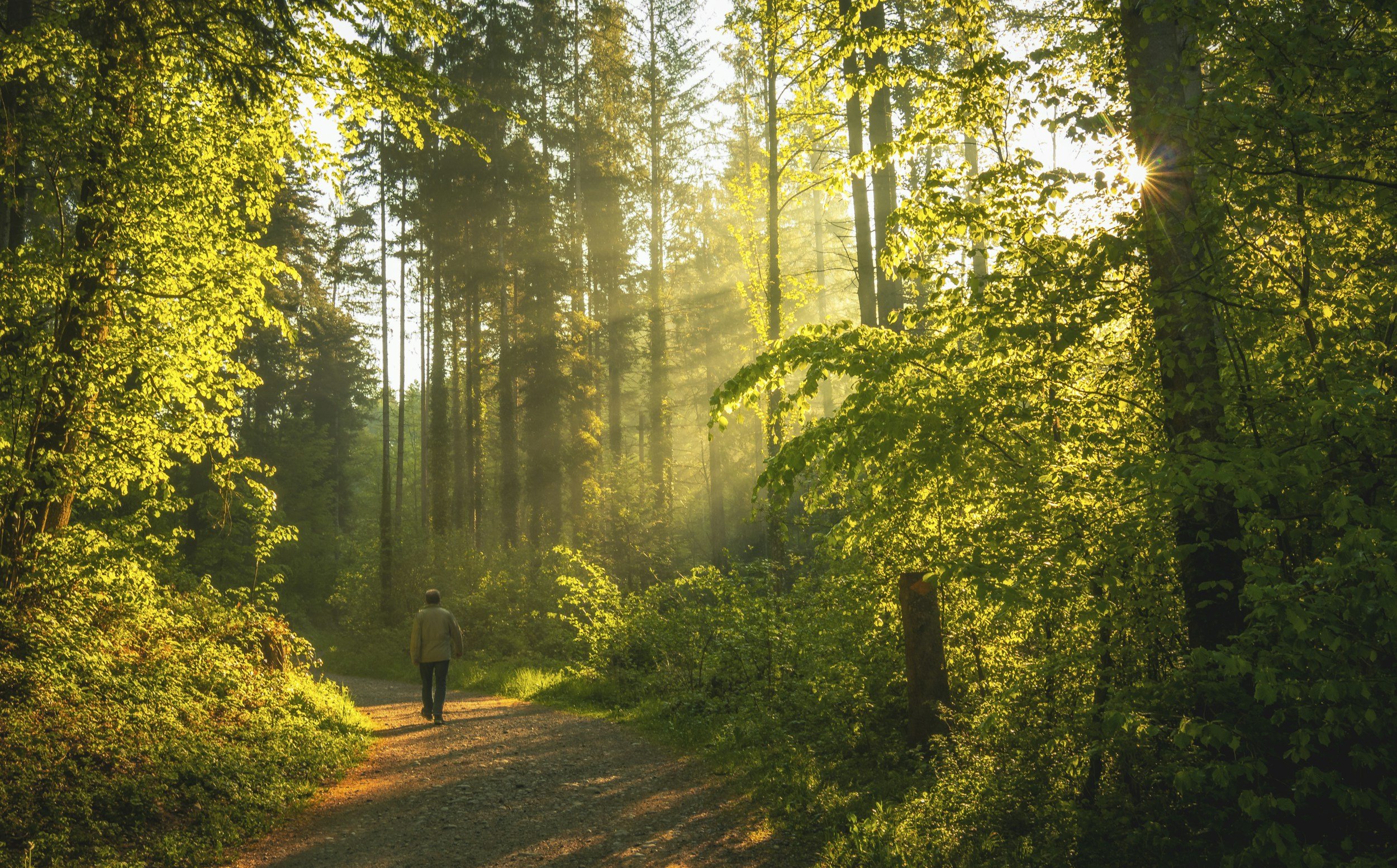
Some places become home the day you arrive. Others take time.
The Norwegian word friluftsliv is often translated as "open-air life" or "life in the outdoors," but those definitions only tell part of the story. Friluftsliv reflects a way of living that encourages people to spend time in nature as part of everyday life. It grows from the belief that the natural world is not separate from us, but something we experience, learn from, and return to throughout the year.
For many Norwegians, friluftsliv does not require climbing mountains or embarking on ambitious adventures. A walk through the forest, an afternoon beside a lake, picking berries with family, or skiing after the first snowfall all reflect the same idea. Time outdoors becomes woven into daily life, creating a lasting connection with the landscape.
The term became widely known during the nineteenth century after Norwegian playwright and poet Henrik Ibsen used it in his 1859 poem På Vidderne ("On the Heights"). Since then, friluftsliv has become closely associated with Norwegian culture and a lifelong appreciation for the outdoors.
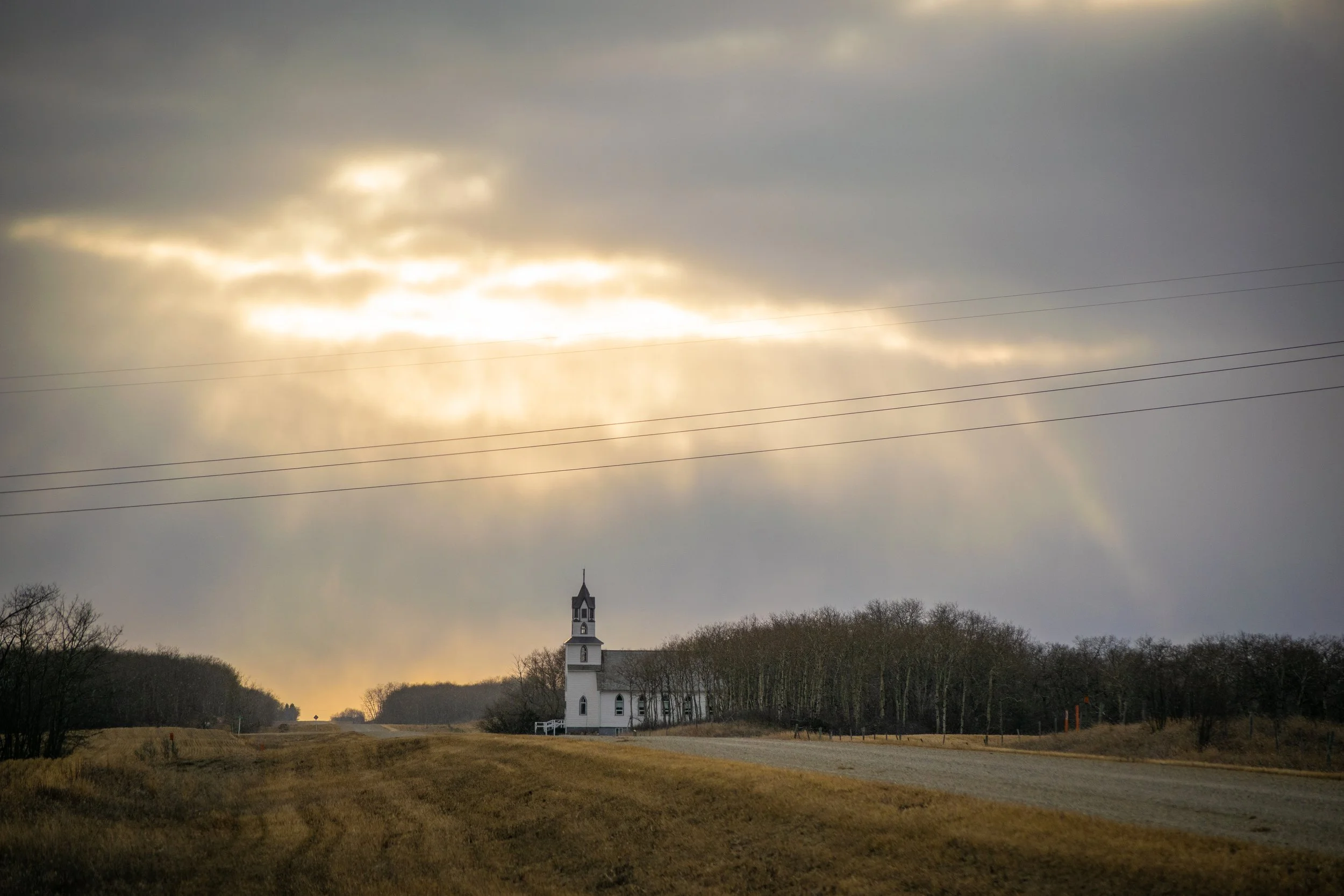
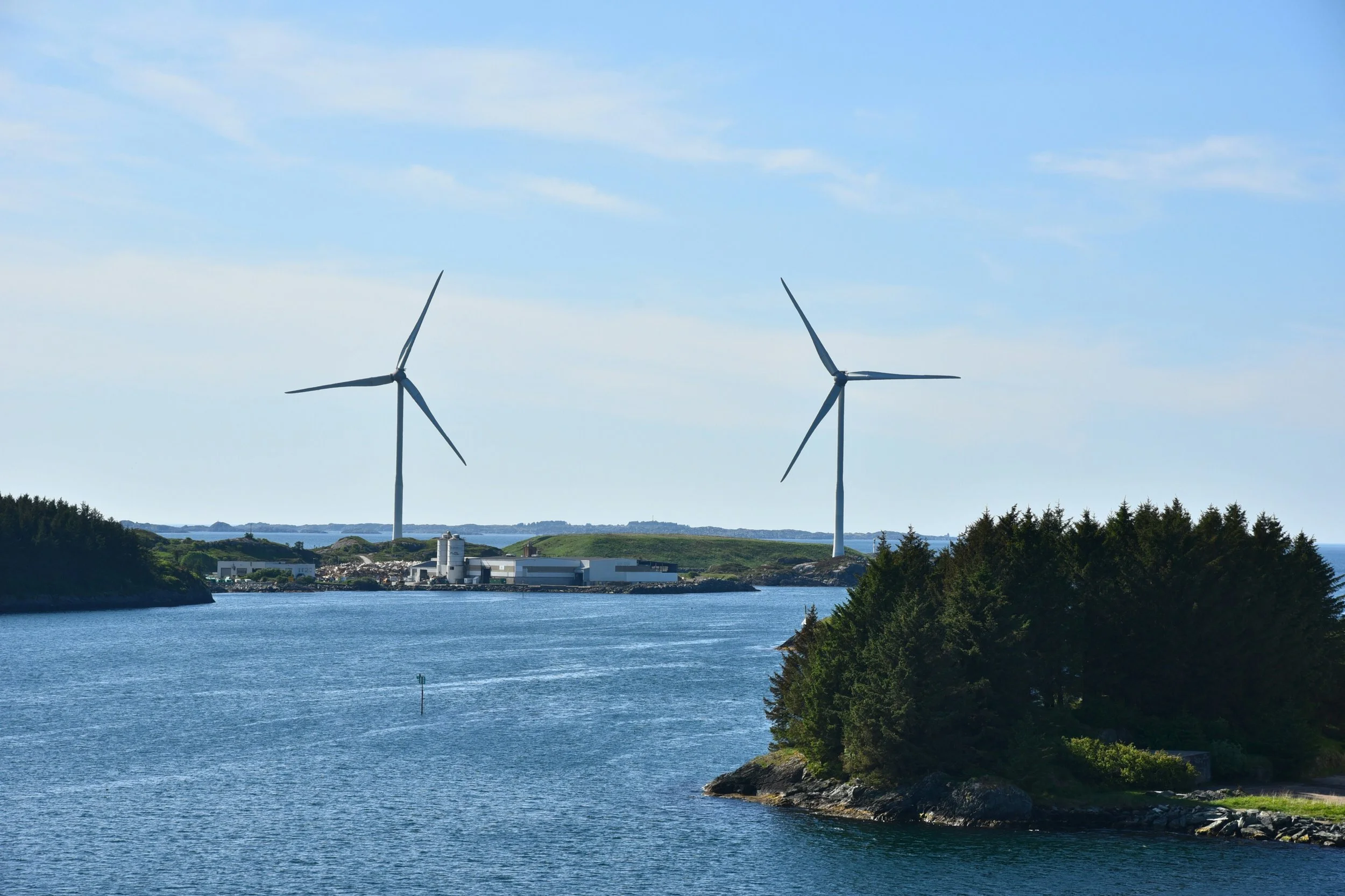
Although Norway and the Canadian Prairies look very different, they share one important characteristic. The landscape has a powerful influence on the people who live there. Mountains and fjords shaped life in Norway. Open skies, grasslands, forests, rivers, and changing seasons have shaped life on the Prairies. In both places, paying attention to the land has always mattered.
Leaving One Landscape Behind
When Norwegian immigrants crossed the Atlantic during the late nineteenth and early twentieth centuries, they left behind more than family homes and familiar communities. They also left behind landscapes they had known since childhood.
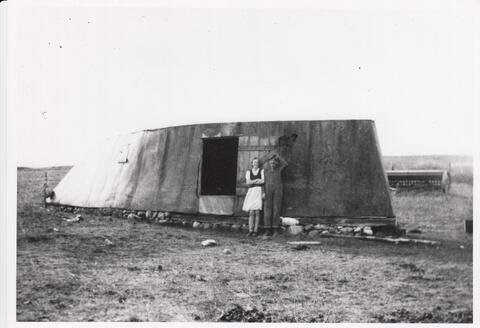
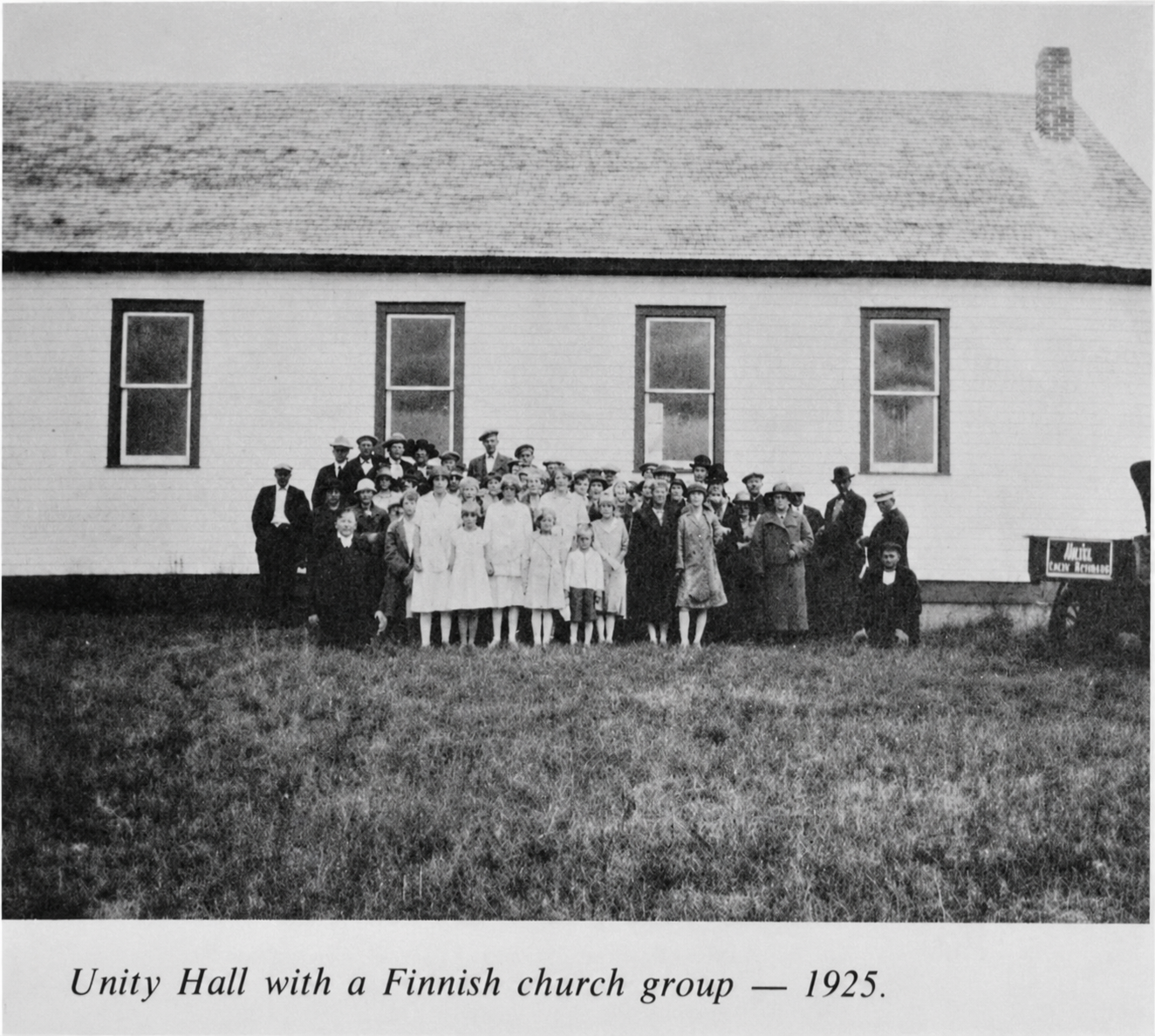
Imagine, for a moment, a Norwegian family arriving in Saskatchewan in 1904.
One evening, after a long day of building their homestead, the father walks beyond the edge of the farmyard. Before him stretches a landscape unlike any he has ever known. There are no towering mountains or narrow fjords. The horizon seems endless. The wind moves through the grasses with a sound he has never heard before. Even the birds are unfamiliar.
At first, the Prairies feel overwhelming.
As the months pass, small details begin to stand out. He learns where the first wildflowers bloom in spring. He notices the return of migrating geese. He discovers patches of saskatoon berries growing along a nearby coulee. He watches thunderstorms build for miles before they arrive. Slowly, the landscape becomes less mysterious.
Without realizing it, he has begun to feel at home.
Like millions of immigrants, Norwegian settlers came to Canada seeking opportunity and a better future. Building a successful farm required determination and hard work, but it also required learning the land itself. Every season offered new lessons, and every year brought greater familiarity with the place they now called home.
Learning the Prairie
The Prairies reward people who pay attention.
Long before European settlement, Indigenous peoples developed generations of knowledge about the land, understanding its plants, animals, waterways, and seasonal rhythms. Their relationships with the natural world continue to shape these places.
Later settlers from many backgrounds also developed their own understanding of the Prairies. Years of living and working on the land taught them when weather was about to change, where wildlife could be found, and how the seasons transformed familiar places. Children explored sloughs and creek banks, searched for berry patches, and eagerly watched for the first crocuses to emerge each spring. Over time, the landscape became something they knew as well as any map.
Looking back, it is easy to recognize similarities with the Norwegian idea of friluftsliv. Prairie families were not consciously following a Norwegian tradition, but many developed the same habit of becoming familiar with the land because daily life encouraged it.
Do We Still Know the Land Around Us?
Life on the Prairies has changed dramatically over the past century. Many people now spend their days indoors, moving between homes, offices, schools, and stores. Technology has transformed the way we work and communicate, while busy schedules often leave little time to wander without a destination. Even so, opportunities to reconnect with the landscape remain all around us.
A walk through a local park, an evening watching the sunset across an open field, a weekend at a prairie lake, or a hike through the river valley all offer chances to notice the places that surround us every day. The changing colours of autumn, the return of songbirds in spring, and the first snowfall of winter continue to mark the passing seasons just as they did for generations before us.
Perhaps friluftsliv invites us to ask a simple question: How well do we know the place we call home?
Bringing Friluftsliv Home
You do not need to live in Norway to appreciate friluftsliv.
For those of us on the Prairies, the idea may already feel surprisingly familiar. It can be found in watching storms gather on the horizon long before they arrive, celebrating the first signs of spring after a long winter, noticing when the lilacs bloom and knowing the peonies will soon follow. It lives in summer evenings spent picking saskatoons or gathering crabapples, and in paying attention to the small seasonal shifts that tell us the landscape is changing once again.
The greatest lesson friluftsliv offers may be that belonging develops over time. It grows through familiarity, curiosity, and a willingness to experience the outdoors in every season.
Norwegian immigrants eventually came to know the Canadian Prairies not because the landscape became more like the one they had left behind, but because they learned to understand it on its own terms. More than a century later, friluftsliv continues to remind us that one of the best ways to feel at home is to step outside and become acquainted with the land beneath our feet.