
Talkoot: The Finnish Tradition of Community Work
Language: Finnish
TAL-koht
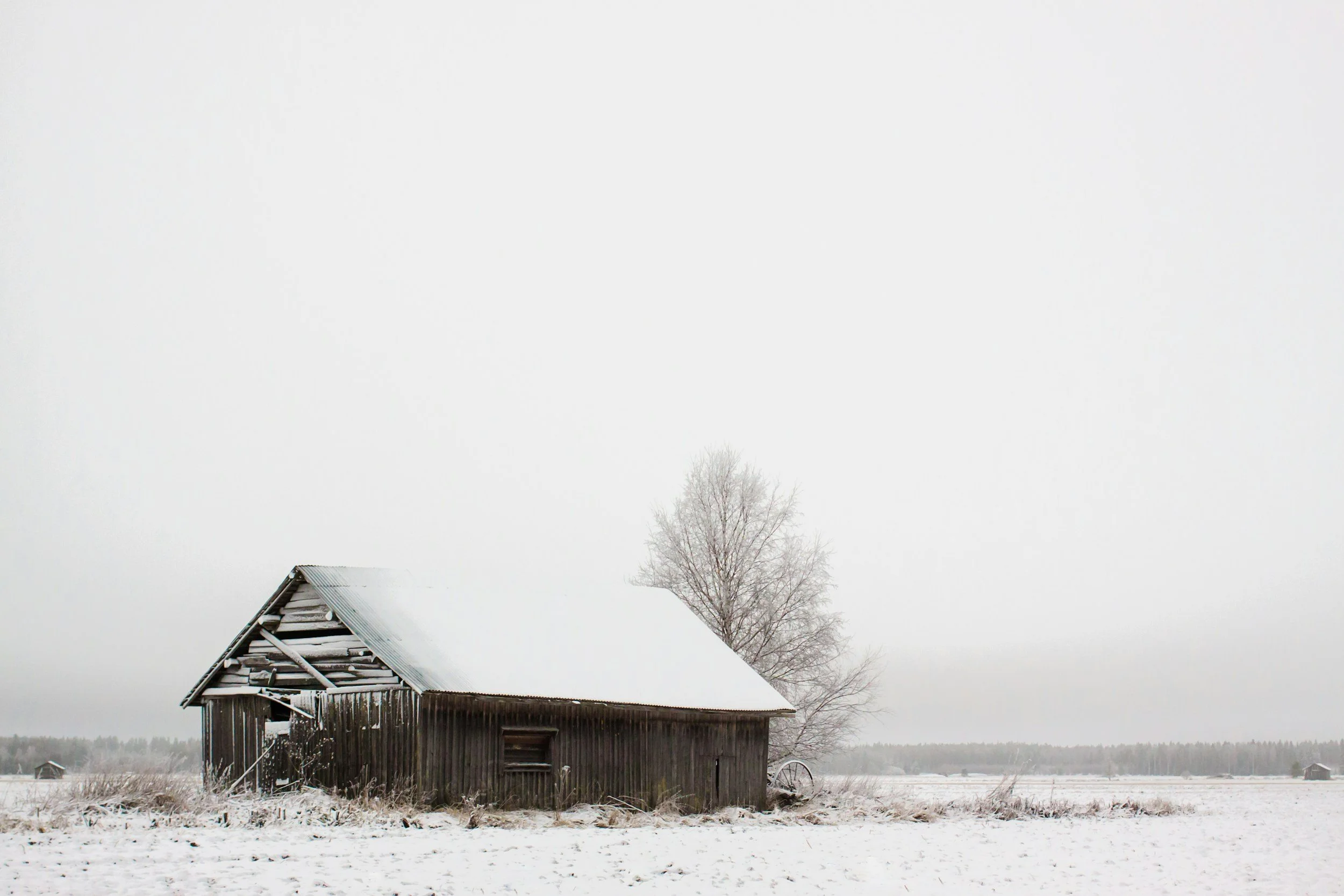
How do you build a barn when no one can afford to hire a crew?
The beams are too heavy for one family to lift. The roof cannot be finished before winter comes. Livestock will need shelter before the snow arrives. Waiting until enough money has been saved to hire workers means it might never be finished.
Then, neighbours begin to arrive bringing axes and crosscut saws. Others arrive with horses, wagons, or tools borrowed from nearby farms. Someone puts coffee on to boil while another family carries food into the house. Children run between piles of timber until they are old enough to help. By the end of the day, the walls are standing, the roof is framed, or the harvest has been gathered.
In Finland, this kind of shared work is known as talkoot.
The word refers to voluntary community labour organized to complete a task that would be difficult for one household alone. The work may involve building, harvesting, clearing land, repairing a road, or preparing a community hall for an event. Those who help are not paid. Instead, the understanding is simple: when your turn comes, your neighbours will be there for you as well.
Rural Finland
Much of Finland remained rural well into the twentieth century. Families depended on agriculture, forestry, and seasonal work, often living some distance from one another. Daily tasks could usually be managed within a household, but certain jobs demanded more hands than were available.
Certain jobs demanded more people than one household could provide. Raising a barn, bringing in the hay before rain arrived, cutting and stacking a winter's supply of firewood, or repairing a damaged roof all depended on neighbours willing to lend a hand.
Talkoot provided a practical way to organize that work.
A family might host a talkoot one season and spend the next helping neighbours with their projects. The exchange was measured less in hours than in goodwill. Everyone understood that there would eventually be another barn to build, another field to harvest, or another roof needing repair.
A Day of Talkoot
Each job determined the day with neighbours often arriving their own tools in hand. They worked until the task was complete. Meals were prepared by the host family or shared among those taking part. Coffee breaks punctuated the work, offering a chance to exchange news before everyone returned to the job at hand.
Children watched, played, or gradually joined the work as they grew older. Younger adults met people from neighbouring farms. Older residents passed along practical knowledge about building, farming, and local conditions. Someone needing advice about a fence, a horse, or a new field rarely had to ask twice when so many experienced neighbours were gathered in one place.
By evening, the work was finished — at least for the day, if not fully complete. Tools were loaded back onto wagons, leftovers were packed away, and families returned home.
Talkoot in Alberta
When Finnish immigrants settled in Canada, they brought this practice with them.
Across central Alberta, families clearing bush faced many of the same challenges they had known in Finland. Trees had to be cut before fields could be planted. Homes, barns, sheds, and fences required timber and labour. Community halls did not appear on their own.
Talkoot became one way of meeting those demands.
Neighbours gathered to pull stumps, raise buildings, harvest crops, prepare firewood, and complete other jobs that stretched beyond the capacity of a single household. The work itself looked much like similar efforts found across many rural communities on the Canadian Prairies. What Finnish families carried with them was the word, the expectation of reciprocal help, and a familiar way of organizing it.
Community halls often reflected the same approach. Families contributed labour, timber, meals, or equipment until the building was ready for dances, meetings, celebrations, and local events. Once completed, those halls became places where future talkoot could be organized.
Community Through Work
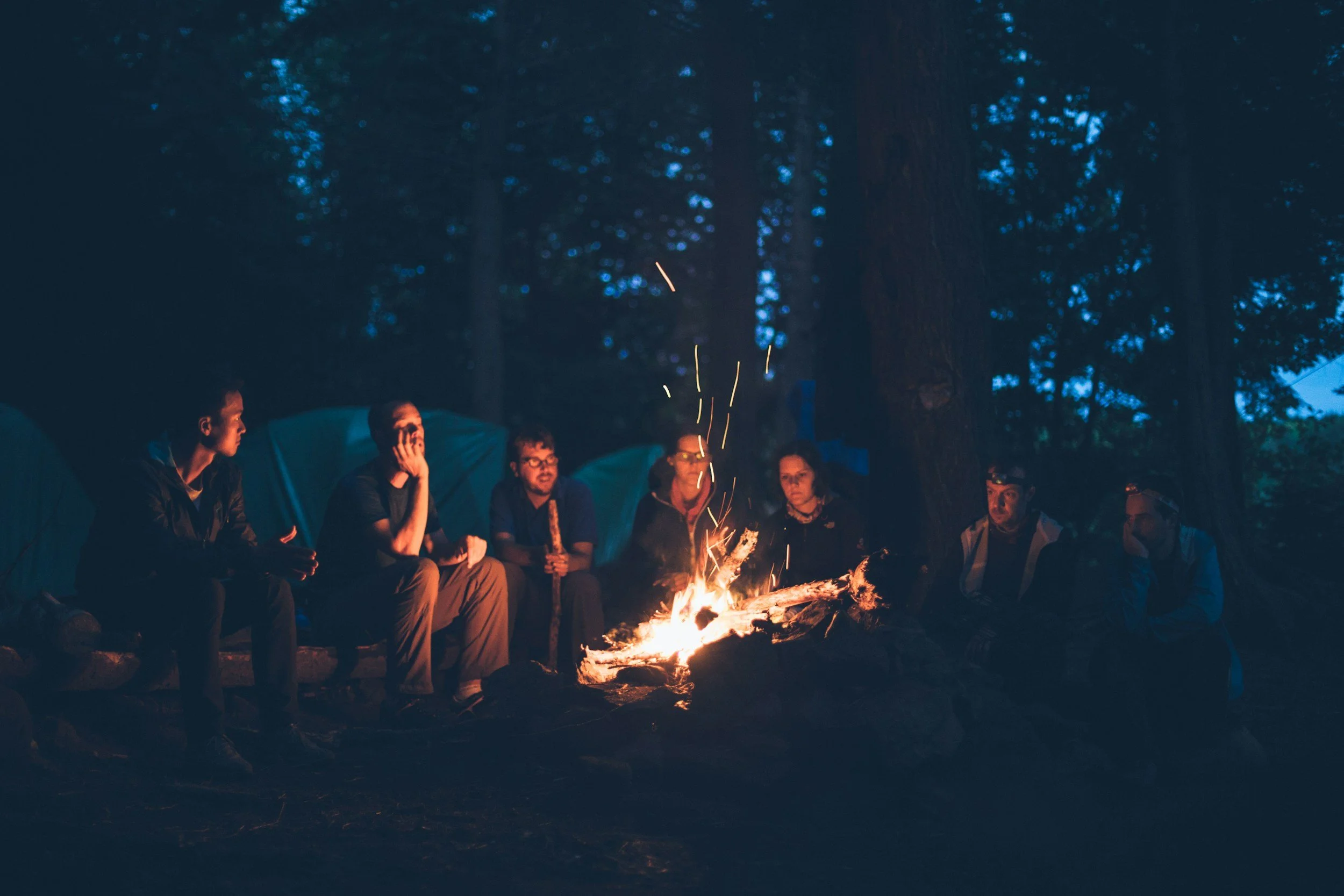
Talkoot brought neighbours together at a time when farms were separated by long distances and daily life offered few opportunities to gather. News travelled while people worked. Friendships developed between families who might otherwise meet only occasionally. Children grew up knowing one another through repeated days spent helping on different farms.
The work created the gathering rather than the other way around.
That practical foundation helps explain why the tradition endured after Finnish families settled in Alberta. Clearing bush, building farms, and establishing new communities required cooperation long before specialized equipment or hired crews became common.
Talkoot Today
The word talkoot remains widely used in Finland, although the work itself has changed with modern life. Volunteer groups organize talkoot to maintain parks, restore historic buildings, clean shorelines, prepare community events, or improve shared public spaces.
On the Canadian Prairies, the Finnish word may be less familiar, but the idea still appears in many forms. Volunteers prepare community halls for local celebrations, neighbours help repair fences after storms, families gather to move a friend into a new home, and residents spend weekends improving parks, trails, or community gardens.
The circumstances are different, but the question remains much the same.
What happens when a community treats someone else's work as everyone's responsibility?
Maybe a barn gets built.



The beams are too heavy for one family to lift. The roof cannot be finished before winter comes. Livestock will need shelter before the snow arrives. Waiting until enough money has been saved to hire workers means it might never be finished.