
What Is the Significance of Harvest in Culture?
Why the harvest becomes a cultural turning point in food systems shaped by seasonal cycles
Welcome to Nordic Prairie Life!
This specific article covers general harvest history, but our regular focus is looking at Canadian prairie culture and history through a Scandinavian lens. You can read our full collection of regional stories, heritage articles, and seasonal reflections here.
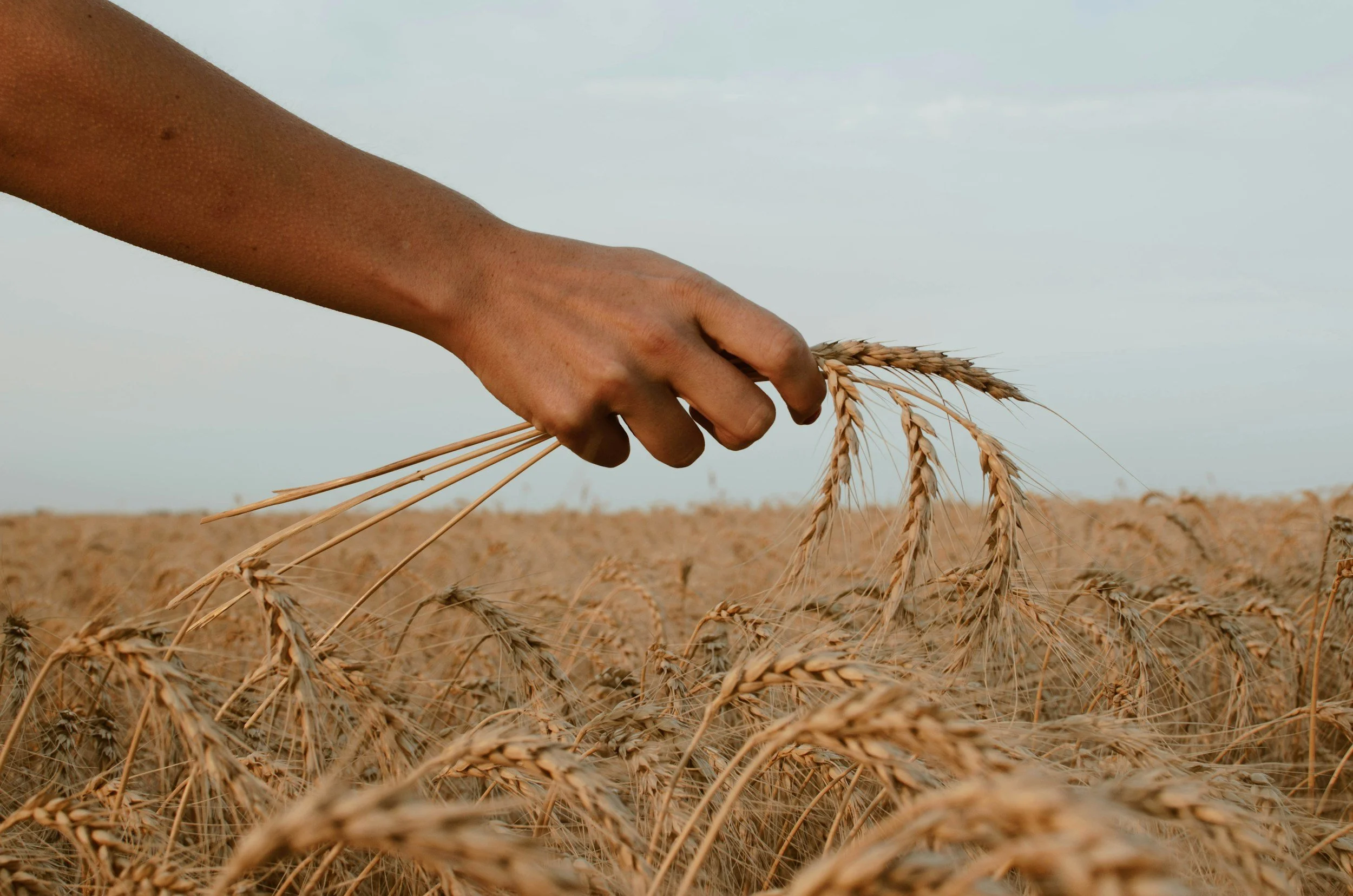
People do not usually ask about harvest because they are interested in farming itself. The question tends to appear when something else becomes noticeable: that across cultures and time periods, the act of gathering crops repeatedly shows up as something more than agricultural work. It becomes ceremony, festival, ritual, or shared seasonal moment.
That raises a simple question.
Why does harvest, a practical stage in food production, so often become cultural?
Harvest becomes culturally significant because it is the point in the food system where work, land, and time converge into a single outcome. It is the moment when planting and tending stop being ongoing effort and become something visible and measurable: gathered food.
Across agrarian societies shaped by seasonal cycles, the year is organised around this kind of convergence. Labour is spread across months, but its result is not evenly visible. It accumulates slowly through planting, maintenance, and weather-dependent growth. Harvest is where that dispersed effort becomes concrete. It is one of the only points in the agricultural year where the condition of survival can be seen all at once.
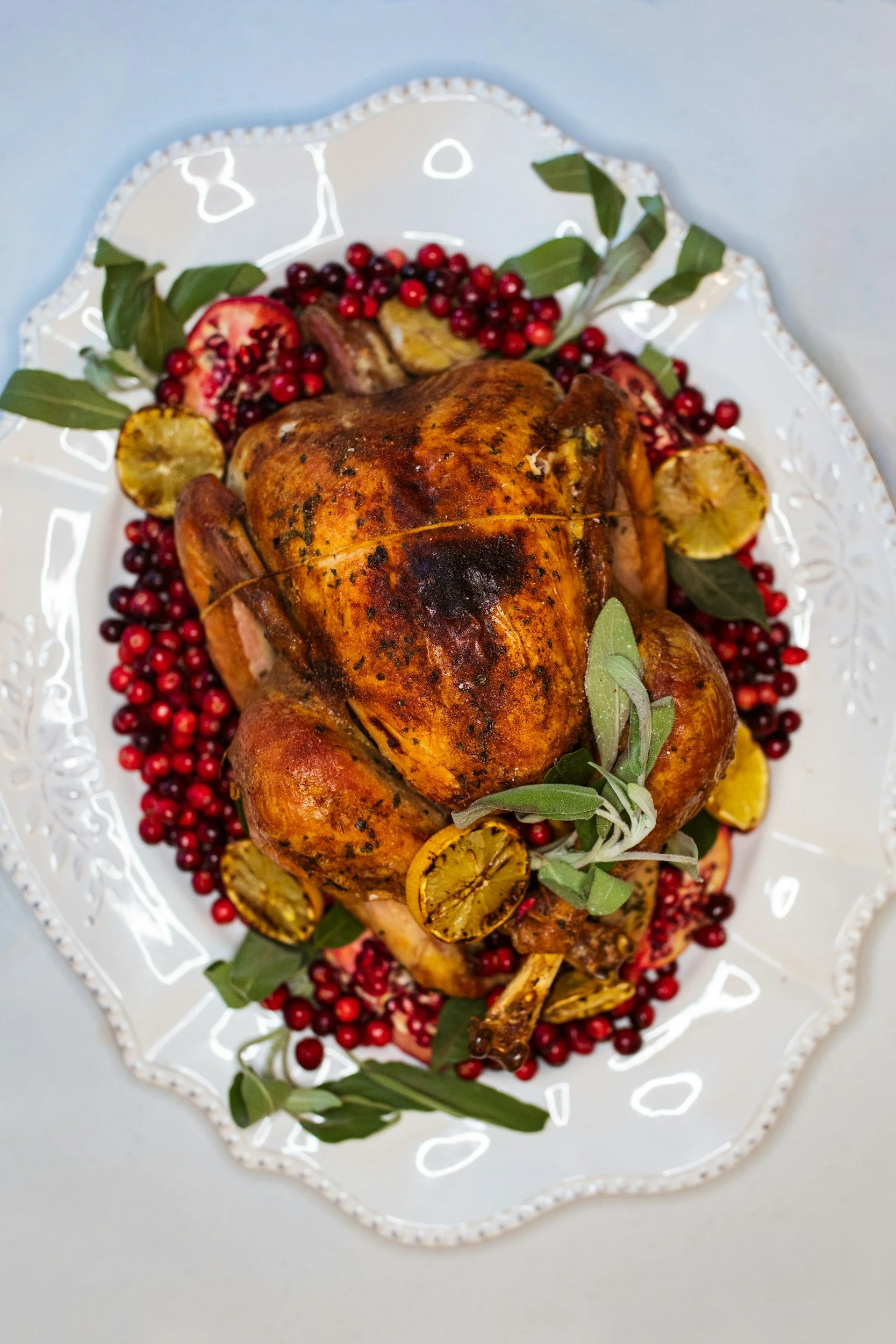
Turkey dinner is often include in harvest festivals in North America. Including Thanksgiving in Canada.
That visibility is part of what gives harvest its cultural weight. It is not only the completion of work, but a form of collective reading of the year. What has succeeded, what has failed, and what the coming season will require all become clearer at the moment crops are gathered. In this sense, harvest functions as both outcome and assessment.
It also concentrates cooperation. Food production in seasonal systems depends on shared timing and coordinated labour. Even when individual households manage their own fields, the rhythm of work is still shaped by common seasonal conditions. When harvest arrives, that distributed effort becomes unified in result. The gathering of food creates a natural point where shared labour becomes shared recognition.
From there, cultural practices form without needing to be added externally. Once a community reaches a moment where survival is materially visible, it becomes natural to mark it. Some traditions frame this through religious interpretation, where abundance is understood in relation to forces beyond human control. Others express it through communal meals, seasonal gatherings, or public festivals centred on food itself. The forms differ, but they emerge from the same underlying condition: a collective outcome tied directly to seasonal effort.
Harvest also marks a structural transition in the food year. Once crops are gathered, the focus shifts from growth to storage, preservation, and preparation for the months ahead. In societies shaped by seasonal dependence, this is not symbolic. It is practical continuity. The harvest determines how the future will be lived, because it defines what resources are available and how long they must last.
Even in modern contexts where most people are no longer directly involved in agriculture, the structure remains present. Seasonal food traditions, markets, and cultural festivals continue to follow the same pattern of accumulation and recognition. The agricultural system has changed, but the cultural rhythm has not disappeared. The moment of gathering and acknowledging abundance still appears in adapted forms.

Whether it was Sunday or a special occasion, roast beef is a classic on the Canadian prairies. For my dad’s rump roast recipe, click here.
The significance of harvest in culture, then, is not an added layer placed on top of agriculture. It emerges from the structure of food systems themselves. Where seasonal labour produces a single visible outcome, that outcome becomes a point of collective attention. From that attention, cultural meaning develops—first as recognition, then as practice, and eventually as tradition.
Harvest carries meaning across cultures because it is one of the few recurring moments where effort becomes outcome in a way that is visible to everyone at once. That makes it more than a stage in food production. It becomes a shared reference point for understanding time, work, and survival.
This idea sits within the broader history of seasonal food traditions and agricultural meaning explored in The History and Evolution of Harvest Celebrations.
Harvest takes different forms across cultures depending on environment, social organisation, and food systems. This variation is explored in Why do different cultures celebrate harvest differently?
Further Reading
Sidney W. Mintz — Sweetness and Power: The Place of Sugar in Modern History (1985)
Jack Goody — Cooking, Cuisine and Class (1982)
Marvin Harris — Good to Eat: Riddles of Food and Culture (1985)
Tim Ingold — The Perception of the Environment (2000)
Carole Counihan & Penny Van Esterik (eds.) — Food and Culture: A Reader (various editions, first 1997)
Harold McGee — On Food and Cooking: The Science and Lore of the Kitchen (1984, updated editions)
Rachel Laudan — Cuisine and Empire: Cooking in World History (2013)
Warren Belasco — Meals to Come: A History of the Future of Food (2006)



Praesent id libero id metus varius consectetur ac eget diam. Nulla felis nunc, consequat laoreet lacus id.