How Did Harvest Celebrations Begin?
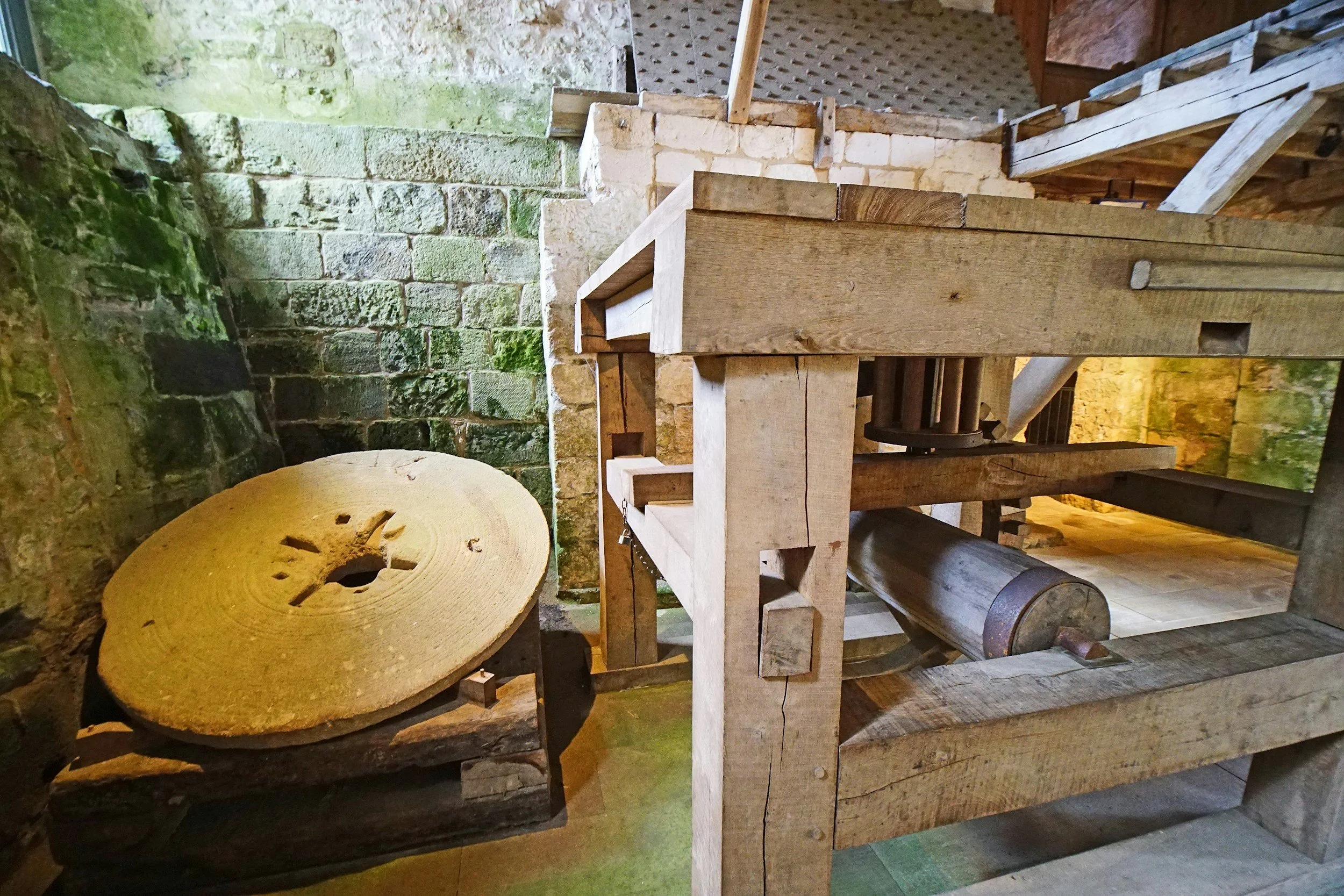
In the earliest agricultural settlements, harvest was not marked as a cultural event in the way it is recognised today. It was a practical moment in a longer cycle of work, when months of labour finally produced something visible: gathered food that could be stored, shared, or lost depending on conditions.
Why Do Different Cultures Celebrate Harvest Differently?
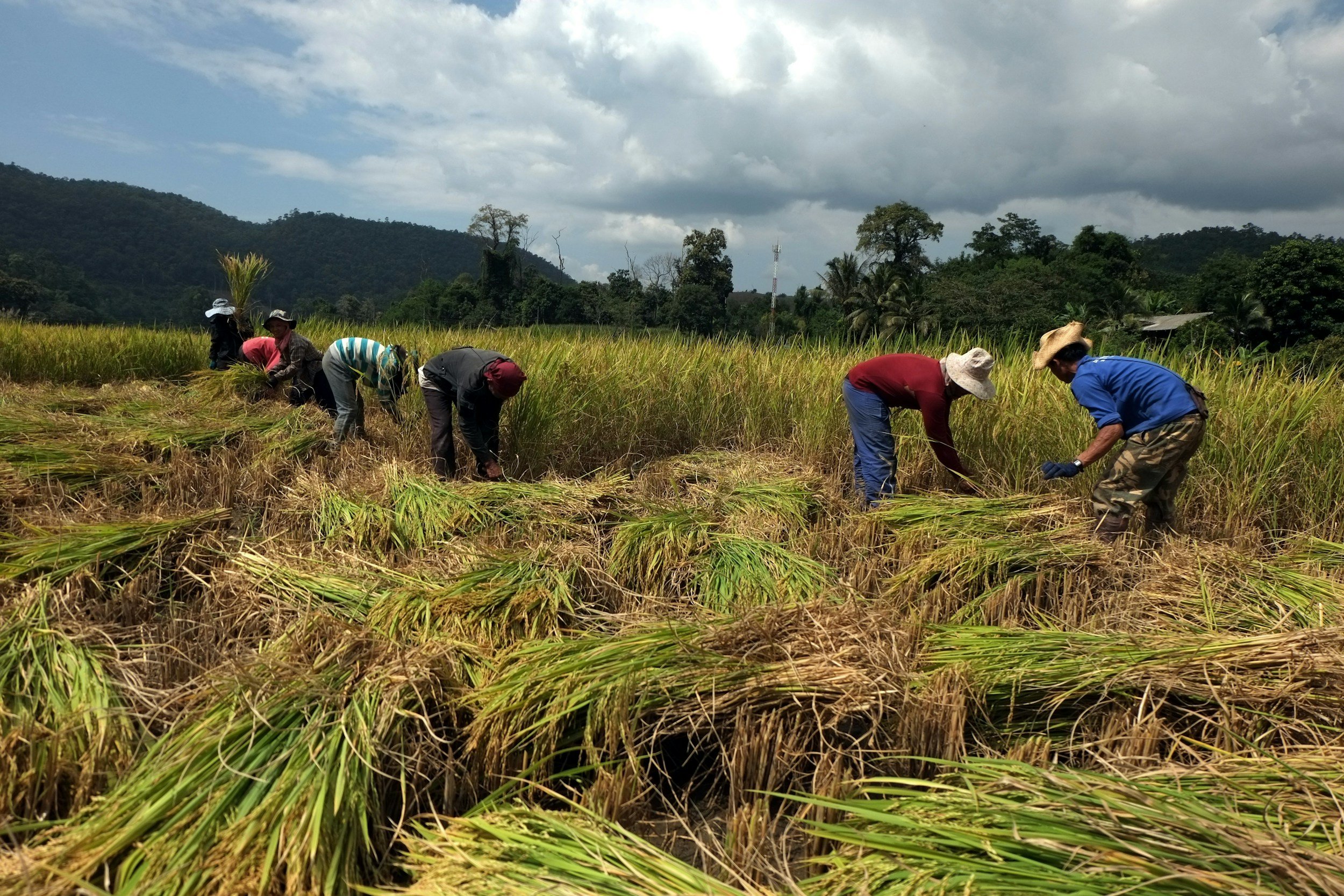
Across the world, harvest appears in many different forms. In some places it is marked with festivals and public gatherings. In others it is expressed through family meals, seasonal foods, or periods of preparation and reflection. The outward expressions vary widely, but they all sit on top of the same agricultural reality: the moment when food is gathered after a season of growth.
What Is the Significance of Harvest in Culture?
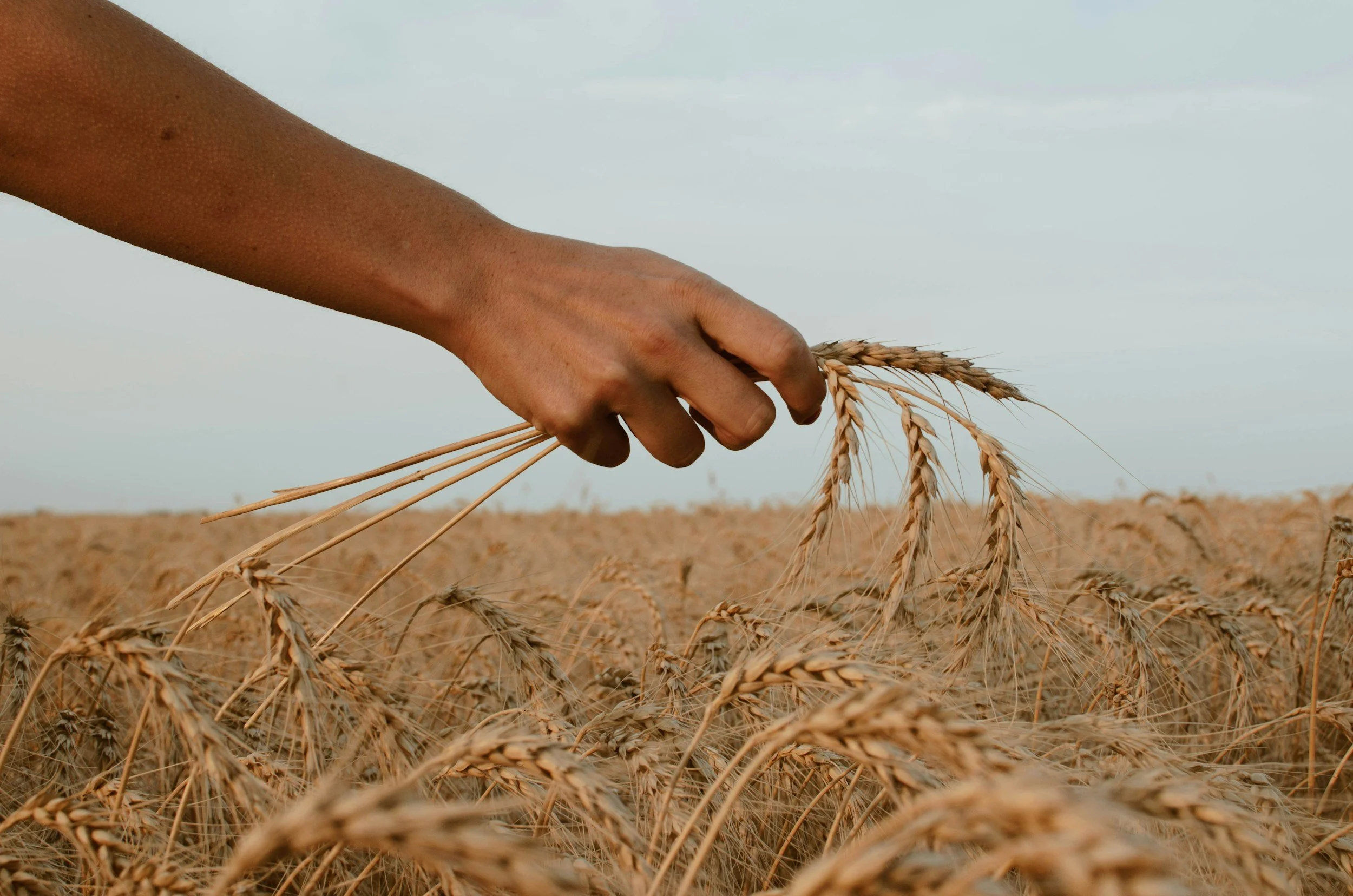
People do not usually ask about harvest because they are interested in farming itself. The question tends to appear when something else becomes noticeable: that across cultures and time periods, the act of gathering crops repeatedly shows up as something more than agricultural work. It becomes ceremony, festival, ritual, or shared seasonal moment.

The History and Evolution of Harvest Celebrations
Across human history, harvest celebrations have marked moments of transition between survival and abundance. They emerge wherever people depend on the land, reflecting a shared recognition of gratitude, preparation, and the fragile balance between human life and seasonal cycles.
Although the forms vary widely across cultures, the meaning remains consistent: harvest is both an ending and a beginning, a time to acknowledge what has been gathered and prepare for what comes next