How Did Harvest Celebrations Begin?
Early Agricultural Societies and Food Traditions
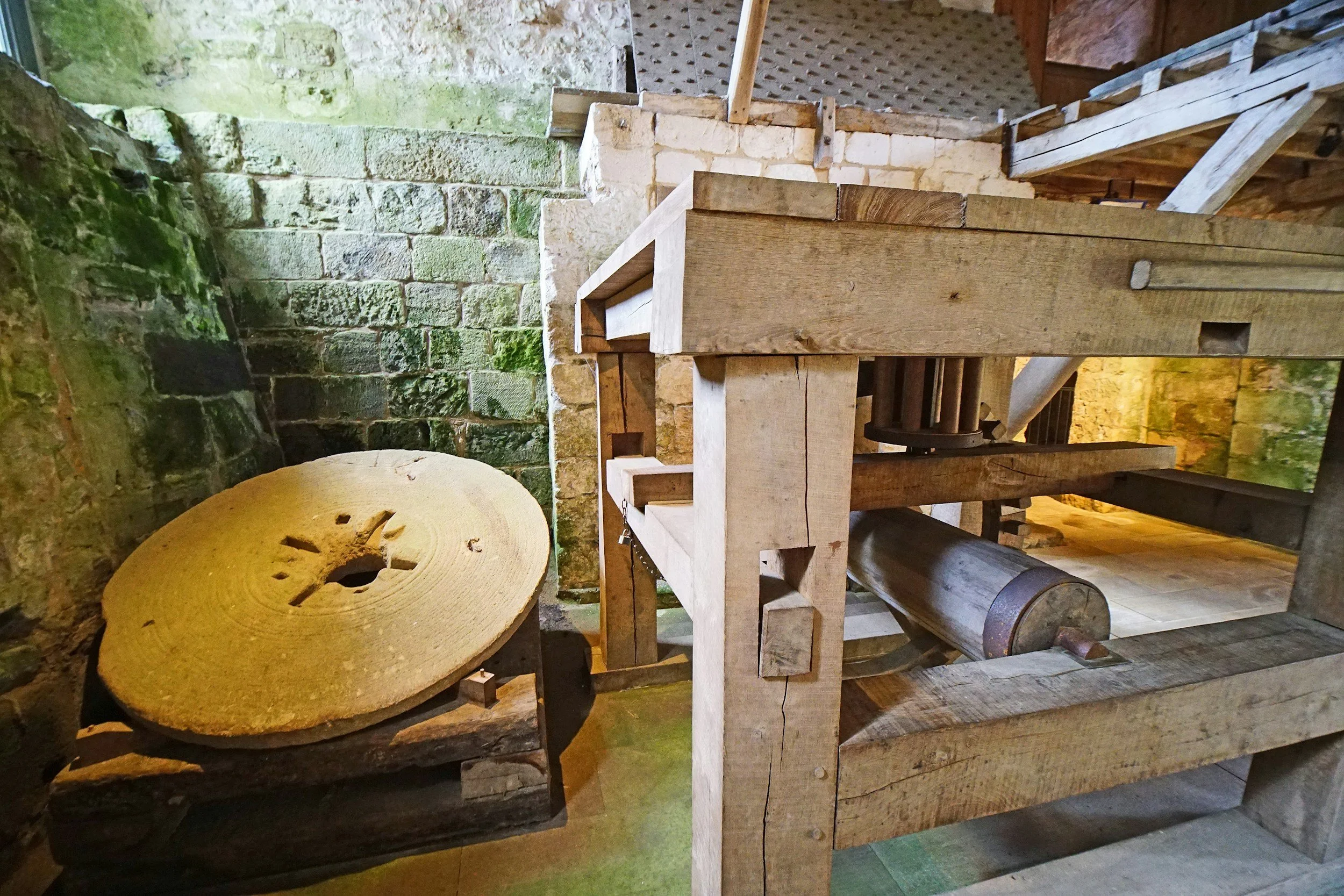
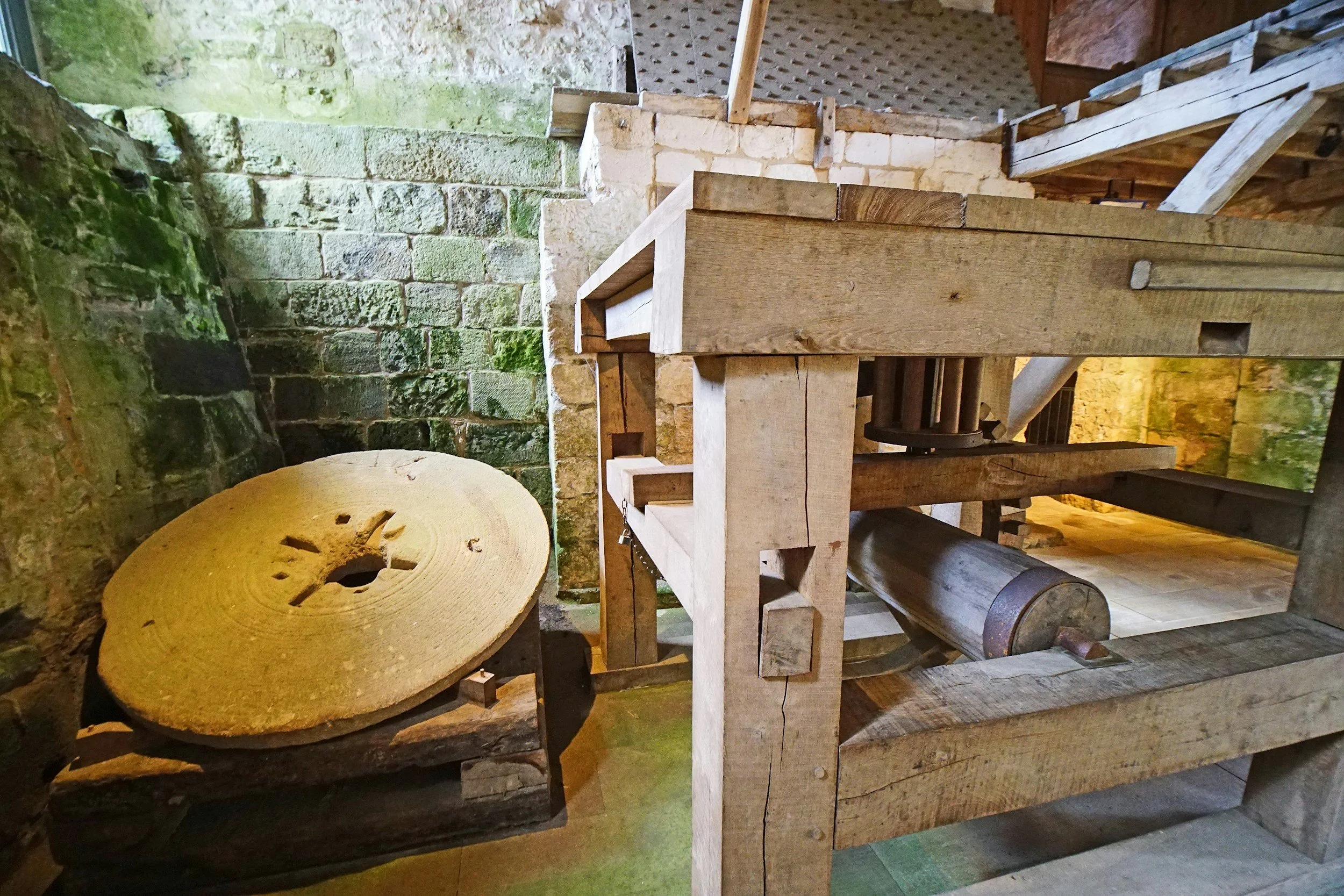
An ancient millstone in Ripon, UK.
In the earliest agricultural settlements, harvest was not marked as a cultural event in the way it is recognised today. It was a practical moment in a longer cycle of work, when months of labour finally produced something visible: gathered food that could be stored, shared, or lost depending on conditions.
That moment carried weight because nothing about it was guaranteed. A season of planting could fail through weather, soil conditions, pests, or timing. When harvest arrived successfully, it represented the first point in the agricultural year where effort became outcome. The result was immediate and material, and it could be measured in grain, fruit, or stored supply.
In regions such as Mesopotamia, this turning point was understood through systems of belief that linked agricultural success to divine order. The Akitu festival marked the renewal of the agricultural year through ritual acts that acknowledged fertility, stability, and continuity. In ancient Egypt, the flooding of the Nile structured the entire farming cycle, and the harvest period was inseparable from the river’s seasonal behaviour. Rituals and offerings reflected dependence on forces that determined whether crops would grow long before they were gathered.
These early practices were not separate from agriculture. They formed inside it. When survival depends on seasonal cycles that cannot be fully controlled, the moment when those cycles produce results becomes a natural point of attention. Harvest is that point. It is where uncertainty resolves into material evidence, and where a community can see the outcome of shared labour at once.
Once that pattern is established, it repeats. Early farming communities in other regions developed their own versions of seasonal recognition tied to staple crops and local environments. Grain, rice, maize, and root crops each created distinct agricultural rhythms, but they all shared the same structure: long periods of distributed labour followed by a concentrated moment of return.
These early patterns help explain why harvest looks different across cultures in Why do different cultures celebrate harvest differently?
That structure shaped how harvest was experienced. It was not only an endpoint in production, but a moment where time itself felt compressed. What had been spread across months became visible in a single outcome. In that shift, harvest naturally became something that could be marked, remembered, or formalised.
Over time, these repeated moments of recognition developed into more stable traditions. What began as immediate responses to agricultural success became seasonal practices that returned each year. Some took the form of ritual offerings. Others became communal meals or gatherings tied to food and season. The forms differed, but the underlying condition remained the same: a shared moment where food production became visible to everyone involved.
The question of harvest celebrations begins here. Why does a practical stage in food production consistently turn into something cultural, even in societies separated by geography, language, and belief?
The way harvest becomes culturally meaningful is explored in What is the significance of harvest in culture?
The answer lies in the structure of agriculture itself. Where labour is continuous but outcomes are concentrated, harvest becomes the only point in the system where the full result of effort is visible at once. That visibility creates recognition. Recognition becomes practice. Practice becomes tradition.
Harvest celebrations begin, then, not as additions to agriculture, but as responses to its structure. They form wherever seasonal food production produces a clear transition between effort and outcome. The cultural forms vary, but the underlying pattern remains consistent: harvest is the moment when a community can see what its year has produced.
This pattern sits within the broader history of seasonal food traditions and agricultural meaning explored in The History and Evolution of Harvest Celebrations.
Further Reading
Sidney W. Mintz — Sweetness and Power: The Place of Sugar in Modern History (1985)
Jack Goody — Cooking, Cuisine and Class (1982)
Carole Counihan & Penny Van Esterik (eds.) — Food and Culture: A Reader (2012)
Marvin Harris — Good to Eat (1985)
Tim Ingold — The Perception of the Environment (2000)
Rachel Laudan — Cuisine and Empire (2013)
Warren Belasco — Meals to Come (2006)