
The Prairies’ Oldest Restaurants
A Guide to Six Cities
Calgary’s King Eddy carries a 1905 date, but the hotel closed in 2004. Its dismantled bricks and timbers were incorporated into Studio Bell, where the King Eddy reopened as a music venue, bar, and restaurant in 2018. A few blocks away, Deane House occupies a home built in 1906, although the present restaurant opened in 2016.
In Winnipeg, Oscar’s Delicatessen began on Main Street in 1929. The original restaurant is gone, but the Hargrave Street location opened before it closed and continues under the Oscar’s name. Rae & Jerry’s began on Kennedy Street in 1947, then moved into the Portage Avenue steakhouse most customers know in 1957.
All four dates belong to genuine restaurant histories. They do not describe the same kind of survival. One follows a business through relocation. Another belongs to a reconstructed venue that returned after fourteen years. A third records the age of a building rather than the restaurant now inside it.
That problem appeared repeatedly while researching the oldest restaurants in Edmonton, Calgary, Saskatoon, Regina, Winnipeg, and Red Deer. A restaurant may retain its name while moving across a city. It may pass from one family to another, close after a fire, or reopen after several years. Sometimes the building survives while every restaurant once housed inside it disappears.
Before the six city guides could be joined into a Prairie-wide series, the date on the door needed a closer look.
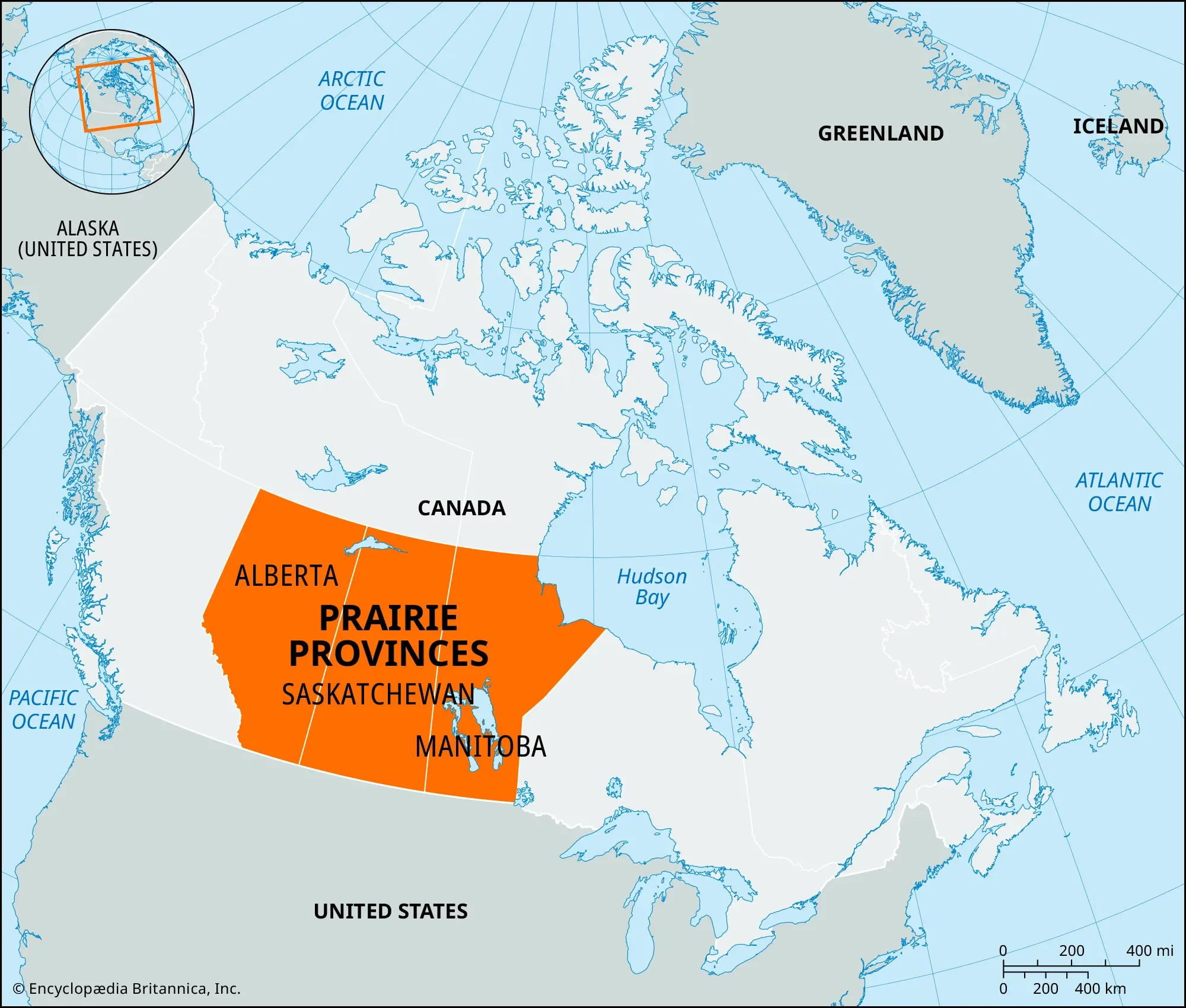
Six Cities, One Census Line
The first six guides cover the Prairie municipalities that recorded more than 100,000 residents within their city boundaries in the 2021 federal census. Metropolitan populations were not used.
Red Deer sat just above the line at 100,844 residents. Lethbridge, with 98,406, remained below it. Fixing the series to the 2021 census prevents the selection from changing whenever a municipal estimate is released or a city passes the threshold between federal censuses. It also explains why a city that now reports more than 100,000 residents may not appear in the original group.
Population determined which cities were included. It did not determine how many restaurants qualified. Winnipeg has surviving businesses that began before the Second World War. Saskatoon’s current list starts in the 1960s. Red Deer’s smaller population and different development history produce another kind of record.
The guides are therefore city histories rather than a competition to find one Prairie-wide winner.
What Counts as the Same Restaurant?
Each city article uses the earliest documented opening of the restaurant business or dining venue. That year does not automatically become a claim of continuous operation.
Relocations are explained. So are extended closures, substantial name changes, fires, reconstructed buildings, and revivals of older businesses. When the present restaurant occupies a historic building, the entry dates the restaurant separately from the structure. A century-old house does not make the dining room inside it a century-old restaurant.
Changes in ownership do not necessarily end a restaurant’s history. Rae & Jerry’s changed hands in 2024, but the new owners retained its name, established menu, and mid-century dining room. Saskatoon’s Blue Diamond remained open when the founding family sold it the same year. In both cases, service continued through the transfer.
A reopened name requires more explanation. Calgary’s Hy’s closed in 2006 and returned in 2014 at a different address. Edmonton’s Blue Willow closed in 1980, then a restaurant carrying the same family tradition opened in 1983. Those businesses belong in the series, but the interruptions remain part of their histories.
Successor restaurants are treated more cautiously. Edmonton’s Silk Hat closed in 2007. Another business later occupied the address under the shortened name The Hat, but it was not presented as an uninterrupted continuation of the restaurant founded in 1912.
“Oldest” remains a qualified description. Restaurant records can be incomplete, anniversary dates can be rounded, and family recollections do not always agree with newspaper reporting. The guides use the earliest date that could be supported and identify uncertainty where the surviving evidence does not permit a firmer conclusion.
Winnipeg’s Moving Institutions
Winnipeg reaches furthest into the past among the surviving restaurant businesses in the series. Oscar’s Delicatessen opened in 1929, followed by Salisbury House in 1931 and Rae & Jerry’s in 1947. Good Earth Restaurant began in 1952. Several businesses on the current list opened in 1958, including Myer’s Delicatessen and VJ’s Drive Inn.
Few remain in their first rooms. Oscar’s moved its continuing operation to Hargrave Street. Salisbury House became a local chain after its ten-seat Fort Street café disappeared. Good Earth travelled from Main Street to other Winnipeg addresses before reaching its present Portage Avenue dining room.
The movement did not erase the businesses, but it changed what survived. At Rae & Jerry’s, the dining room itself became part of the record. The Portage Avenue building retains red seating, wall panelling, its lounge, and the roadside sign installed during the restaurant’s mid-century expansion.
Winnipeg’s guide also documents a local drive-in culture that developed its own vocabulary. Dairi-Wip, VJ’s, and Red Top serve versions of the Fat Boy, a burger topped with meat sauce and associated with the city’s Greek-owned drive-ins. The restaurants are separate businesses, yet their menus preserve a regional form that extends beyond any one dining room.
Edmonton’s Family Dining Rooms
The Commodore Restaurant has operated on Jasper Avenue since 1942. The Lingnan followed in 1947, moving to its present location in 1963 while remaining under the ownership of the Quon family. Their dates place two Chinese Canadian restaurants at the beginning of Edmonton’s surviving list.
Later entries follow the city away from its older downtown cafés. Saratoga Family Restaurant opened on Calgary Trail in 1958. Coliseum Steak & Pizza began near Northlands Coliseum in 1976. Highlevel Diner opened beside the south end of the High Level Bridge in 1982.
Edmonton’s restaurant continuity has also depended on recovery. A fire destroyed the Kelly Ramsey Building, where Bistro Praha had operated since 1977. Longtime employees purchased the business and reopened it in the Empire Building in 2011. The location changed, but the menu and restaurant identity continued.
Other restaurants expanded beyond their original dining rooms. Mikado, Sorrentino’s, and the Italian restaurant businesses that followed them became multi-location operations. Their oldest sites do not always remain, making the business history more durable than any single address.
Calgary’s Complicated Dates
No city in the series demonstrates the dating problem as clearly as Calgary.
The King Eddy has the earliest date in the active section, yet its history includes a fourteen-year closure and the reconstruction of its building. Hy’s began in Calgary in 1955, disappeared from the city for almost eight years, then returned at a new address. Bow Valley Ranche Restaurant opened in 1999, later closed, and reopened under another operator in 2014.
Dairy Lane Cafe offers a more direct line. It opened as a neighbourhood milk bar in April 1950 and developed into a full-service restaurant without leaving the small dining room associated with its early years. Blackfoot Truckstop began as the Royalite Truck Stop in 1956 and continued as Calgary expanded around what had once been its southern edge.
The city also contains dining rooms whose historic atmosphere comes from the building rather than the age of the restaurant. Bow Valley Ranche occupies a restored ranch house. Deane House operates in a residence built for a North West Mounted Police superintendent. Both are important dining locations, but neither has served meals under its present restaurant identity since the building was constructed.
That distinction allows the Calgary guide to include old businesses and restaurants in old places without treating them as interchangeable.
Regina’s Postwar Tables
Milky Way Ice Cream opened on Victoria Avenue in 1956. Its walk-up window places the beginning of Regina’s surviving list within the roadside businesses that appeared as car ownership and suburban growth altered Prairie cities.
The Copper Kettle followed in 1964. Houston Pizza opened in 1970, and three more long-running restaurants—Golf’s Steak House, Juliana Pizza, and Trifon’s Pizza—began in 1972. Greek Canadian families played a central role in this period of Regina restaurant history, operating pizza houses and steakhouses whose menus combined Greek dishes with the broad family-dining format common across the Prairies.
Regina-style pizza became one of the clearest local results. Houston, Juliana, and Trifon’s developed variations on a thick crust covered with substantial layers of meat, vegetables, and cheese. The restaurants grew separately, but together they established a form now closely associated with the city.
The oldest Regina restaurant documented in the series is no longer operating. The Novia Café opened near Victoria Park in 1918 and closed in 2011 after 93 years. Its absence changes the apparent age of the city’s restaurant culture. Looking only at businesses still serving customers would move Regina’s visible starting point forward by nearly four decades.
Saskatoon’s Themed Dining Rooms
Gibson’s Fish & Chips begins Saskatoon’s surviving list in 1964. Taverna followed in 1969 and Venice House Pizza in 1972. The Cave opened in September 1973 with sculpted walls and rock-like partitions that made the interior part of the attraction.
The Granary used another local reference when it opened in 1979. Its building was designed to resemble a Saskatchewan grain elevator, while its dining room became known for prime rib and a wheeled salad wagon.
These restaurants belong to a period when the setting could be as recognizable as the menu. Their dining rooms offered complete environments rather than neutral spaces. The Cave’s brief closure during an ownership change in early 2025 showed how closely that identity remained tied to its interior. It reopened that April under the same name, with its long-time manager returning to the operation.
Saskatoon’s guide is weighted toward the city’s postwar expansion, particularly the growth of commercial dining along 8th Street and around Broadway. The dates are later than Winnipeg’s or Edmonton’s, but several businesses have now served the city for more than half a century.
Red Deer Between Rail and Road
The Canadian Pacific Railway reached Red Deer in 1891, placing the community between Edmonton and Calgary. Restaurants and cafés first served railway passengers, travellers, and people arriving from the surrounding farms. Between 1899 and 1920, the city had at least five hotels and twelve restaurants or cafés, even though its population rose only from approximately 125 to 2,300.
As automobile traffic increased, restaurants moved away from the older downtown blocks to sites with parking. The same transition occurred elsewhere in the series, but Red Deer’s position on the route between Alberta’s largest cities made roadside service especially important. Gas stations, highway restaurants, drive-ins, and later Gasoline Alley turned meals into part of the trip rather than an activity confined to the city centre.
Glenn’s Family Restaurant offers a surviving example from that era, although its Gasoline Alley address lies in Red Deer County. Glenn Simon opened the present restaurant on January 28, 1986, after operating Voyager restaurants at highway service stations. It began as a twenty-four-hour diner serving truck drivers, farmers, and travellers. The business history extends to earlier family restaurants, but the current Glenn’s dates from 1986.
The boundary matters. A regional institution may be closely identified with Red Deer while sitting outside the municipal line used to select cities for the series. The Red Deer guide distinguishes between the city and the surrounding restaurant corridor rather than silently combining them.
The Businesses Behind the Dates
Family ownership appears throughout the six guides, but it is only one form of continuity.
The Lingnan and Silver Heights remained connected to their founding families. Houston Pizza expanded under later generations. Other restaurants passed to employees or unrelated buyers who retained the established business. Bistro Praha survived because members of its staff purchased it after the fire. Blue Diamond continued after the family that had owned it for 39 years sold the restaurant.
The lists also record where immigrant-owned restaurants became long-standing local institutions. Chinese Canadian dining rooms appear near the beginning of Edmonton’s surviving history. Jewish delicatessens hold two of Winnipeg’s earliest dates. Greek Canadian families are prominent in Regina’s pizza and steakhouse history and in the drive-in restaurants associated with Winnipeg’s Fat Boy.
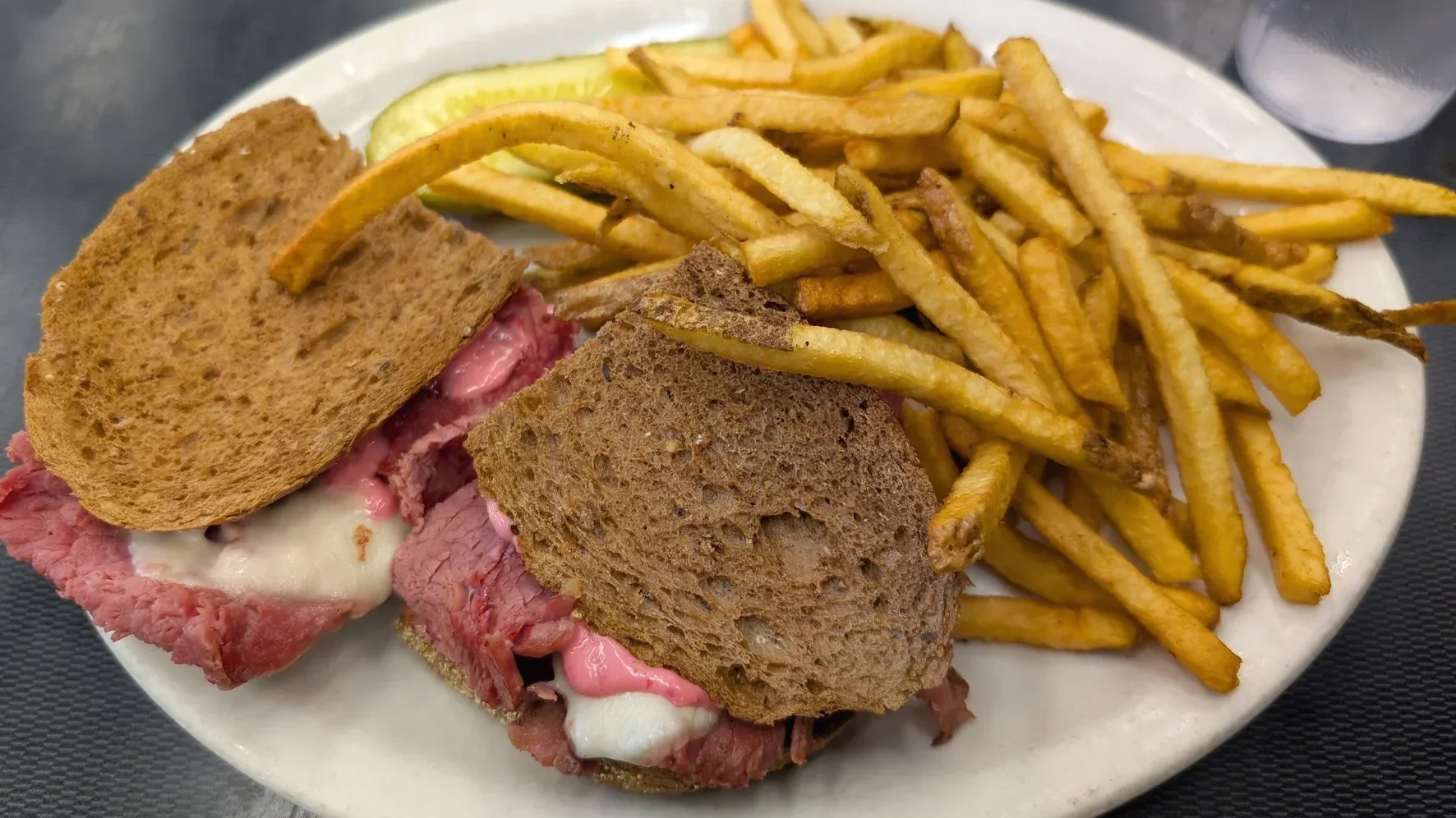
These restaurants did more than preserve dishes brought from elsewhere. Their owners worked within the commercial streets, available ingredients, customer expectations, and dining habits of Prairie cities. The results became local: Winnipeg rye piled with corned beef, Regina-style pizza, Alberta steak-and-pizza houses, and the Chinese Canadian menus served for generations in Edmonton.
The Restaurants No Longer Serving
A list restricted to open restaurants would leave some of the longest histories out.
Edmonton’s Silk Hat began in 1912 and closed in 2007. Regina’s Novia Café operated from 1918 until 2011. Winnipeg’s Kelekis Restaurant closed in 2013 after serving customers from its Main Street dining room since 1946. Calgary’s Silver Inn ended service in 2022, taking with it the restaurant most closely associated with the creation of ginger beef.
Their endings were different. The Wagon Wheel Lunch lost its building to redevelopment. Saskatoon’s Station Place closed when its owners retired. Fire destroyed Regina’s Lang’s Café. Winnipeg’s Thunderbird lasted more than six decades before property and parking difficulties contributed to its closure.
The closed sections remain separate from the active guides, but they belong to the same chronology. In several cities, the earliest restaurant history survives only in photographs, newspaper advertisements, menus, and the recollections of former customers.
The Oldest Restaurants Series
Edmonton’s Oldest Restaurants
Downtown cafés, Chinese Canadian dining rooms, neighbourhood diners, and restaurants that survived relocation or fire.
Calgary’s Oldest Restaurants
Continuing businesses, revived names, roadside restaurants, and dining rooms housed in much older buildings.
Saskatoon’s Oldest Restaurants
Family restaurants, themed interiors, Broadway institutions, and the postwar development of 8th Street dining.
Regina’s Oldest Restaurants
Seasonal stands, Greek Canadian steakhouses, and the restaurants behind Regina-style pizza.
Winnipeg’s Oldest Restaurants
Delicatessens, diners, drive-ins, and restaurant businesses that carried their names to new addresses.
Red Deer’s Oldest Restaurants
A smaller city’s movement from railway cafés and downtown lunch rooms toward highway and family dining.
At Rae & Jerry’s, the restaurant name reaches back to Kennedy Street in 1947. The red seating belongs to the Portage Avenue building that opened ten years later. Outside, its neon sign still marks the address: 1405 Portage Avenue.



The windmill on The Donut Mill has marked a Highway 2 stopping place since the spring of 1994. Next door, Glenn’s Family Restaurant has served travellers since January 28, 1986. George’s Pizza & Steakhouse predates both, opening in Red Deer in 1978.