Just Let Them Bite You
and other things I learned in Finland
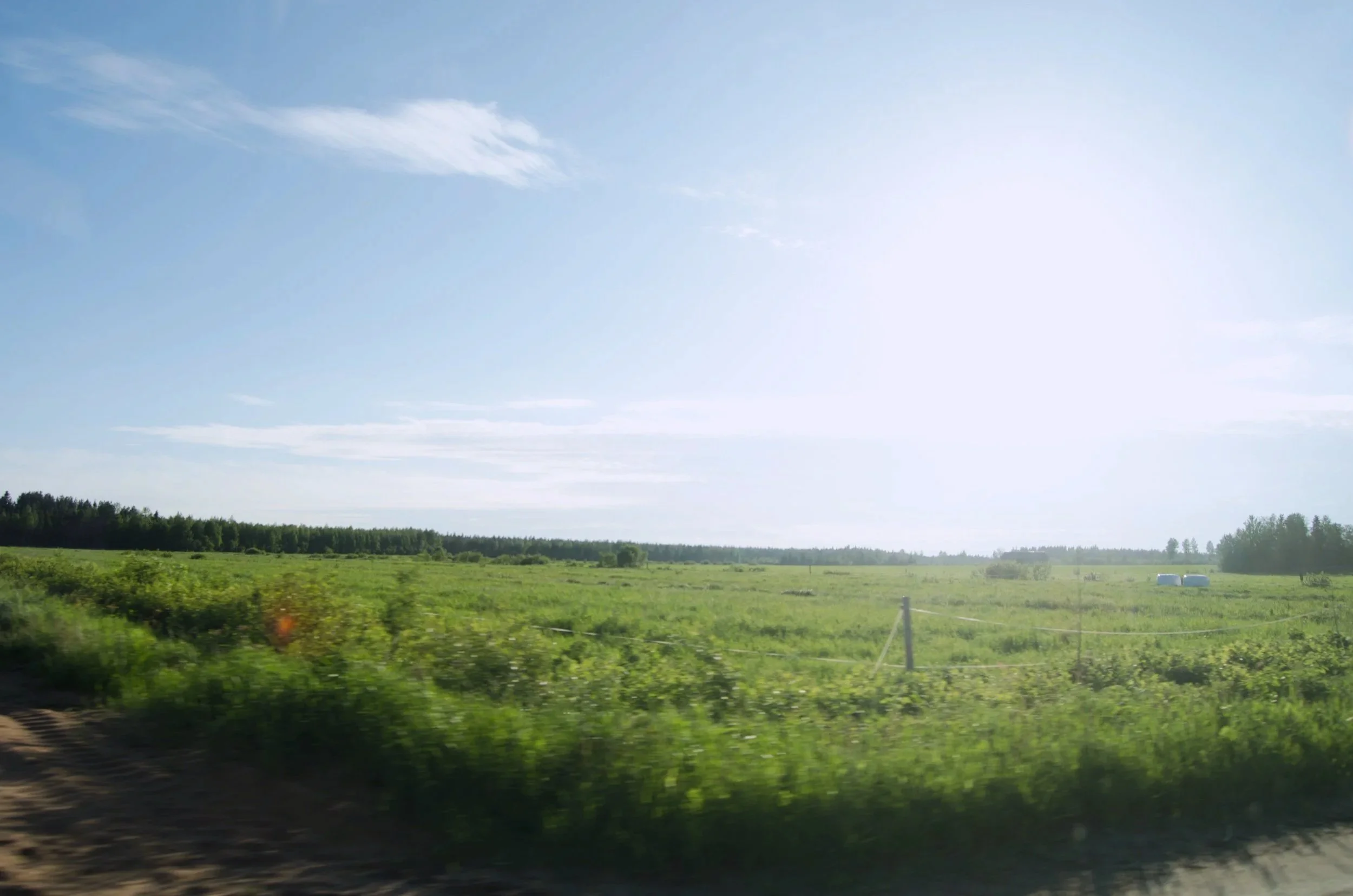
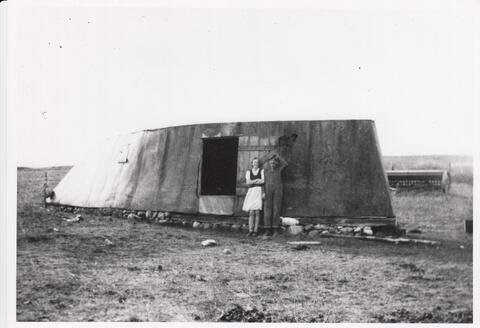
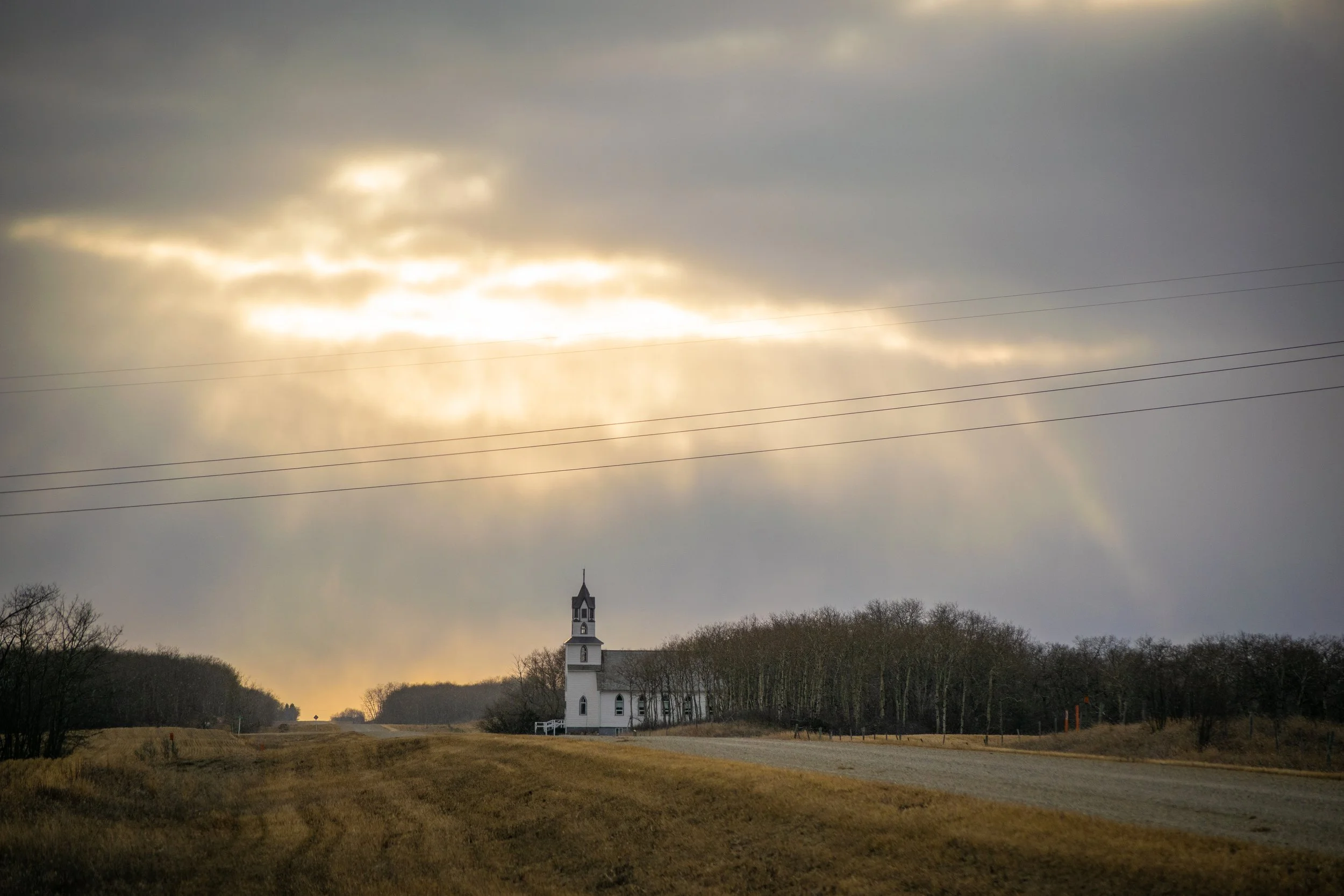
This photo was taken somewhere near the field mentioned in the article. Photo by Shara Cooper
The Prairies have been flooding since spring, setting new records. On June 27th, Edmonton broke a 112-year record when 244 mm descended on the city, surpassing the 216.5 mm record set in 1914. Fields flooded, roads were impacted, basements flooded, and the ground was like walking on a soggy sponge.
For a short period, residents had to conserve water to protect wastewater from flowing back up. Typically used in periods of drought, the adage “if it’s yellow let it mellow, if it’s brown, flush it down” was enacted citywide. Ducks were thrilled to find grain fields turned to ponds and for a beat, it seemed preferable to the “wildfire” season summer had turned into.
And then the mosquitos multiplied.
While the prairies are known for mosquitoes breeding in shallow water and hiding in tall grasses, this season is unlike any I have experienced — except for a moment I remember twelve years ago, in 2014, when my sister Lyndsay, my mom, and I went to Finland.
We booked a late-spring, women-only family trip to Finland. Just the three of us. Finland was the homeland of my mom’s paternal family.
My sister and Mom had travelled a week ahead of me, as I was unwilling to leave my young children for a full month. They spent that first week in St. Petersburg, Russia, and I met up with them in Helsinki.
My youngest daughter was five and my oldest had just turned eight. I was functioning virtually as a single parent at that point, although it hadn’t been made official. I had concerns about leaving them for so long. However, it ended up being a good thing, as the trip reawakened the traveller in me.
Mom rented a car for us and we drove all over Finland, nipping into Norway and Sweden as soon as we got close to the border. Mom was disappointed that they no longer stamped passports, but that didn’t stop her from asking every time she could!
Somehow, our rental car ended up being a Mercedes … of some variety. Mercifully Finland uses the right-hand side of the road so we all took turns driving.
After exploring Helsinki, we started on the way up to Oulu, where a distant family member lived.
Britta — who has since passed — was a very special woman. A couple of decades before, when I was still a teenager, we’d had a family reunion with the Finnish side of the family in central Alberta. People came from all over, but none from as far away as Britta, who came all the way from Finland.
Now, years later, we were finally returning the visit and heading to her apartment.
The drive was just under seven hours. For some people that was too far but for us prairie people, and especially my family, long road trips were part of life.
When I was a child, we used to roadtrip three hours one way just to get ice cream because my dad loved to drive and my mom loved everything about this land. Watching the scenery unfold, pointing out landmarks and heritage sites, and occasionally visiting friends was part of mom’s ideal day.
My sister and I would sit in the back, usually too hot because the air conditioning never reached us, and watch the scenery go by, play “punch buggy,” or read books. We were pleasantly surprised to find that we had crossed more than half the country in less than seven hours. That was a pleasant day trip.
We did not take the most direct route, although we never got far off the beaten path. One of the most notable stops for me was in Vaskikello, a rest stop located on Highway E75 near Pyhäjärvi. It literally translates to “Copper Bell” and if you wondered if there was a bell there, there was. Thousands.
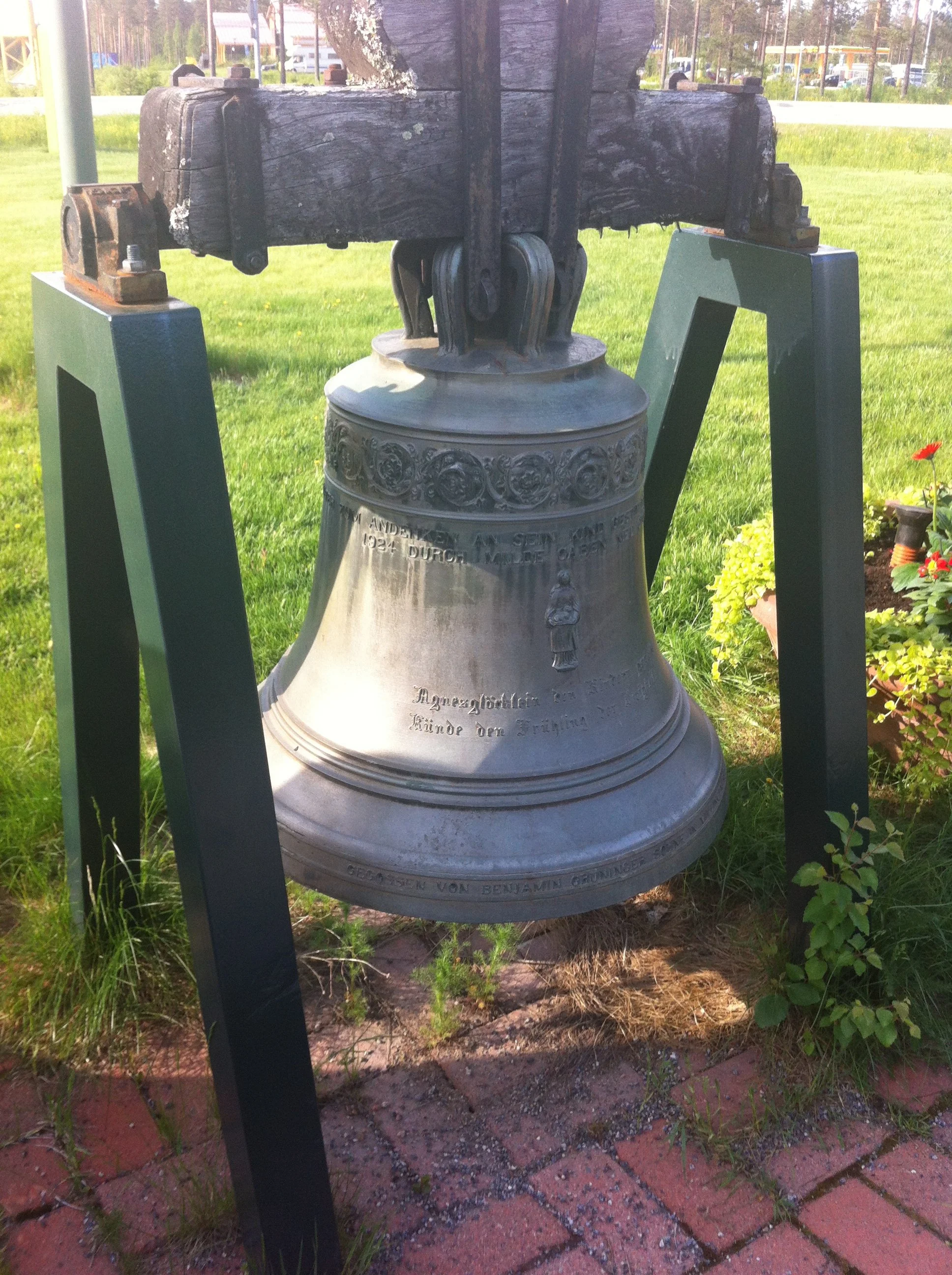
One of the larger bells in Vaskikello. Photo by Shara Cooper
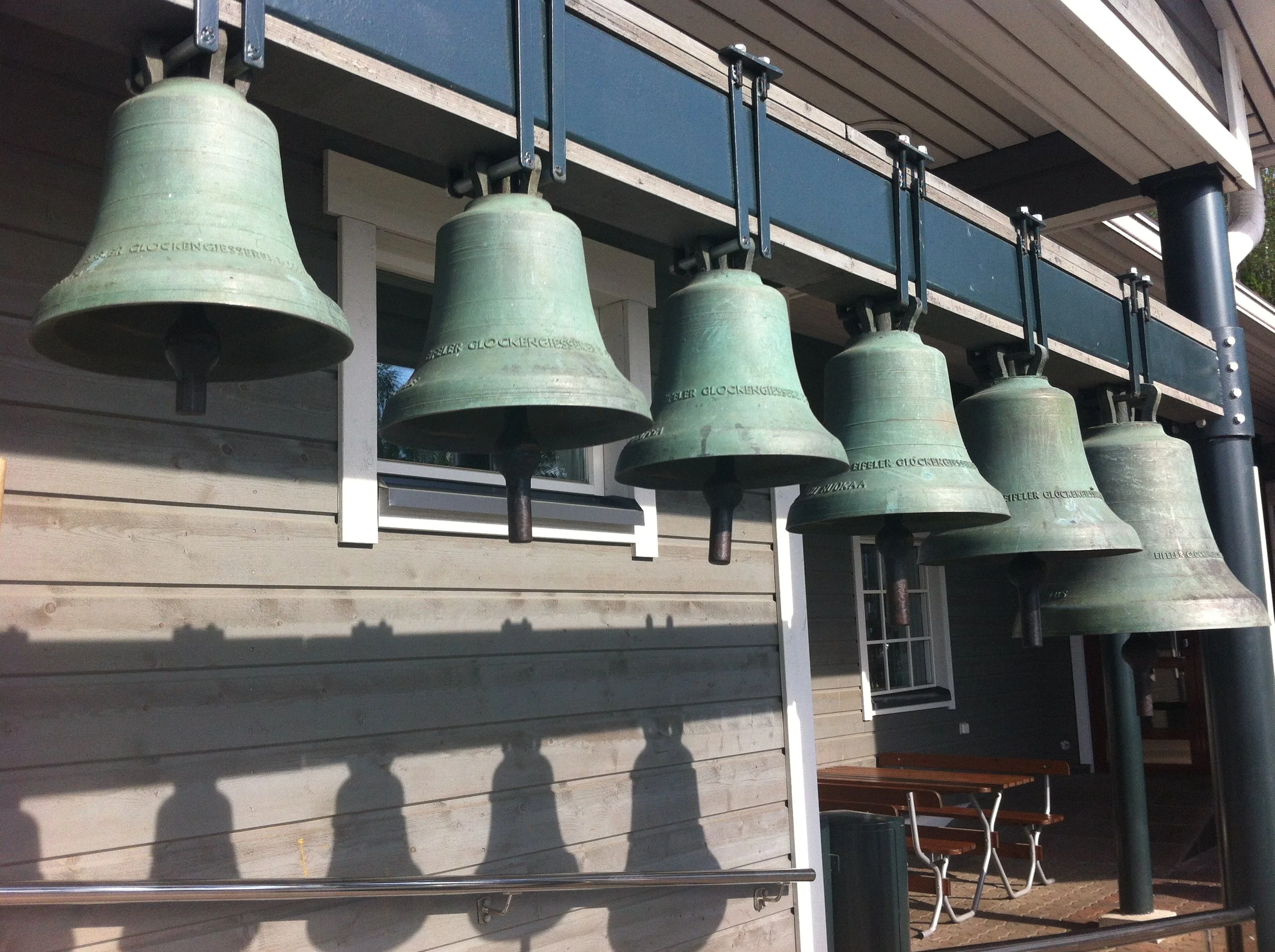
A few of the bells in Vaskikello. Photo by Shara Cooper

More bells from Vaskikello. Photo by Shara Cooper
At some point, we got lost. Not lost-lost, but lost enough that we needed to get back onto a faster path to avoid worrying Britta.
Mom was never shy about asking for directions. She’d tell my dad to pull over so she could ask someone for directions — anytime, anywhere.
“Oh let’s ask that guy!”
Lyndsay and I craned to see where she was pointing. There was a man in a field, in Finland, where we didn’t speak Finnish. Lyndsay and I glanced at each other.
“Pull over, right there,” Mom gestured at a small patch of gravel on the opposite side of the road.
Mom opens the car door.
“Do you want me to come with you?” I ask. She declines and I watch in my rearview mirror as she waves down the man in the field. It was hard to get a good description of him, but I remember him being slim in that fit, wiry way and deeply tanned.
He stood perfectly still as my mom jumped and danced, slapping her arm, her leg, her arm again, her other leg.
Slap.
Slap.
Slap. Slap.
I know this song, I used to play it on the piano. It was called the Tarantella, a dance designed around 400 years ago believed that if you were bit by a poisonous spider and moved very quickly you could sweat the poison out.
After a few moments of him standing still, only occasionally gesturing while Mom moved around frenetically, she dashed back to the car.
“I guess he spoke English?” I asked.
She sighed. Maybe frustrated at me, the mosquitos, or just from all the dancing. She relayed the directions and I pulled back onto the road.
“Didn’t the mosquitos bite him?” Lyndsay asked, pivoting in her seat.
“He said ‘just let them bite you’ but I can’t, I just can’t!” Mom said, waving her hands around her body as she flailed at phantom mosquitos.
My mother, who had spent most of her life on the Prairies, had travelled thousands of kilometres to discover that some things do not change. Whether they hatch from northern Finnish wetlands or flooded grain fields in Alberta, mosquitoes know how to find us.
Twelve years later, after one of the wettest springs the Prairies have seen, I find myself thinking about that Finnish field. The mosquitoes are relentless. They rise from flooded ditches and standing water, hiding in the tall grasses and waiting for anyone to step outside.
They are a force of nature — small, persistent, and impossible to negotiate with. Which, perhaps, is why I think of Mom.
She was never someone who accepted things simply because that was the way they were. If a road sign was unclear, she stopped and asked. If she needed directions, she found someone to ask. If a border crossing no longer stamped passports, she asked anyway. If mosquitoes decided they were going to bite her, she was going to make her objections known.
The Prairies require stubbornness. We live with what arrives: the droughts, the floods, the tornados, the winters, the smoke, the storms, the mosquitoes. We cannot stop any of them, but we decide how we will meet them.
Then there are the times when all you can do is dance.