
The History of Scandinavian Migration to the Canadian Prairies
A Complete Guide
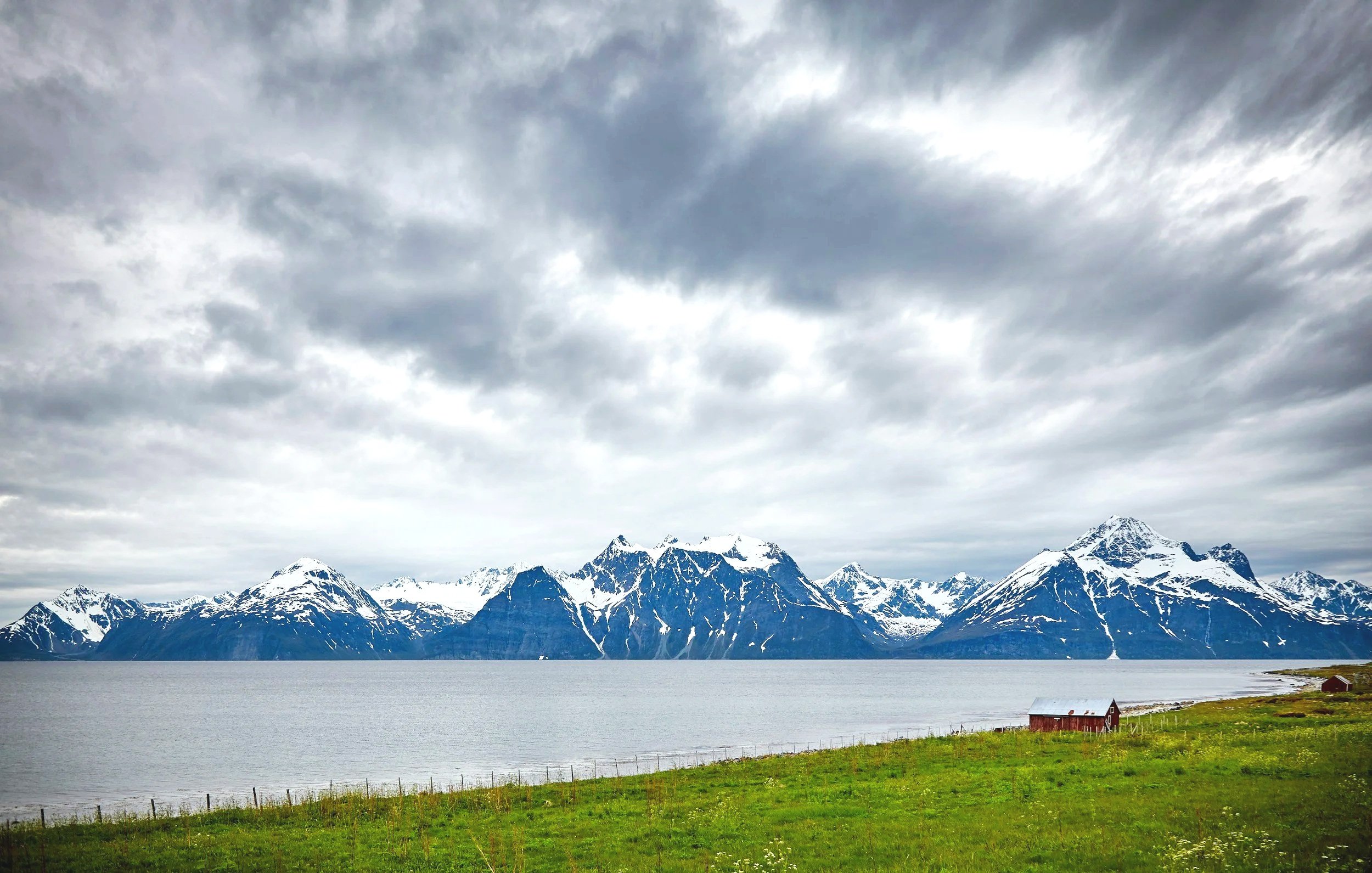
Nearly five centuries before Christopher Columbus crossed the Atlantic, another group of Europeans had already reached North America.
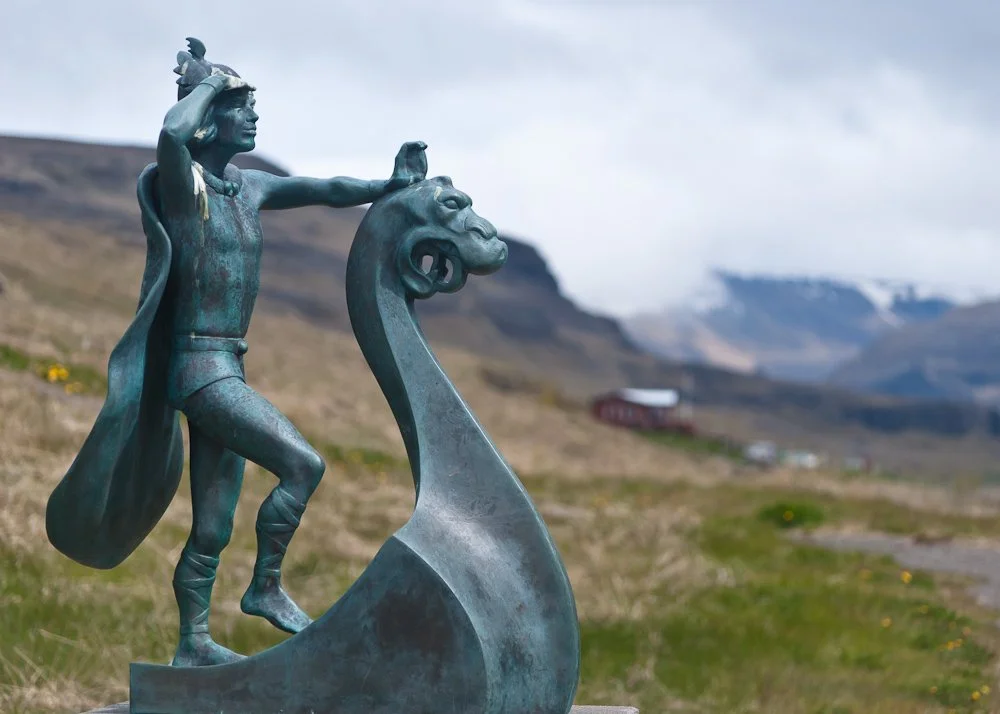
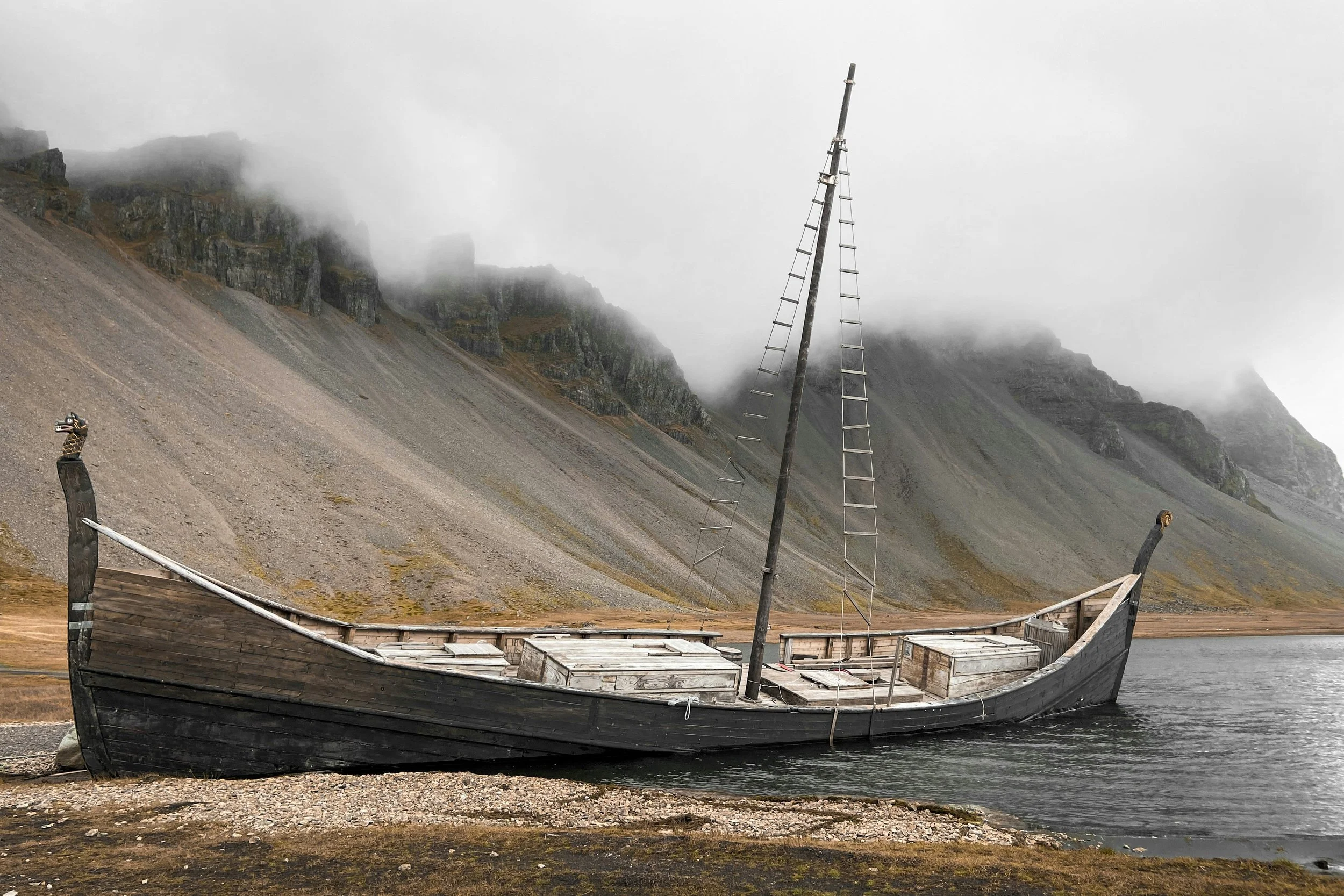
Around the year 1000 CE, Norse sailors from Greenland steered their longships west across the North Atlantic and landed on the northern tip of what is now Newfoundland. Led by Leif Erikson, son of Erik the Red, they established a small settlement that modern archaeology identifies as L'Anse aux Meadows.
For a brief moment, Canada became home to Europe's first known settlement in the Americas.
Then, almost as quickly as they arrived, the Norse disappeared.
Within only a few years, they dismantled their outpost, loaded their ships, and sailed back to Greenland. Unlike later European colonists, they never established a permanent presence, and for nearly eight centuries no Scandinavian community would again attempt to settle Canada.
For a series exploring how Scandinavians eventually transformed the Canadian Prairies, this raises an obvious question:
What finally broke that eight-hundred-year silence?
The answer did not lie in the rocky shores of Newfoundland, but in the vast, open grass of the western interior. In the late nineteenth and early twentieth centuries, hundreds of thousands of Icelandic, Norwegian, Swedish, and Danish immigrants arrived on the Prairies. They traded mountain fjords and volcanic valleys for an infinite flat horizon, breaking the tough prairie sod and building deep-rooted communities under the sky of Western Canada.
This comprehensive guide serves as the master directory for our 20-part chronological journey through the triumphs, tragedies, and enduring legacy of the Nordic settlers who shaped the Canadian West.
Era 1: The Pre-Prairie Prologue & Early Failures (1000–1870)
Before the first plow met the prairie earth, the North Atlantic was a proving ground of isolation, false starts, and survival. This opening chapter retraces the tentative first steps of Nordic contact and the forces that eventually forced families to leave their ancestral homes forever.
The L’Anse aux Meadows Mystery: Why the Vikings Abandoned Canada
Why the Norse successfully crossed the Atlantic but ultimately failed to establish a permanent colony in Newfoundland around 1000 CE.
The 800-Year Silence — Why Canada Remained Off the Nordic Radar
Investigating the massive chronological gap between the early Vinland voyages and the resurgence of 19th-century transatlantic migration.
The Catalyst of Starvation: How Volcanoes and Crop Failures Sparked the Nordic Exodus
How the catastrophic Askja volcanic eruption of 1875 combined with widespread European crop failures to force entire communities from their homelands.
The Quebec Stopover: Early Scandinavian Transit through Eastern Ports
The forgotten history of early Nordic immigrants navigating eastern maritime gateways before the western interior was opened for settlement.
Era 2: The Icelandic Exodus & "New Iceland" (1872–1885)
When the earth in Iceland turned to ash, a desperate wave of refugees sought shelter on the forested shores of Lake Winnipeg. What followed was a brutal masterclass in raw survival, disease blockades, and an unexpected blueprint for self-governance.
The Great Settlement & The Smallpox Winter (1876)
How a massive influx of 1,200 Stóra Landnám refugees overwhelmed the town of Gimli and triggered a devastating quarantine epidemic.
Nets, Ice, and the Indigenous Lifeline (Coming Soon)
The story of how traditional maritime fishermen survived a strict medical blockade by learning winter ice-fishing techniques from the Saulteaux First Nations.
The Viceroy's Bridge to Sovereignty (1877) (Coming Soon)
How the high-profile regional visit of Governor General Lord Dufferin provided the recovering colony with critical political leverage.
The Autonomous Republic of New Iceland (1878) (Coming Soon)
How a group of isolated refugees codified their own sovereign local government and democratic constitution entirely outside Manitoba's borders.
Era 3: Sifton’s Agents & Direct Migration (1896–1914)
By the turn of the century, the silent prairies became the target of an aggressive global marketing campaign. Armed with idealized brochures, Canadian immigration agents set out across Northern Europe to find the one thing the West desperately needed: people who already knew how to survive the cold.
Marketing "The Last Best West" (Coming Soon)
An analysis of the glowing, deeply romanticized, and often misleading propaganda brochures distributed by Canadian immigration agents across Scandinavia.
The Mechanics of the Homestead (Coming Soon)
A granular, step-by-step look at the brutal realities a Nordic family faced during their first 12 months under the strict rules of the Dominion Lands Act.
The Fjords to the Flatlands (Coming Soon)
Exploring the intense psychological shock and steep agricultural learning curve experienced by Norwegian settlers transitioning from vertical mountains to infinite flat horizons.
The Danish Enclave of Dickson (Coming Soon)
A deep dive into Western Canada’s oldest Danish settlement in Alberta, detailing how they successfully preserved their unique church, community, and dairy traditions.
Era 4: The Second-Front "American" Invasion (1900–1920s)
Not all who settled the Canadian West arrived directly from European ports. Thousands of Swedish and Norwegian immigrants came from the south, crossing the border with a massive logistical advantage: they had already broken the American soil, learned the language, and carried the cash to build instant empires.
Step-Migration: The Minnesota Shortcut (Coming Soon)
Why a significant majority of Prairie Swedes and Norwegians actually spent years in the American Midwest before relocating to Canada.
Ready-Made Farmers: The Transnational Advantage (Coming Soon)
How these American-Scandinavians utilized their dry-land farming experience, English fluency, and capital to outpace direct European immigrants.
The Swedish Railway Crews (Coming Soon)
The dangerous, grueling, and vital work of Scandinavian immigrant laborers building the expanding Canadian Pacific and Canadian Northern tracks.
The Wetaskiwin Boom: A Central Alberta Case Study (Coming Soon)
How central Alberta transformed into a massive regional epicenter for Norwegian and Swedish cultural, linguistic, and social life.
Era 5: War, Depression, and Radical Assimilation (1914–Present)
As the steam trains slowed and the twentieth century hardened into global warfare and economic collapse, the distinct boundaries of the old Nordic colonies began to fade. To survive a changing world, the new settlers made a quiet compromise, stepping out of their isolation and into the mainstream Canadian identity.
The Great War Testing Ground (Coming Soon)
How the pressures of World War I forced new Scandinavian immigrants to choose between ancestral neutrality and active Canadian patriotism.
The Final Surge of the 1920s (Coming Soon)
Examining the last major gasp of open Nordic immigration before the economic devastation of the Great Depression closed Canada's borders in 1930.
The Invisible Immigrants: The Price of Swift Assimilation (Coming Soon)
Why Scandinavian groups integrated into Anglo-Canadian culture faster than almost any other ethnic demographic, and what unique heritages were lost in the process.
The Modern Footprint: Echoes of Scandinavia Today (Coming Soon)
From the massive Íslendingadagurinn festival to distinct prairie town names, a guide to finding the remaining physical and cultural remnants of Scandinavia across the Prairies today.
Beyond the Migration Arc: Cultural Context & Ancestry
Every great migration relies on the blueprint of those who ventured out first. To fully understand the historic currents that shaped the North Atlantic centuries before the settlement of the West, read our deep standalone historical profile:
Meet the Men Who Found North America Before Columbus: The Remarkable Lives of Erik the Red and Leif Erikson
An exploration of the medieval Icelandic sagas, modern archaeological breakthroughs at L'Anse aux Meadows, and the true characters of the father and son who pushed European boundaries past the known horizon.
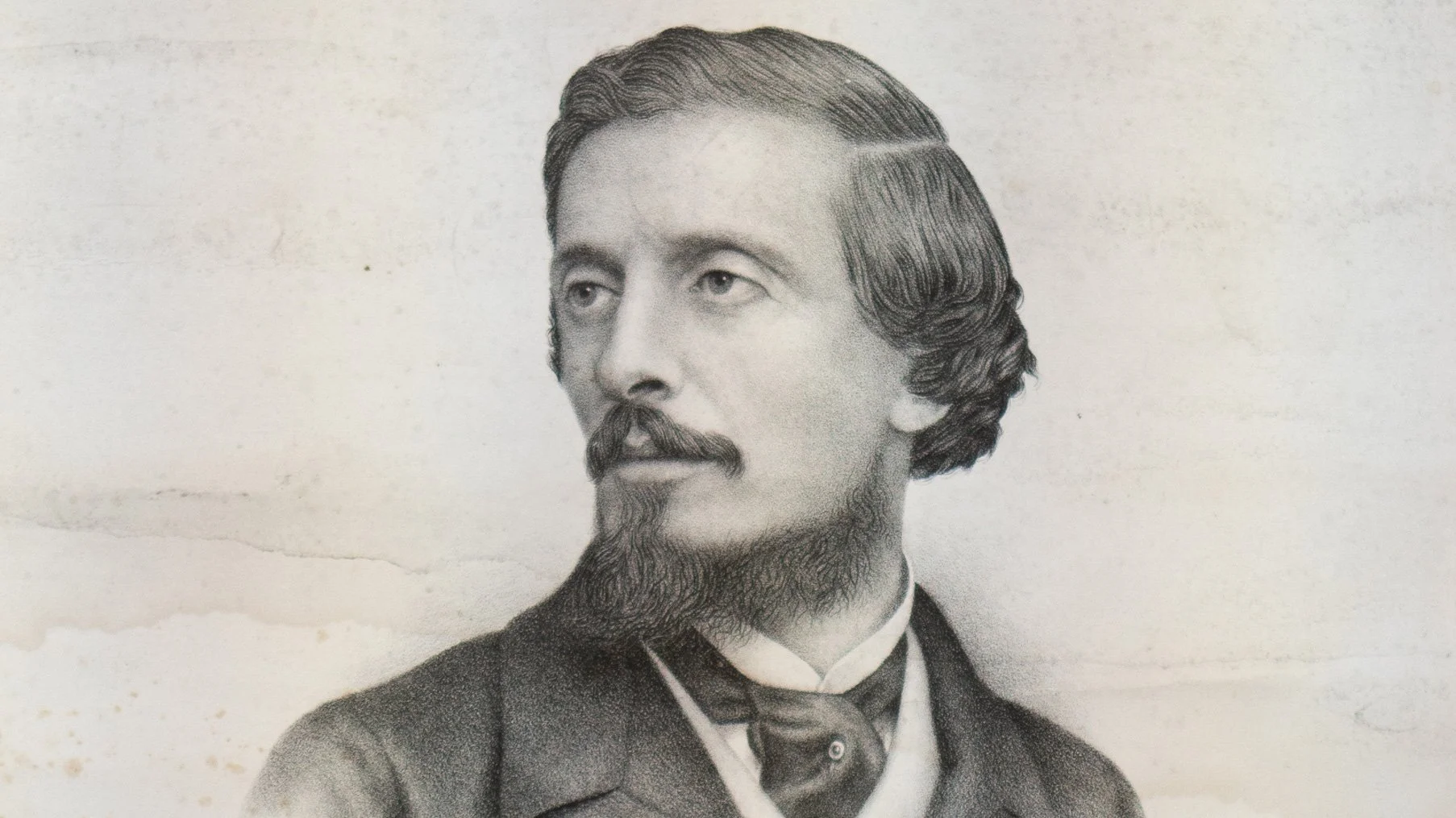
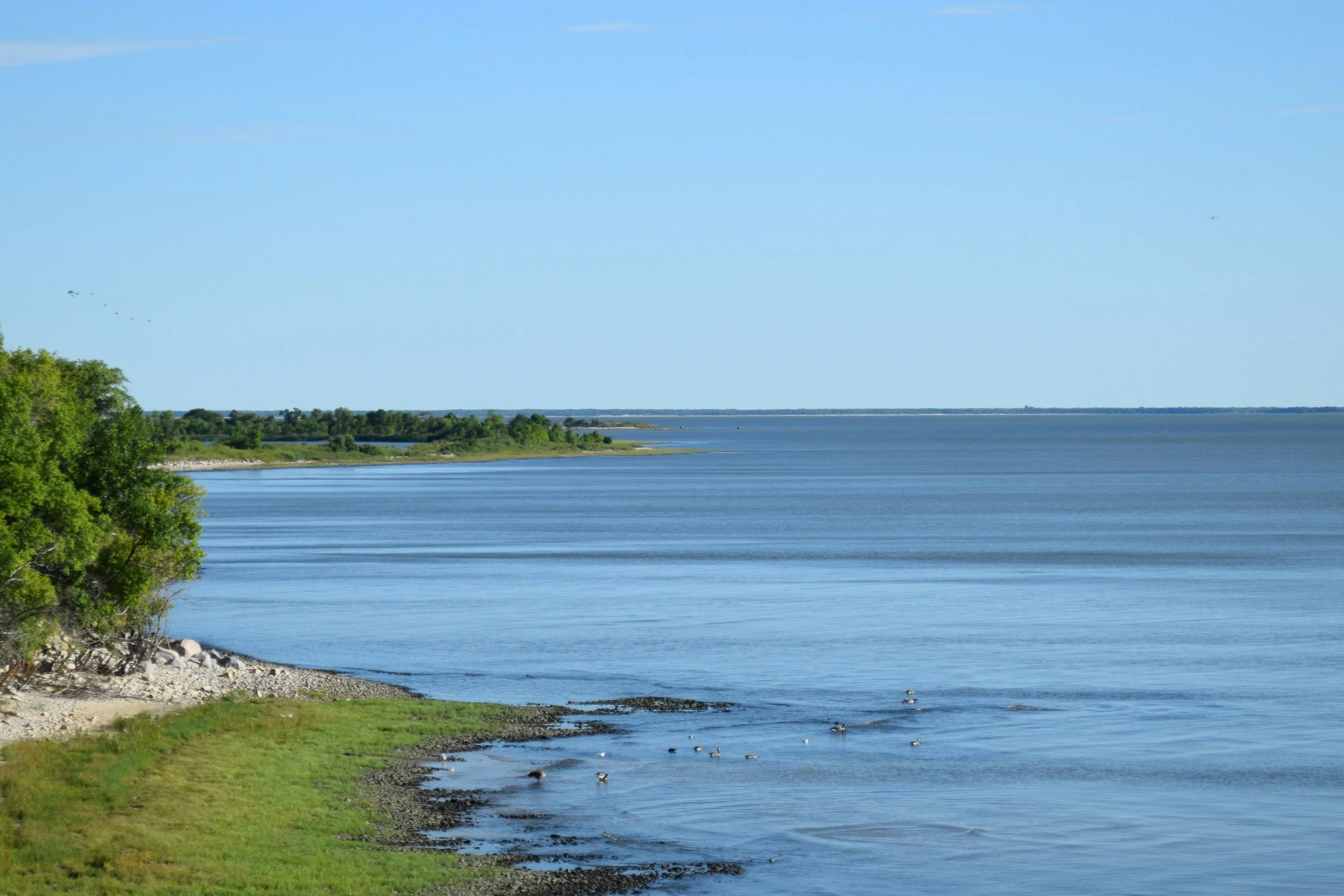



By the time Lord Dufferin left Gimli in September 1877, New Iceland had already spent months governing many of its local affairs under rules its residents had adopted themselves.