

How New Iceland Governed Itself
By the time Lord Dufferin left Gimli in September 1877, New Iceland had already spent months governing many of its local affairs under rules its residents had adopted themselves.
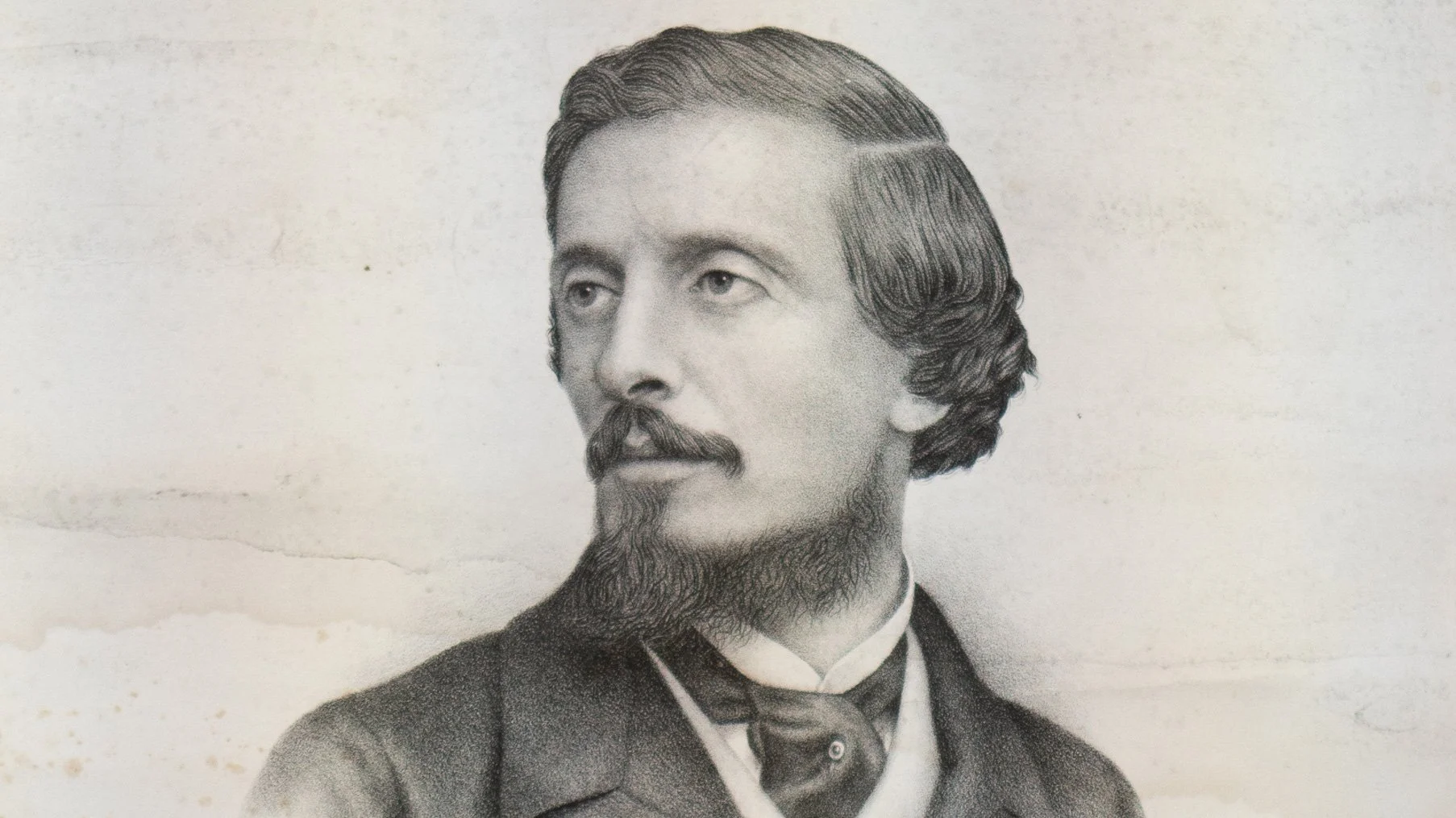
Lord Dufferin Comes to Gimli
The visit was already a week behind schedule. Lord Dufferin had planned to stop in New Iceland before continuing north to Grand Rapids, but delays involving the steamer disrupted the itinerary. On the return journey, rough weather prevented the ship from entering Gimli harbour on September 13. The Colvile continued south to Lower Fort Garry, where Lady Dufferin and the other women in the party went ashore.
Nets Beneath the Ice
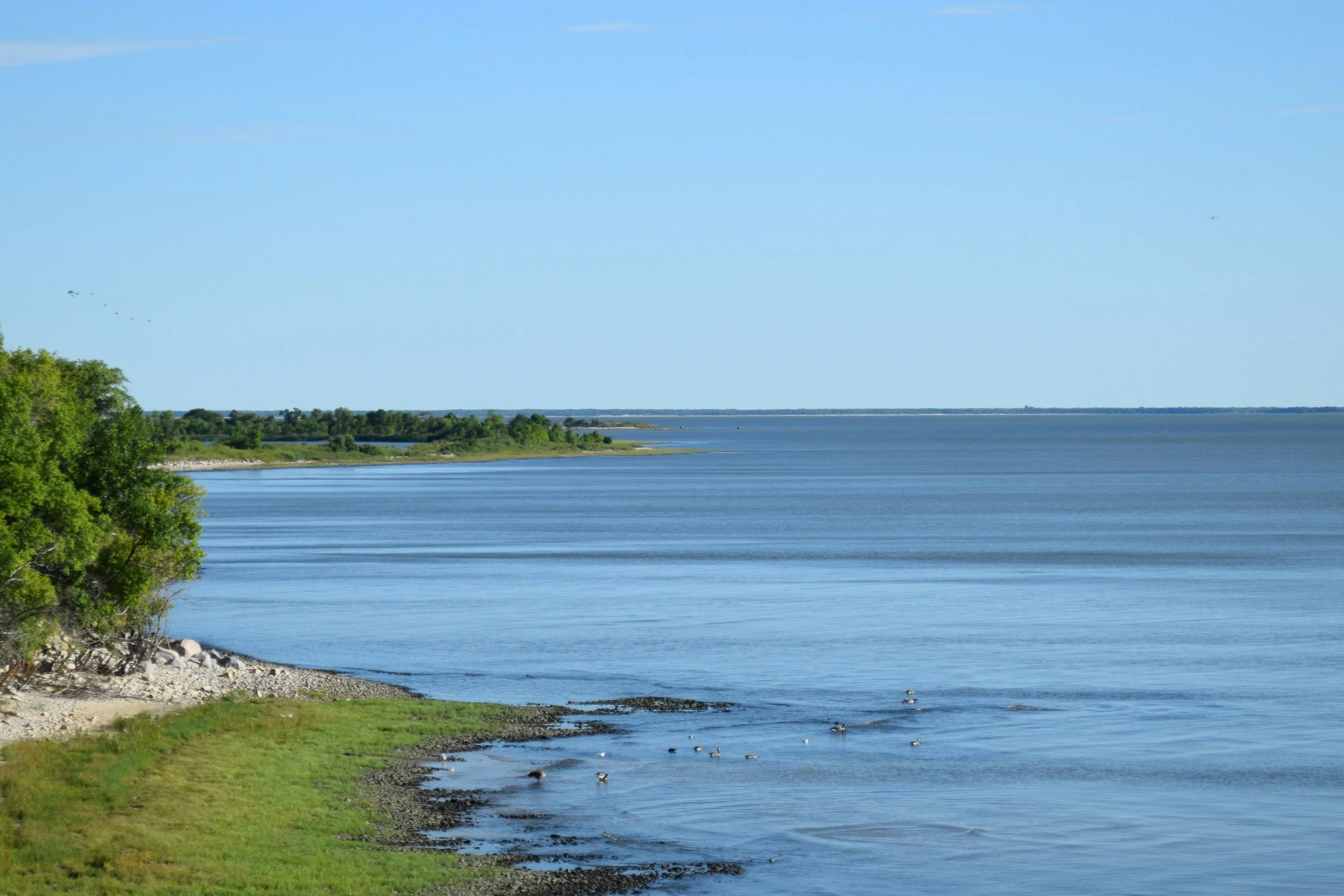
By January 1877, New Iceland faced a winter few had expected. The smallpox quarantine imposed the previous autumn still restricted travel along the west shore of Lake Winnipeg. Freight arrived slowly — when it arrived at all — the first harvest had produced little, and many families faced the coldest months of the year with cupboards that were already growing bare.
The Great Settlement & The Smallpox Winter (1876)
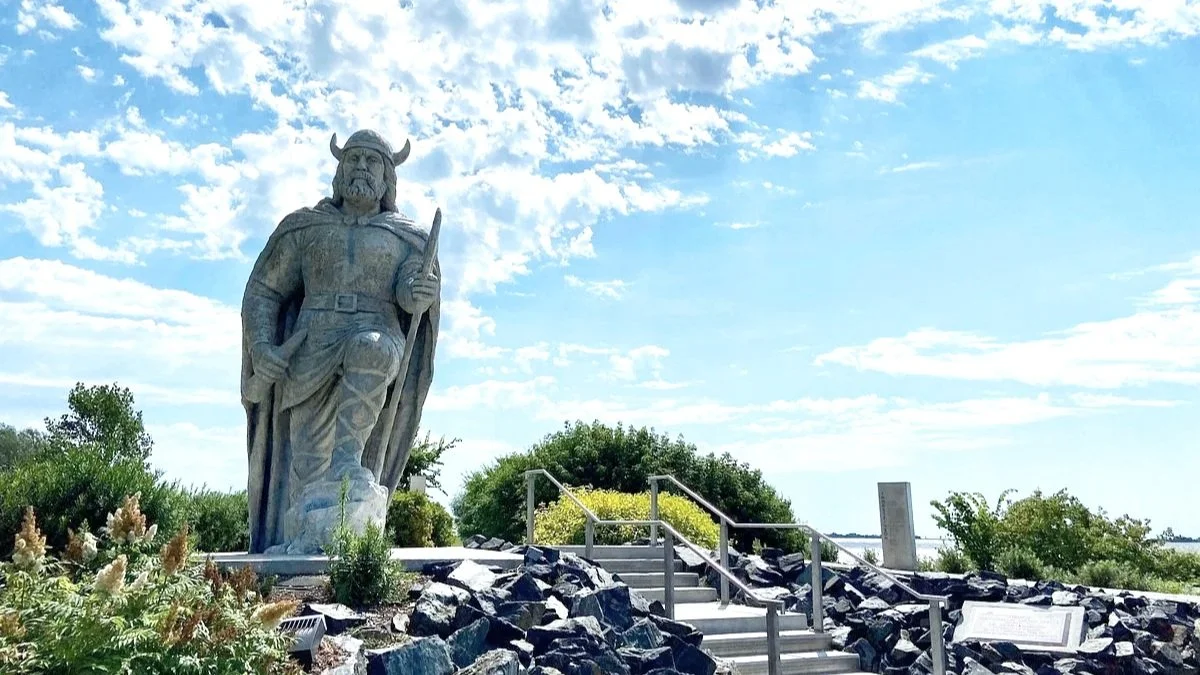
By the autumn of 1875, the Canadian government had set aside a large tract of land along the western shore of Lake Winnipeg. Unlike most immigrant groups, who were dispersed across existing settlements, the Icelanders were encouraged to establish a colony of their own.
They called it Nýja Ísland—New Iceland.
The Quebec Stopover
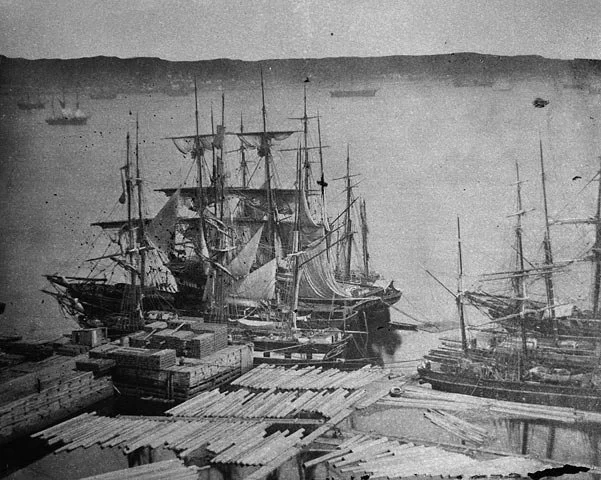
When we picture the arrival of Scandinavian immigrants in Canada, our minds almost instinctively leap to the sweeping grasslands of the prairies, the establishing of homesteads under the Dominion Lands Act of 1872, or the fishing boats navigating Lake Winnipeg. We envision families arriving by train directly into a vast, open territory waiting to be broken by the plow. Yet long before the West was fully opened or structurally organized for mass European settlement, an earlier, massive wave of Scandinavian travelers encountered Canada through a radically different landscape: the historic Port of Quebec.

The Catalyst of Starvation
For eight centuries, the rugged wilderness of Western Canada remained completely closed to the people of Scandinavia. As explored in our previous look at the 800-year silence, global ice ages, geopolitical pivots, and corporate monopolies combined to keep the Canadian Prairies off the global market.
Then came the late 19th century, and the sky fell.
The 800-Year Silence — Why Canada Remained Off the Nordic Radar
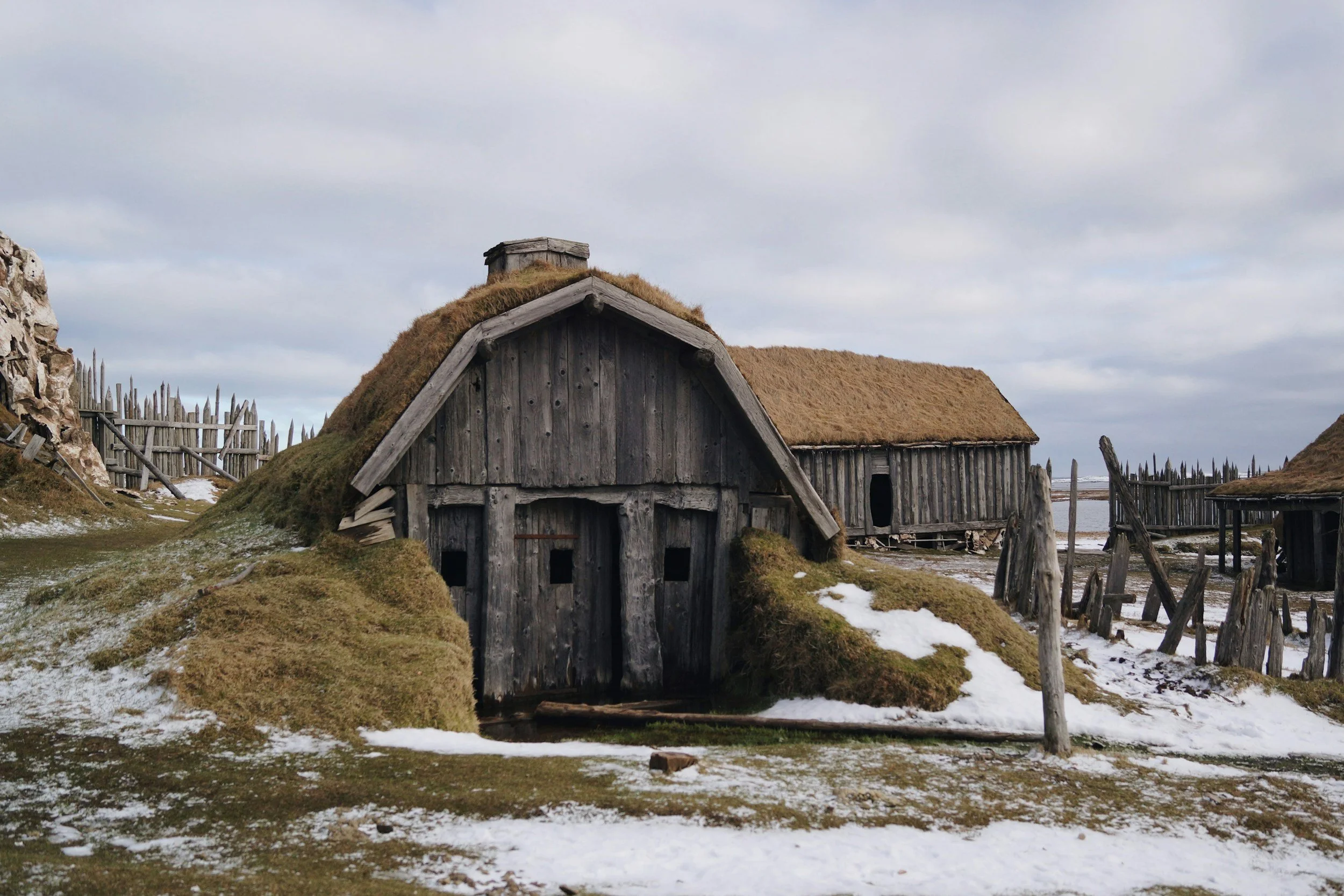
When the last Norse longships turned eastward away from the shores of Vinland around 1010 CE, they did not just leave behind the turf halls of L’Anse aux Meadows. They initiated a profound, eight-century intermission in the Scandinavian story of North America.
For nearly 800 years, the geographic expanse that would become Canada vanished from the Nordic consciousness.
Meet the Men Who Found North America Before Columbus
History has a habit of turning real people into legends.
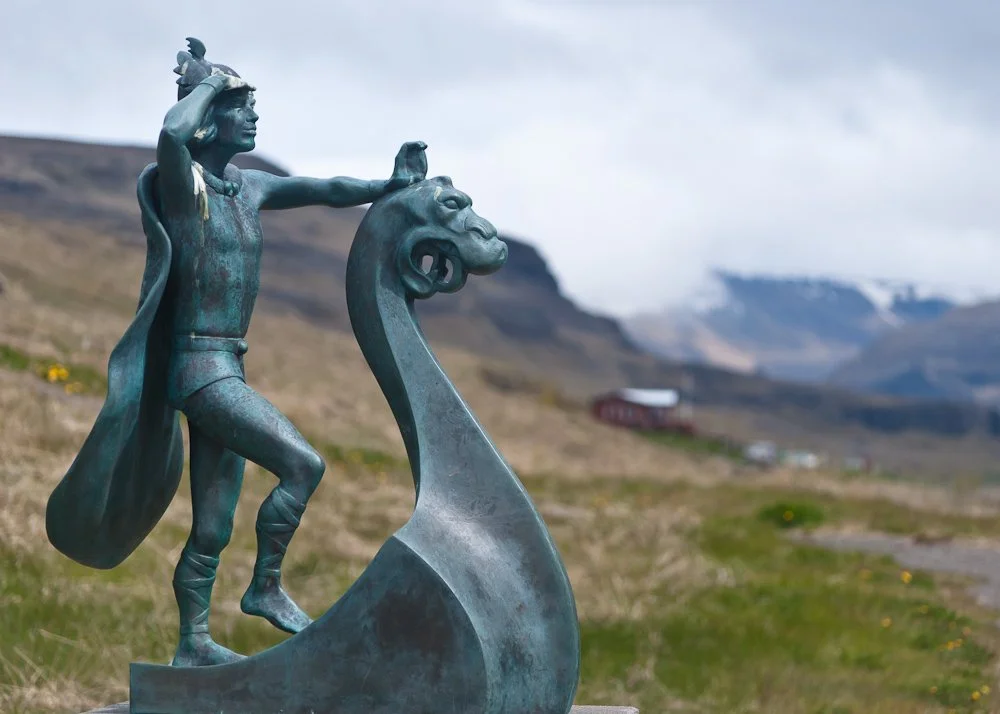
Few figures demonstrate that better than Erik the Red and his son, Leif Erikson. Together, pushed the boundaries of the known world farther west than any Europeans had ventured before. Their exploits eventually led to the first confirmed European landing in North America—nearly 500 years before Christopher Columbus.
Yet separating fact from fiction is no simple task.
The L'Anse aux Meadows Mystery
Nearly five centuries before Christopher Columbus crossed the Atlantic, another group of Europeans had already reached North America.
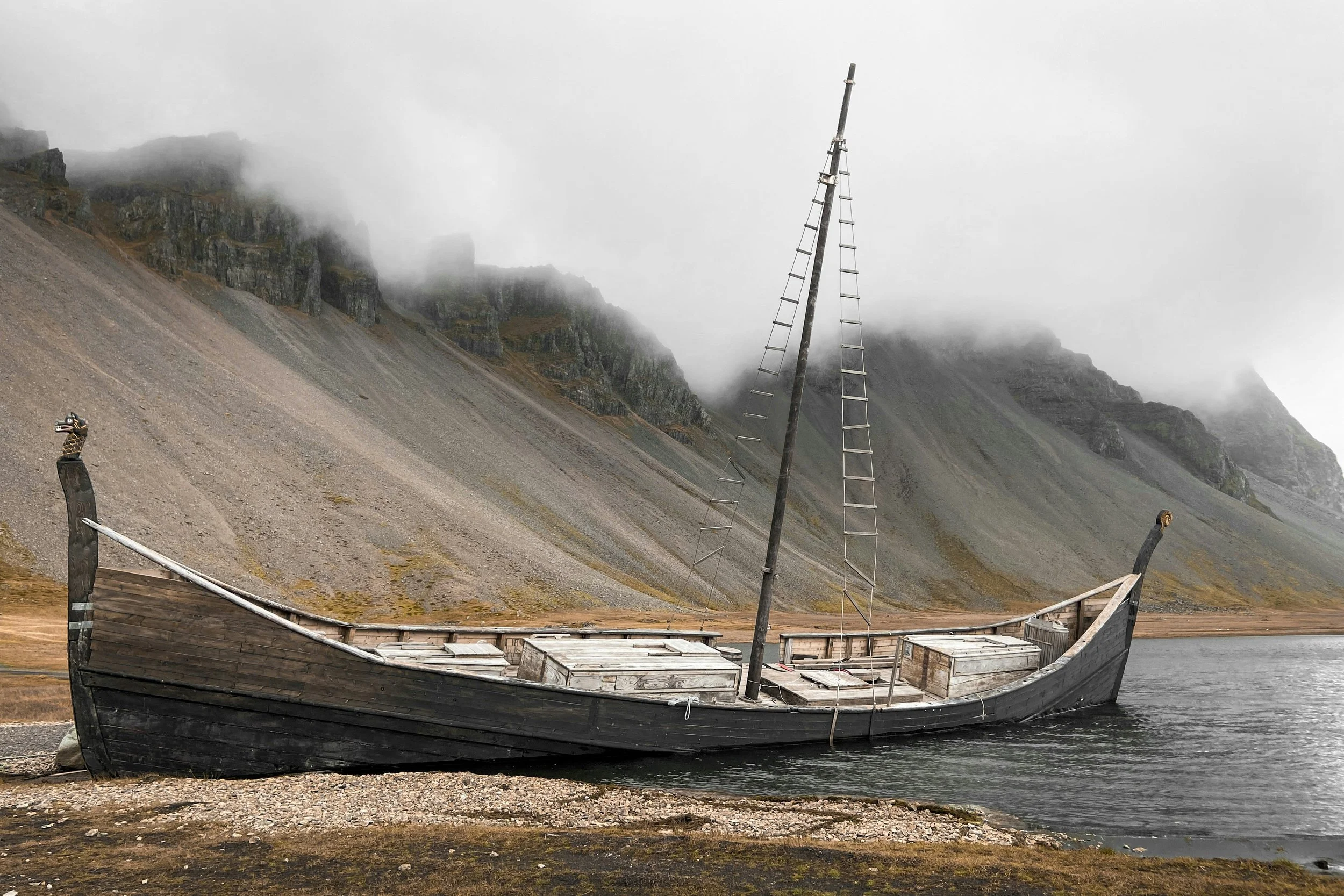
Around the year 1000 CE, Norse sailors from Greenland steered their longships west across the North Atlantic and landed on the northern tip of what is now Newfoundland. Led by Leif Erikson, son of Erik the Red, they established a small settlement that modern archaeology identifies as L'Anse aux Meadows.
The History of Scandinavian Migration to the Canadian Prairies
Nearly five centuries before Christopher Columbus crossed the Atlantic, another group of Europeans had already reached North America.
Around the year 1000 CE, Norse sailors from Greenland steered their longships west across the North Atlantic and landed on the northern tip of what is now Newfoundland. Led by Leif Erikson, son of Erik the Red, they established a small settlement that modern archaeology identifies as L'Anse aux Meadows.