
Lord Dufferin Comes to Gimli
Why Canada’s Governor General Visited New Iceland After the Smallpox Quarantine
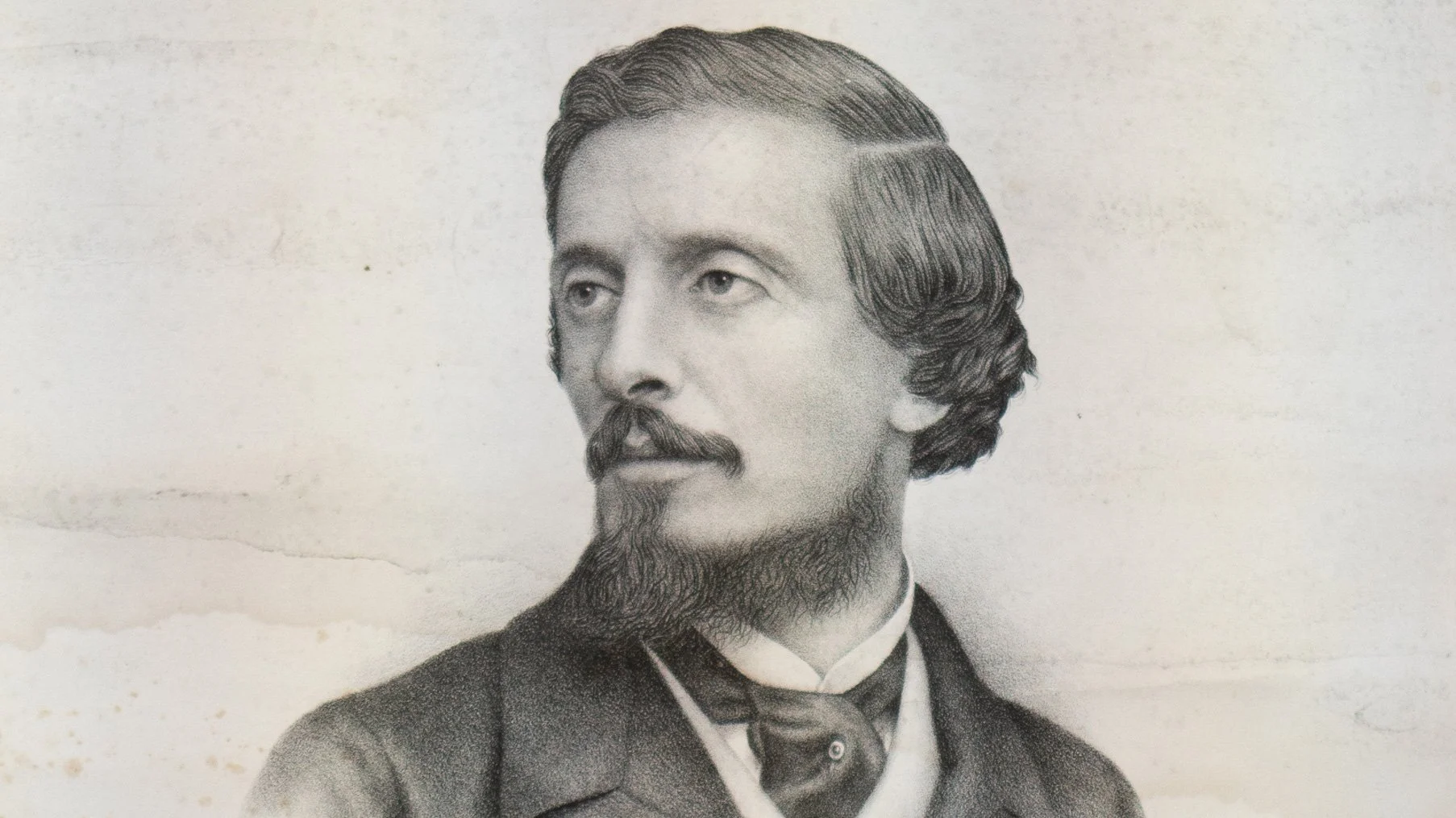
Frederick Temple Hamilton-Temple-Blackwood, 1st Marquess of Dufferin and Ava (1826–1902), served as Governor General of Canada from 1872 to 1878. A British diplomat, writer and former traveller in Iceland, he toured widely across Canada and became an early supporter of Icelandic immigration and the New Iceland settlement.
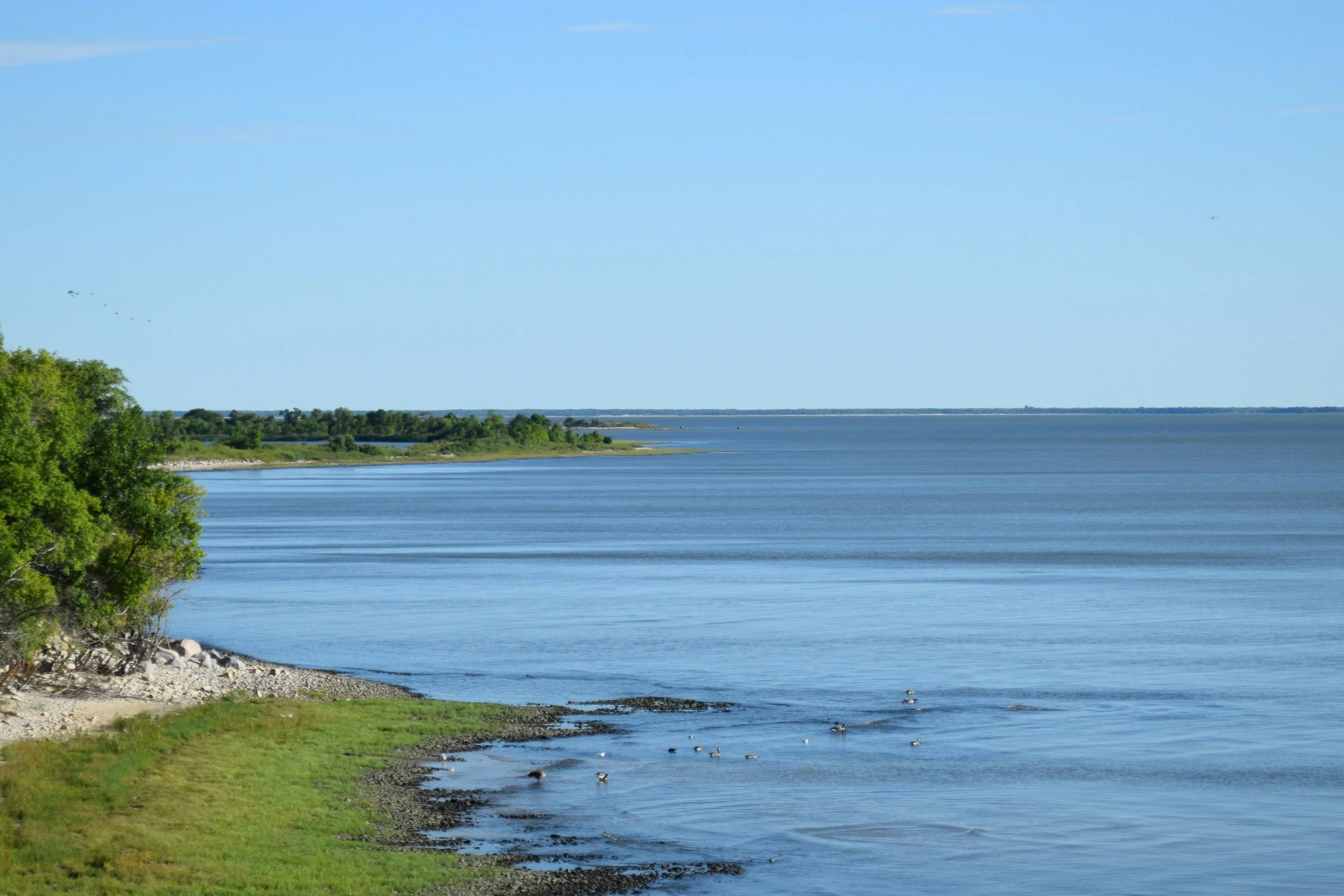
On the morning of September 14, 1877, the Hudson’s Bay Company steamer Colvile appeared off Gimli.
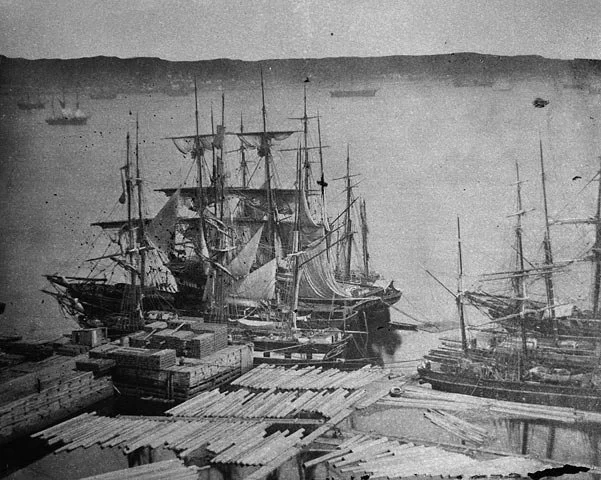
The visit was already a week behind schedule. Lord Dufferin had planned to stop in New Iceland before continuing north to Grand Rapids, but delays involving the steamer disrupted the itinerary. On the return journey, rough weather prevented the ship from entering Gimli harbour on September 13. The Colvile continued south to Lower Fort Garry, where Lady Dufferin and the other women in the party went ashore.
Lord Dufferin persuaded the captain to return north the following morning. No one in Gimli expected to see the ship coming back. John Taylor, the Canadian agent responsible for New Iceland, went out to meet him.
Canada’s Governor General was arriving less than two months after the end of a smallpox quarantine that had isolated the colony through much of its second year. The epidemic had damaged New Iceland’s reputation and raised doubts in Winnipeg and Ottawa about whether the settlement should continue.
Dufferin had supported Icelandic immigration before the colony was created. His visit would allow him to see the settlement for himself and publicly reconsider the confidence he had placed in its residents.
Interested in the whole history of Scandinavians coming to the Canadian Prairies? Start here.
A Colony Still Under Suspicion
By late July 1877, the quarantine had ended and residents of New Iceland were again free to leave the district in search of employment. Fear of the colony continued. Some Manitobans still believed the settlement was contaminated by smallpox or another disease.
The Manitoba government discreetly discouraged Dufferin from visiting. The Hudson’s Bay Company agreed to transport him aboard the Colvile, although historian Ryan Eyford describes the company as reluctant to do so.
The stop at Gimli formed part of a wider tour of Manitoba and the Northwest. Dufferin had visited communities across the region before travelling through the Winnipeg River system and north across Lake Winnipeg to Grand Rapids. The western tour supplied the itinerary, while the recent epidemic gave the Gimli stop particular importance.
New Iceland was a federal colonization project. In October 1875, the Canadian government reserved land along the western shore of Lake Winnipeg for Icelandic immigrants. The policy formed part of a wider effort to place European agricultural settlements across Indigenous territory in the Northwest.
Approximately 250 Icelanders arrived at Willow Point on October 21, 1875. Another 1,143 reached Quebec in two parties during July 1876, and most continued to New Iceland. Smallpox entered the migration route and spread through the colony, leading to a quarantine that lasted from November 27, 1876, until July 20, 1877.
By September 1877, New Iceland had become a test of federal immigration policy. The government had helped transport the settlers, supplied the colony and responded to the epidemic. Its future remained uncertain.
Dufferin’s Earlier Connection to Iceland
Dufferin’s interest in Iceland began two decades before his arrival at Gimli.
In 1856, he travelled to Iceland during a North Atlantic voyage aboard his schooner Foam. He published his account the following year as Letters from High Latitudes. The book became a popular work of travel writing and was familiar to Canadian officials involved in immigration policy.
That experience gave Dufferin unusual influence when the Canadian government began considering Icelandic immigration.
In May 1873, Department of Agriculture secretary John Lowe asked whether Icelanders would adapt successfully to Canada. Dufferin replied that they would make good immigrants, comparing them favourably with Norwegians and describing them as peaceful Lutherans.
Lowe then told Canada’s chief emigration agent in London that Icelandic immigration was desired. He offered access to the Northwest, where heads of families and adults over twenty-one could claim 160-acre homesteads.
The offer did not immediately create New Iceland. The settlement project developed two years later through the work of John Taylor, Sigtryggur Jónasson, other Icelandic delegates and federal officials. Dufferin’s assessment had already helped place Icelanders among the northern European populations Canadian officials considered suitable for western settlement.
His reputation was therefore attached to the colony before he set foot in Gimli.
New Iceland Becomes a Political Problem
New Iceland’s first two years weakened the favourable image that officials had promoted.
In April 1877, Lieutenant Governor Alexander Morris commissioned Dr. James Spencer Lynch to report on the colony’s condition and prospects. Lynch had worked as a medical officer during the epidemic. He attributed crowded housing, poor sanitation, slow agricultural development and continuing illness to what he described as deficiencies in Icelandic character.
His report relied on racial theories common among nineteenth-century officials. Lynch described the settlers as apathetic and poorly equipped for life in the Canadian Northwest, turning the conditions created by migration, inadequate preparation and quarantine into evidence against the immigrants themselves.
The report increased doubts in Ottawa. William Krieger was dismissed as the government’s Icelandic emigration agent in February 1877 because officials considered further recruitment unwise while New Iceland remained in difficulty. John Lowe warned Taylor that federal assistance could be withdrawn to force the colonists toward self-reliance. Further aid to the existing settlement was formally cut off in May.
Political opponents also pointed to New Iceland as evidence of a failed colonization policy. By the spring of 1877, the government had spent or advanced almost $100,000 on transportation, supplies, roads and emergency support. Officials knew that the colony’s collapse would reflect on the people who had designed and administered the project.
Dufferin had previously assured the government that Icelanders would become successful immigrants. His visit gave him an opportunity to renew that judgment in public.
What Dufferin Saw in Gimli
John Taylor took Dufferin through the village and into settlers’ homes.
The Governor General then travelled about a mile west along a road the colonists had cut through the forest. He visited three farms, examined the buildings and spoke with residents about their current circumstances and plans.
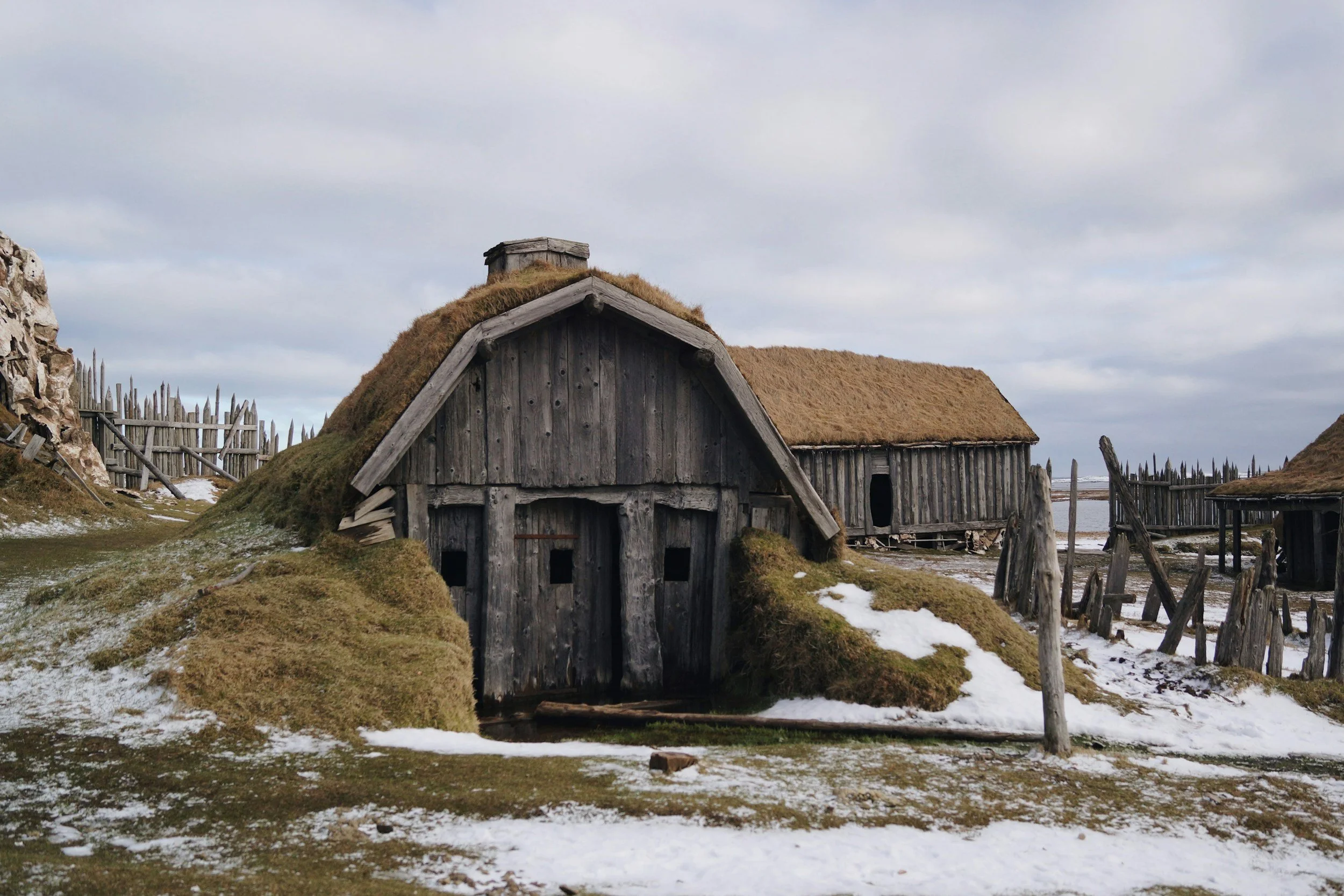
One of the farms was Nýibær, the home of Páll Jónsson, Ólöf Níelsdóttir and their nine children. The family had arrived from Iceland during the summer of 1876 with little capital and had relied heavily on the government loan provided to the colonists.
Dufferin was particularly struck by the books he found inside modest homes. He later remarked that even cottages with bare walls and little furniture contained “a library of twenty or thirty volumes.” Icelandic settlers had carried printed books and handwritten manuscripts across the Atlantic and through the journey west.
The books supported one part of Dufferin’s earlier assessment. The colonists had limited experience with the farming methods, forest work and road construction expected in Canada, but literacy was widespread.
His interpretation remained shaped by the racial thinking of the period. He viewed education as evidence that Icelanders could develop into the kind of settlers Canadian officials wanted.
A Speech About the Colony’s Future
By four o’clock that afternoon, more than one hundred Icelanders had gathered for the formal reception.
Fridjón Friðriksson addressed Dufferin in Icelandic and handed him an English translation. He described the shortages, illness, flooding and smallpox the colonists had endured during their first two years. He thanked the Canadian government for the financial assistance that had kept families alive, then outlined the settlement’s prospects in farming, fishing and timber.
Dufferin responded with a public endorsement of the colony.
He told the settlers that he had “pledged my personal credit” to the successful development of New Iceland. The statement connected his reputation directly to the settlement at a time when its future was under debate.
He also presented land ownership as the basis of independence in Canada. Those who persevered could become freeholders, responsible for their own farms and no longer dependent on landlords or employers.
The promise carried considerable appeal for immigrants from a country where access to farmland was limited. The route from homestead claim to secure ownership remained difficult.
Páll Jónsson and Ólöf Níelsdóttir had completed the basic improvements required for a land patent by 1879. Páll still owed the government $574.44 for assistance received during the family’s first years in Canada. Under the rules applied to the Icelandic reserve, he had to repay that debt before receiving title.
Flooding forced the family and many of their neighbours to leave the Willow Creek settlement in 1880. Their labour had improved the land, but they never secured ownership of the farm Dufferin had visited.
Dufferin’s speech described the future Canada offered. Nýibær showed how difficult that future could be to reach.
Icelandic Literature in British Canada
Dufferin expected the immigrants to become British subjects and participate in Canadian political and economic life. He also encouraged them to continue reading Icelandic literature and teaching the sagas to their children.
He praised the qualities that the sagas associated with Icelandic history, including endurance and perseverance. His support for literary continuity operated within an imperial expectation that the newcomers would develop an attachment to Canada and British institutions.
The subject was particularly relevant in New Iceland. Four days before Dufferin’s visit, the colony had published the first issue of Framfari. The Icelandic-language newspaper reported local affairs, printed government information and provided a forum for political debate. It continued publication until 1880.
Dufferin’s address gave Icelandic literature a public place within his vision of Canadian settlement. The colonists could carry their books and sagas into their new lives while entering the political order Canada was extending across the Northwest.
The Kind of Settlers Canada Wanted
Dufferin’s praise reflected the racial hierarchy that shaped Canadian immigration policy.
Government officials frequently classified European populations according to their supposed capacity for farming, self-government and adaptation. Icelanders were associated with Norwegians and other northern Europeans considered desirable for settlement.
Dufferin described them as members of an old Norse population whose abilities had been restricted by Iceland’s isolation and environment. He believed migration to Canada would allow those abilities to develop under new economic and political conditions.
The same system denied Indigenous people access to the homestead rights offered to European immigrants. The 1876 Indian Act prevented First Nations people from acquiring homestead rights on surveyed or unsurveyed Crown land.
New Iceland was created on territory used and occupied by Cree, Ojibwa and Métis communities. Indigenous leaders had asked the Canadian government to recognize claims along the western shore of Lake Winnipeg. Officials rejected or redirected those requests while reserving the district for Icelandic immigration.
The smallpox epidemic then spread beyond the immigrant settlement, causing severe loss in nearby Indigenous communities, including Sandy Bar. Dufferin’s visit took place within a colonization project that had brought Icelandic hardship and Indigenous displacement into the same district.
His speech welcomed Icelanders into the expanding Canadian state and presented agricultural settlement under British authority as the region’s expected future.
What the Visit Changed
Dufferin’s endorsement was reproduced in newspapers and helped restore federal confidence in the colonization project.
Within days, the federal ministers responsible for Agriculture and the Interior arrived with senior officials to inspect New Iceland. They examined homes and farms and questioned residents about the settlement’s condition. John Lowe later published an anonymous article in the Globe defending the government’s policies and describing the Icelanders as orderly, literate and capable of progress.
The change soon affected immigration policy. Active recruitment in Iceland resumed. Krieger was rehired for another recruiting trip, and Sigtryggur Jónasson prepared material promoting the settlement to prospective immigrants.
Dufferin could not improve the soil, erase the colonists’ debts or repair the losses caused by the epidemic. His visit changed the official discussion surrounding New Iceland.
The colony had previously appeared in government reports and newspapers as an expensive and possibly failing experiment. After September 1877, officials defending the settlement could cite the Governor General’s personal inspection and public support.
Local Government Was Already Taking Shape
Dufferin did not begin New Iceland’s system of local government. The process had started months before he arrived.
Public meetings were held at Gimli and Icelanders’ River in January 1877. Committees drafted proposals that were combined and approved by a majority vote at Gimli on February 5. The temporary regulations created a structure for managing local affairs in a district where ordinary municipal institutions were unavailable.
The colonists continued debating and revising the rules after Dufferin’s visit. A fuller set of governmental regulations took effect on January 14, 1878. They addressed elections, roads, taxation, public assistance, records, estates and the settlement of disputes.
Later writers sometimes described New Iceland as a republic. The 1878 document used language closer to governmental regulations or bylaws, and New Iceland remained under Dominion authority within the District of Keewatin. Its residents had created a broad system of local administration for an isolated community.
Dufferin’s visit brought national recognition to the settlement. New Iceland’s legal status remained unchanged, and the colonists continued the work of administering their own local affairs within Canada.
A Visit with Political Consequences
The Colvile carried Lord Dufferin away from Gimli after a visit that had nearly been cancelled.
He had toured the village, examined farms and spoken directly with residents. His public endorsement challenged the racial assessments and political criticism that had surrounded New Iceland after the epidemic.
The visit offered no guarantee of success. Debt, religious conflict, poor harvests and flooding would lead many of the first settlers to leave during the following years. Páll Jónsson and Ólöf Níelsdóttir were among them.
Dufferin’s words still affected the colony’s position. Federal ministers followed him to New Iceland, officials publicly defended the project and immigration recruitment resumed. The settlement remained an important centre of Icelandic migration and cultural life in North America.
By the time the Governor General arrived, residents had already begun deciding how their community would operate. Their temporary rules would soon be replaced by a more comprehensive system of local government.
Coming Next
How New Iceland Governed Itself
The Governmental Regulations of 1878
In January 1878, New Iceland placed its revised governmental regulations into effect. The system divided the settlement into four districts and assigned local officials responsibility for roads, taxation, public assistance, records and disputes.
The regulations gave an isolated immigrant community a way to administer local affairs while it remained under Canadian jurisdiction.
Further Reading and Sources
Dufferin and Ava, Frederick Temple Hamilton-Temple-Blackwood. Speeches and Addresses of the Right Honourable Frederick Temple Hamilton, Earl of Dufferin.
Dufferin and Ava, Harriot Georgina Blackwood. My Canadian Journal, 1872–78: Extracts from My Letters Home Written While Lord Dufferin Was Governor-General. New York: D. Appleton, 1891.
Eyford, Ryan Christopher. An Experiment in Immigrant Colonization: Canada and the Icelandic Reserve, 1875–1897. PhD dissertation, University of Manitoba, 2010.
Eyford, Ryan. White Settler Reserve: New Iceland and the Colonization of the Canadian West. UBC Press, 2016.
Thor, Jonas. Icelanders in North America: The First Settlers. University of Manitoba Press, 2002.
Jónasson, Sigtryggur. “The Early Icelandic Settlements in Canada.” Transactions of the Historical and Scientific Society of Manitoba, 1901.



By the time Lord Dufferin left Gimli in September 1877, New Iceland had already spent months governing many of its local affairs under rules its residents had adopted themselves.