
The L'Anse aux Meadows Mystery
Why the Vikings Abandoned Canada
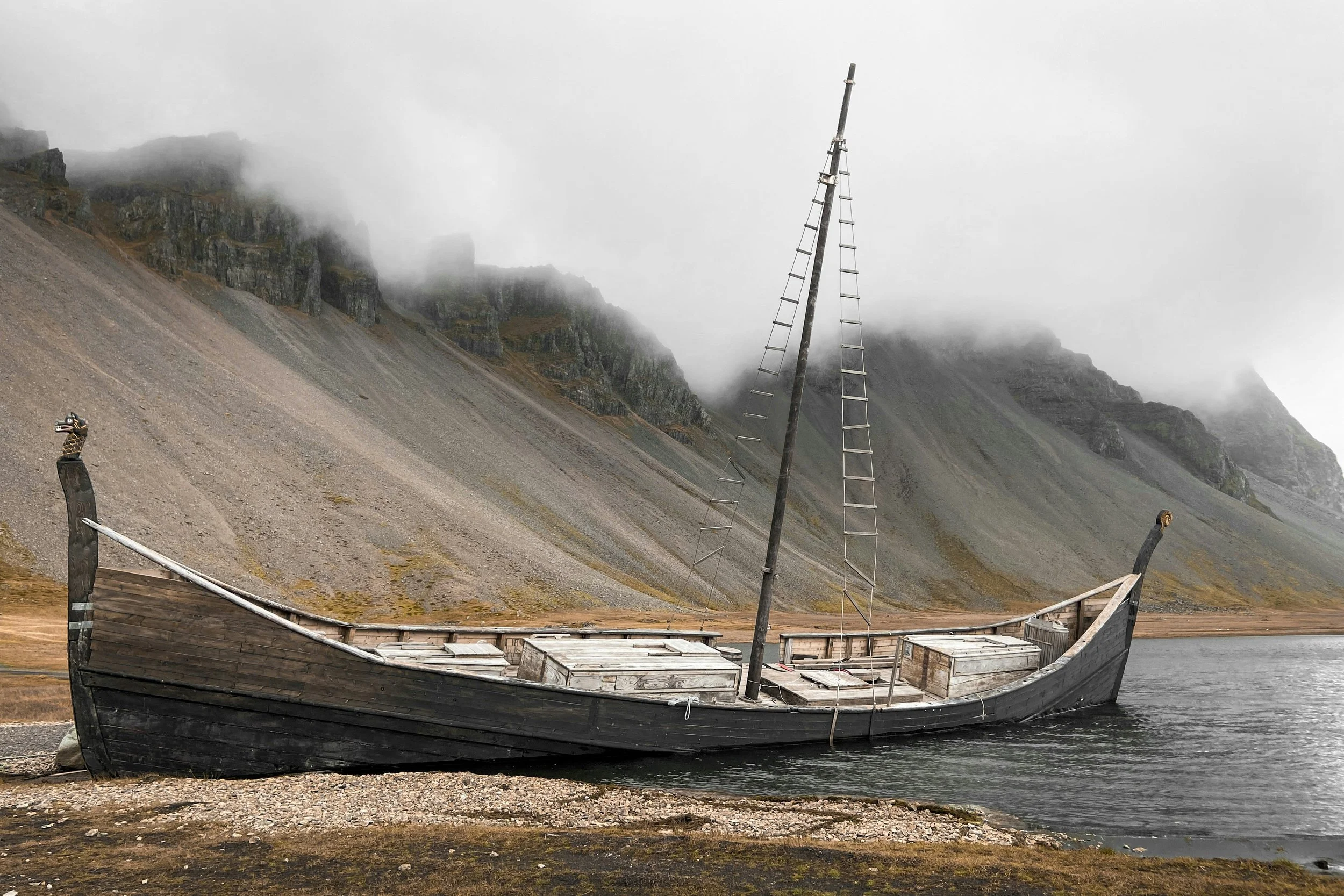
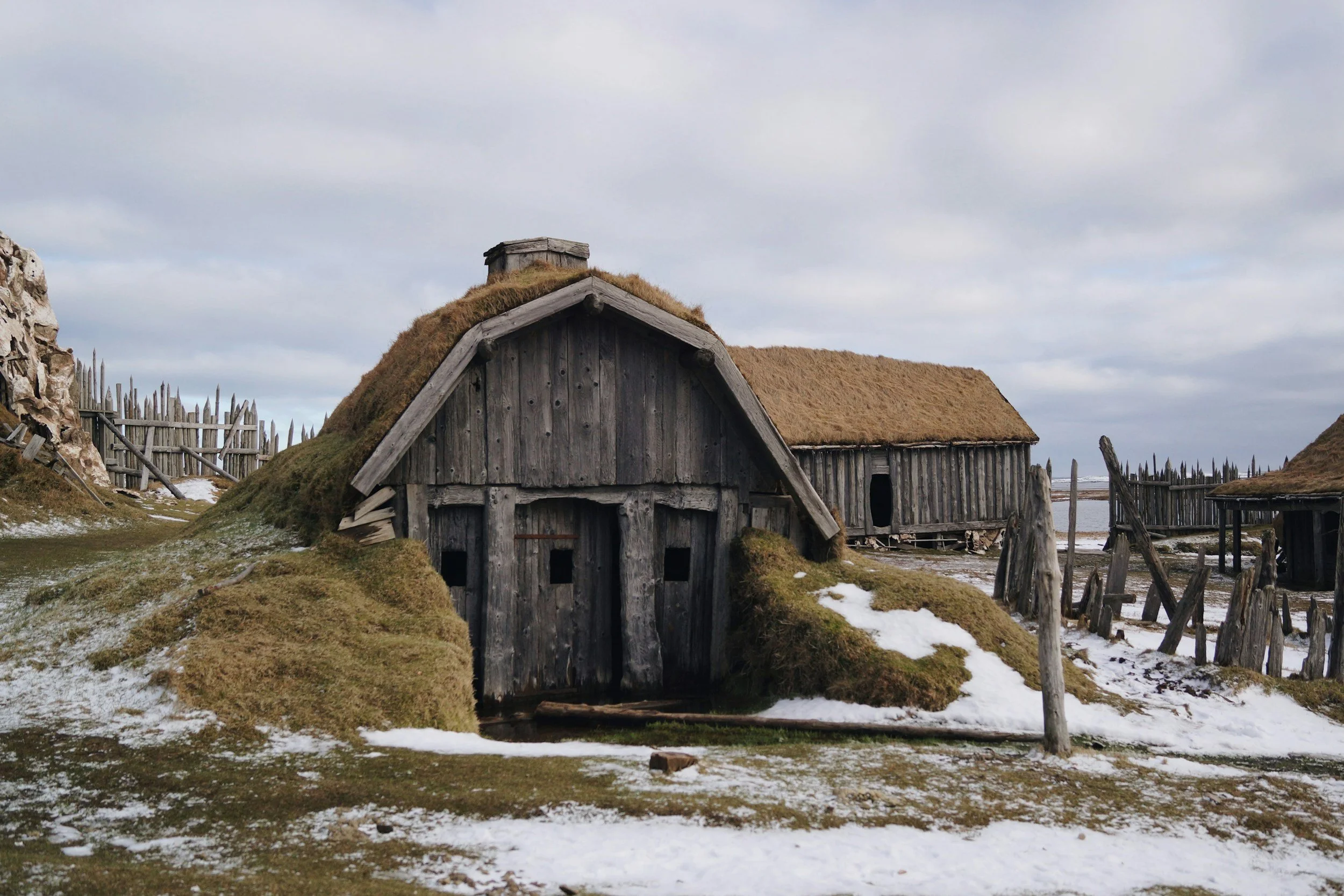
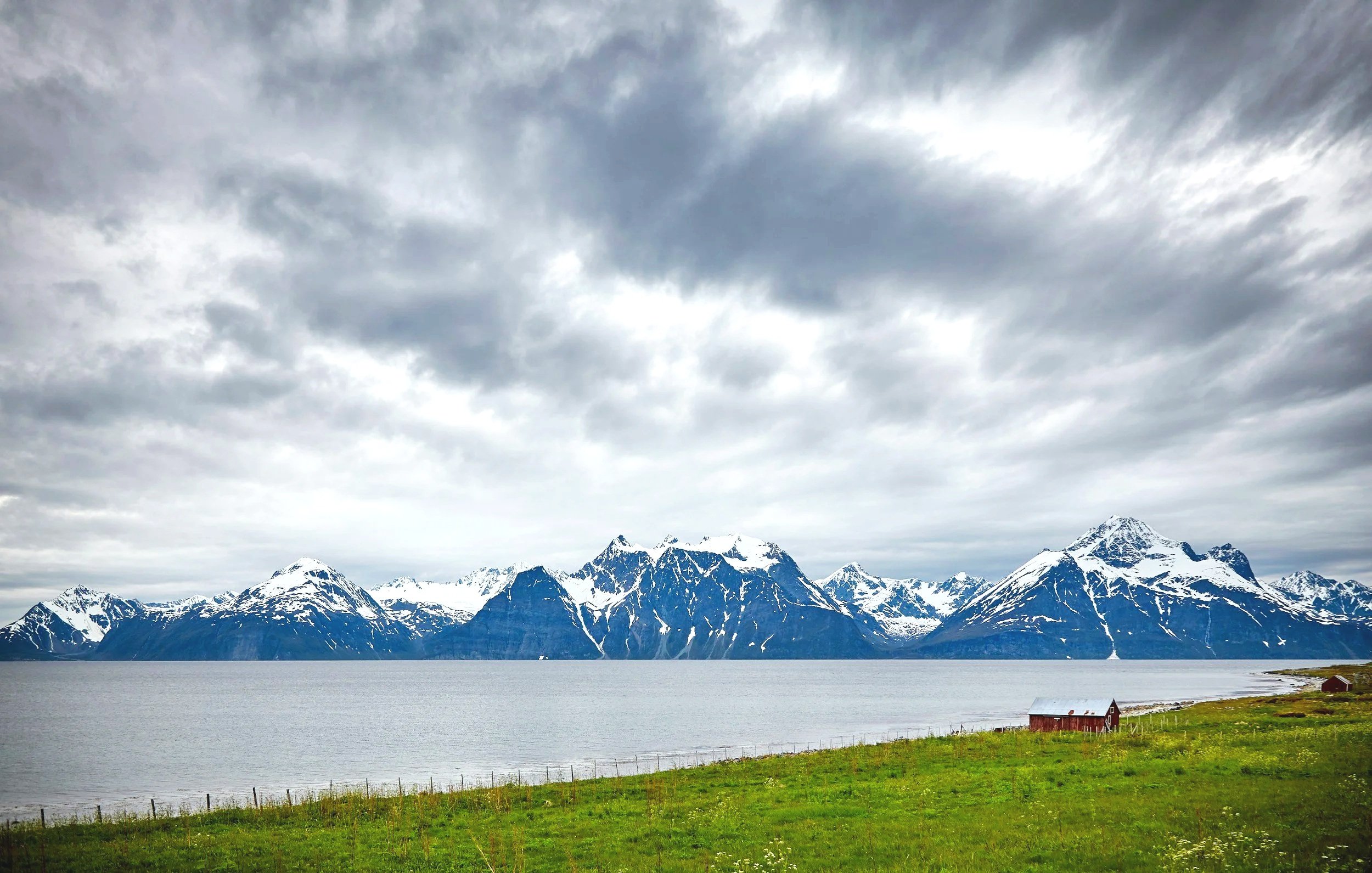
A Viking-esque boat is banked before the shores of what could be Newfoundland or Greenland. Photo by Ashutosh Gupta on Unsplash
Nearly five centuries before Christopher Columbus crossed the Atlantic, another group of Europeans had already reached North America.
Around the year 1000 CE, Norse sailors from Greenland steered their longships west across the North Atlantic and landed on the northern tip of what is now Newfoundland. Led by Leif Erikson, son of Erik the Red, they established a small settlement that modern archaeology identifies as L'Anse aux Meadows.
For a brief moment, Canada became home to Europe's first known settlement in the Americas.
Then, almost as quickly as they arrived, the Norse disappeared.
Within only a few years, they dismantled their outpost, loaded their ships, and sailed back to Greenland. Unlike later European colonists, they never established a permanent presence, and for nearly eight centuries no Scandinavian community would again attempt to settle Canada.
For a series exploring how Scandinavians eventually transformed the Canadian Prairies, this raises an obvious question:
Why did the Vikings fail where later Scandinavian immigrants succeeded?
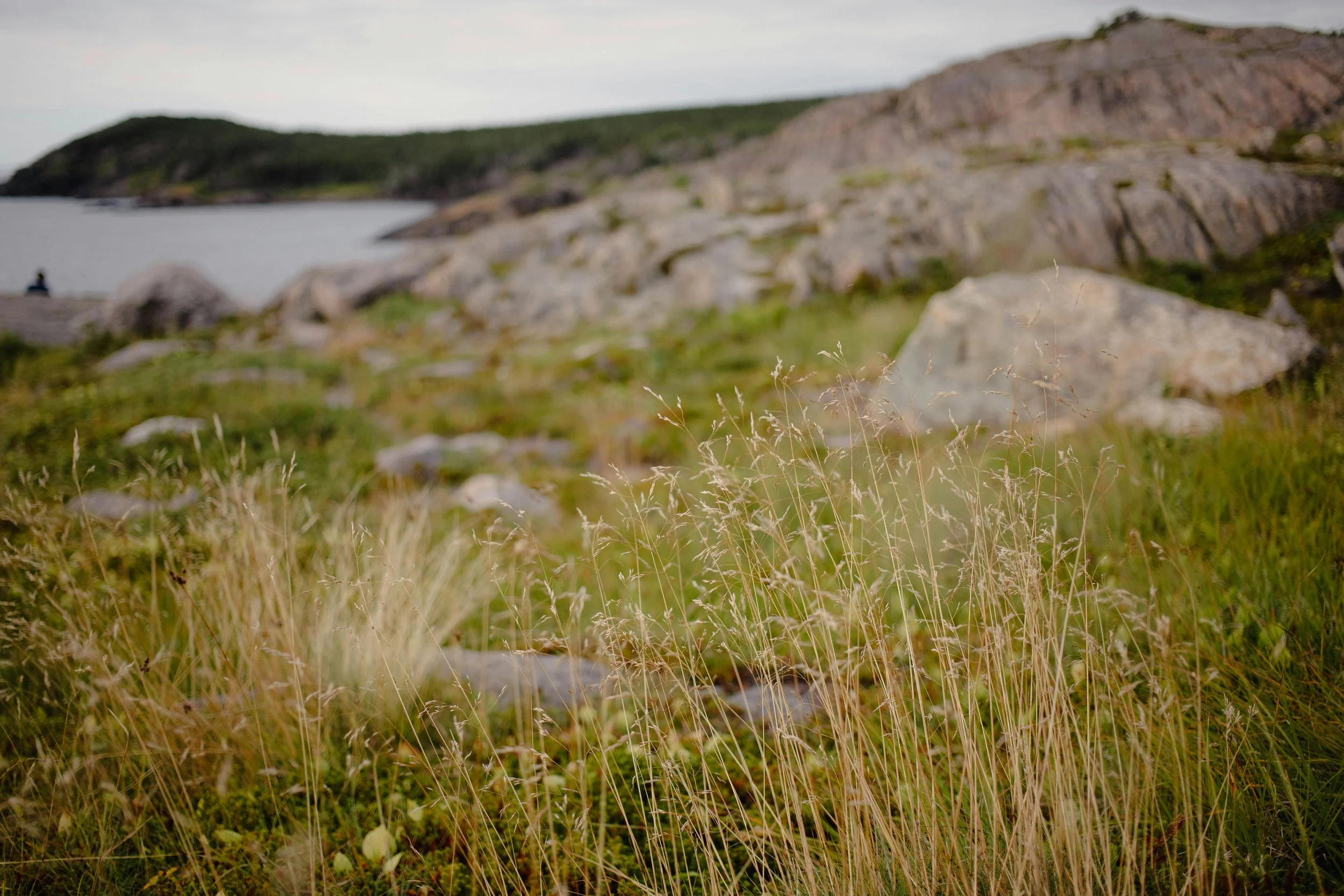
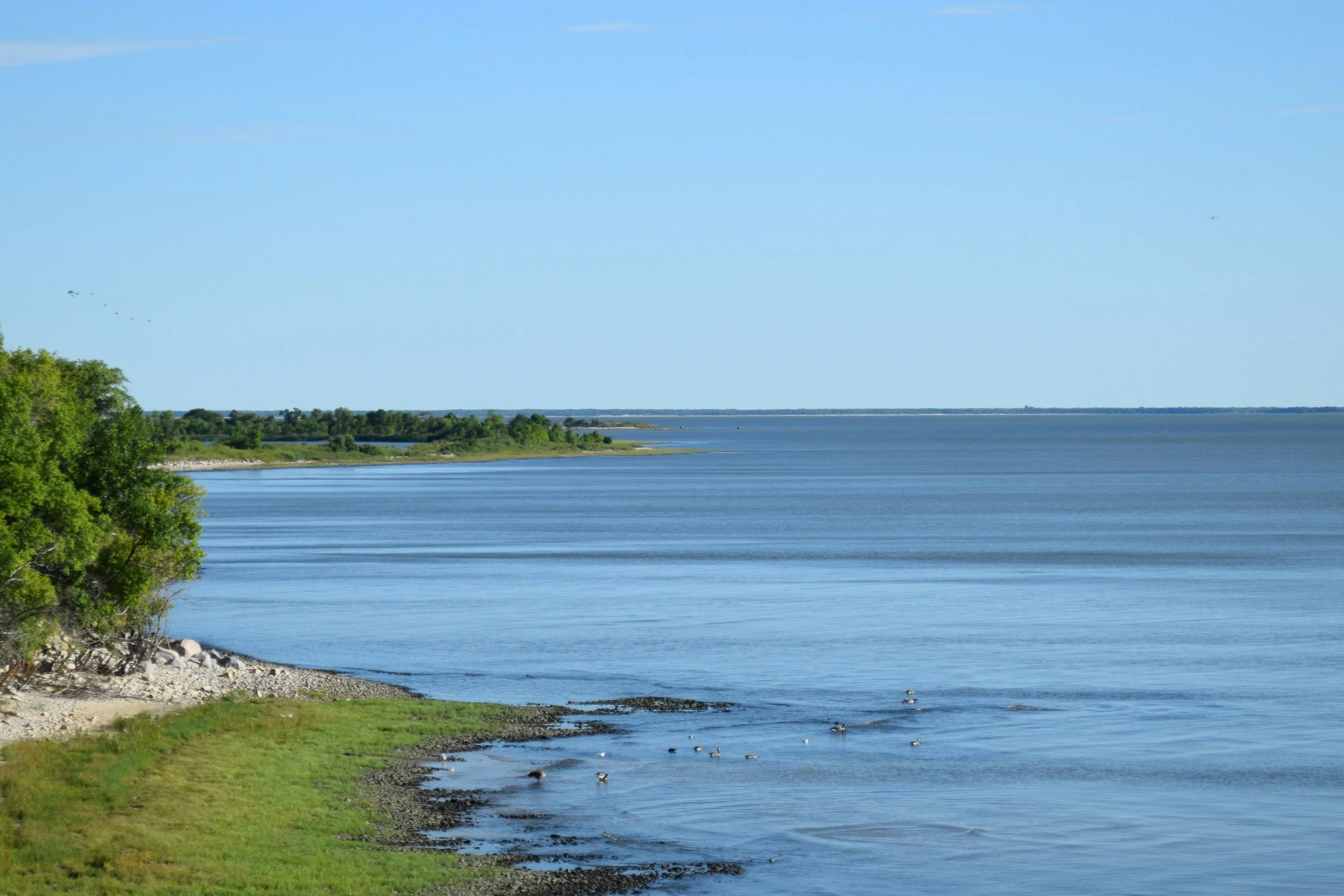
Some of Newfoundland’s rocky landscape. Photo by Erin Minuskin on Unsplash
A Settlement Built for Exploration
For generations, the Vinland Sagas were dismissed by many historians as colourful medieval legends. That changed dramatically in the 1960s, when Norwegian archaeologists Helge and Anne Stine Ingstad excavated L'Anse aux Meadows on Newfoundland's Great Northern Peninsula.
Their discovery confirmed that Norse explorers had indeed reached North America around the year 1000.
What they uncovered, however, surprised many researchers.
L'Anse aux Meadows was not a farming village. It was something closer to a logistical base camp.
Guided by historical clues in the sagas, the couple searched the coast until a local fisherman, George Decker, led them to a series of grass-covered mounds the community called an 'old Indian camp.' Excavations soon revealed these overgrown ridges were actually the collapsed turf-and-timber walls of a 11th-century Norse outpost.
Archaeologists uncovered eight turf-and-timber buildings, including three large halls, workshops, storage buildings, and North America's earliest known iron-working site established by Europeans. Evidence of boat repair, woodworking, and metalworking suggests the settlement functioned as a seasonal staging point rather than a permanent colony.
The settlement likely housed between 70 and 90 people at its peak—an impressive expedition for its time, but hardly enough to build a lasting community.
Its location also appears carefully chosen.
Situated near the Strait of Belle Isle, the camp gave Norse sailors access to the Gulf of St. Lawrence and regions farther south, where forests were abundant. Greenland, by comparison, had very little timber. Wood suitable for shipbuilding and construction was one of the colony's most valuable resources.
Archaeologists have even discovered butternuts at the site—a species that does not grow in Newfoundland—indicating that Norse expeditions travelled considerably farther south than L'Anse aux Meadows itself.
The camp was less a destination than a gateway.
Why Vinland Looked So Promising
To Greenland's Norse settlers, North America must have seemed extraordinarily rich.
Instead of barren landscapes and limited forests, they encountered rivers, abundant wildlife, fisheries, and dense woodland.
The Icelandic sagas also describe wild grapes growing farther south, giving rise to the name Vinland—although historians continue to debate whether the name referred specifically to grapes, pastureland, or both.
Regardless of the precise meaning, the message seemed clear. Vinland offered resources that Greenland desperately lacked. So why abandon it?
Modern archaeology and historical scholarship generally point to three major reasons.
1. A Colony That Was Too Small
The first problem was demographic. The Norse colonies in Greenland were tiny.
Although estimates vary, Greenland's entire Norse population probably numbered only a few thousand people. Every voyage to Vinland represented a significant investment of ships, livestock, supplies, and experienced sailors.
Unlike later European empires, medieval Scandinavia had no large navy capable of maintaining overseas colonies. Sending fewer than one hundred settlers to Newfoundland stretched Greenland's resources.
If disease, accidents, or shipwreck reduced those numbers, there were few reinforcements available. The colony never had enough people to become self-sustaining.
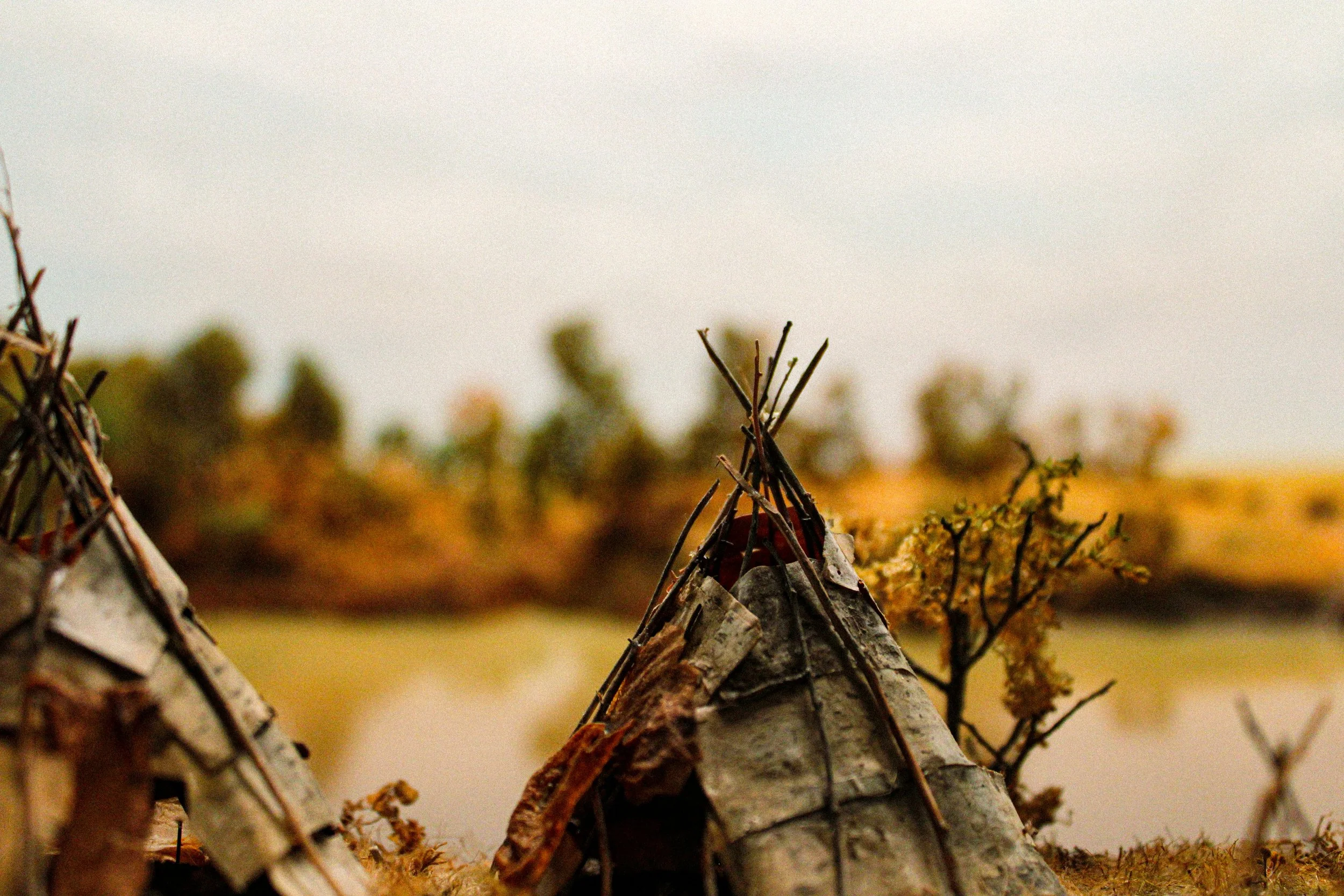
A diorama of an First Nations’ village. Please note that teepees are largely associated with the Canadian prairies and not the Indigenous peoples of Eastern Canada. Photo by Meressa Chartrand on Unsplash
2. Indigenous Peoples Already Lived There
The Norse were not entering an empty continent.
The Vinland Sagas describe encounters with Indigenous peoples whom the Norse called Skrælingar, a term whose exact meaning remains debated today. Scholars generally associate these encounters with Indigenous groups living in northeastern North America, although identifying specific communities remains uncertain.
Initially, some meetings appear to have involved trade.
According to the sagas, the Norse exchanged cloth and metal goods for animal pelts. However, these peaceful interactions eventually deteriorated into violence.
Whether the saga accounts are entirely accurate is impossible to know, but they consistently portray the Norse as recognizing a difficult reality — they were vastly outnumbered.
Even if Viking weapons offered technological advantages, a settlement of fewer than one hundred people had little chance of surviving prolonged conflict hundreds of kilometres from help.
The Norse seem to have concluded that the risks outweighed the rewards.
3. The Atlantic Was an Impossible Supply Line
Distance proved to be perhaps the greatest obstacle. While Newfoundland is relatively accessible today, a thousand years ago, the voyage from Greenland required navigating ice-filled seas, unpredictable weather, and thousands of kilometres of open ocean.
Every shipment of food, iron, tools, or replacement equipment depended entirely on successful voyages across one of the world's harshest marine environments.
Unlike later colonial powers, the Norse had neither the population nor the political infrastructure to sustain such an operation.
Archaeological evidence suggests they left deliberately rather than fleeing in panic. Valuable tools were removed before departure, indicating an organized withdrawal rather than a catastrophic defeat. In effect, the settlement simply became too expensive to maintain.
An Eight-Hundred-Year Silence
When the last Norse ships departed Vinland, European settlement in what is now Canada effectively came to an end.
For nearly eight centuries, no lasting Scandinavian communities would appear in North America.
When that ended in the late nineteenth century both Scandinavia and Canada had changed dramatically.
Industrialization, population growth, economic hardship, and agricultural modernization pushed many Scandinavians to seek new opportunities abroad. At the same time, the Canadian government actively recruited immigrants to settle the Prairies through policies such as the Dominion Lands Act of 1872, which offered 160-acre homesteads to eligible settlers.
This time, Scandinavians did not arrive as temporary explorers searching for timber. They came as farmers. Whether or not they had ever farmed before was a different question.
Norwegians, Swedes, Danes, Finns, and Icelanders established permanent communities across Manitoba, Saskatchewan, and Alberta, helping shape the cultural and agricultural landscape of Western Canada.
Coming Next
In the next article, we'll leave Newfoundland's rocky coastline behind and jump ahead nearly 900 years to explore why tens of thousands of Scandinavians chose the Canadian Prairies—and how government policy, economic opportunity, and chain migration transformed Western Canada into one of the largest centres of Scandinavian settlement outside Northern Europe.
Further Reading
Fitzhugh, William W., and Elisabeth I. Ward (eds.). Vikings: The North Atlantic Saga. Smithsonian Institution Press, 2000.
Ingstad, Helge, and Anne Stine Ingstad. The Viking Discovery of America: The Excavation of a Norse Settlement in L'Anse aux Meadows, Newfoundland. Checkmark Books, 2001.
Jones, Gwyn. The Norse Atlantic Saga. Oxford University Press, revised edition, 1986.
Wallace, Birgitta. "The Norse in Newfoundland: L'Anse aux Meadows and Vinland." Newfoundland and Labrador Studies 19, no. 1 (2003): 5–43.
Wallace, Birgitta. Westward Vikings: The Saga of L'Anse aux Meadows. Historic Sites Association of Newfoundland and Labrador.
Friesen, Gerald. The Canadian Prairies: A History. University of Toronto Press.
Widdis, Randy William. With Scarcely a Ripple: Anglo-Canadian Migration into the United States and Western Canada, 1880–1920. McGill-Queen's University Press.
Further reading in the series:
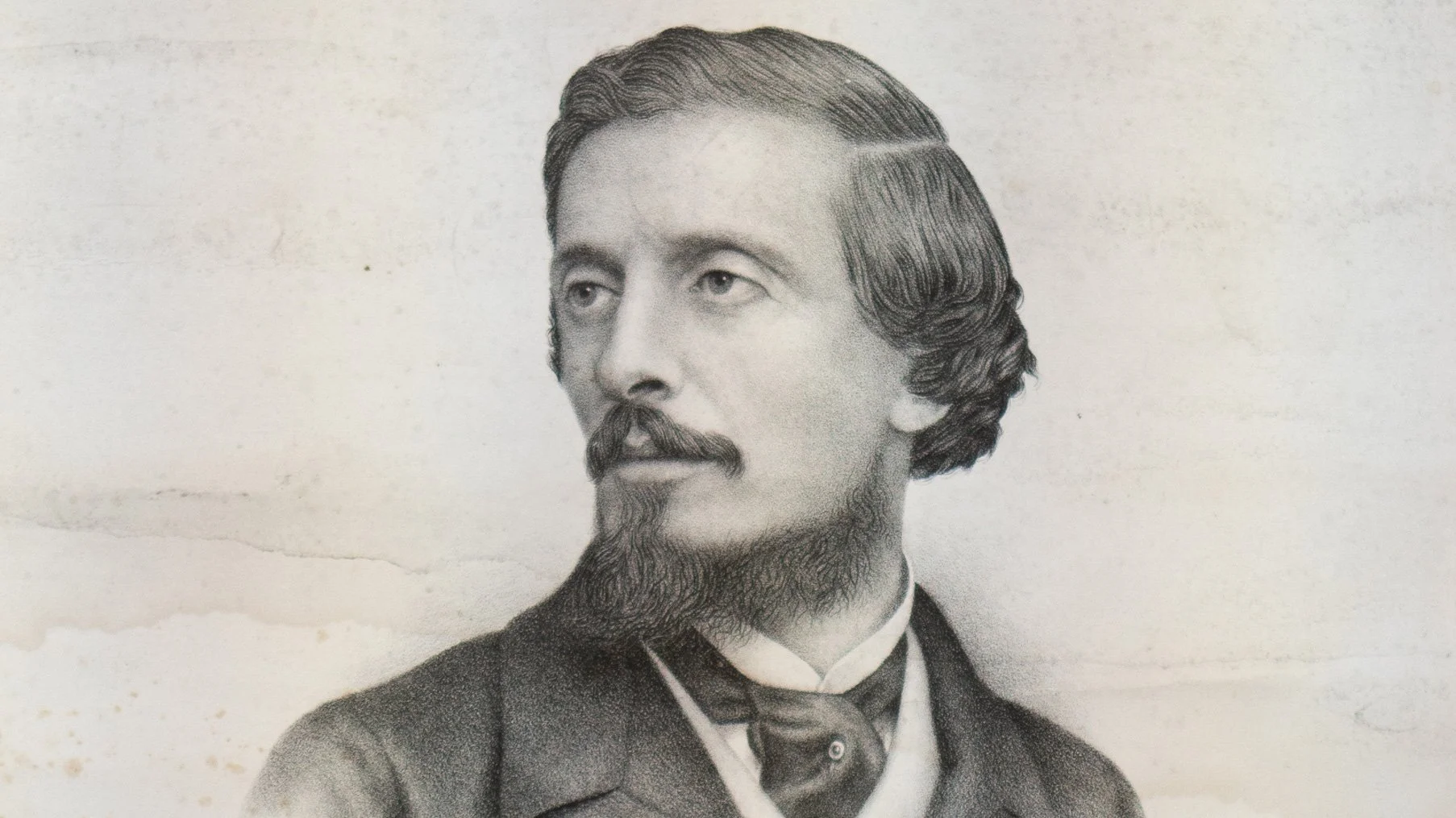



By the time Lord Dufferin left Gimli in September 1877, New Iceland had already spent months governing many of its local affairs under rules its residents had adopted themselves.