
Nets Beneath the Ice
How Lake Winnipeg fed New Iceland during the quarantine winter
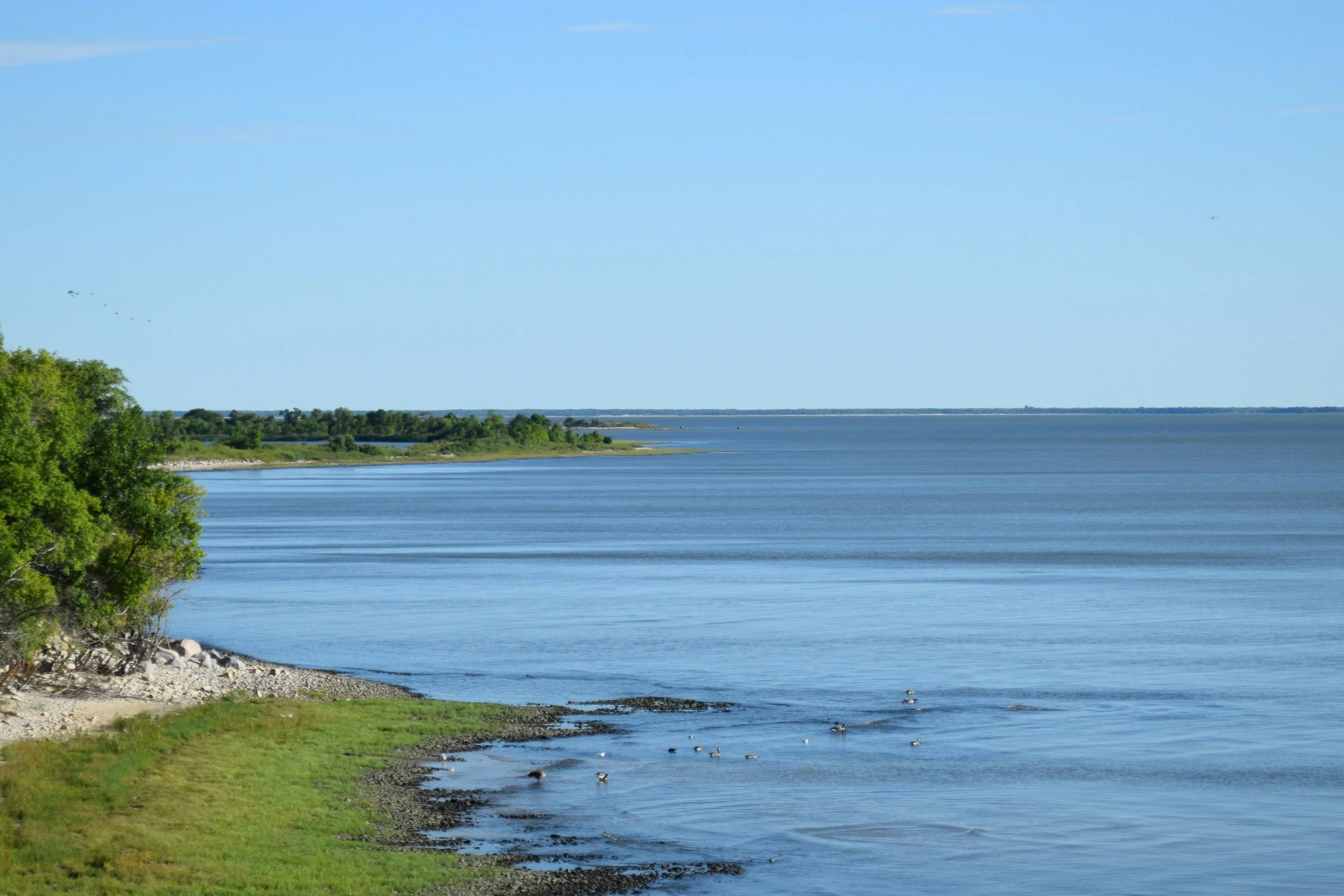
Lake Winnipeg is the 12th largest freshwater lake in the world. Photo by Cohen Berg on Unsplash
The Winter After the Quarantine
By January 1877, New Iceland faced a winter few had expected. The smallpox quarantine imposed the previous autumn still restricted travel along the west shore of Lake Winnipeg. Freight arrived slowly — when it arrived at all — the first harvest had produced little, and many families faced the coldest months of the year with cupboards that were already growing bare.
Beyond the cabins, the lake had changed. Autumn waves had given way to a broad sheet of ice stretching toward the eastern shore. Boats rested above the waterline where they had been pulled before freeze-up, but beneath several feet of ice, whitefish, pickerel, and lake trout continued their seasonal movements as they always had.
Few of the newcomers had arrived without fishing experience. Many had spent years on the North Atlantic, rowing open boats through cold seas, tending handlines and gillnets, and preserving cod with salt and wind before it was packed for market. Lake Winnipeg, however, asked different questions. The water was fresh instead of salt, the fish followed unfamiliar patterns, and winter fishing meant working through ice rather than from a pitching boat.
As supplies dwindled, the settlement's most dependable source of food lay beneath the frozen surface.
Fishing the North Atlantic
Long before they reached the west shore of Lake Winnipeg, many Icelandic families already measured the year by the fishing season. Along Iceland's coastline, small open rowing boats pushed away from rocky beaches before daylight, carrying crews equipped with handlines, longlines, or gillnets. Winter and spring brought the great cod fisheries, while summer and autumn were spent preparing the catch for the months ahead.
The work did not end when the boats returned. Fish were split with knives, salted, and hung on drying racks where cold air and steady winds transformed them into harðfiskur—hard-dried fish that could be stored for months without spoiling. Some fed the household through the winter. Much of it entered Iceland's export trade, where dried cod had been a valuable commodity for centuries.
Success depended on more than strong backs or good equipment. Crews learned to read changing weather, coastal currents, tides, and the colour of the sea itself. They knew where fish gathered at different times of year and how quickly conditions could change once the wind shifted.
Whitefish, pickerel, lake trout, and sauger moved through freshwater rather than the North Atlantic. Instead of rocky coasts and tidal waters, the shoreline opened into marshes, sheltered bays, river mouths, and long stretches of sandy beach. The lake rose and fell with wind rather than tides, then disappeared beneath ice for months each winter. Fish still followed seasonal routes, but they were routes the newcomers had never worked before.
When Lake Winnipeg Froze
By late autumn, the last open water disappeared beneath a growing sheet of ice. Boats were pulled above the shoreline to wait for spring, and before long, sleds had taken their place. What had been a broad expanse of water became a winter road. People crossed the lake on foot or by horse, hauling firewood, supplies, and fishing gear over ground that only weeks earlier had been navigated by boat.
The fish did not disappear with the ice. Whitefish, pickerel, and other species remained active beneath the frozen surface, moving through cold, oxygen-rich water in search of food. Reaching them required a different approach.
Under-ice fishing began with an axe or ice chisel. A hole was cut through the ice, then another some distance away. The challenge was connecting the two. Fishers used long poles or weighted lines to guide a gillnet beneath the ice until it stretched between the openings. Once set, the net remained suspended below the frozen surface, where fish swimming into its mesh became entangled.
The work continued for as long as the ice held. Nets had to be lifted, cleared of fish, repaired when necessary, and lowered back into place before the holes froze shut again. A net set only a short distance from where fish were travelling might produce a day's food. One placed in the wrong water could remain nearly empty, making the difference between a successful outing and a long walk home with little to show for it.
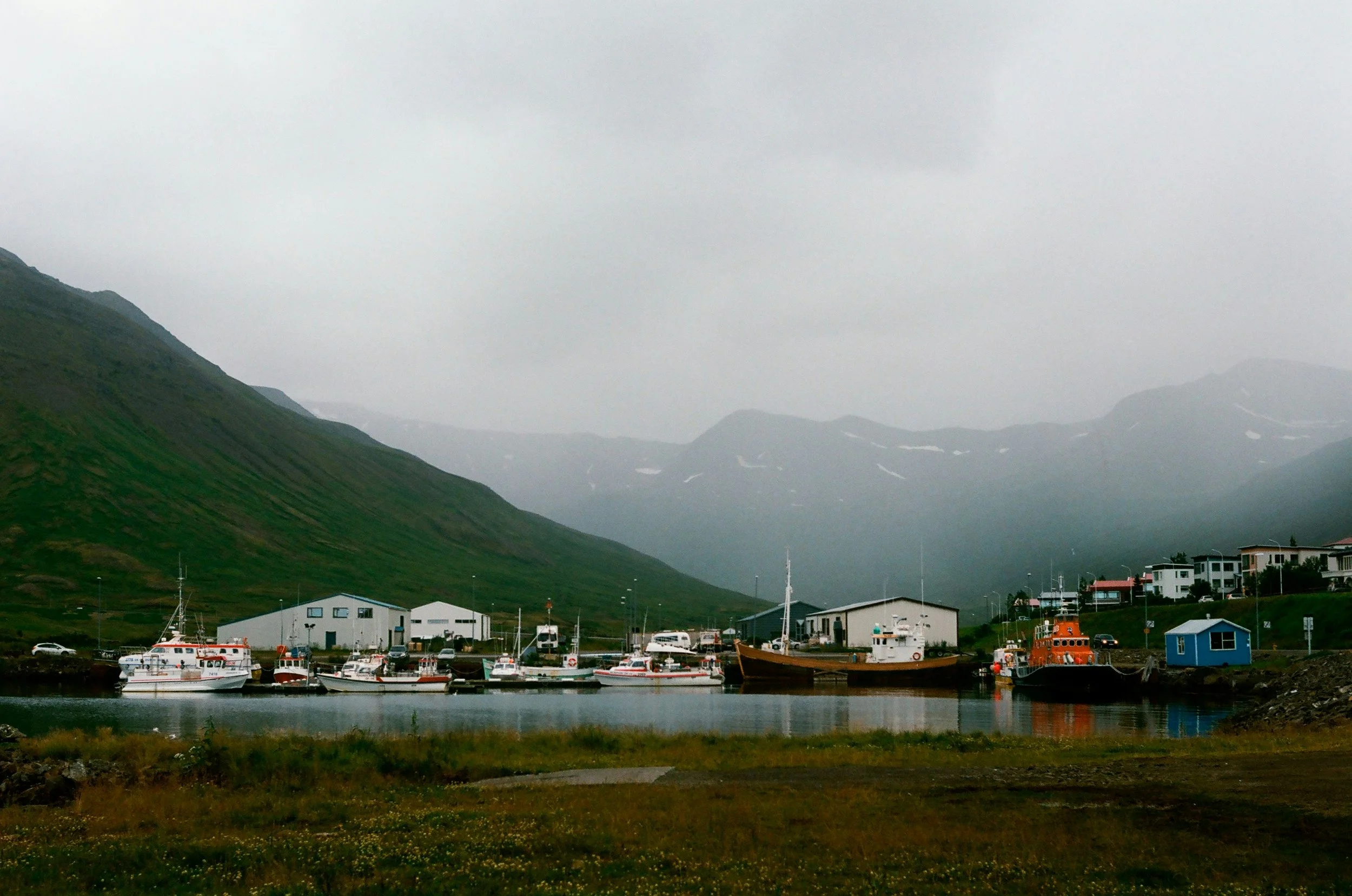
A fishing village in Iceland. Photo by Alena Timofeeva on Unsplash
Learning a Different Lake
Long before New Iceland was established, Saulteaux families had travelled, fished, and harvested along the western shore of Lake Winnipeg. The lake was neither unfamiliar nor unpredictable. Productive fishing grounds shifted with the seasons, winter routes crossed the ice where conditions were dependable, and underwater channels, reefs, and shoals influenced where fish gathered throughout the year.
That kind of knowledge accumulated over lifetimes. Ice that appeared solid could hide weak areas near river mouths or places where currents continued to move beneath the surface. A stretch of shoreline that looked much like the next might produce full nets while another remained empty. Knowing where to cross the lake safely was as practical as knowing where to set a net.
The Icelanders arrived with a different kind of experience. They understood nets, boats, weather, and the routines of commercial fishing on the North Atlantic. They knew how to mend torn mesh, preserve a catch, and judge changing conditions on open water. What they lacked was familiarity with this particular lake.
The historical record does not preserve the conversations that took place along the shoreline or beside holes cut through the winter ice. It does, however, point to an exchange of practical knowledge during those early years. The Icelanders understood maritime fisheries. The Saulteaux understood Lake Winnipeg. Together, those traditions allowed the newcomers to adapt more quickly to one of North America's largest freshwater lakes.
Fishing Through the Winter
A day's fishing often began with an axe over one shoulder and a bundle of nets loaded onto a sled. After reaching the chosen spot, the first task was opening the ice. Chisels widened the hole until there was enough room to lower a net and later pull it back to the surface. On colder days, new ice began forming almost immediately, and the openings had to be cleared again before the work could continue.
Once the net was in place, there was little to do but return. Some nets were checked daily, others after a longer interval, depending on weather, distance, and conditions beneath the ice. Fish caught in the mesh were removed by hand before the net was lowered again. Torn sections were mended with twine, broken floats replaced, and knots retied before small problems became large ones.
The catch had to be dealt with quickly. Fish were cleaned while still firm from the cold, then eaten fresh or preserved for the weeks ahead.
Winter settled into a rhythm of cutting, hauling, lifting, mending, and returning again the next day, as long as the ice held and the nets continued to fill.
From Emergency Food to Commercial Fishery
Through the quarantine winter, fish entered the cabins fresh from the nets or stiff with cold after the trip back across the lake. Some were cooked at once. Others were cleaned, salted, or frozen for later, extending the catch beyond the day it was pulled through the ice. When flour, meat, and other supplies were difficult to obtain, the lake could be worked again.
The quarantine ended, but the nets stayed.
During the years that followed, fishing expanded beyond the needs of individual households. More boats appeared along the shore. Nets reached farther into the lake, catches were prepared for sale, and fish began moving from local landing places toward markets elsewhere in Manitoba.
Icelandic fishers became increasingly involved in the Lake Winnipeg trade during the following decades. Skills carried from the North Atlantic—handling boats, maintaining gear, organizing crews, and preserving a catch—were put to use on freshwater species and adapted to the conditions of the lake.
Along Gimli’s shoreline, fishing sheds, drying nets, boats, and stacks of gear became familiar sights.
Conclusion
By the time the ice finally broke in the spring of 1877, New Iceland had survived its hardest months. Lake Winnipeg had become more than the route that had carried the settlers north from the Red River. Each morning, sleds travelled out across the ice carrying nets and axes. By evening, they returned with fish to be cleaned, salted, or eaten fresh.
Long after the quarantine ended, boats were still leaving Gimli for fishing grounds first worked during that difficult winter. Long after the quarantine ended, boats were still leaving Gimli for fishing grounds first worked during that difficult winter. The lessons learned beneath the ice remained on the lake long after the quarantine was forgotten.
What's Next?
The quarantine had ended, but New Iceland's future remained uncertain. The colony still needed political support, public confidence, and proof that it could succeed.
In the summer of 1877, Governor General Lord Dufferin travelled north to visit the recovering settlement. His journey to New Iceland became far more than a ceremonial stop. At a critical moment, it offered public recognition that helped secure the colony's place in the young Dominion.
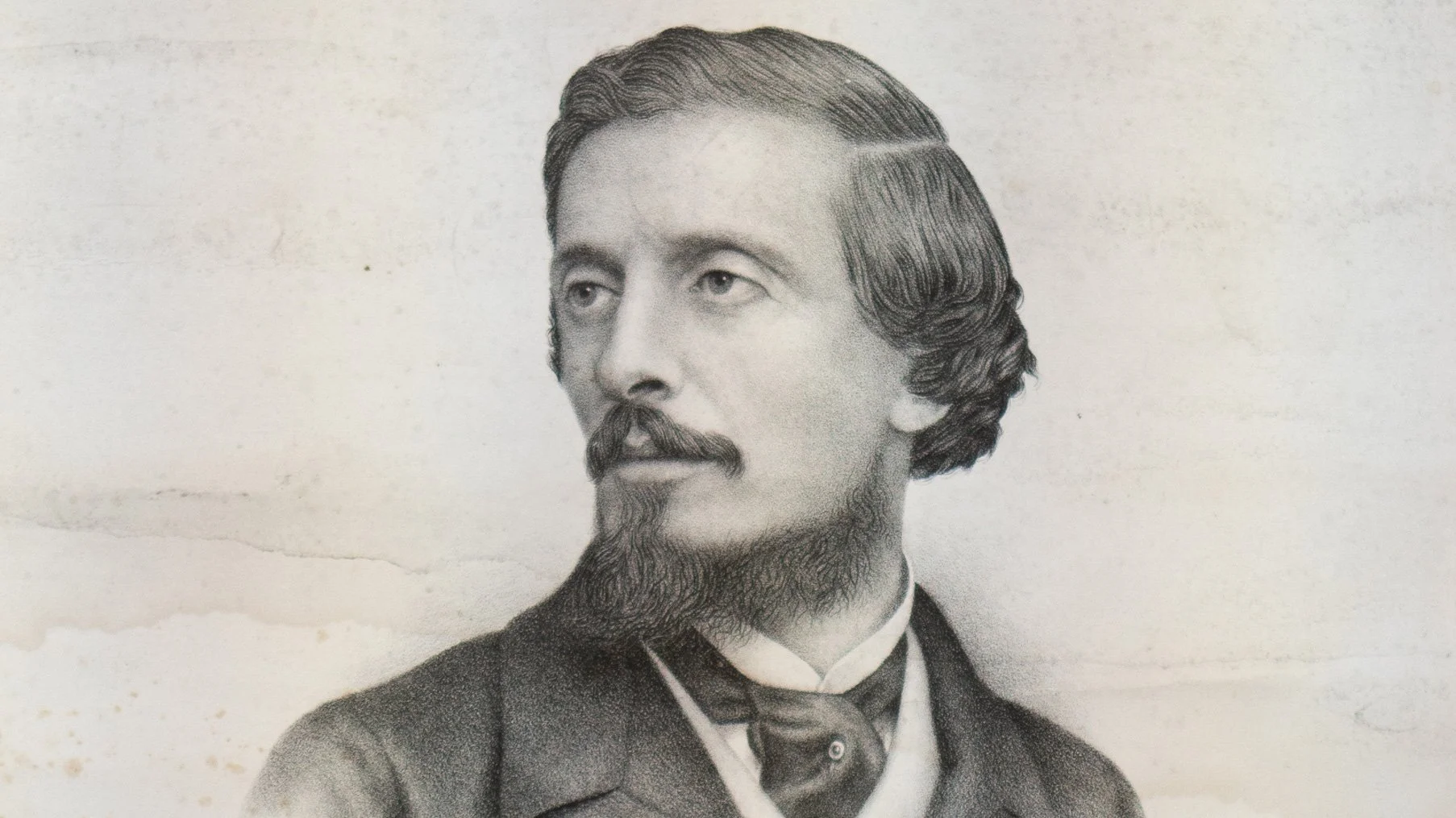
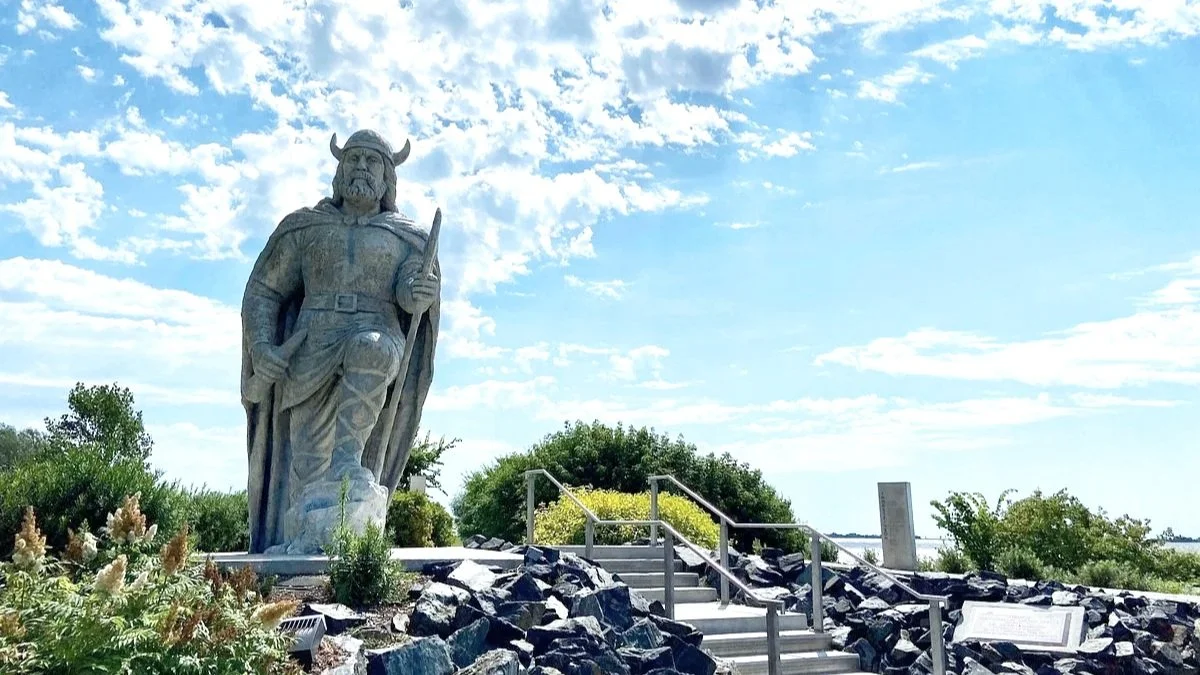


By the time Lord Dufferin left Gimli in September 1877, New Iceland had already spent months governing many of its local affairs under rules its residents had adopted themselves.