
Meet the Men Who Found North America Before Columbus
The Remarkable Lives of Erik the Red and Leif Erikson
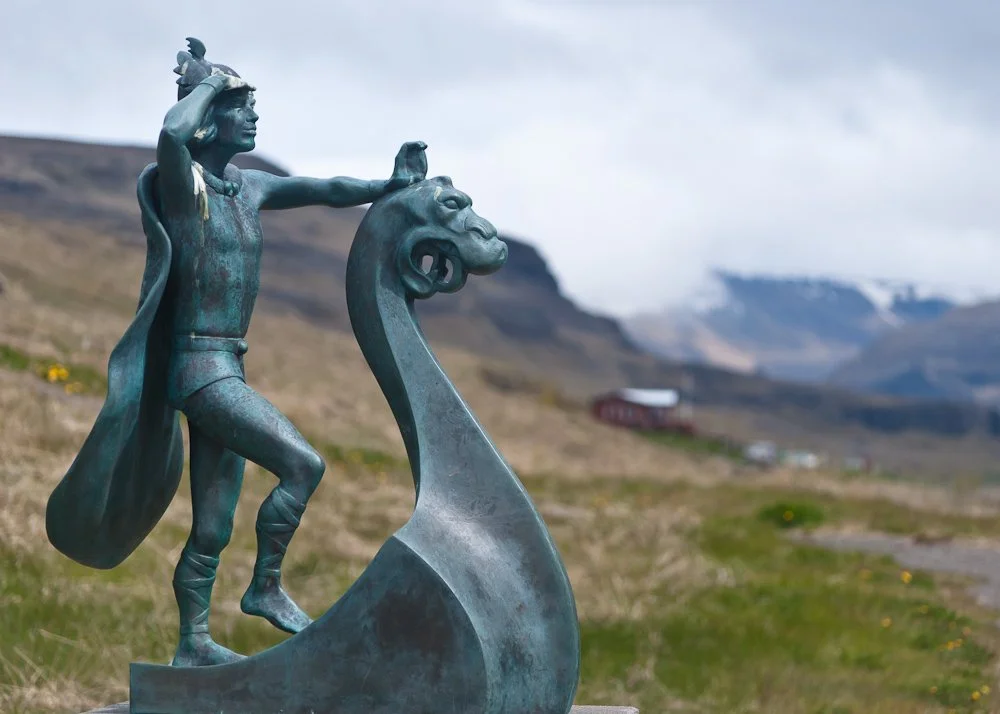
Erik the Red statue in Iceland. Photo credit to Aleph78
History has a habit of turning real people into legends.
Few figures demonstrate that better than Erik the Red and his son, Leif Erikson. Together, pushed the boundaries of the known world farther west than any Europeans had ventured before. Their exploits eventually led to the first confirmed European landing in North America—nearly 500 years before Christopher Columbus.
Yet separating fact from fiction is no simple task.
Almost everything we know about these men comes from medieval Icelandic sagas written more than two centuries after they lived. They blend history, family tradition, oral storytelling, and heroic embellishment into compelling narratives that historians have spent generations untangling.
Fortunately, archaeology has provided an important reality check.
The discovery of the Norse settlement at L'Anse aux Meadows in Newfoundland confirmed that the core of the Vinland stories was true. The Vikings really did reach North America around the year 1000 CE.
The people who made that journey were every bit as fascinating as the stories told about them.
Erik the Red: The Man Who Wouldn't Stay Put
Long before his son became famous, Erik Thorvaldsson—better known as Erik the Red—had already built a reputation for living on the edge of the Viking world.
He was born around 950 CE in Norway during a period of political upheaval. His father, Thorvald Asvaldsson, had been exiled after committing manslaughter, forcing the family to leave Norway and settle in Iceland.
It would become a family tradition.
As an adult, Erik himself was twice declared an outlaw after violent disputes with neighbours resulted in several deaths. In medieval Iceland, outlawry was one of the harshest punishments available. A person declared an outlaw lost legal protection and was expected to leave society altogether.
For Erik, exile became opportunity.
Instead of accepting defeat, he sailed west toward a vast land that earlier sailors had reportedly glimpsed but never settled permanently.
What he found was Greenland.
Although Indigenous peoples had lived in Greenland for thousands of years, Erik established the island's first permanent European settlements around 985 CE. He returned to Iceland and recruited colonists, reportedly convincing many to join him by giving the island an attractive name.
As the Saga of Erik the Red famously explains:
"People would be more readily persuaded to go there if the land had a good name."
Whether that conversation happened exactly as written is impossible to know, but the story reflects something important about Erik's character. He was not just an explorer, he was a salesman!
Selling Greenland
Calling Greenland "green" has inspired jokes for centuries. In reality, the name was not entirely misleading.
Southern Greenland experiences relatively mild summers by Arctic standards, and during the Medieval Warm Period the fjords supported limited farming. Erik's settlers raised sheep, goats, and cattle while hunting seals, walrus, and caribou.
At its height, Greenland's Norse population probably reached between 2,000 and 3,000 people spread across two main settlements.
Life remained difficult.
The growing season was short. Timber was scarce. Iron had to be imported or recycled carefully. Every year demanded careful planning simply to survive.
Yet the Greenland colony endured for nearly 500 years.
That longevity stands as one of Erik's greatest achievements.
His settlement became the westernmost frontier of medieval Europe and the launching point for voyages that would eventually reach North America.
Leif Erikson: The Explorer
Erik the Red built the frontier and his son expanded it.
Leif Erikson was born in Iceland but grew up in Greenland as the colony developed. Unlike his fiery father, the medieval sources generally portray Leif as thoughtful, diplomatic, and curious.
At some point in the late tenth century, Leif travelled to Norway, where he entered the court of King Olaf Tryggvason. There he converted to Christianity.
According to the sagas, Olaf later encouraged Leif to bring Christianity back to Greenland, making him not only an explorer but also an important figure in spreading the new faith among Norse settlers.
On the voyage home, events took an unexpected turn.
Finding Vinland
Exactly how Leif discovered North America depends on which saga you read.
The Saga of Erik the Red describes Leif accidentally encountering new lands after being blown off course while returning from Norway.
The Saga of the Greenlanders, however, credits an earlier sailor named Bjarni Herjólfsson with first sighting North America after losing his way. According to this version, Leif later purchased Bjarni's ship and deliberately organized an expedition to investigate the mysterious coastline.
Modern historians generally consider the second version more plausible, although certainty remains impossible. What both sagas agree upon is the broad outline.
Leif and his crew travelled west from Greenland, encountering three distinct regions.
The first they called Helluland, usually identified with Baffin Island. Farther south came Markland, widely associated with Labrador. Finally they reached Vinland, where they established the base camp now identified with L'Anse aux Meadows.
Archaeology strongly supports this sequence.
Excavations at L'Anse aux Meadows have uncovered unmistakable Norse buildings, ironworking evidence, boat repair facilities, and artifacts dating to approximately the year 1000. Even more intriguingly, butternuts recovered at the site indicate that Norse expeditions travelled considerably farther south than northern Newfoundland, since butternut trees do not grow there.
The sagas may contain legendary details, but their geographical framework proved remarkably accurate.
Was Leif Really the First European in North America?
Based on current archaeological evidence, Leif Erikson remains the earliest known European to reach North America. Known. History rarely deals in absolutes.
It is always possible that earlier voyages occurred without leaving surviving evidence. Medieval sailors were capable of remarkable feats of navigation, and the North Atlantic had been steadily explored for generations before Leif's expedition.
However, no earlier European settlement has ever been discovered.
L'Anse aux Meadows remains the oldest confirmed European site in the Americas.
In 2021, advances in tree-ring dating allowed researchers to identify evidence that Norse people were active at the site in 1021 CE, providing the earliest precisely dated evidence of Europeans in the Americas.
Why Didn't They Stay?
Leif's greatest achievement is also one of history's shortest-lived successes.
Despite finding lands rich in timber, wildlife, and other resources unavailable in Greenland, the Norse never established a permanent colony.
Small population size, difficult supply lines, and conflicts with Indigenous peoples made long-term settlement impractical.
Rather than representing failure, historians increasingly view Vinland as a calculated decision.
The Greenlanders had discovered an extraordinary new land.
They simply concluded that holding it was not worth the cost.
For nearly eight centuries, no Europeans would establish another lasting settlement in what is now Canada.
Legends That Refuse to Die
Because Erik and Leif occupy the boundary between history and legend, myths have accumulated around both men.
One common misconception is that Leif "discovered America."
He did not.
Indigenous peoples had lived throughout the Americas for thousands of years before Norse ships crossed the Atlantic. Leif's achievement was becoming the earliest known European to reach and briefly settle part of the continent.
Another persistent myth portrays Vikings as little more than violent raiders.
While raiding certainly formed part of Viking society, Erik and Leif belonged to another tradition entirely — that of explorers, merchants, farmers, and colonists who expanded Norse influence across Iceland, Greenland, and eventually North America.
Without their willingness to sail beyond the known horizon, the story of European exploration would look very different.
Their Legacy Today
Erik the Red's Greenland colony eventually disappeared during the fifteenth century, likely due to a combination of climate change, economic isolation, and changing trade patterns.
Leif's settlement at L'Anse aux Meadows survived only a few years.
Yet both left a legacy that outlasted their colonies.
Their voyages demonstrated that regular crossings of the North Atlantic were possible centuries before the great Age of Exploration.
More importantly, archaeology transformed their stories from medieval legend into documented history.
Today, Erik the Red and Leif Erikson stand as reminders that exploration is rarely a straight line. It advances through bold decisions, failed experiments, temporary successes, and people willing to venture beyond maps that simply ended at the edge of the sea.
Without the father who built Greenland—or the son who sailed beyond it—the European history of North America would have begun very differently.
Further Reading
Books
Andersson, Theodore M., and Kari Ellen Gade (trans.). The Vinland Sagas: The Icelandic Sagas About the First Documented Voyages Across the North Atlantic. Penguin Classics, 2008.
Fitzhugh, William W., and Elisabeth I. Ward (eds.). Vikings: The North Atlantic Saga. Smithsonian Institution Press, 2000.
Jones, Gwyn. The Norse Atlantic Saga. Oxford University Press, revised edition, 1986.
Magnusson, Magnus. The Vikings. Tempus Publishing.
Price, Neil. Children of Ash and Elm: A History of the Vikings. Basic Books, 2020.
Wallace, Birgitta. Westward Vikings: The Saga of L'Anse aux Meadows. Historic Sites Association of Newfoundland and Labrador.
Academic Articles
Kuitems, Margot M., et al. "Evidence for European Presence in the Americas in AD 1021." Nature 601 (2022): 388–391.
Wallace, Birgitta. "L'Anse aux Meadows and Vinland: An Abandoned Experiment." Acta Archaeologica.
Wallace, Birgitta. "The Norse in Newfoundland: L'Anse aux Meadows and Vinland." Newfoundland and Labrador Studies 19, no. 1 (2003): 5–43.
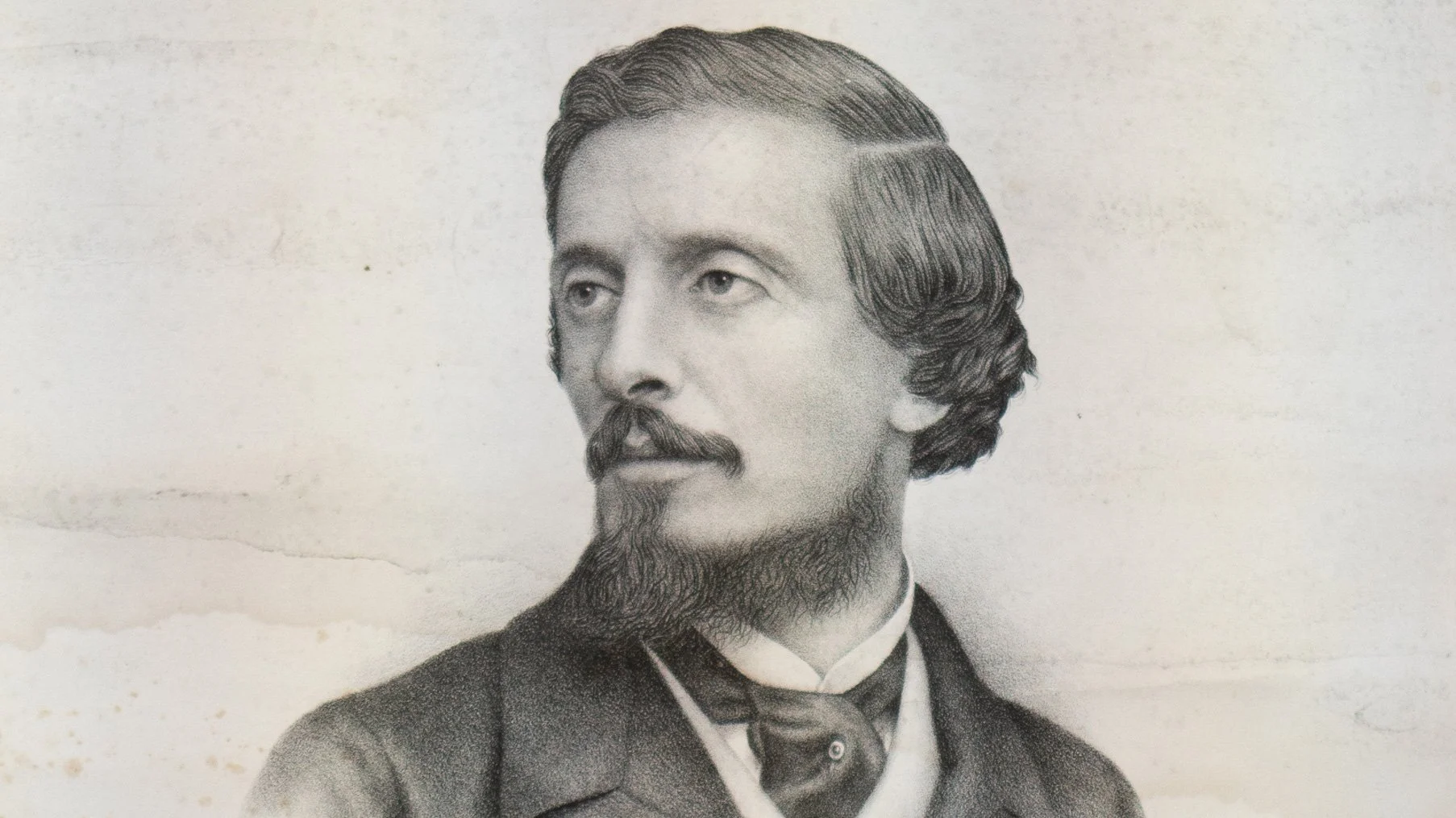
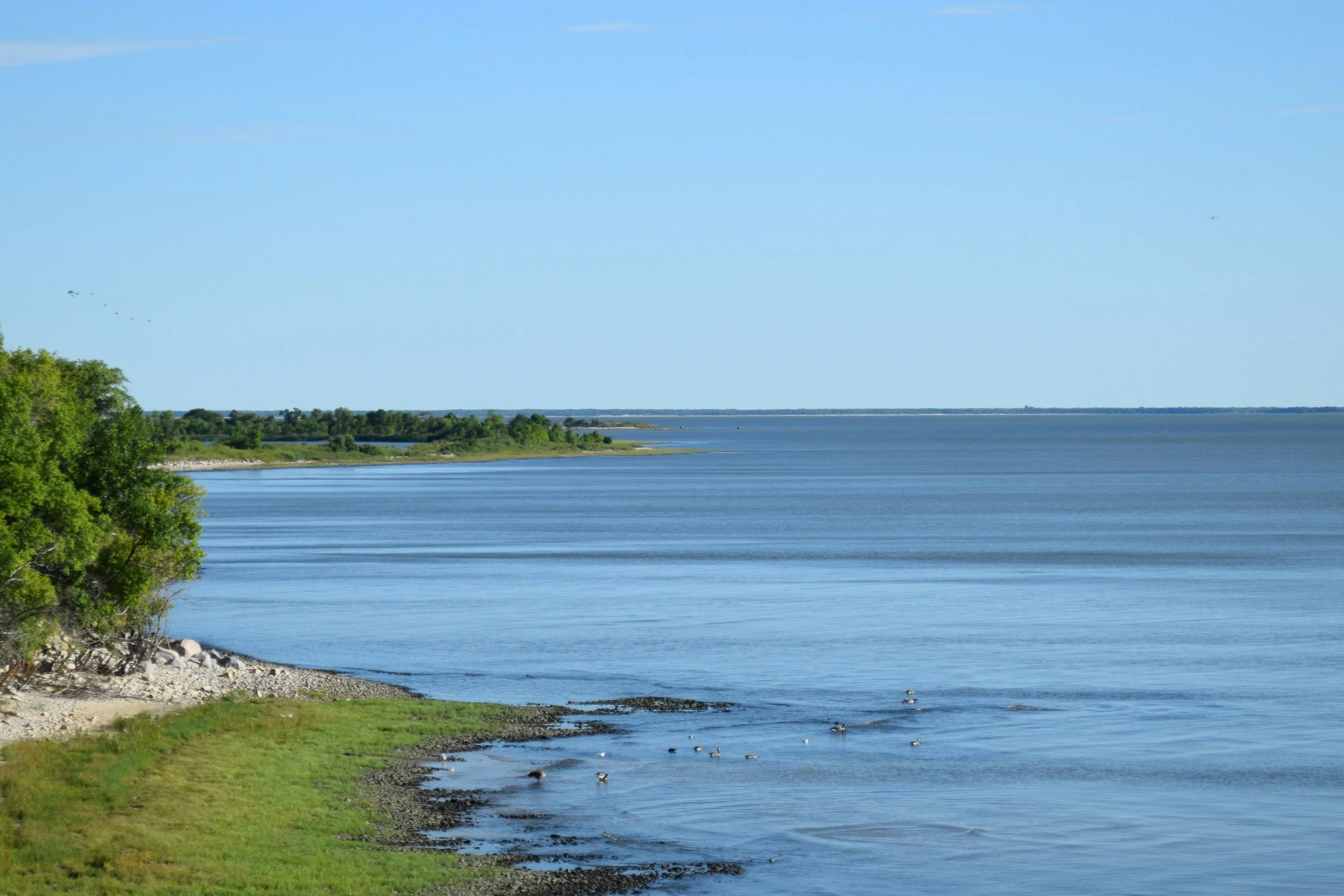

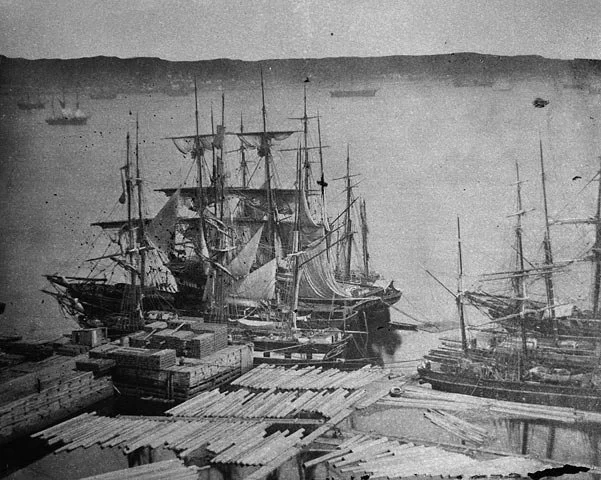


By the time Lord Dufferin left Gimli in September 1877, New Iceland had already spent months governing many of its local affairs under rules its residents had adopted themselves.