
The 800-Year Silence — Why Canada Remained Off the Nordic Radar
Part Two of a Series on Scandinavian Migration to Canada
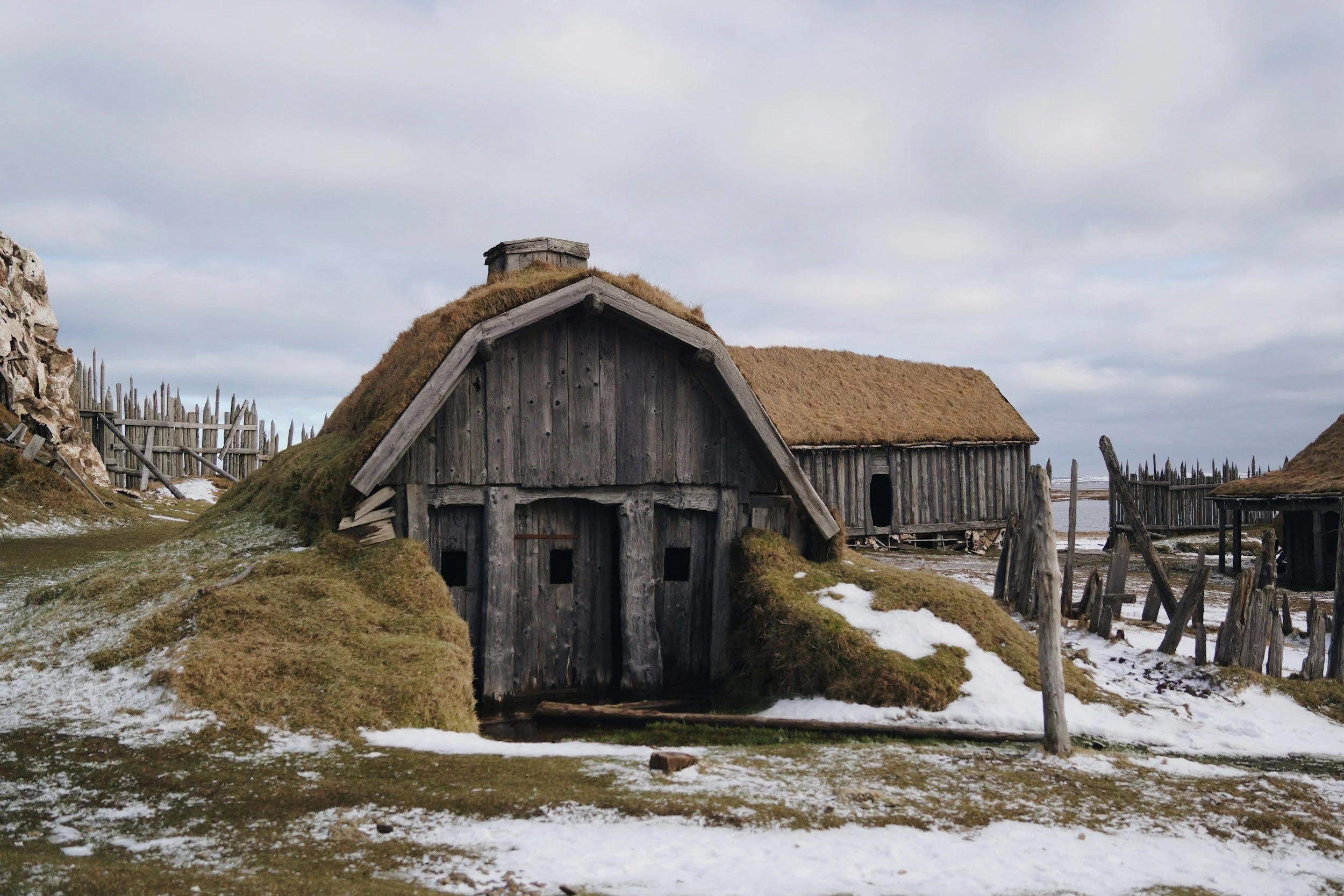
Viking hut recreation.
When the last Norse longships turned eastward away from the shores of Vinland around 1010 CE, they did not just leave behind the turf halls of L’Anse aux Meadows. They initiated a profound, eight-century intermission in the Scandinavian story of North America.
For nearly 800 years, the geographic expanse that would become Canada vanished from the Nordic consciousness.
To understand how Scandinavians ultimately became foundational builders of the Canadian Prairies, we have to look closely at this massive blank space on the historical timeline. Why did a maritime people who conquered the North Atlantic suddenly stop looking west? And what changed over those eight centuries to turn an avoided, isolated coastline into a primary destination for tens of thousands of Nordic immigrants?
The answer lies in a combination of shifting global climates, structural changes in the European economy, and a legal transformation of the Canadian landscape itself.
The Closing of the Atlantic Gateway
The primary obstacle that maintained the eight-hundred-year silence was a drastic shift in global weather patterns more than a lack of interest.
When Leif Erikson sailed to Newfoundland, the world was experiencing the Medieval Warm Period (roughly 950–1250 CE). During this era, North Atlantic sea temperatures were unusually mild, and Arctic pack ice was minimal. This allowed open-decked Norse knarrs (cargo ships) to navigate safely between Norway, Iceland, Greenland, and Canada.
By the early 14th century, however, this climate window slammed shut. The world entered the Little Ice Age (c. 1300–1850 CE).
As temperatures plummeted, massive fields of polar pack ice drifted south, choking the shipping lanes between Iceland and Greenland. The Norse settlements in Greenland, which had served as the essential supply base and launching pad for Vinland, found themselves physically cut off from Europe. Deprived of trade, timber, and grain, the Greenland colonies gradually declined and completely vanished by the late 15th century.
Without Greenland as a stepping stone, the Atlantic Ocean became an insurmountable barrier for medieval Scandinavian mariners. Canada was effectively forgotten.
The Continental Pivot: Why Scandinavia Looked Elsewhere
While Western Europe entered the Age of Discovery in the 15th and 16th centuries—with Spain, France, and England rushing to claim pieces of the Americas—Scandinavia remained conspicuously absent from the colonial race in the northern half of the continent. This wasn't due to a lack of naval skill, but a shift in geopolitical priorities.
During the centuries following the Viking Age, Denmark, Sweden, and Norway were locked in intense internal conflicts for regional dominance, notably through the Kalmar Union (1397–1523) and subsequent Baltic wars.
When Sweden emerged as a European superpower in the 17th century, its imperial ambitions were focused on the Baltic Sea, parts of modern-day Germany, and Russia. The limited resources they did allocate to transatlantic colonization were directed much further south.
In 1638, the Swedish Crown established New Sweden along the Delaware River in modern-day Pennsylvania and New Jersey. Unlike the rocky, heavily forested coasts of eastern Canada, the Mid-Atlantic offered immediate agricultural returns and a lucrative tobacco trade. However, the colony was small and short-lived, captured by the Dutch in 1655.
For the next two centuries, Scandinavian monarchs saw little economic value in competing with the massive military fleets of Britain and France for the harsh, fur-dominated wilderness of British North America.
The Hudson’s Bay Monopoly and the Locked West
Even if an enterprising Scandinavian family had wanted to migrate to Western Canada in the 17th or 18th century, they would have found the door firmly locked.
In 1670, King Charles II of England granted a royal charter to the Hudson’s Bay Company (HBC). This charter gave the company an absolute monopoly over Rupert’s Land—a massive territory encompassing the entire Hudson Bay drainage basin, which includes modern-day Manitoba, Saskatchewan, and southern Alberta.
For two hundred years, the HBC operated Rupert’s Land strictly as a corporate fur-harvesting reserve. They had no interest in building towns, clearing roads, or encouraging immigration. In fact, the company actively discouraged farming because agricultural settlement cleared the forests and drove away the fur-bearing animals that fueled their profits.
The Canadian Prairies remained a vast, preserved grassland, intentionally kept off the global real estate market.
The Catalyst: Breaking the Silence
The 800-year silence dissolved under the pressure of global modernization. By the mid-19th century, two massive forces collided to reopen the pathway between Scandinavia and Canada:
The Nordic Population Explosion: Thanks to the introduction of the potato, improved sanitation, and a long period of peace, the populations of Norway, Sweden, and Denmark skyrocketed. Rural agricultural lands were carved into plots too small to sustain a family, leaving millions of young Scandinavians facing poverty.
The Canadian Land Rush: In 1870, the newly formed Dominion of Canada purchased Rupert’s Land from the Hudson’s Bay Company for £300,000. Suddenly, the Canadian government possessed millions of acres of fertile prairie soil, but had no one to farm it.
To secure the West against American expansion, Canada enacted the Dominion Lands Act of 1872. Any immigrant who paid a $10 fee could claim 160 acres of free land, provided they cleared it, built a homestead, and farmed it within three years.
The Prologue Ends
When Scandinavians finally returned to Canada in the late 19th century, they did not arrive in longships looking for timber to repair sails. They arrived via steamships and transcontinental trains, carrying iron plows, seeds, and dreams of land ownership.
The long silence was officially over. The age of the explorer had passed, and the era of the prairie pioneer had begun.
Further Reading & Historical Sources
Fagan, Brian.The Little Ice Age: How Climate Made History 1300–1850. Basic Books, 2000. (Details the environmental factors that collapsed the North Atlantic Norse supply lines).
Friesen, Gerald.The Canadian Prairies: A History. University of Toronto Press, 1987. (The definitive guide on Rupert's Land and the transition from fur monopoly to agricultural settlement).
Barton, H. Arnold.A Folk Divided: Homeland Swedes and Swedish Americans, 1840–1940. Southern Illinois University Press, 1994. (Explores the demographic pressures that triggered the 19th-century Nordic exodus).
Cavell, Janice. "The Hudson's Bay Company and the Imperial Expansion of Canada." The Canadian Historical Review 95, no. 2 (2014): 151–178.
Tomorrow, we will jump directly into the first great human drama of this migration wave with The Catalyst of Starvation, exploring how the catastrophic Askja volcanic eruption of 1875 triggered the first massive, permanent Scandinavian exodus straight into Western Canada.
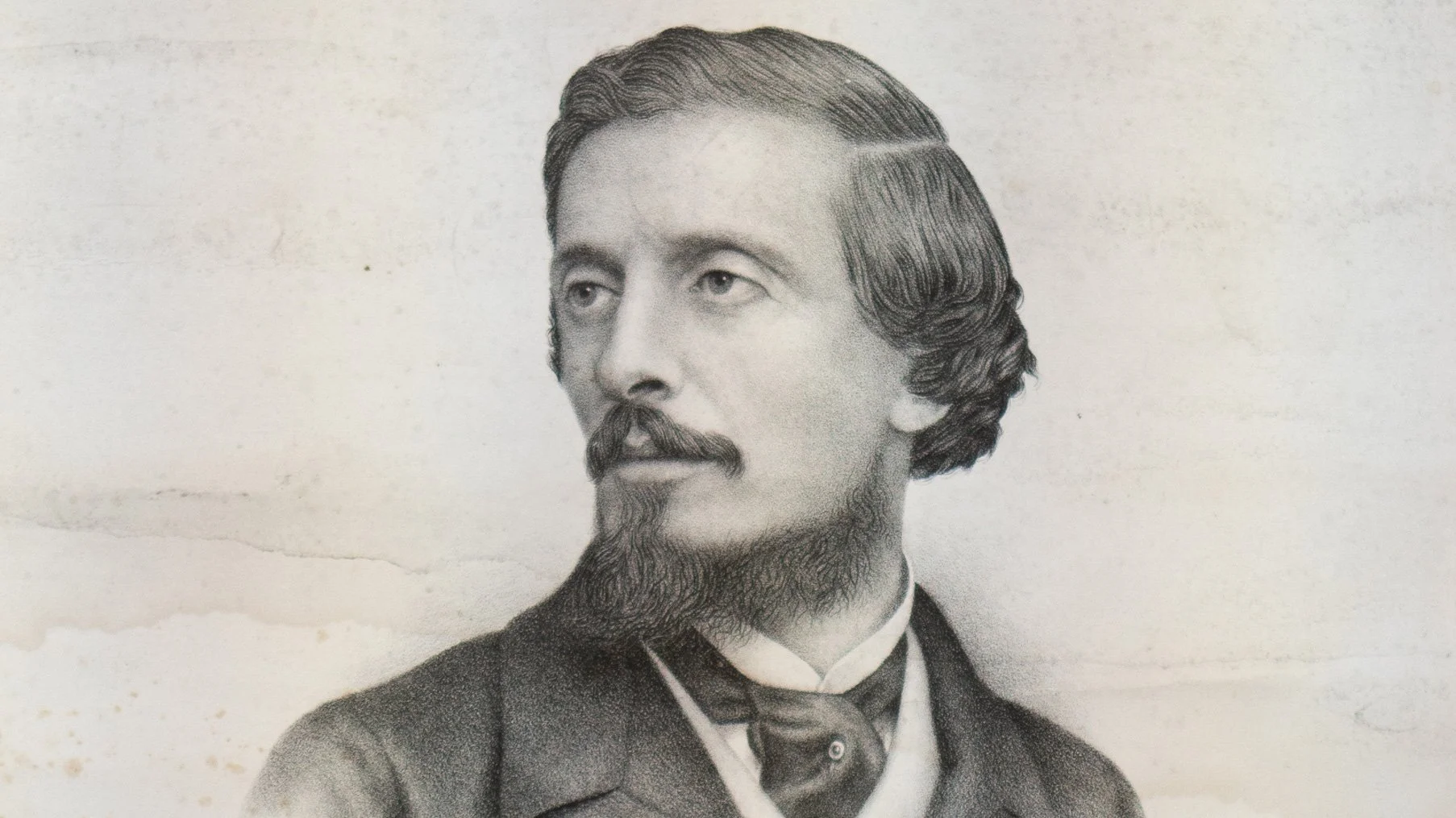
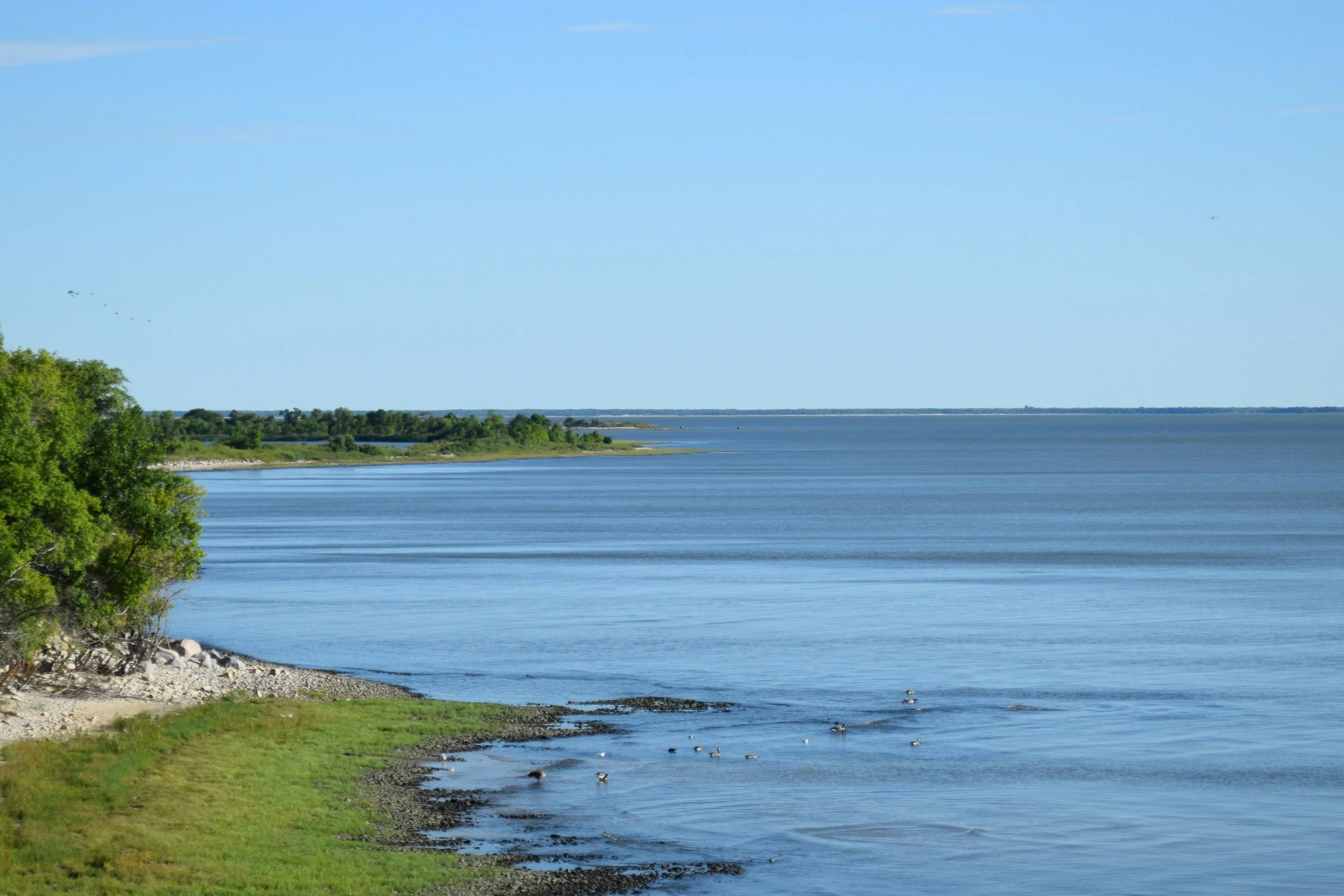



By the time Lord Dufferin left Gimli in September 1877, New Iceland had already spent months governing many of its local affairs under rules its residents had adopted themselves.