
The Great Settlement & The Smallpox Winter (1876)
How 1,200 Icelandic Settlers Nearly Lost New Iceland in Its First Year

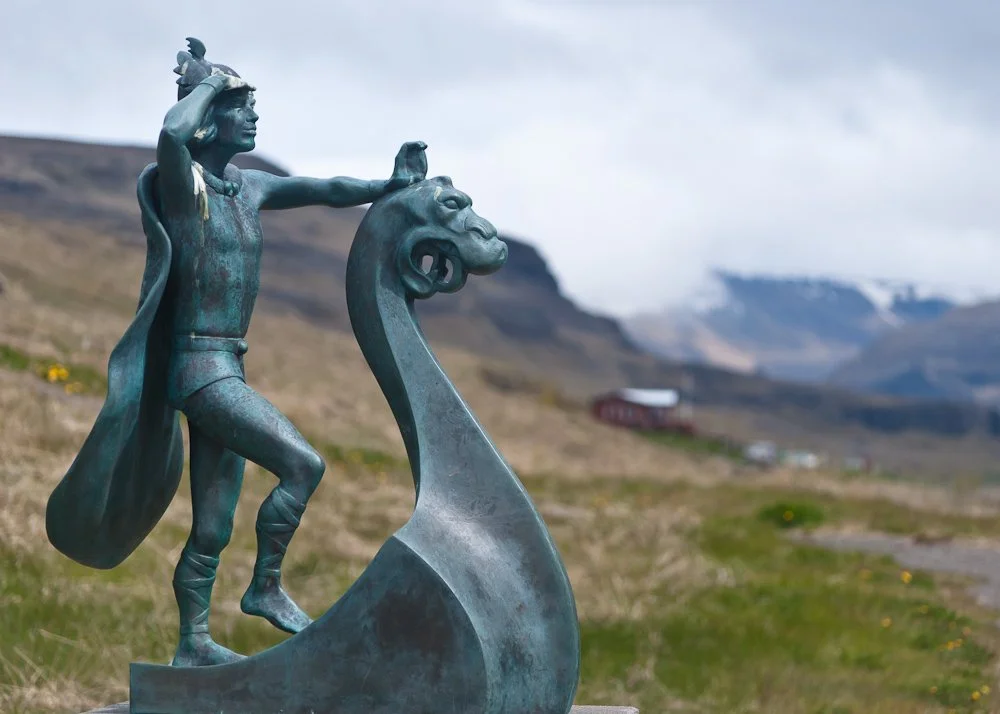
While Vikings never made it to Gimli, this Viking statue did. This Viking statue was erected New Iceland for the Canadian centennial (1967).
This article concludes the story of how Icelanders found their way to Canada and begins the next chapter: Era 2 — The Icelandic Exodus & "New Iceland" (1872–1885).
Earlier articles in the Nordic Prairie Life series include:
Before the Crisis: What Was New Iceland?
By the autumn of 1875, the Canadian government had set aside a large tract of land along the western shore of Lake Winnipeg. Unlike most immigrant groups, who were dispersed across existing settlements, the Icelanders were encouraged to establish a colony of their own.
They called it Nýja Ísland—New Iceland.
The idea was ambitious. Rather than simply giving individual families homesteads, Canada hoped the newcomers would recreate the close-knit communities they had left behind. Churches, schools, local government, and the Icelandic language could all continue together while the settlers gradually adapted to life in the Canadian West.
The first settlement was established at Gimli, a name taken from Norse mythology meaning "the heavenly abode." From there, the colony was expected to grow northward along Lake Winnipeg as more immigrants arrived.
For a brief moment, the plan seemed possible. Then, before the first settlement had developed the resources needed to support a large population, a second and much larger wave arrived.
A Colony Under Pressure
When people imagine the founding of New Iceland, they often picture hopeful settlers stepping onto the shores of Lake Winnipeg, ready to build a new life on untouched land. It is an inspiring image—but it is also incomplete. The reality was far harsher.
Within months of arriving, the fledgling settlement around Gimli found itself overwhelmed by one of the largest immigrant influxes in western Canadian history. More than 1,200 desperate Icelanders—many fleeing volcanic devastation, famine, and economic collapse—arrived faster than the tiny colony could absorb them.
Disaster struck. A smallpox epidemic spread through the crowded settlement, forcing authorities into a strict quarantine that isolated New Iceland from the rest of Manitoba. Food became scarce and trade stopped. Hundreds contracted the disease, and many settlers died during the outbreak.
For a time, it seemed entirely possible that Canada's great Icelandic experiment would collapse before its first anniversary.
A Colony Unprepared for Thousands
When the Canadian government established the New Iceland reserve in 1875, officials envisioned a carefully managed settlement.
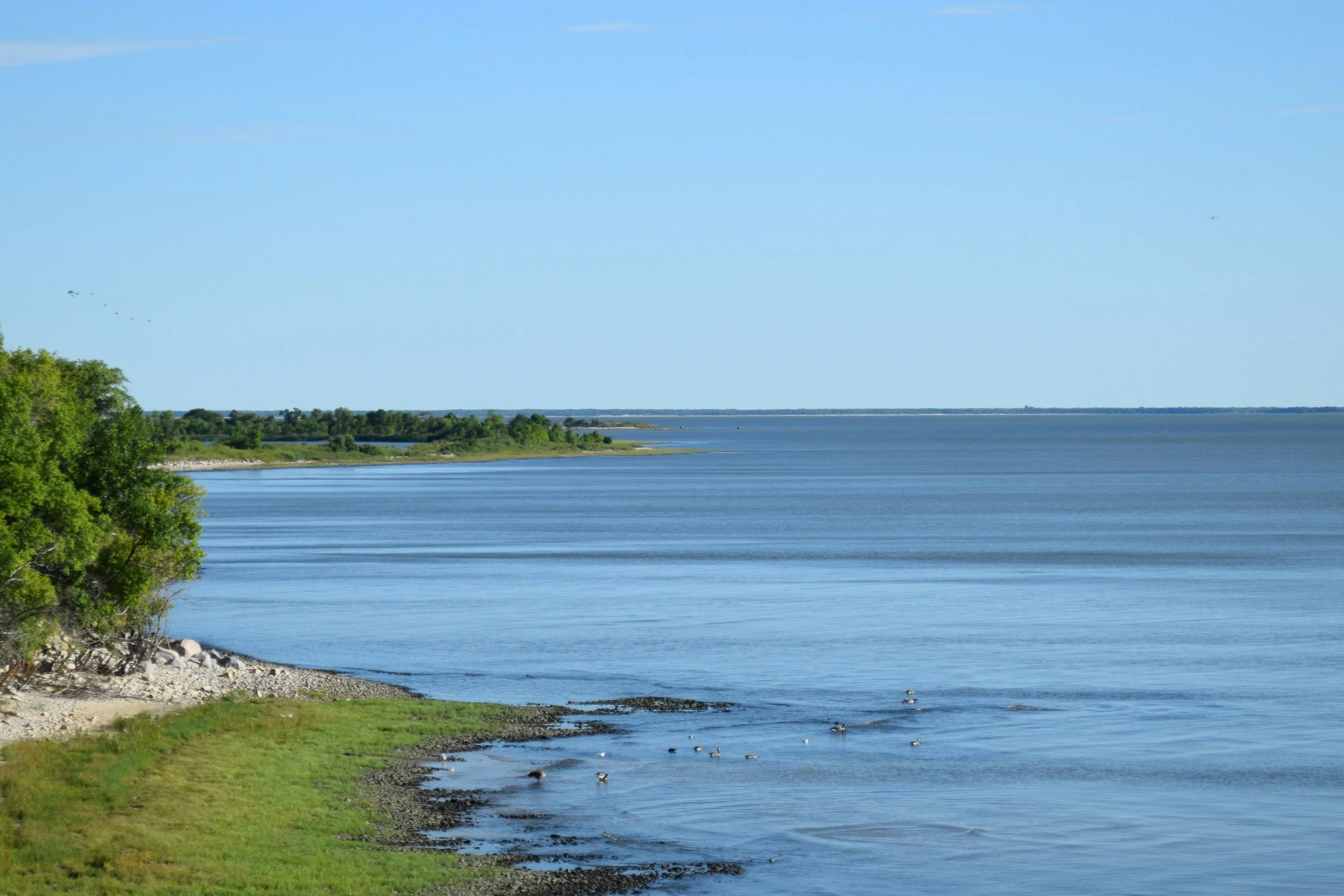
The colony stretched along the western shore of Lake Winnipeg, centered around the Icelandic River and extending northward from Gimli. It appeared enormous on maps, but very little of it was immediately usable.
The shoreline consisted largely of dense forest, marshes, and rocky terrain. Roads did not exist, cleared farmland was scarce, and permanent housing was almost nonexistent.
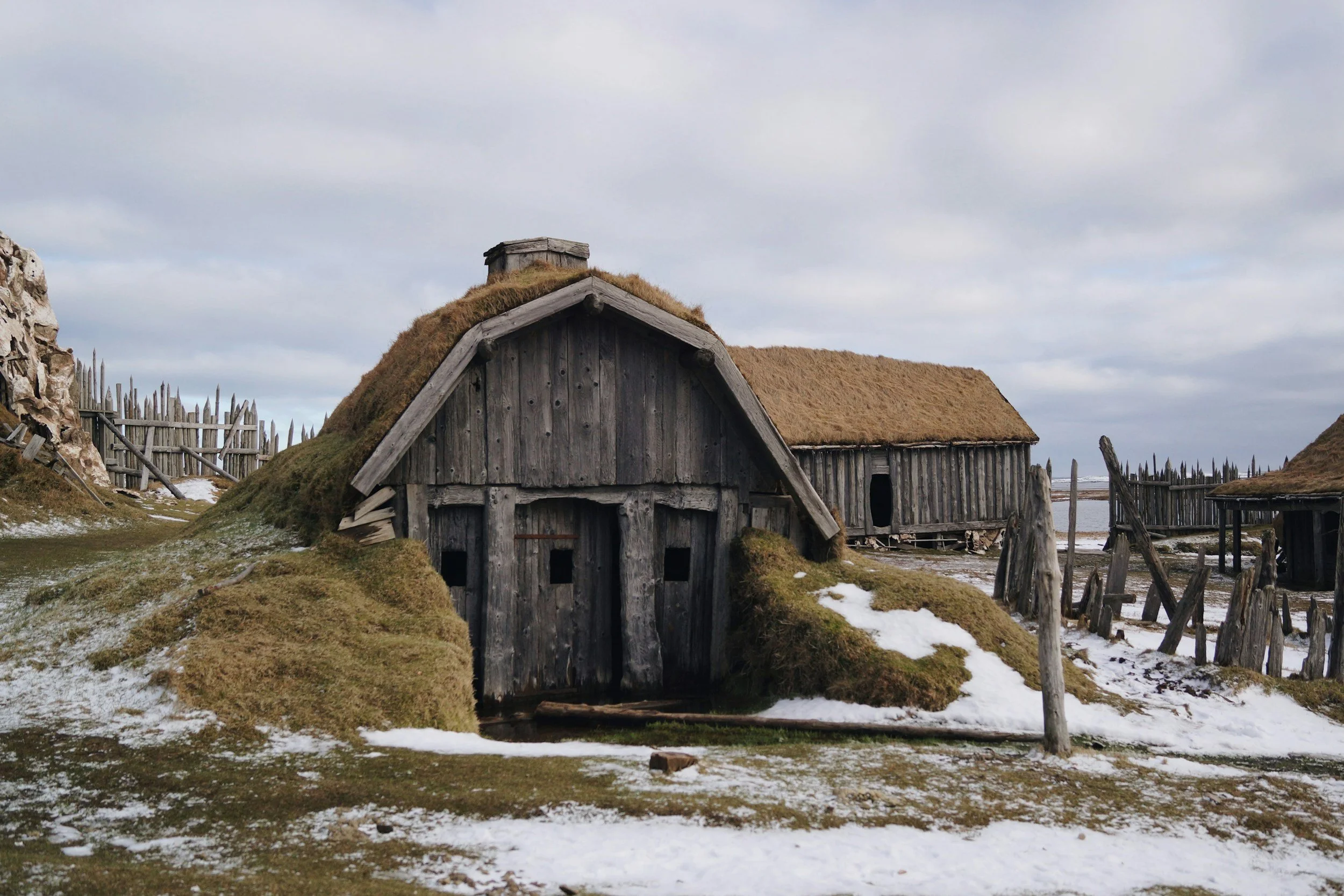
The first settlers spent much of the autumn constructing crude log cabins before winter arrived.
It was a difficult beginning, but somewhat manageable.
Then came the Stóra Landnám—literally "The Great Settlement."
The Largest Icelandic Migration Yet
The eruption of the Askja volcanic system in 1875 had transformed parts of northeastern Iceland into an environmental disaster. Ash poisoned grazing land, livestock died, and harvests failed, making it nearly impossible for many families to continue farming. Entire communities that had supported generations of Icelandic farmers became increasingly difficult to sustain.
By 1876, word had spread throughout Iceland that land was available in Canada. Hundreds of additional families sold what little they owned and boarded ships for North America, hoping to rebuild their lives in the New World.
By the time they reached Lake Winnipeg, New Iceland's original settlers had barely finished constructing enough shelters for themselves. Now another wave—roughly 1,200 —needed homes, food, and supplies. The settlement simply was not ready for the scale of the arrival.
Winter Was Already Arriving
As winter approached, the timing could hardly have been worse. Autumn on Lake Winnipeg is unforgiving. Temperatures drop rapidly, transportation slows, building materials become harder to gather, and food preservation becomes critical.
The newcomers had little opportunity to establish productive farms before snow covered the ground.
Many families crowded into shared cabins with poor ventilation and primitive sanitation. Under those conditions, contagious disease could spread with frightening speed.
Smallpox Reaches New Iceland
A smallpox epidemic spread through the crowded settlement during the winter of 1876–77, forcing authorities into enforcing a strict quarantine that isolated New Iceland from the rest of Manitoba.
Smallpox had already appeared elsewhere in Manitoba during the mid-1870s, and at some point during the migration west, infected travelers carried the virus into the Icelandic settlement. Exactly where the disease first entered remains debated by historians, but what is certain is that once it arrived, it spread rapidly through the vulnerable community.
The crowded housing conditions made isolation nearly impossible. Many families were sharing small cabins, and once one person became sick, the disease could quickly move through entire households. Children proved especially vulnerable, and the lack of medical resources made treatment and prevention extremely difficult.
Few physicians lived anywhere near the colony, and many settlers had never encountered organized public health measures like quarantine before. As the outbreak grew, fear spread almost as quickly as the disease itself, creating a crisis that threatened the survival of New Iceland.
Some settlers were relocated to quarantine camps, while others left New Iceland temporarily in search of work and food as conditions deteriorated.
Manitoba Closes the Colony
Provincial authorities responded with one of western Canada's earliest large-scale quarantine efforts, heavily restricting travel into and out of New Iceland. Movement of goods slowed dramatically, visitors were discouraged or prevented from entering, and trade with neighboring communities nearly stopped.
From a medical perspective, the quarantine likely helped prevent the epidemic from spreading beyond the settlement. For the settlers themselves, however, it created an entirely new crisis. With outside contact limited, obtaining essential supplies became increasingly difficult, and deliveries of flour, tools, clothing, and medicine became unreliable.
The colony suddenly found itself almost completely dependent upon its own limited resources at the exact moment when it was least prepared to survive on its own. The measures intended to protect New Iceland from disease also intensified the isolation and hardship facing its residents.
Why the Colony Didn't Collapse
The settlers had imagined spending the winter preparing fields, planning permanent farms, and beginning the process of building a lasting community. Instead, nearly every day became focused on survival as the smallpox outbreak and quarantine reshaped every aspect of life in New Iceland.
Healthy adults cared for sick relatives while cabins became makeshift hospitals. Food had to be rationed, and firewood had to be gathered despite bitter temperatures. Many families had already exhausted much of the money they had brought from Iceland, leaving them with few resources during the crisis.
Government assistance existed, but it was limited and difficult to deliver while the settlement remained under quarantine. As winter deepened, the future of New Iceland hung in the balance, yet the same environment that had initially appeared so unfamiliar eventually became one of the settlers' greatest advantages.
Lake Winnipeg, which had seemed like a barrier separating the colony from the outside world, became a vital source of food and survival. Beneath the frozen surface was an abundant fishery that helped sustain the community during the quarantine, while the surrounding forests provided additional resources.
The Icelandic settlers also benefited from the knowledge of local Saulteaux (Ojibwe) people, whose generations of experience living in the region provided valuable lessons about winter fishing, travel, and adapting to the northern landscape. This exchange of practical knowledge became one of the important relationships in New Iceland's early history.
Looking back, historians often describe the smallpox epidemic as New Iceland's greatest early crisis. Deaths from disease, combined with hunger, isolation, and the challenges of establishing a settlement in an unfamiliar environment, convinced some observers that the colony would soon be abandoned.
Several factors made the difference:
Strong community organization among the Icelandic settlers.
Continued government assistance, although limited and difficult to deliver.
Lake Winnipeg's resources, which provided an essential food supply.
Indigenous knowledge that helped newcomers adapt to the realities of northern prairie life.
The determination of the settlers to preserve their community despite extraordinary hardship.
When spring finally arrived, the worst of the crisis had passed. The population had suffered immensely, but New Iceland still existed. That achievement alone was remarkable.
The colony had survived the winter that nearly destroyed it—and in doing so, it laid the foundation for one of Canada's most distinctive immigrant communities.
A Turning Point in Prairie History
Without surviving the winter of 1876–77, New Iceland would likely have become another failed colonial experiment. Instead, the crisis forged an unusually resilient community that learned to adapt, organize, and endure under some of the most difficult conditions imaginable.
Within two years, the colony established its own local government, schools reopened, churches expanded, and fishing developed into a thriving industry. Immigration resumed, and the Icelandic settlement gradually transformed from a immigrant community struggling to survive into one of the most distinctive immigrant communities in Canadian history.
Its greatest achievement was not merely crossing the Atlantic. It was surviving the winter that nearly erased everything they had built.
What's Next?
The quarantine forced New Iceland to rely less on outside assistance and more on the knowledge already present around them. The settlement's survival depended not only on the determination of the Icelandic newcomers, but also on the skills and traditions of the people who already understood the land and waters of Lake Winnipeg.
In the next article, we will explore one of the most important relationships in New Iceland's early history: how Icelandic fishermen adapted their traditional maritime skills to the frozen lake, learned winter fishing techniques from the Saulteaux First Nations, and developed an important relationship with Indigenous communities during the colony's most difficult season..
Further reading
Eyford, Ryan. White Settler Reserve: New Iceland and the Colonization of the Canadian West. University of British Columbia Press, 2016.
Thor, Jonas. Icelanders in North America: The First Settlers. University of Manitoba Press, 2002.
Kristjanson, W. The Icelandic People in Manitoba: A Manitoba Saga. Wallingford Press, 1965.
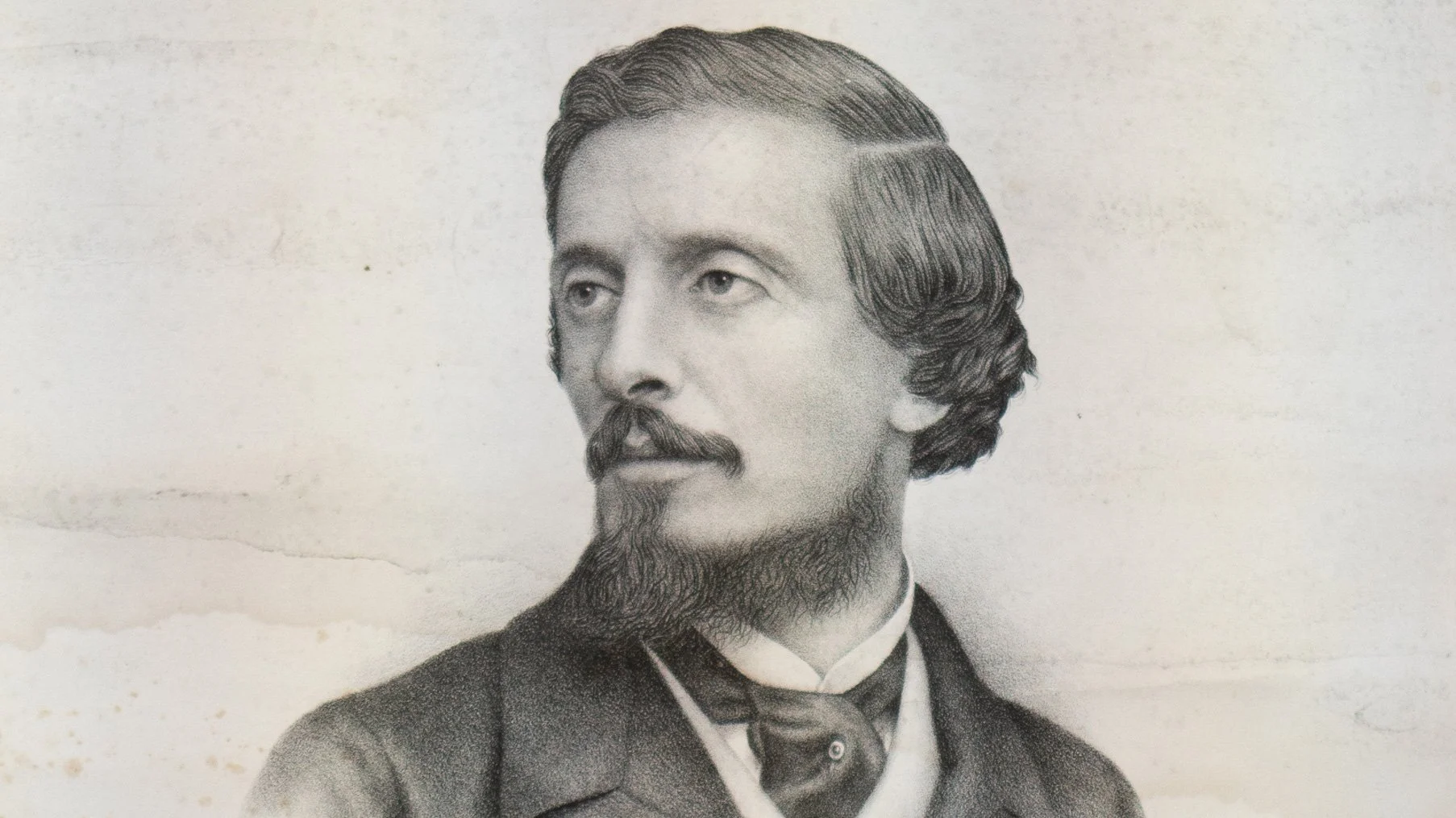


By the time Lord Dufferin left Gimli in September 1877, New Iceland had already spent months governing many of its local affairs under rules its residents had adopted themselves.