Finns in Alberta

The History of Finnish Settlement, Homesteading, and Heritage

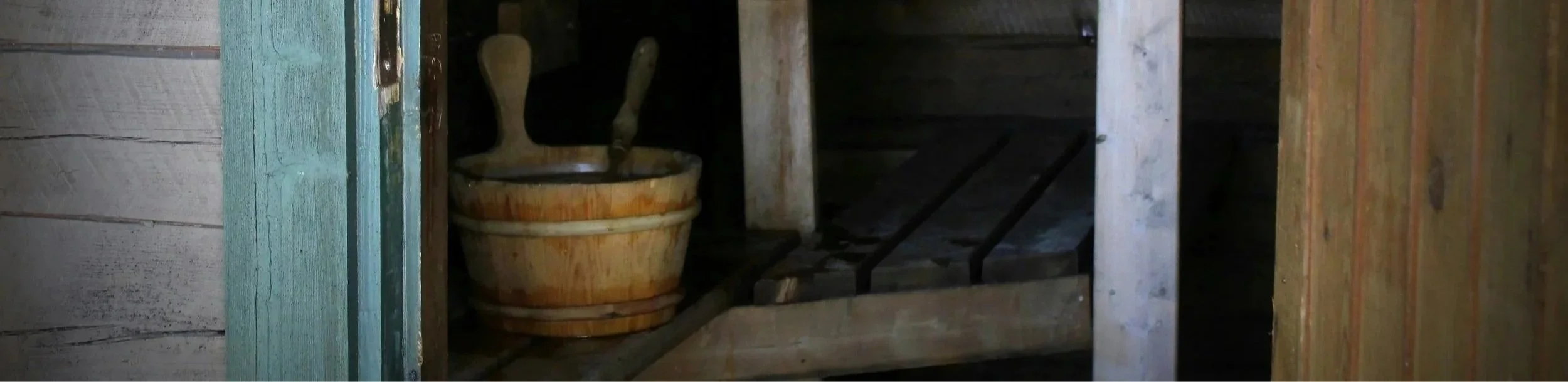
A Finnish sauna. Photo by Anne Nygård on Unsplash

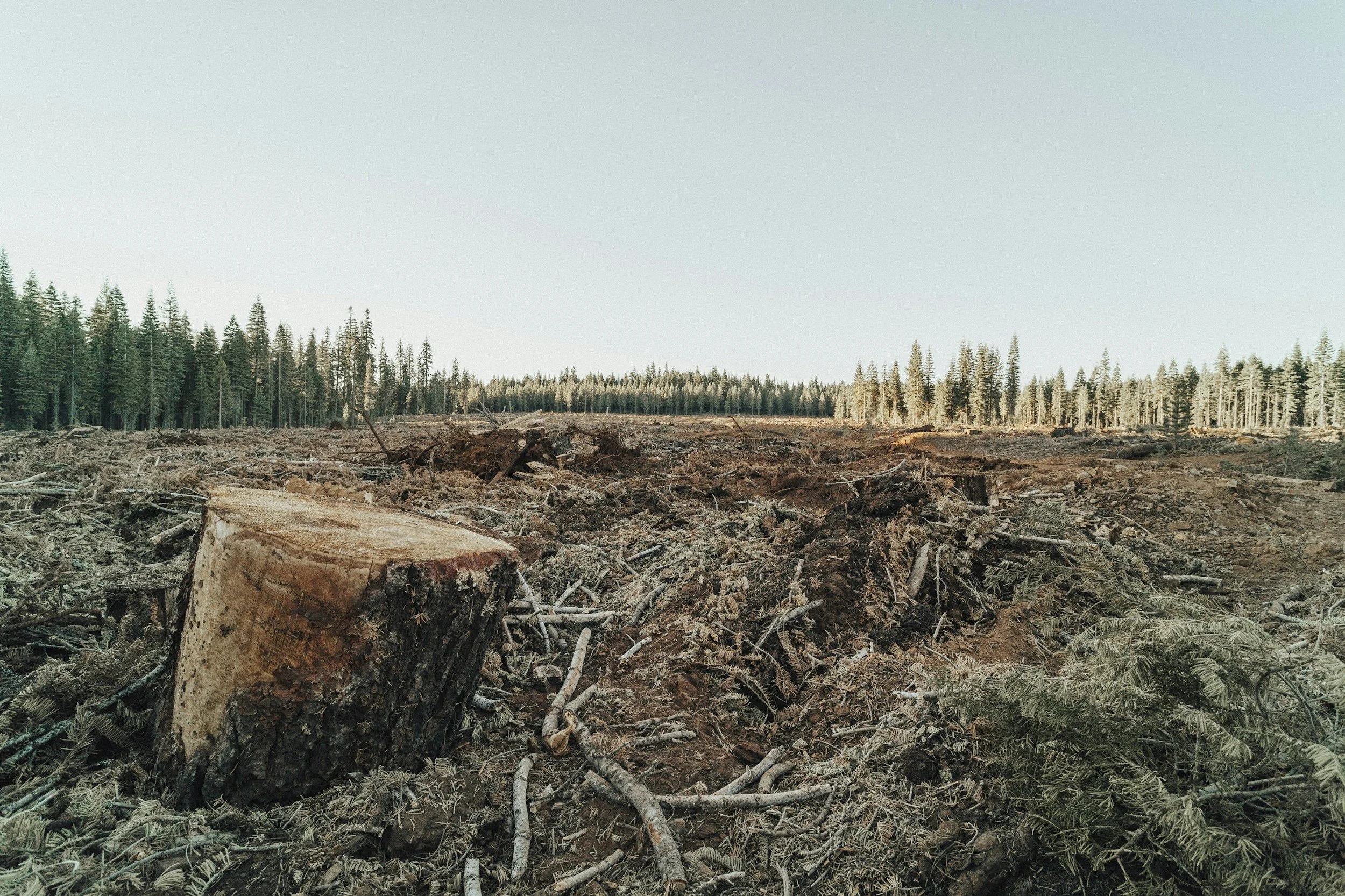
When Finnish immigrants began arriving in the region that would become Alberta in the late nineteenth and early twentieth centuries, they entered an area undergoing rapid agricultural expansion. Much of central Alberta remained heavily forested, and many homesteaders faced the difficult work of clearing land, removing stumps, building roads, and constructing homes with limited tools and few nearby services.

For some newcomers, this environment was unfamiliar and demanding. For many Finns, however, aspects of the landscape felt recognizable. Rural Finland was heavily forested, and generations of Finnish families had experience clearing land, harvesting timber, building with wood, and making practical use of natural resources. These skills became valuable in Alberta’s wooded regions, where establishing a farm required patience, resourcefulness, and years of labour.

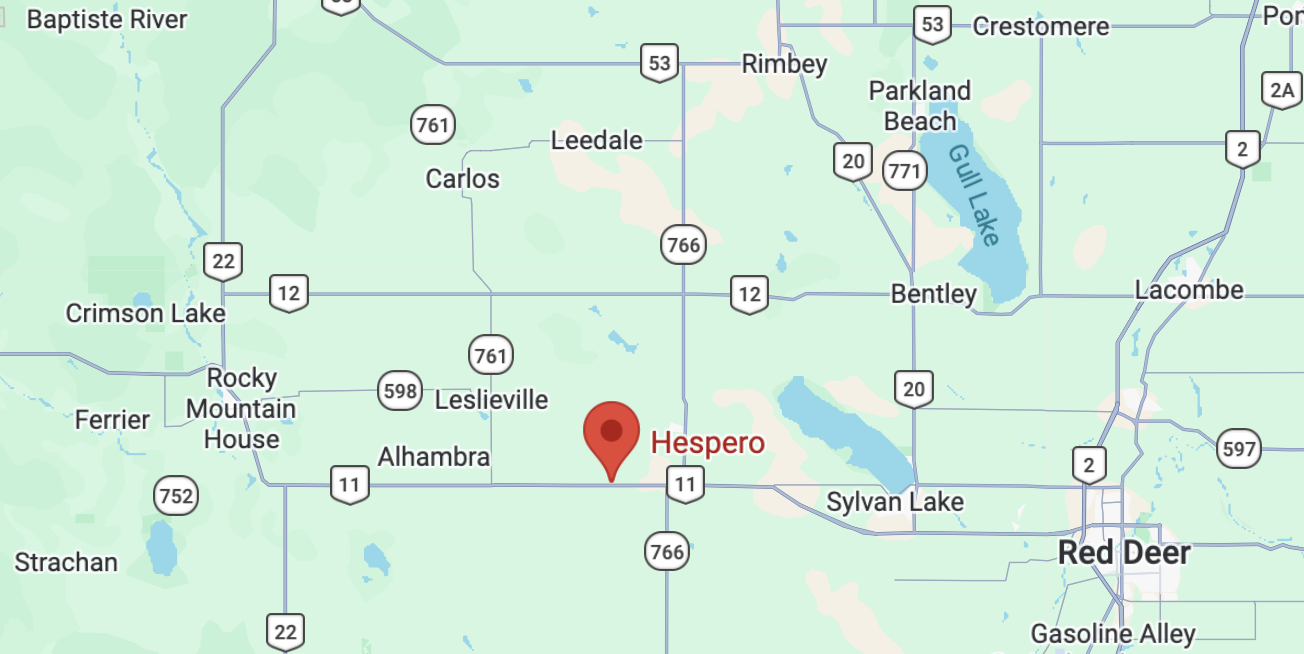
Over the following decades, Finnish families helped shape communities across central Alberta, particularly around the Red Deer region, Eckville, Hespero, Hoadley, Sylvan Lake, and surrounding rural districts. They established farms, built homes, schools, community halls, and churches, and brought traditions that adapted to life on the Canadian Prairies.

Many families combined farming with seasonal employment in logging camps, coal mines, railway construction, and other industries. Income earned during winter months helped support developing farms by providing money for livestock, equipment, fencing, and future crops. This combination of agriculture and wage labour was common among rural immigrant families building a new life in Alberta.

Although Finnish immigrants never formed one of Alberta’s largest ethnic communities, their influence extended beyond their numbers. They contributed traditions shaped by northern living and practical knowledge, including sauna culture, community cooperation, careful use of forest resources, and food traditions adapted to prairie conditions.

Their connection to the natural environment also continued in Alberta. Berry picking, mushroom gathering, fishing, gardening, and preserving food for long winters remained familiar practices that connected Finnish families to both their homeland and their new surroundings.

Today, traces of Finnish settlement remain across central Alberta. Family names, cemeteries, historic halls, old farmsteads, and community traditions continue to tell the story of Finnish Albertans. Many descendants maintain connections to Finnish culture while contributing to the province’s broader cultural landscape.

This guide explores why Finns chose Alberta, where they settled, how they built farms and communities, and how traditions carried from Finland became part of life on the Canadian Prairies.

Where Finns Settled in Alberta

Finnish immigrants to Alberta did not settle evenly across the province. Many were drawn to rural areas where forested land, agricultural opportunities, and seasonal employment matched the skills and experiences they brought from Finland.

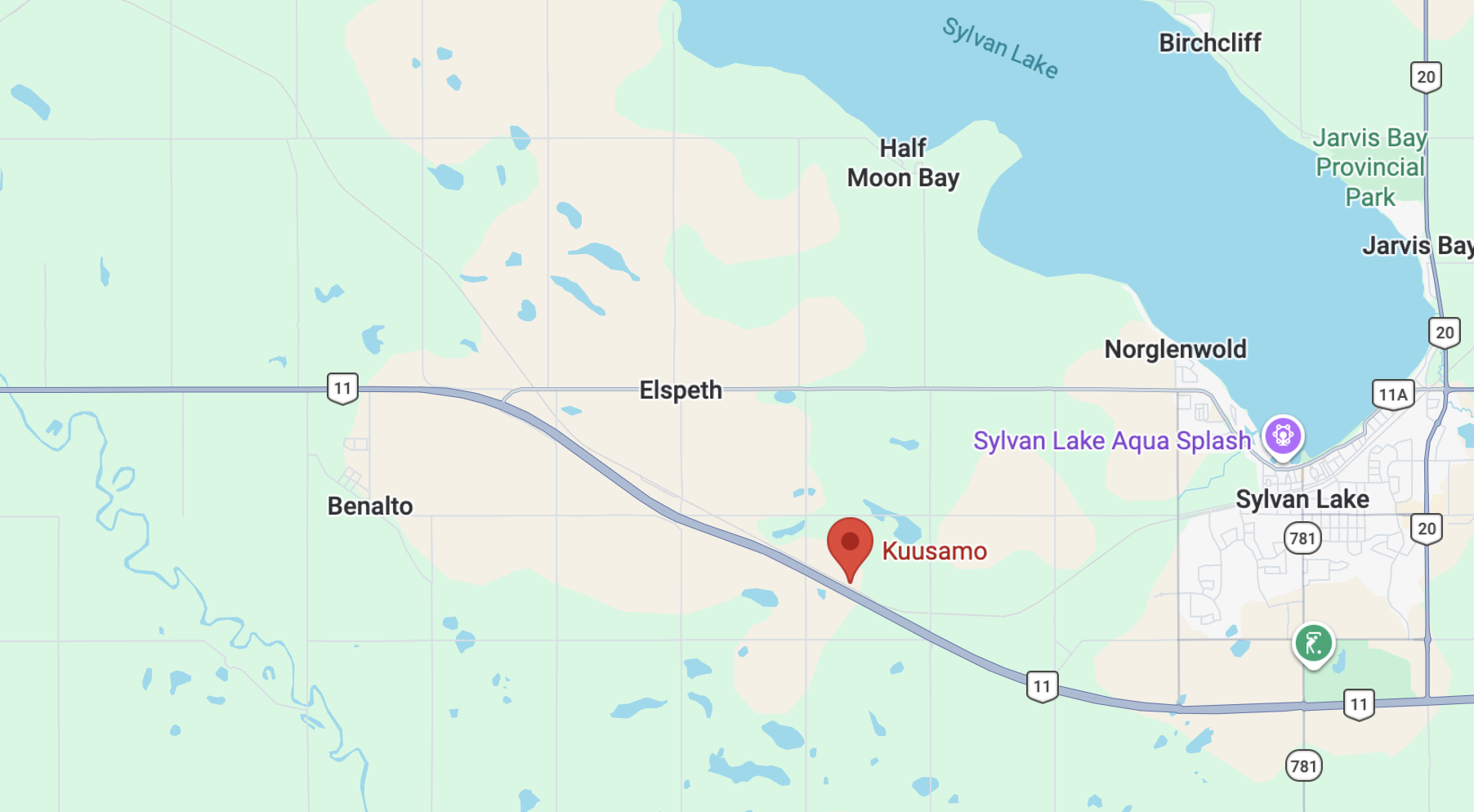
Central Alberta became one of the most significant regions for Finnish settlement, particularly the communities and rural districts surrounding Red Deer, Eckville, Hespero, Hoadley, Sylvan Lake, and nearby areas.

These regions offered a combination of farmland, forests, waterways, and employment opportunities. The wooded landscape provided materials for construction and fuel, while agricultural land offered the possibility of establishing long-term family farms. For immigrants familiar with forest-based rural life in Finland, these environments presented both challenges and opportunities.

Central Alberta: Red Deer District and Surrounding Communities

The rural areas around Red Deer became an important centre for Finnish families during the early twentieth century. The region offered agricultural opportunities while also providing access to industries such as logging, mining, and railway development.

For many families, farming and wage labour worked together. Seasonal employment provided income while farms were being established, while the farm itself provided food, stability, and a permanent home.

Communities such as Eckville and surrounding rural districts became closely associated with Finnish heritage in Alberta. Families established homesteads, formed community networks, and maintained traditions brought from Finland while adapting to a new landscape.

The forests and lakes surrounding these communities also shaped everyday life. Berry picking, fishing, hunting, and gathering wild foods remained important activities for many households, reflecting both Finnish traditions and the realities of rural Alberta.

Eckville and Hespero

The areas around Eckville and Hespero became particularly important locations for Finnish families. The availability of forested agricultural land appealed to immigrants who had experience working in rural and forest environments.

Clearing land required significant labour, but Finnish families often brought knowledge of woodworking, farming, and resource management that helped them make practical use of the materials available around them.

Community cooperation was central to life in these areas. Families relied on neighbours for assistance with major projects, continuing traditions of shared labour familiar from Finland. Building homes, raising barns, preparing firewood, and helping with harvests strengthened connections between families living in rural areas.

Hoadley and the Sylvan Lake District

Other rural communities near Hoadley and Sylvan Lake also became home to Finnish families. These areas offered farmland, forests, lakes, and employment opportunities that supported both agricultural and seasonal work.

The landscape influenced how traditions continued after immigration. Forests and waterways provided opportunities for recreation, food gathering, and activities that connected Finnish families to practices they had known before moving to Alberta.

Together, these communities formed an important part of Finnish Alberta. Although Finnish residents were part of a much larger and diverse rural population, they created strong cultural networks that allowed language, traditions, and community practices to continue across generations.

Building a Finnish Homestead

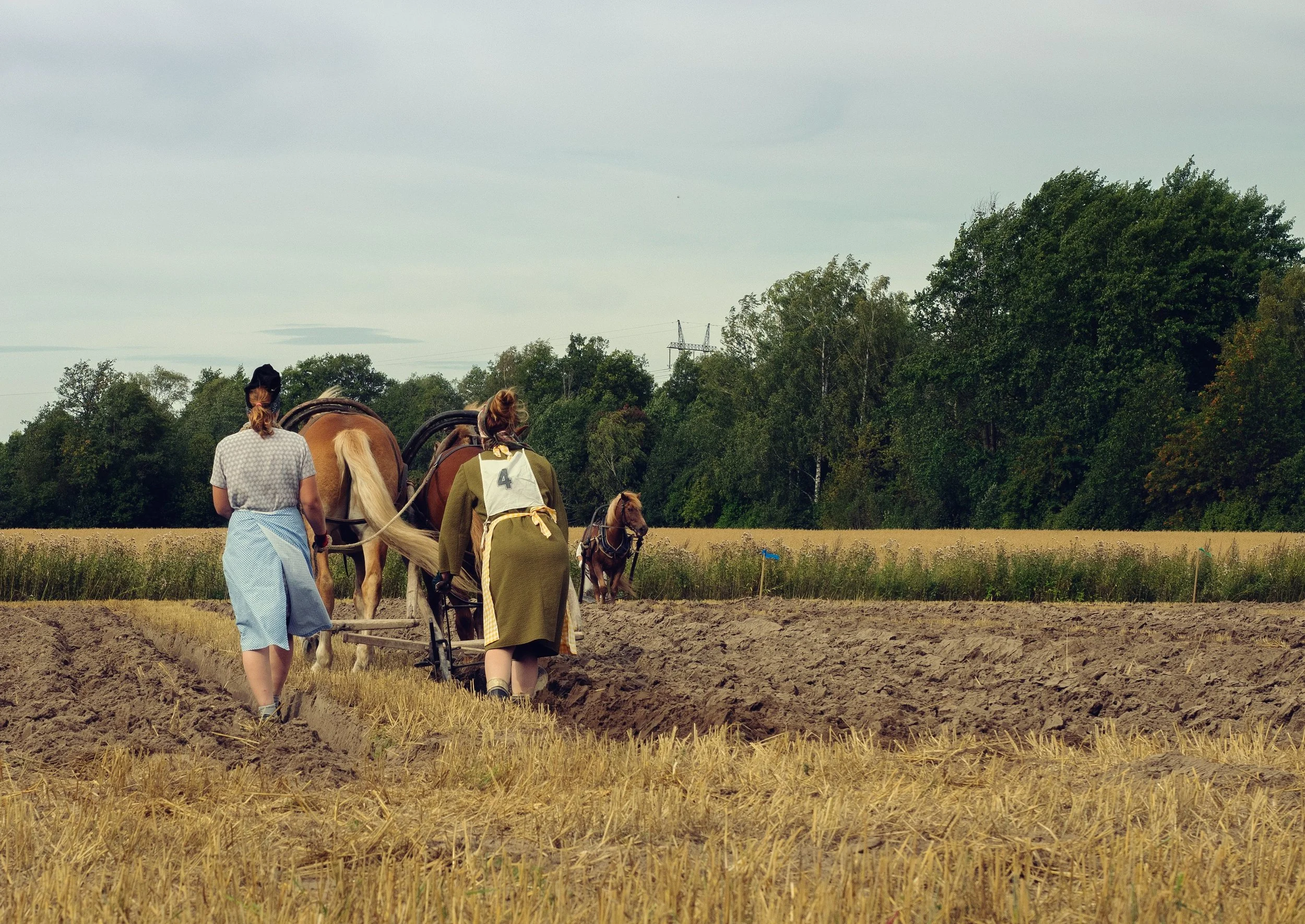
For many Finnish families who moved to rural Alberta, creating a farm meant adapting familiar skills to a new environment. Establishing a homestead required years of physical work, but many immigrants arrived with experience working in forested landscapes and rural communities.

In Finland, forests had long provided families with building materials, fuel, and income. In central Alberta, those same skills became valuable as settlers cleared land and created farms among wooded areas.

Clearing land was one of the first major challenges. Trees had to be cut, removed, and repurposed before fields could be planted. Timber could be used for homes, barns, fencing, fuel, and tools, making the forest an important resource rather than simply an obstacle.

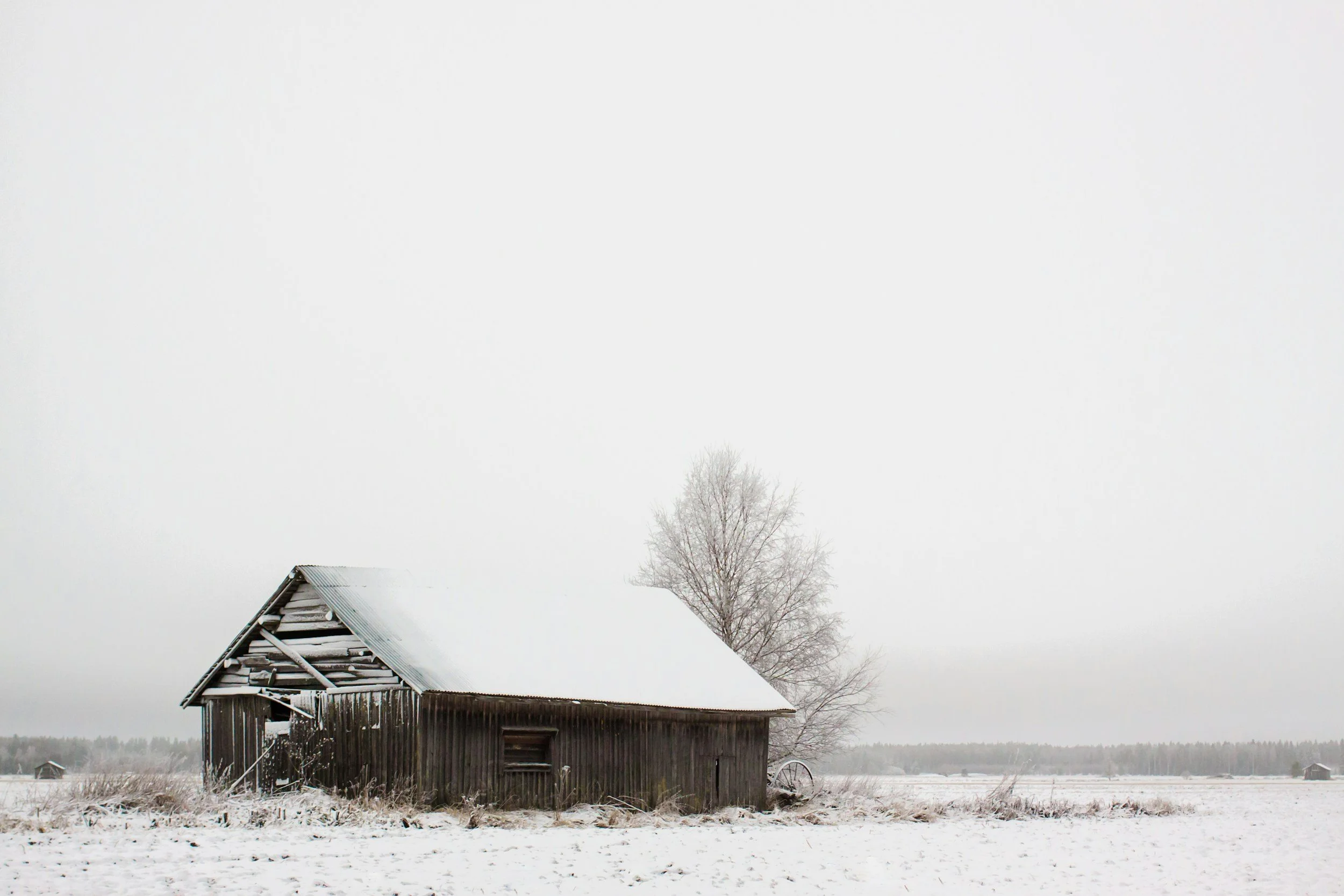
Homes, barns, sheds, and other outbuildings could be built using log construction techniques adapted from Finnish traditions while responding to Alberta’s climate and available materials. These structures provided shelter through harsh winters and could be expanded as families gained livestock, equipment, and resources.

A Finnish homestead was more than a house and a field. Families developed systems that allowed them to be as self-sufficient as possible throughout the year. Root cellars helped preserve vegetables through winter, while gardens provided hardy crops such as potatoes, carrots, cabbage, and onions.

Families used methods such as drying, salting, smoking, fermenting, and canning to extend seasonal harvests through long winters.

Cattle, chickens, pigs, and other livestock provided food, materials, and additional income. Dairy farming provided milk, butter, and other products supporting both family needs and local economies.

Children often helped with gardens, animals, and household responsibilities, while adults managed farming, construction, and outside employment. Many families continued combining agriculture with seasonal work in logging, mining, and railway construction, particularly during the winter months.

The Finnish tradition of talkoot—voluntary community work where neighbours come together to complete a shared task—continued in Alberta. These efforts could involve building homes, raising barns, preparing firewood, assisting with harvests, or supporting families during demanding periods.

Through these practices, Finnish families created homes and communities that reflected both their experiences in Finland and their new lives in Alberta. Their traditions evolved alongside the forests, farms, and communities of the Canadian Prairies.

The Sauna

For Finnish immigrants in Alberta, the sauna represented much more than a cultural tradition carried from Finland. In rural communities where homes were often built gradually and modern conveniences were limited, the sauna was a practical structure that supported everyday life. It provided a place for bathing, washing clothing, warming up after outdoor work, and maintaining familiar routines.

Many Finnish families built saunas on their Alberta farms and rural properties, often using local materials and construction methods they already understood. The design was simple and practical: a heated room with a stove, benches, and access to water provided a reliable place for washing even when homes lacked indoor plumbing or dedicated bathing facilities.

After physically demanding work in fields, forests, logging camps, or construction sites, the sauna offered a place to clean, rest, and recover. It also supported household tasks, including washing and drying clothing and work gear during Alberta’s cold winters.

Historically, saunas in Finland were closely connected with family life, cleanliness, and important personal events. In some communities, saunas were associated with occasions such as childbirth or recovery after illness, although practices varied between regions, generations, and families.

For Finnish workers in Alberta’s logging camps and other seasonal workplaces, saunas provided both practical benefits and a familiar connection to home. In temporary work environments where bathing facilities were limited, Finnish workers often built saunas as a way to maintain a tradition deeply connected to daily life.

Beyond their practical purpose, saunas became social spaces. Families and neighbours gathered there, and the tradition helped strengthen connections between generations. The sauna reflected broader Finnish traditions of cleanliness, practicality, community, and a close relationship with the natural environment.

Today, the sauna remains one of the most recognizable expressions of Finnish heritage in Alberta. Many families continue to build and use saunas as a connection to their Finnish roots and to the generations who carried the tradition across the Atlantic and adapted it to life on the Canadian Prairies.

Finnish Food Traditions in Alberta

Food was one of the ways Finnish families maintained connections to home while adapting to life in Alberta. The ingredients available on the Prairies differed from those found in Finland, but many Finnish food traditions translated well to rural life because they already emphasized seasonal ingredients, preservation, and careful use of available resources.

Rye bread was one of the strongest links between Finnish kitchens in Finland and Alberta. Rye had long been an important grain in Finnish food culture, and families continued baking rye breads after immigration. Recipes changed over time as families worked with locally available grains and ingredients, creating versions that reflected both Finnish traditions and prairie conditions.

Coffee also remained an important part of Finnish social life. Coffee drinking was closely connected with hospitality, conversation, and community gatherings. Offering coffee and baked goods to visitors was a familiar way to welcome neighbours, and coffee often accompanied celebrations, meetings, and everyday visits.

Sweet breads such as pulla also remained important. The cardamom-scented bread was associated with holidays, family gatherings, and special occasions. Made with ingredients available in Alberta households, pulla became one of the foods that helped preserve cultural connections across generations.

The natural environment around central Alberta also shaped Finnish food practices. Many families continued traditions of gathering foods from the land, including berries and wild mushrooms. Berry picking was familiar to many immigrants from Finland, where forests provided important seasonal foods. In Alberta, families adapted these practices to local landscapes and available species.

Fishing was another familiar activity. Alberta’s lakes and waterways provided opportunities to continue traditions of catching, preparing, and preserving fish. For many families, fishing was both a practical food source and a connection to familiar ways of living.

Kitchen gardens were central to many rural households. Families grew hardy vegetables suited to Alberta’s climate, including potatoes, carrots, cabbage, onions, and other crops that could be stored through the winter months.

The short growing season meant preserving food was essential for rural families. Methods such as canning, drying, smoking, fermenting, and storing root vegetables helped extend the usefulness of seasonal harvests through Alberta’s long winters.

Over time, Finnish food traditions in Alberta became a combination of inherited practices and new surroundings. Recipes carried from Finland adapted to prairie-grown ingredients, local fish, garden produce, and foods available through farming and community networks. The result was a Finnish-Albertan food culture shaped by both heritage and place.

Community Life Among Finns in Alberta

For Finnish families living in rural Alberta, community connections were essential. Farms and homes were often separated by significant distances, making cooperation, shared work, and social gatherings important parts of everyday life.

Finnish immigrants created organizations, cooperative networks, and gathering places that helped maintain relationships, traditions, and cultural connections.

Community halls were among the most important gathering spaces. These buildings hosted dances, meetings, celebrations, concerts, and social events. They provided places where families could share news, maintain friendships, and continue traditions across generations.

Dances and music were important parts of Finnish social life. Gatherings often included traditional songs, instruments, dancing, and shared meals. These events provided entertainment during long winters while strengthening connections between families spread across rural areas.

Churches and religious organizations also played a role in some Finnish communities, providing spaces for worship, social gatherings, and mutual support. Like other immigrant communities in Alberta, Finnish families often relied on local institutions to help maintain relationships and support newcomers.

Language was another important connection between generations. Many first-generation Finnish immigrants continued speaking Finnish at home, while later generations increasingly adopted English. Family traditions, community gatherings, and Finnish-language publications helped preserve cultural connections during this transition.

Finnish Canadian newspapers and publications also connected communities beyond individual towns and farms. They shared news, cultural information, and stories from Finnish communities across Canada, helping immigrants maintain relationships beyond their immediate surroundings.

Outdoor recreation reflected the northern environments shared by Finland and Alberta. Skiing, skating, and other winter activities provided opportunities for recreation and social connection while continuing familiar relationships with the outdoors.

These traditions of shared labour continued in Alberta communities, where neighbours contributed time and skills to building projects, farm work, community events, and mutual support.

The strength of Finnish communities in Alberta came from these networks of cooperation. Through halls, organizations, family connections, and shared traditions, Finnish immigrants and their descendants created communities that reflected both their Finnish heritage and their experiences living on the Canadian Prairies.

Finnish Traditions and Values on the Prairie

Many traditions Finnish immigrants brought to Alberta were connected to practical ways of living: working through challenges, making careful use of the natural environment, and supporting neighbours. These practices were adapted to the landscapes, communities, and circumstances of rural Alberta.

Concepts often associated with Finnish culture, such as sisu and community cooperation, reflect qualities visible in the experiences of Finnish families who established farms and communities across the province.

Sisu: Persistence Through Challenge

The Finnish concept of sisu is often used to describe determination, endurance, and the ability to continue through difficult circumstances. Many aspects of Finnish immigrant life in Alberta reflected sisu: persistence, resourcefulness, patience, and the willingness to keep working through uncertainty.

Building a farm from forested land required years of labour. Families cleared fields, built homes, managed harsh winters, combined farming with seasonal employment, and created communities far from relatives and familiar surroundings.

Sisu was about responding to challenges through steady effort and adaptability. The experiences of Finnish families in Alberta reflected the importance of perseverance in creating a new life on the Prairies.

A Finnish Connection to the Outdoors

The Finnish relationship with forests, lakes, and seasonal rhythms continued after immigration. For many Finnish families in Alberta, the outdoors remained connected to both practical needs and cultural traditions.

Forests provided materials for buildings and fuel, while lakes and wild landscapes offered opportunities for fishing, berry picking, mushroom gathering, hunting, skiing, and recreation.

These activities also shaped daily life. Gathering seasonal foods, preserving harvests, and making use of local resources connected Finnish households to the land around them while continuing practices familiar from Finland.

Finnish Heritage in Alberta Today

Finnish heritage in Alberta continues through families, cultural organizations, traditions, and places connected to earlier generations of immigrants. Although rural communities have changed over time, Finnish influence remains visible through historic buildings, family histories, and cultural practices.

Community halls remain important reminders of Finnish rural life. These gathering places provided spaces for celebrations, meetings, dances, and cultural activities, and many continue to serve communities today.

Saunas remain one of the strongest expressions of Finnish heritage in Alberta. Many families continue to build and use saunas as part of their connection to Finnish culture, family traditions, and memories passed between generations.

The author, Shara, had a sauna in her childhood home in Red Deer.

Agriculture also remains an important part of many Finnish families’ histories. Some descendants continue farming, while others preserve connections through photographs, documents, family stories, and records of earlier homesteads.

Heritage organizations play an important role in maintaining Finnish culture and sharing it with wider communities. Through events, archives, language activities, food traditions, and cultural programming, these organizations help preserve connections to Finland and Finnish Canadian history.

Festivals and gatherings featuring Finnish food, music, crafts, dance, and sauna traditions provide opportunities for descendants and visitors to experience Finnish heritage today. These events demonstrate how traditions continue to evolve while remaining connected to their origins.

Cemeteries, historic sites, and family records provide another link to the past. Names on headstones, old buildings, and preserved documents help tell the stories of Finnish Albertans who contributed to the development of rural communities across the province.

Places to Experience Finnish Alberta

Exploring Finnish heritage in Alberta often means visiting the rural communities where Finnish families established farms and built connections. Across central Alberta, community halls, heritage collections, family histories, and cultural events continue to share the story of Finnish settlement.

Museums, archives, and local historical collections offer a way to learn about Finnish experiences in the province. Photographs, family records, farming tools, household items, and documents provide insight into how Finnish immigrants adapted to life in Alberta.

The communities around central Alberta—including Red Deer, Eckville, Hespero, Hoadley, Sylvan Lake, and surrounding rural districts—remain closely connected to Finnish settlement history. The landscapes themselves reveal part of the story: forests, lakes, farms, and roads shaped the lives of the families who established communities there.

Cultural events and gatherings provide opportunities to experience Finnish Alberta today through food, music, crafts, language, and traditions.

For those researching family history, cemeteries, local histories, and archival records provide valuable connections to earlier generations of Finnish Albertans.

Experiencing Finnish Alberta means following the relationship between people and place. A community hall, family farm, sauna, heritage collection, or local gathering can each reveal part of the story of how Finnish traditions became part of life on the Canadian Prairies.

Frequently Asked Questions About Finns in Alberta

Why did Finns come to Alberta?

Finnish immigrants came to Alberta during the late nineteenth and early twentieth centuries seeking land, economic opportunities, and the possibility of building a more secure future. Alberta’s rural landscapes also appealed to many Finns because they had experience with farming, forests, and northern climates.

Where did Finnish immigrants settle in Alberta?

Many Finnish families settled in central Alberta, particularly around Red Deer, Eckville, Hespero, Hoadley, Sylvan Lake, and surrounding rural districts. These areas offered agricultural opportunities, forest resources, and employment options that supported immigrant families.

What jobs did Finnish immigrants do in Alberta?

Many Finnish families combined farming with seasonal employment. Work in logging, coal mining, railway construction, road building, and other industries provided income while farms were being established.

Why are saunas important in Finnish culture?

Saunas have long been connected with bathing, cleanliness, relaxation, and family life in Finland. In Alberta, Finnish families built saunas as practical spaces for washing, caring for clothing, and maintaining familiar traditions.

Are there still Finnish communities in Alberta?

While distinct communities tend to emerge only at family gatherings, Finnish heritage continues through descendants, cultural organizations, family histories, events, and traditions such as sauna use, Finnish food, outdoor activities, and community gatherings.

What traditions did Finnish immigrants bring with them?

Finnish immigrants brought traditions connected to food, sauna culture, outdoor activities, music, language, seasonal practices, and community cooperation. Practices such as berry picking, food preservation, and shared labour continued after immigration.

What foods did Finnish immigrants eat in Alberta?

Finnish families adapted traditional foods to ingredients available in Alberta. Common foods included rye bread, pulla, fish, garden vegetables, preserved foods, berries, and wild mushrooms.

The Continuing Story of Finns in Alberta

The story of Finns in Alberta is found in many places: in rural communities across central Alberta, in family farms passed through generations, in community halls where neighbours gathered, and in traditions that continue in homes today.

Finnish immigrants brought knowledge shaped by another northern landscape. They understood the work involved in living with forests, long winters, and seasonal change. In Alberta, those experiences became part of a new way of life shaped by farming, industry, cooperation, and relationships with neighbours.

The communities created by Finnish families are part of Alberta’s broader history of immigration, agriculture, and cultural exchange. Their story shows how traditions change when people move across continents, adapting to new landscapes while remaining connected to the places and experiences that shaped them.

Further Reading

Beaulieu, Michel S., David K. Ratz, and Ronald Harpelle (eds.). Hard Work Conquers All: Building the Finnish Community in Canada. UBC Press, 2018.

Kostiainen, Auvo. Finnish Immigrants in North America, 1880–1920: A History of Settlement, Assimilation, and Social Mobility.

Kero, Reino. Migration from Finland to North America in the Years between the United States Civil War and the First World War.

Finkel, Alvin. Working People in Alberta: A History. Athabasca University Press, 2012.

Payne, Michael, Donald Wetherell, and Catherine Cavanaugh (eds.). Alberta Formed—Alberta Transformed: A History of Alberta, Volume 2. University of Calgary Press, 2006.

Hummasti, Paul George. Finnish Radicals and Religion in North America.

Sallinen, Aili. Finnish Canadians: A Historical Survey.

Kuitunen, Alan Neil. The Finnish Canadian Socialist Movement, 1900–1914. University of Calgary, 1982.

Shara Cooper MA, MFA

Shara Cooper is the founder of Nordic Prairie Kitchens (formerly, Recipe and Roots). She is the mother of two teenage daughters, one dog (The Mediocre Gatsby), and one cat (Princess Roseabella the First aka Rosie). She lives in the Edmonton, Alberta. You can find her writing most recently in the Toronto Star.

https://www.sharacooper.ca
Next
Next

Lagom: What a Swedish Idea of "Enough" Means on the Canadian Prairies