

The Winter Candle
Before the candles could be dipped, everyone at Överby parsonage had work to do.
Edvard Ström spent part of his childhood there, on Sweden’s west coast, between 1814 and 1825. In recollections recorded late in the nineteenth century and published by Bohusläns Museum, he remembered the household twisting cotton and tow yarn into wicks while his aunt Anna Lisa prepared for candle making. A tall copper vessel was carried into the servants’ room, wrapped in blankets and mats to retain its heat, more than half-filled with boiling water and topped with melted tallow.
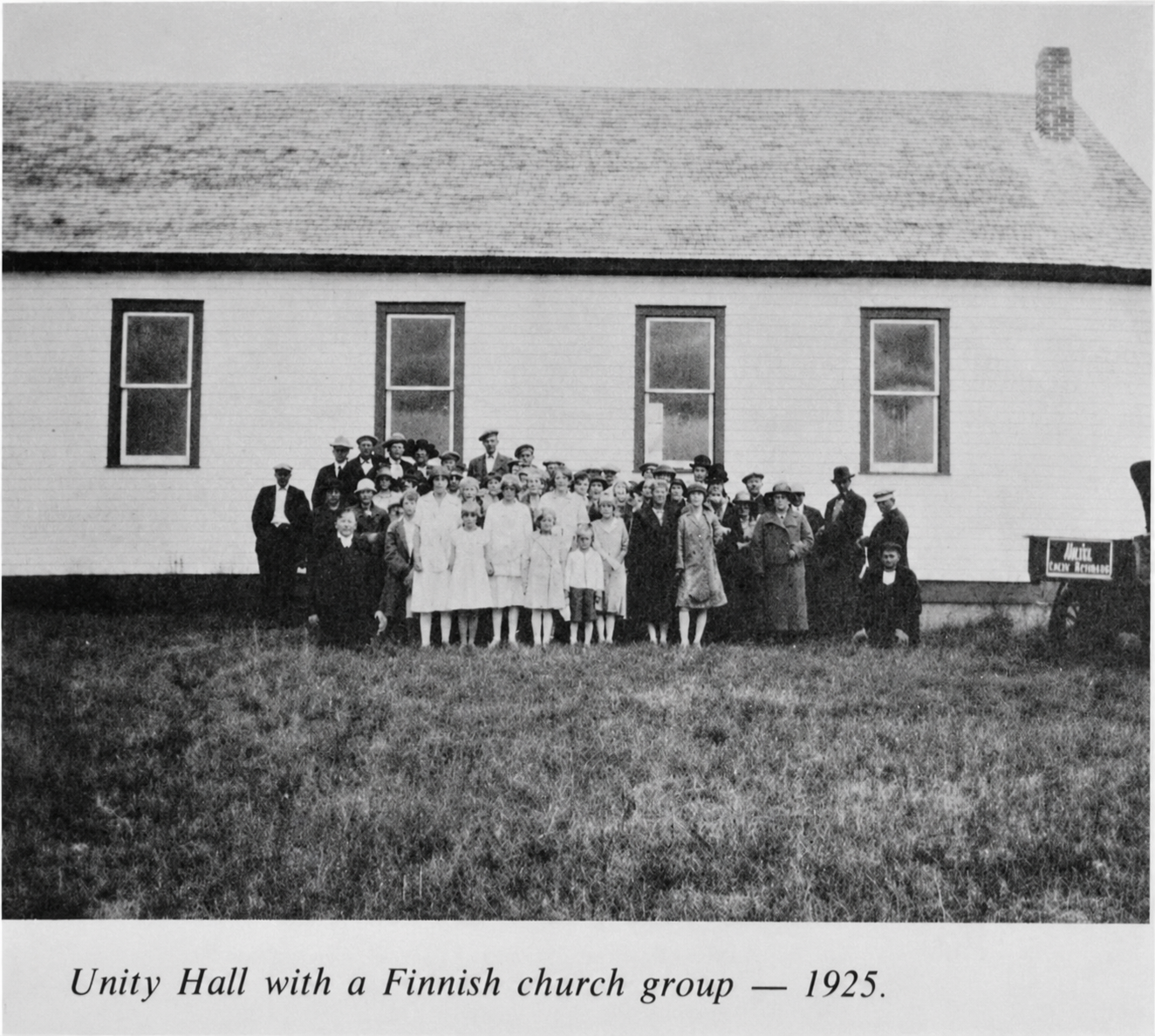
Unity Hall and the Finnish Young People’s Society Near Sylvan Lake
A 1925 photograph shows a Finnish church group gathered outside Unity Hall, a white-sided building in the countryside west of Sylvan Lake. The hall was only about a year old when the photograph was taken, but it was already serving several parts of Finnish community life, from church gatherings to dances, meetings and plays.
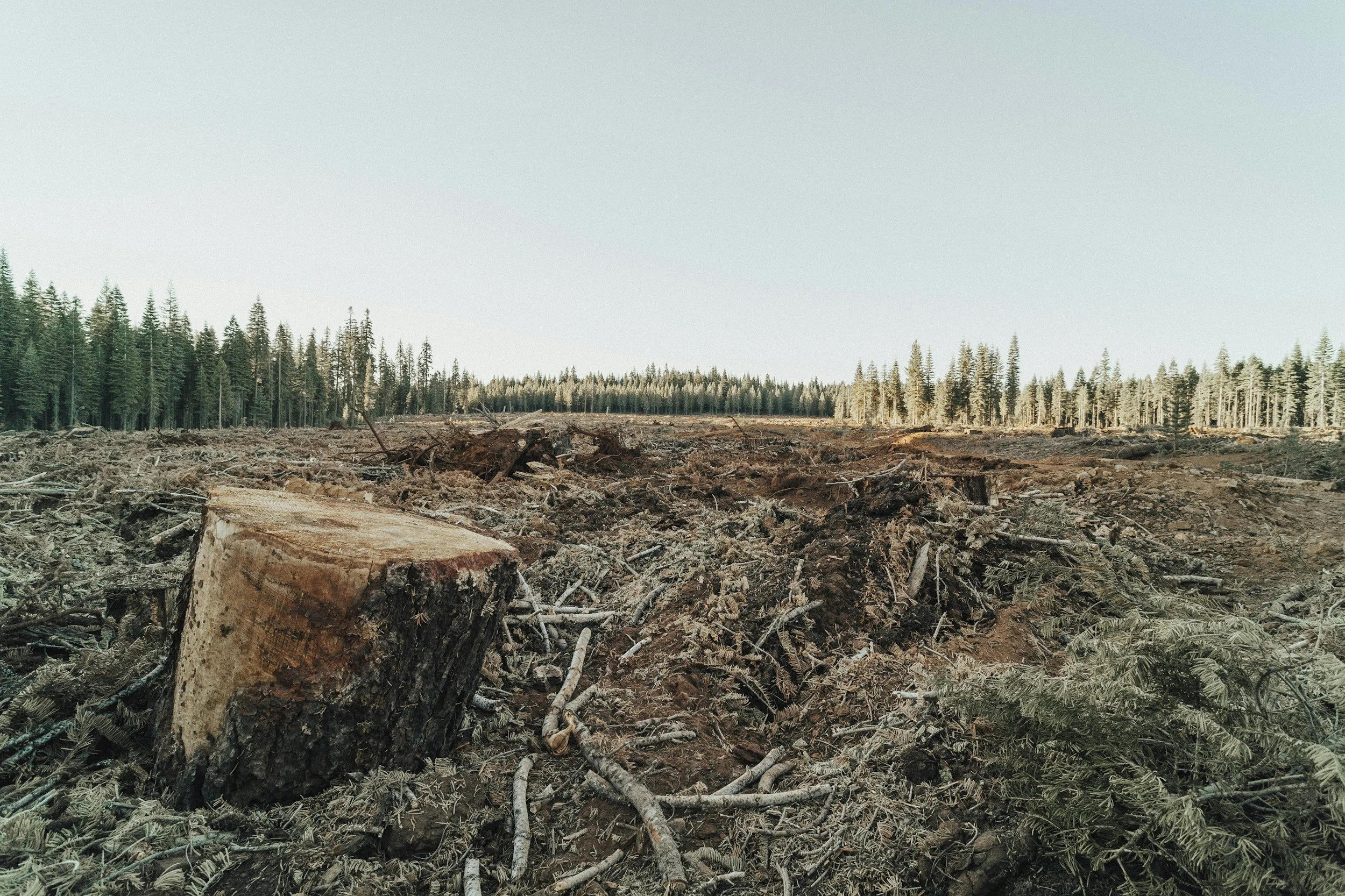
Clearing the Bush
Central Alberta’s wooded parkland around Sylvan Lake, Eckville and Hoadley lies largely within Treaty 6 territory, while Red Deer stands near the meeting of Treaty 6 and Treaty 7 lands. The region is also Métis homeland and was travelled, occupied and used by Cree, Blackfoot, Saulteaux, Nakota, Dene and Métis communities long before homestead lands were surveyed.
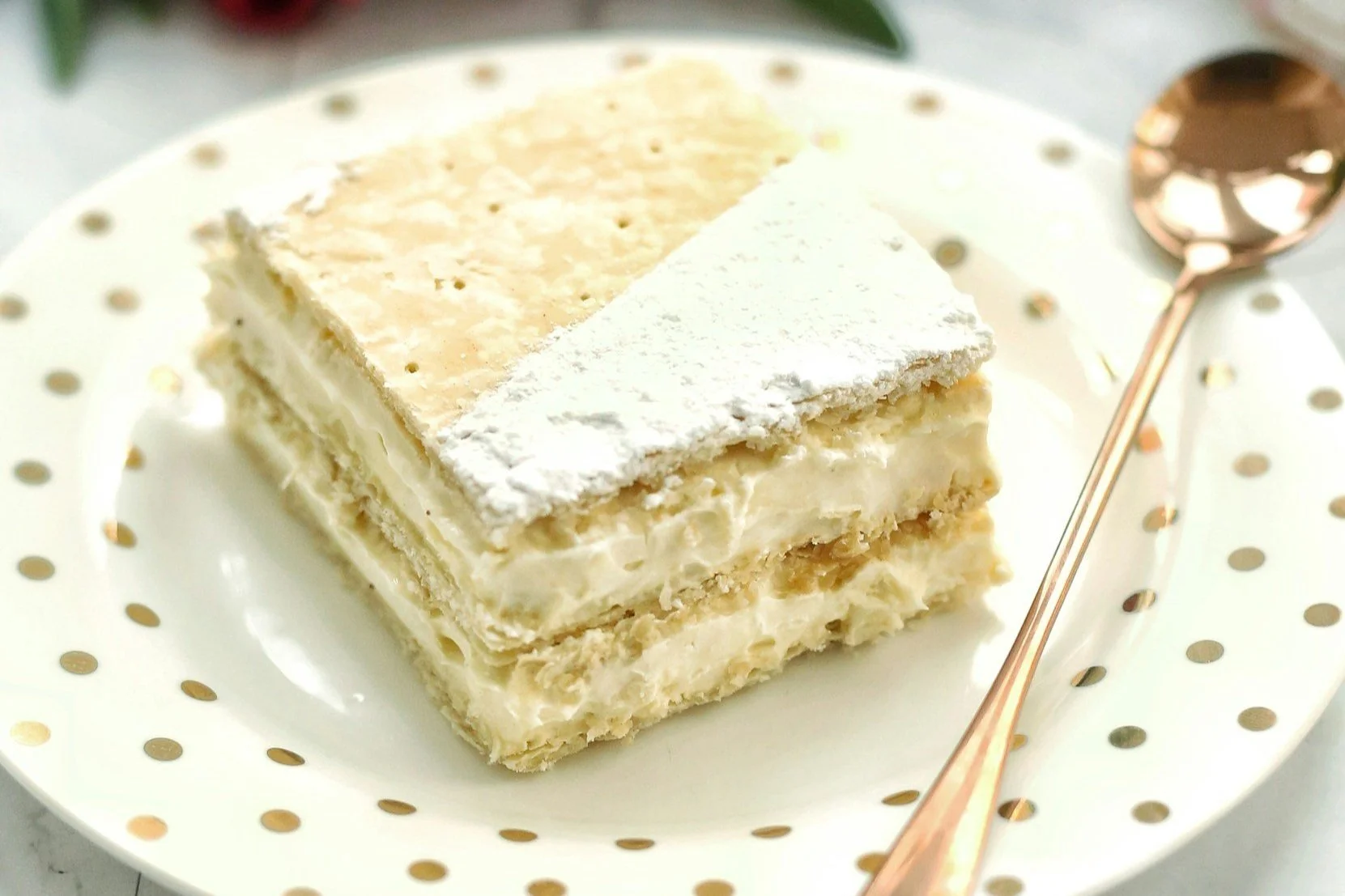
From Baba’s Hands to Bake Sales: Ukrainian Honey Cakes in Rural Alberta
In Ukrainian tradition, medivnyk is a dense, dark honey cake spiced with cinnamon, cloves, and sometimes coffee or cocoa. Though simple in its, ingredients the cake was rich in symbolism and carefully reserved for feast days—especially Christmas, New Year’s, and major weddings. In some regions, it was part of ritual offerings, tied to both the sweetness of life and the warmth of shared gatherings.

Indigenous Foodways of Edmonton: Rediscovering Traditional Flavours
Edmonton rests on Treaty 6 territory, the traditional lands of the Néhiyaw (Cree), Niitsitapi (Blackfoot), Métis, Nakoda (Stoney), Dene, Haudenosaunee (Iroquois), and Anishinaabe (Ojibway/Saulteaux) peoples. This place is not just a backdrop for food—it is a living landscape of knowledge, culture, and memory.

A Taste of Italy: Italian Cuisine in Edmonton
Italian immigrants arrived in Alberta in small numbers as early as the 1890s, often settling in mining towns like Coleman and Blairmore. By the 1920s and again after World War II, larger waves of immigration brought families from Calabria, Abruzzo, Sicily, and Veneto to Edmonton.
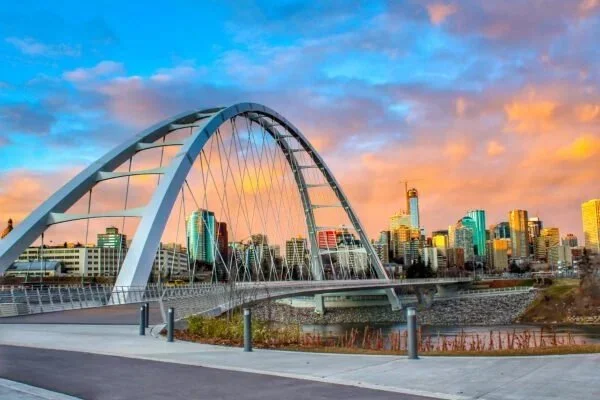

Sustainable Dining in Edmonton: Green Restaurants Leading the Way
In a prairie city known for long winters and vast distances, sustainable dining might seem like a contradiction. Yet Edmonton’s culinary landscape is undergoing a quiet transformation—one where the values of sustainability, cultural integrity, and community resilience are driving new standards in food service.

Edmonton’s Oldest Restaurants
Edmonton is a city that wears its age quietly. While much of its modern identity has been shaped by oil booms, arts festivals, and growing immigration waves, the story of its food is told in tucked-away diners, enduring bakeries, and family-run restaurants that have outlived trends.

From Railway Kitchens to Banquet Halls: Tracing Chinese Culinary Roots in Edmonton
The story of Chinese food in Edmonton begins not in a kitchen, but along the Canadian Pacific Railway. Chinese immigrants were among the earliest non-European labourers to arrive in Alberta in the late 1800s, often facing harsh working conditions and systemic discrimination. After the railway was completed, many were forced to turn to low-margin industries, including laundries and food service.