



Your business here
Support independent storytelling
Nordic Winters
Christmas, Folklore & Winter Traditions from the Nordic Countries to the Canadian Prairies
Christmas in the Nordic countries comes with some remarkable traditions: Iceland's thirteen Yule Lads, Sweden's candlelit Saint Lucia processions, Finland's Christmas sauna, and the mischievous farm spirits of Scandinavian folklore. Beyond the celebrations are centuries of winter customs, from handmade ornaments and festive foods to the stories families shared during the darkest months of the year.
Nordic Winters is Nordic Prairie Life's collection exploring the Christmas traditions, folklore, history and everyday winter life of Sweden, Norway, Denmark, Finland and Iceland. Discover the origins of familiar customs, the surprising stories behind lesser-known celebrations, and how Nordic immigrants brought their traditions to Canada, adapting them to life on the Prairies.
Explore the people, places, celebrations and family traditions that connect Nordic winters with Canadian life, from the first immigrant settlements to the present day.
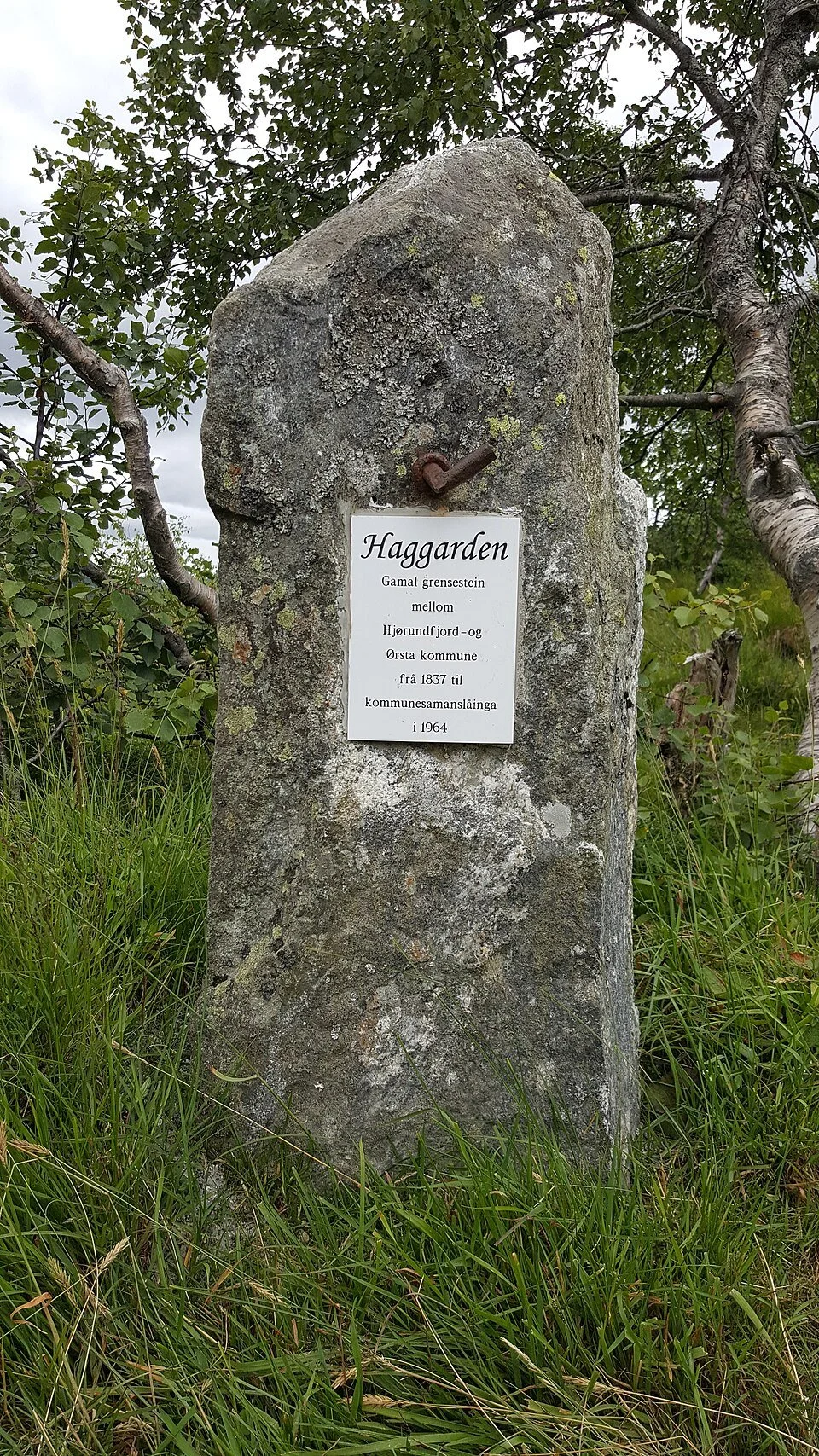
In a Norwegian story recorded in 1909, Sterke Nils watched a man struggle up through the waters of Svartetjørn in Telemark.
When Edvard Andersson recalled the Easter masquerades of his youth in Värmland, the disguises were designed to fool the neighbours.
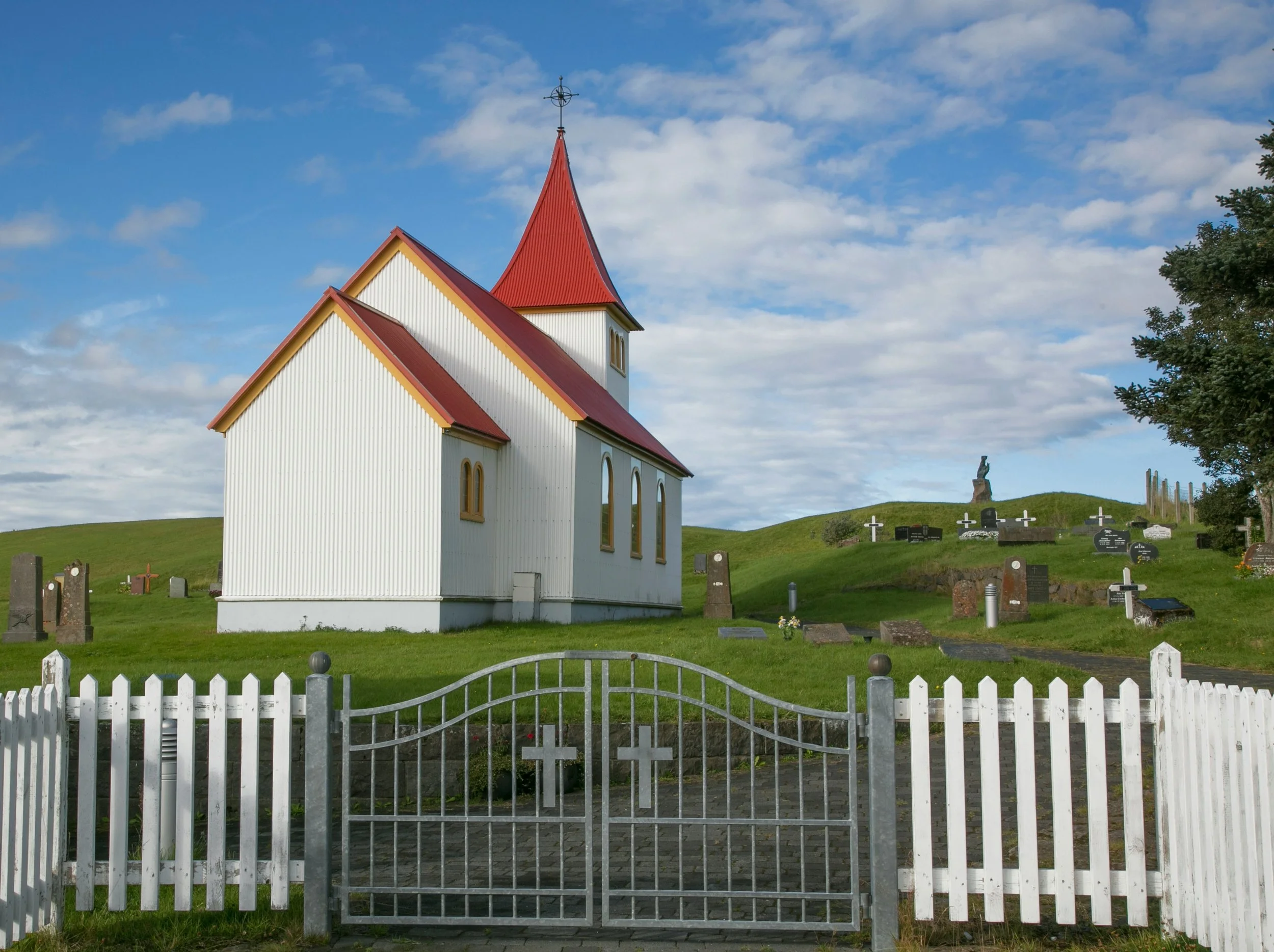
An Icelandic ghost story recorded in nineteenth-century Canada begins with a hired man who insists he will take his employer's daughter to Christmas mass.

In an early-eleventh-century poem, an Icelandic traveller describes being turned away from a farmhouse on a journey towards Sweden.

The turnip at the National Museum of Ireland is made of plaster. Its carved face is the work of a museum artist, based on a lantern remembered from County Donegal.

In a Norwegian story recorded in 1909, Sterke Nils watched a man struggle up through the waters of Svartetjørn in Telemark.
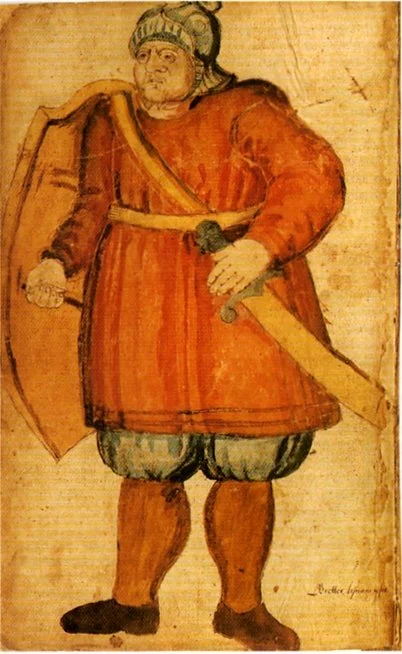
When neighbours opened Þórólfr Halt-Foot’s grave, they found a corpse that had neither decayed nor become any easier to move.
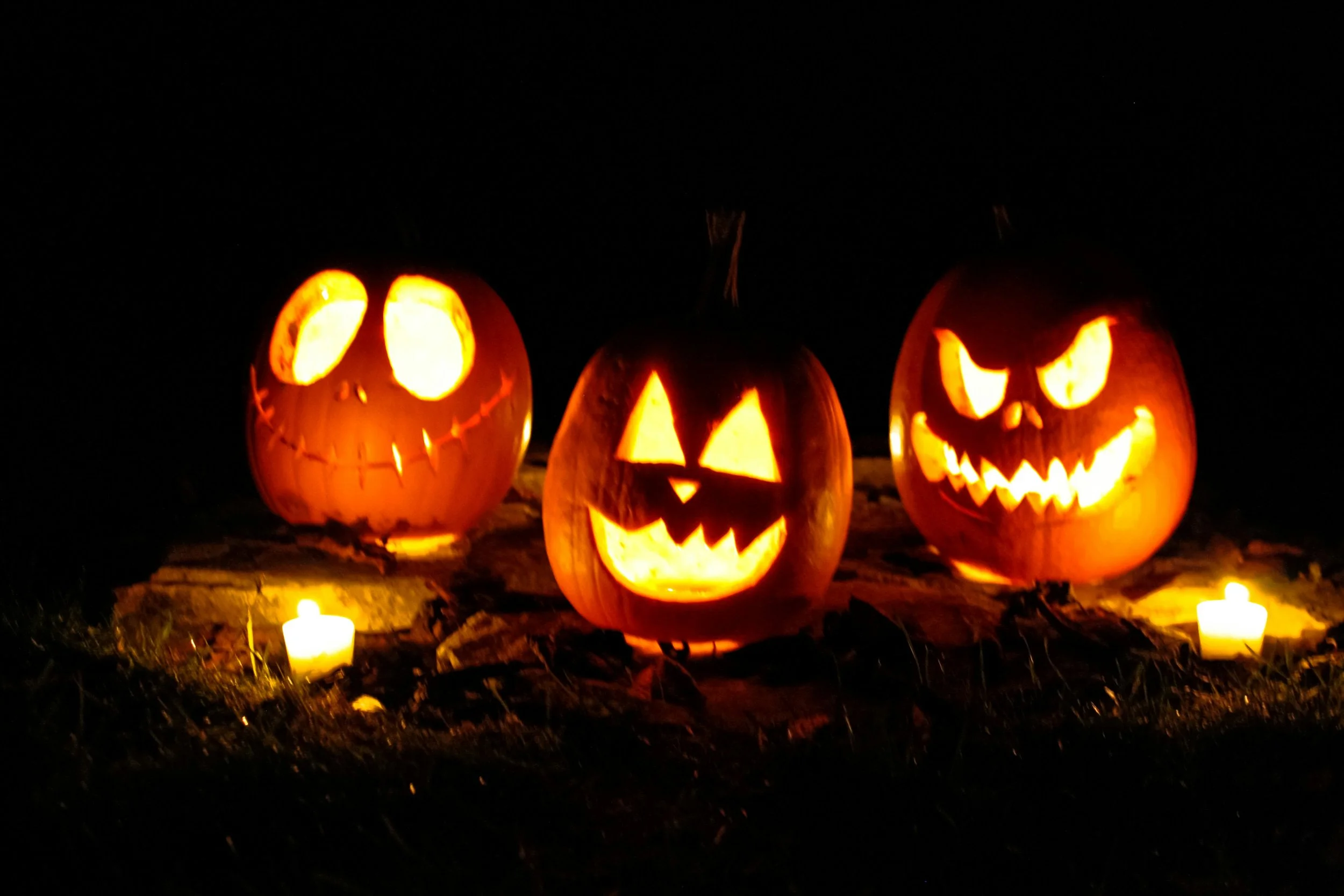
In 1993, the brothers Espen and Henning Hagerup were translating a Donald Duck story when they encountered a problem: what should Norwegian children say in place of “trick or treat”?
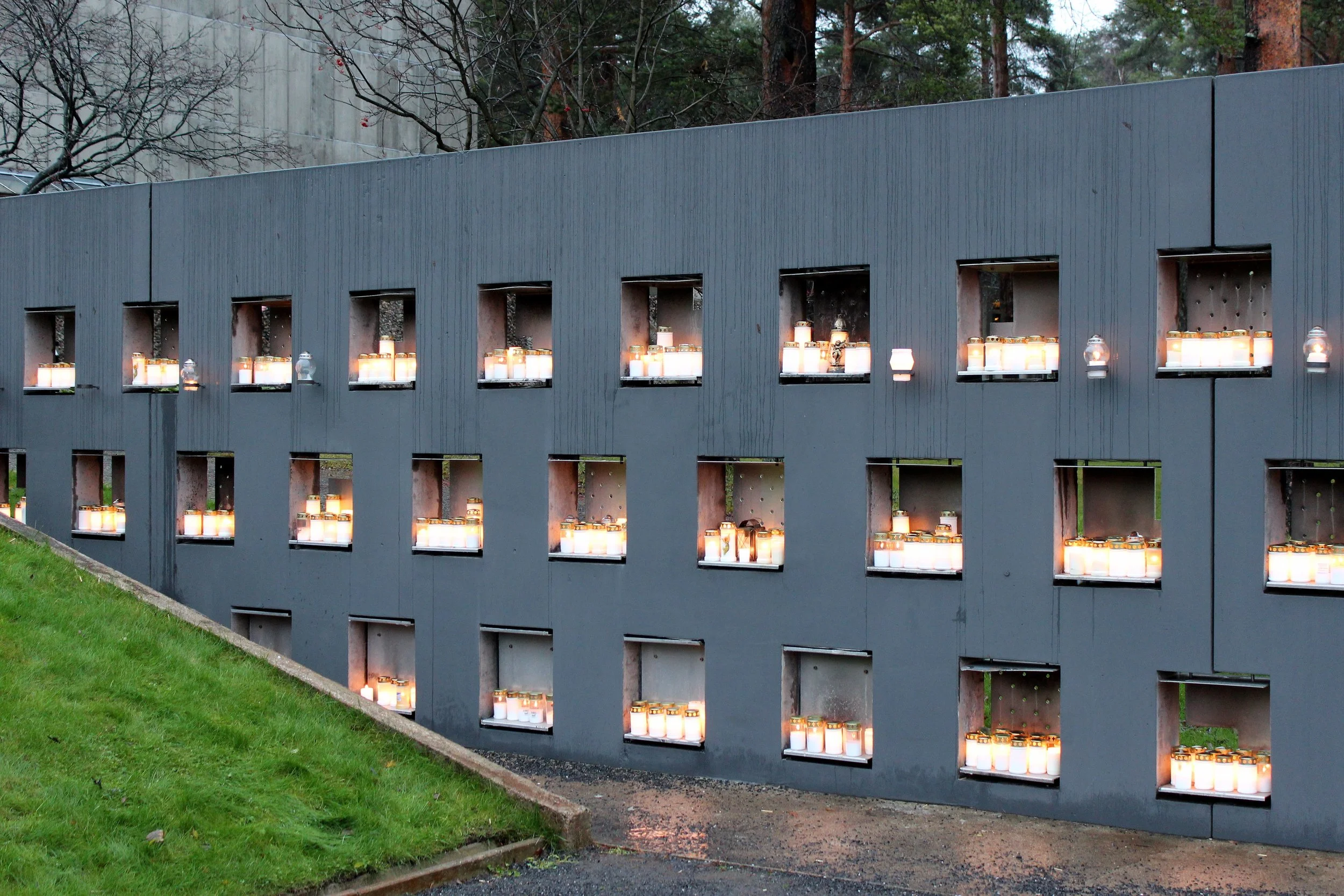
At Huddinge Church, south of Stockholm, a memorial service scheduled for Saturday, October 31, will include the names of parish members who have died during the past year.
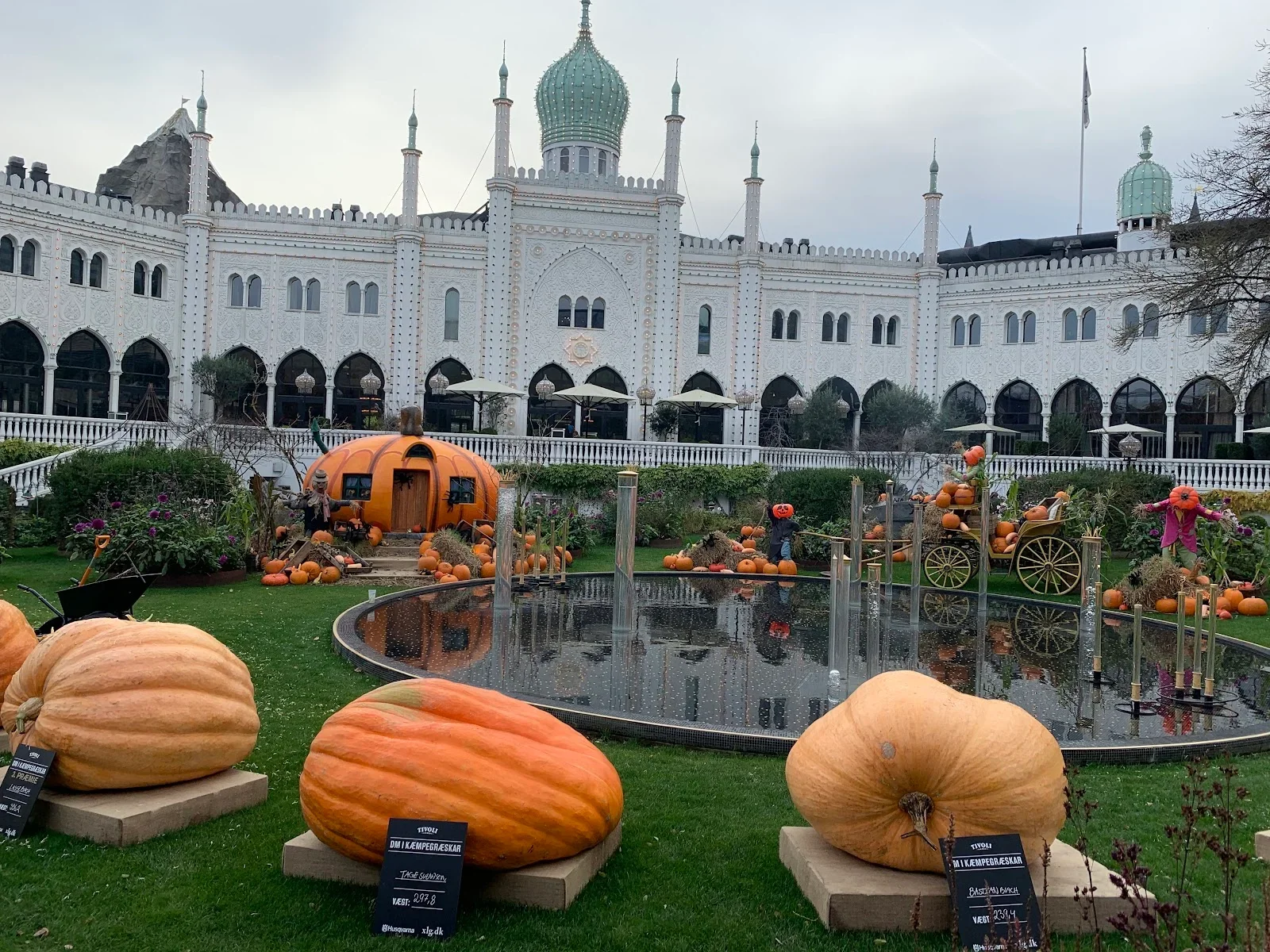
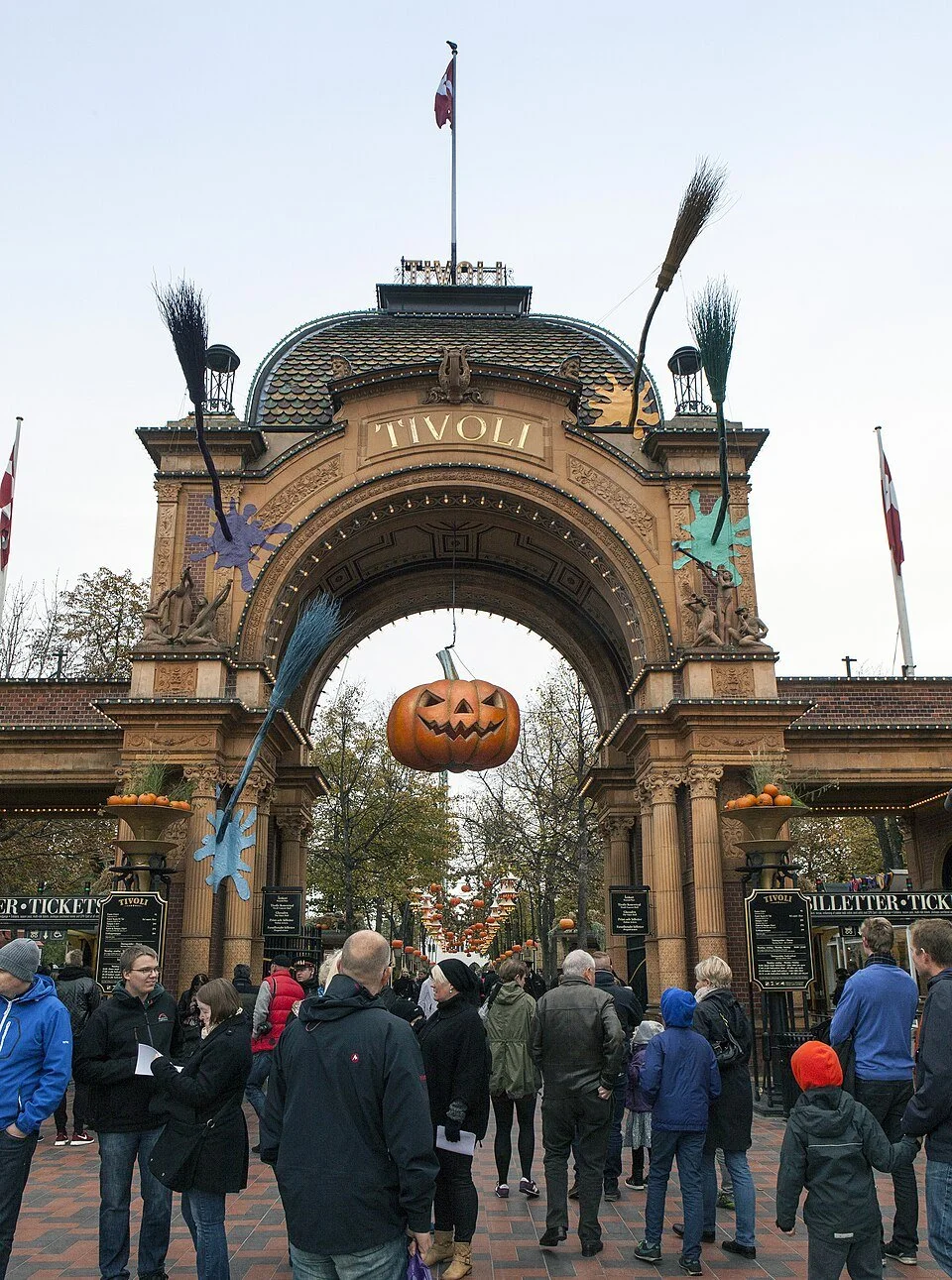
For Halloween 2026, Copenhagen’s Tivoli Gardens is advertising more than 20,000 pumpkins.
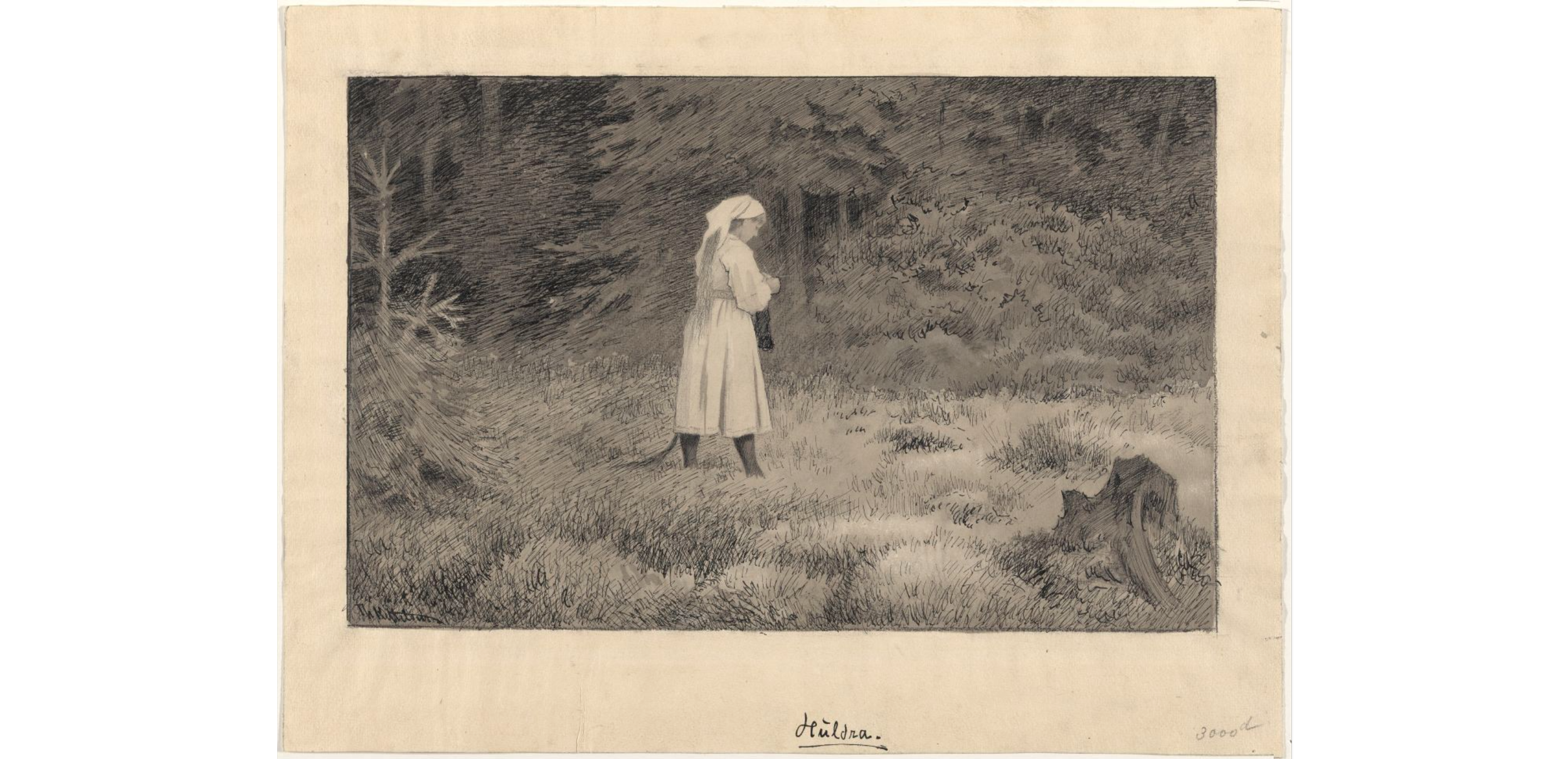
In a legend published by the Norwegian collector Andreas Faye in 1833, a beautiful stranger arrives at a dance.
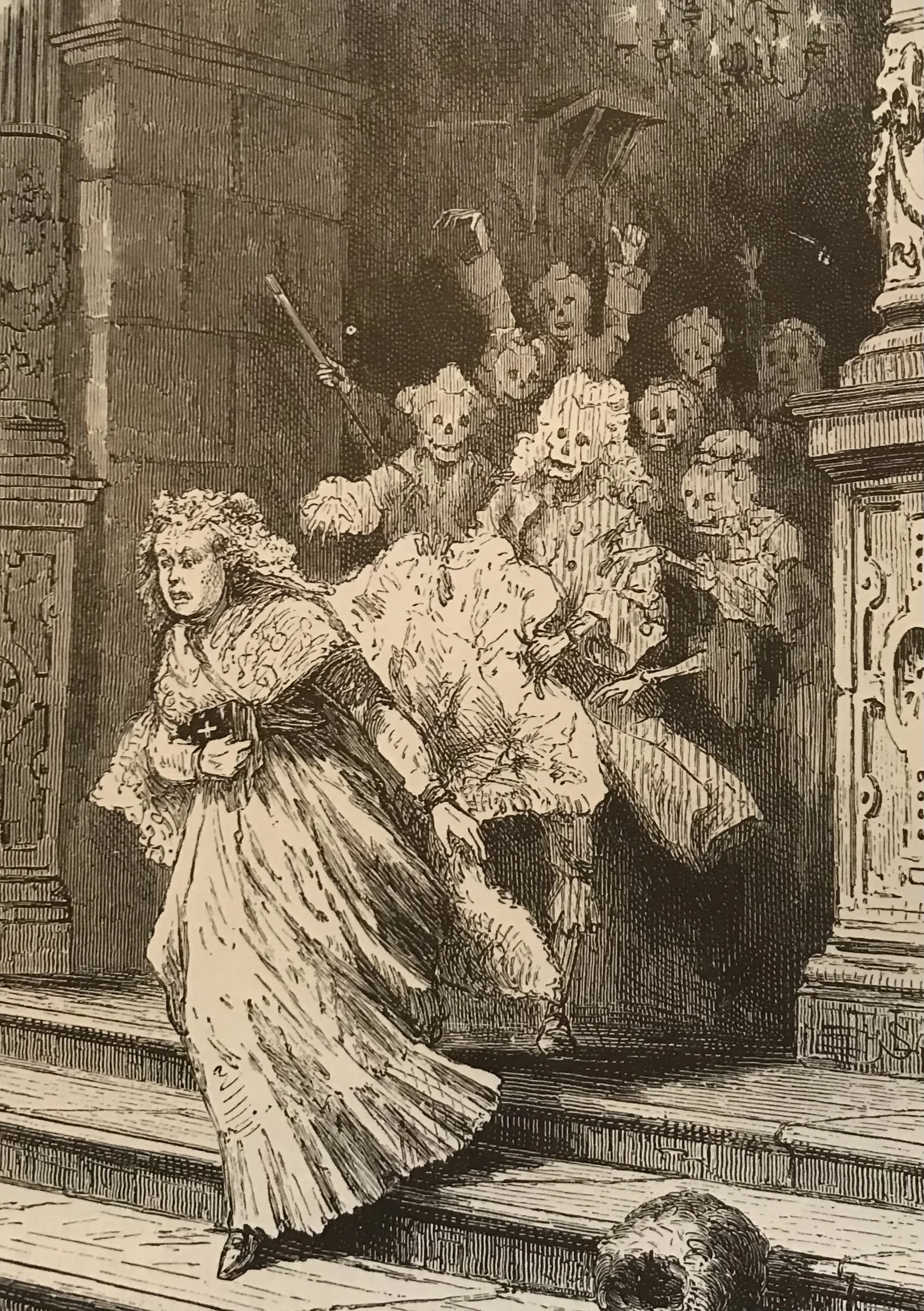
In a Norwegian folktale, a bridegroom has promised his closest friend a place at his wedding. There is one complication: his friend is dead.

In a legend published in 1844, a priest is travelling with four sturdy men when they reach Sundfossen in Gjerrestad, southern Norway.
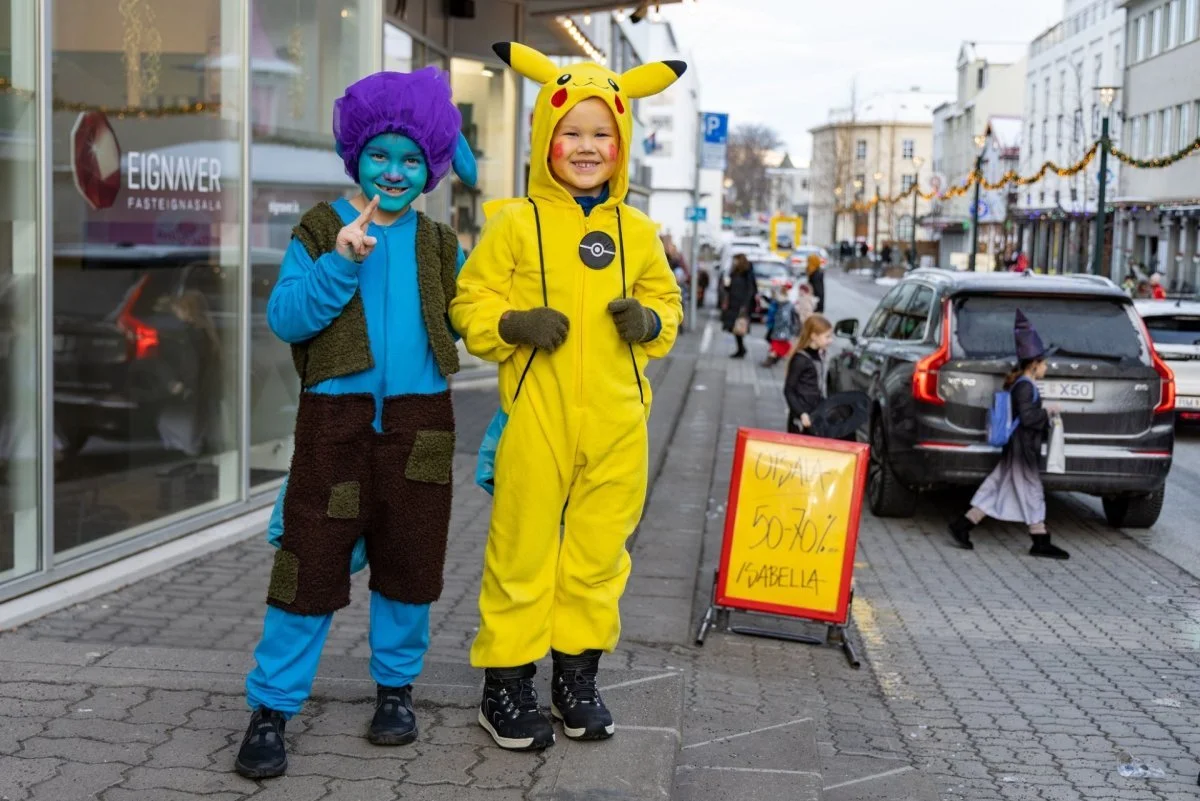
At Smáralind shopping centre in Kópavogur, children were invited to arrive in costume on February 18, 2026, and sing to shop staff for candy.
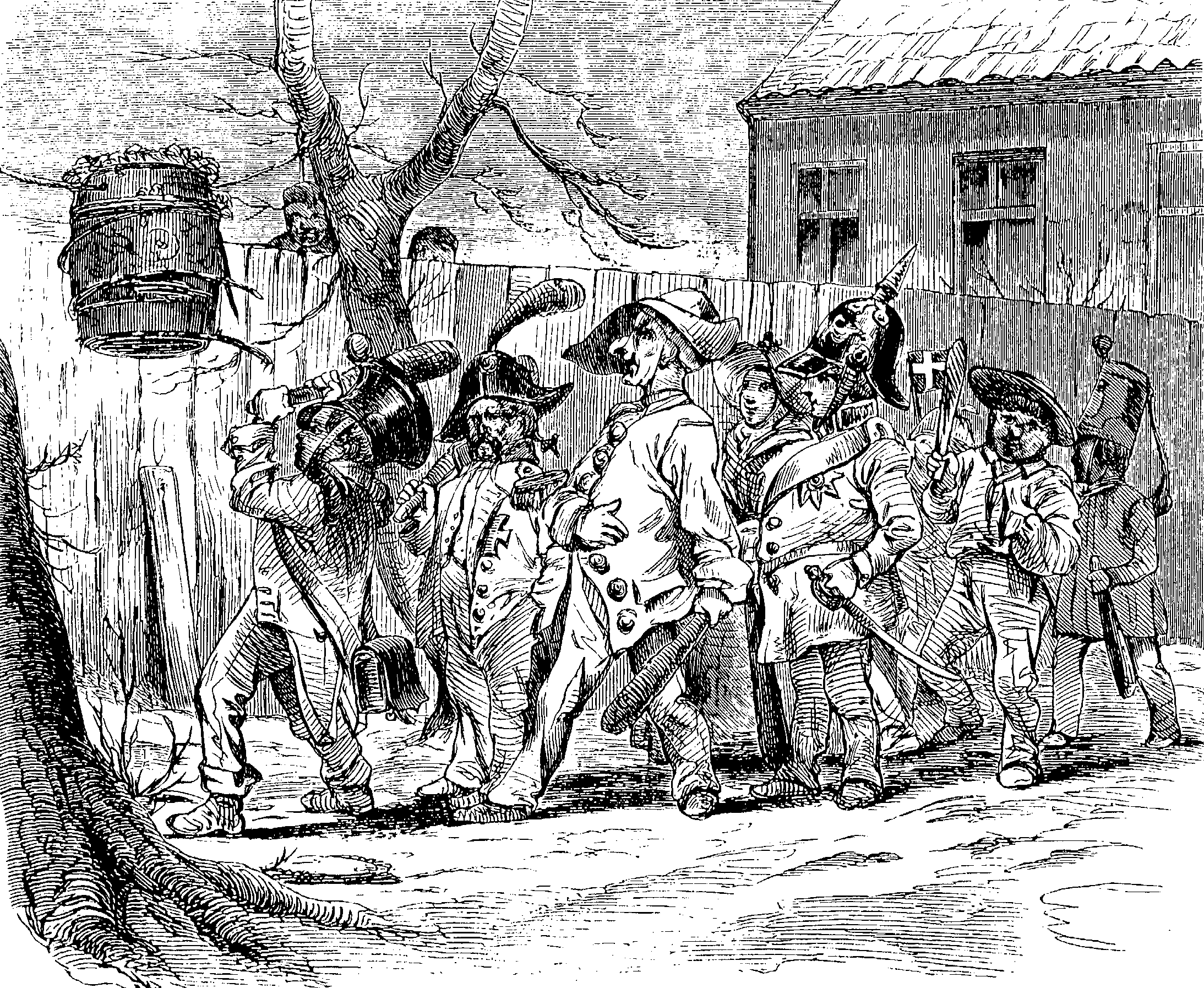
In the 1940s, children gathered in the courtyard of a workers’ housing association in Vejle, Denmark, for Fastelavn barrel striking.
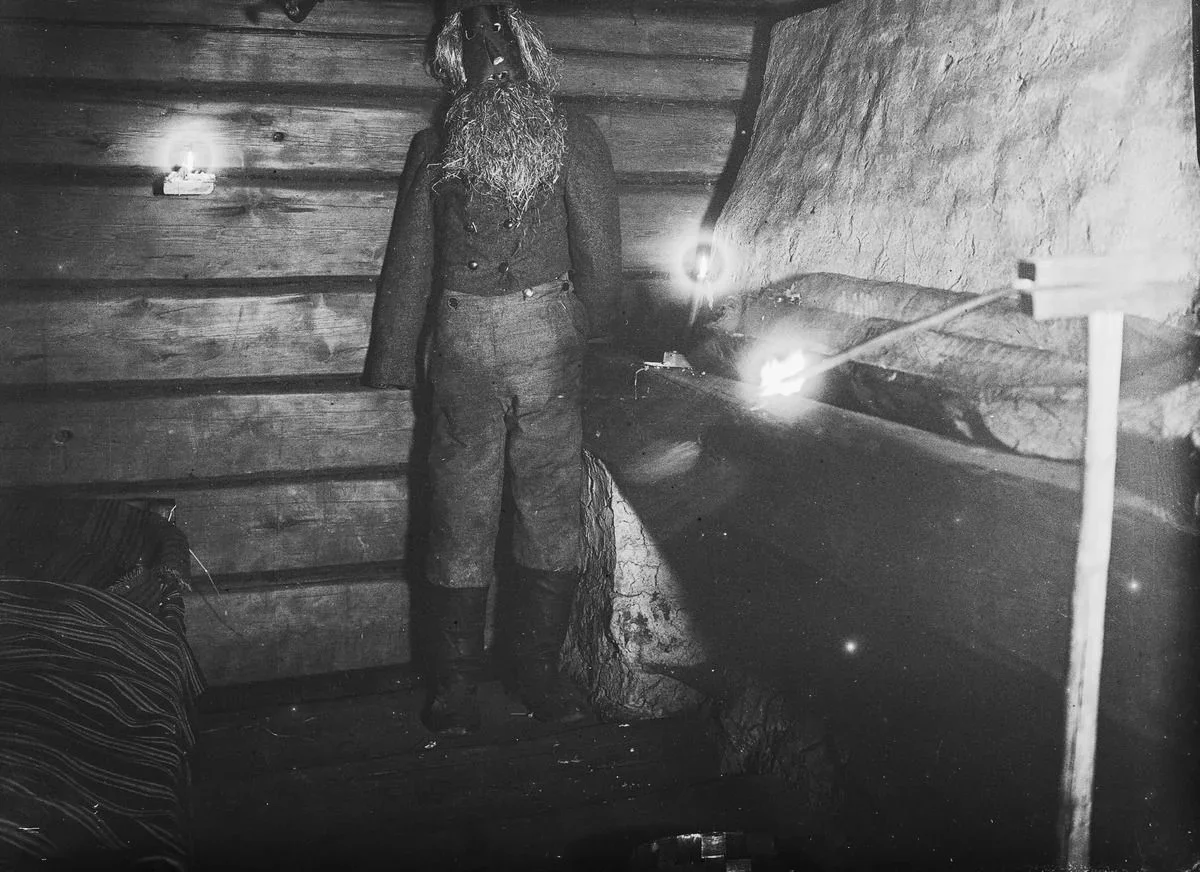
“Köyriä vai uunia?” — “Kekri or the stove?” That was the question visitors might put to a farm household in the Kuopio countryside when the autumn festival came around. According to a local recollection collected in 1936, they expected food or drink and threatened a broken stove if their hosts refused.
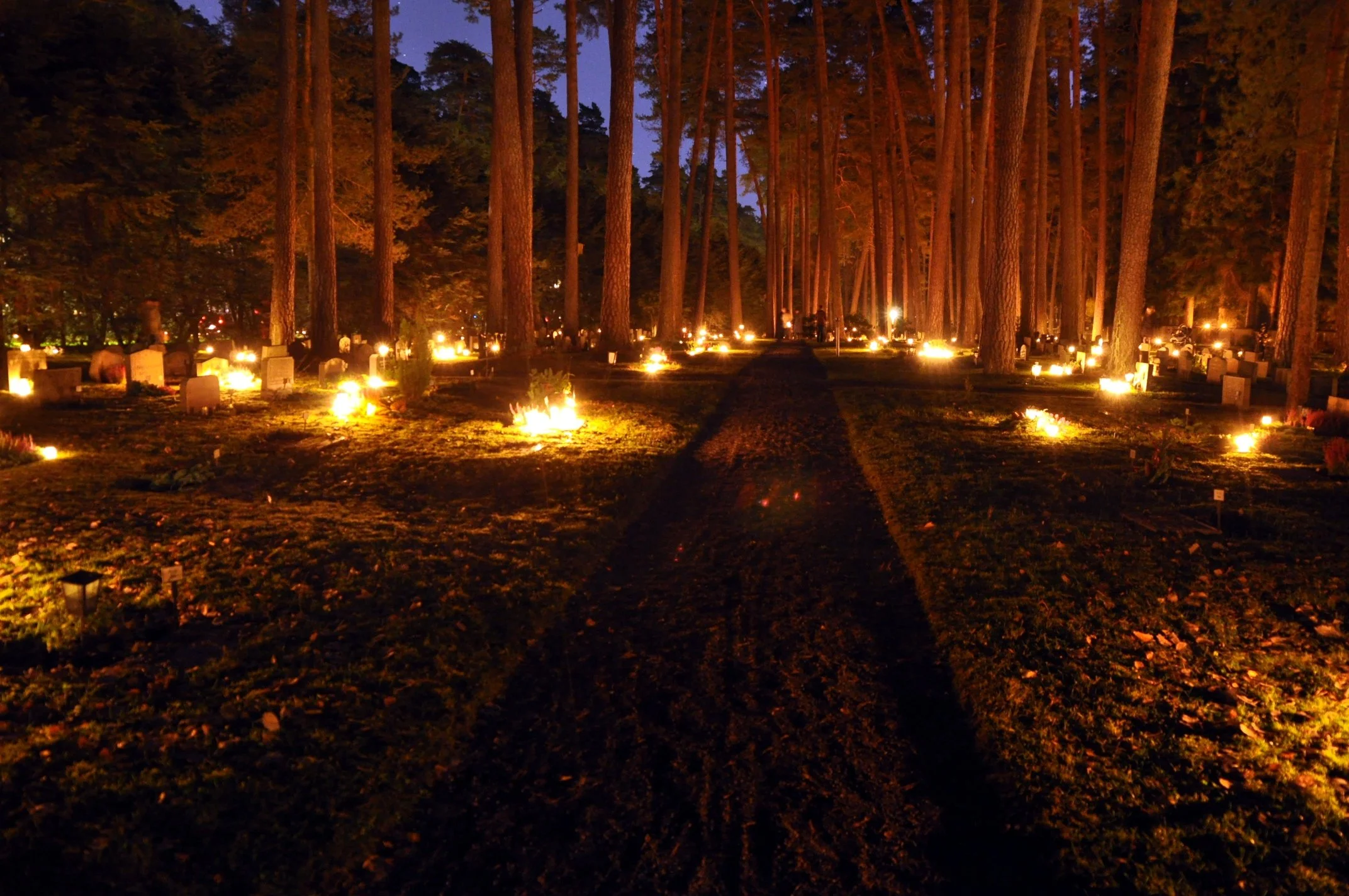
In the late nineteenth century, when candles began appearing on graves in some Swedish towns, they were more likely to be lit at Christmas than in November. Some of the recorded examples were at children’s graves.
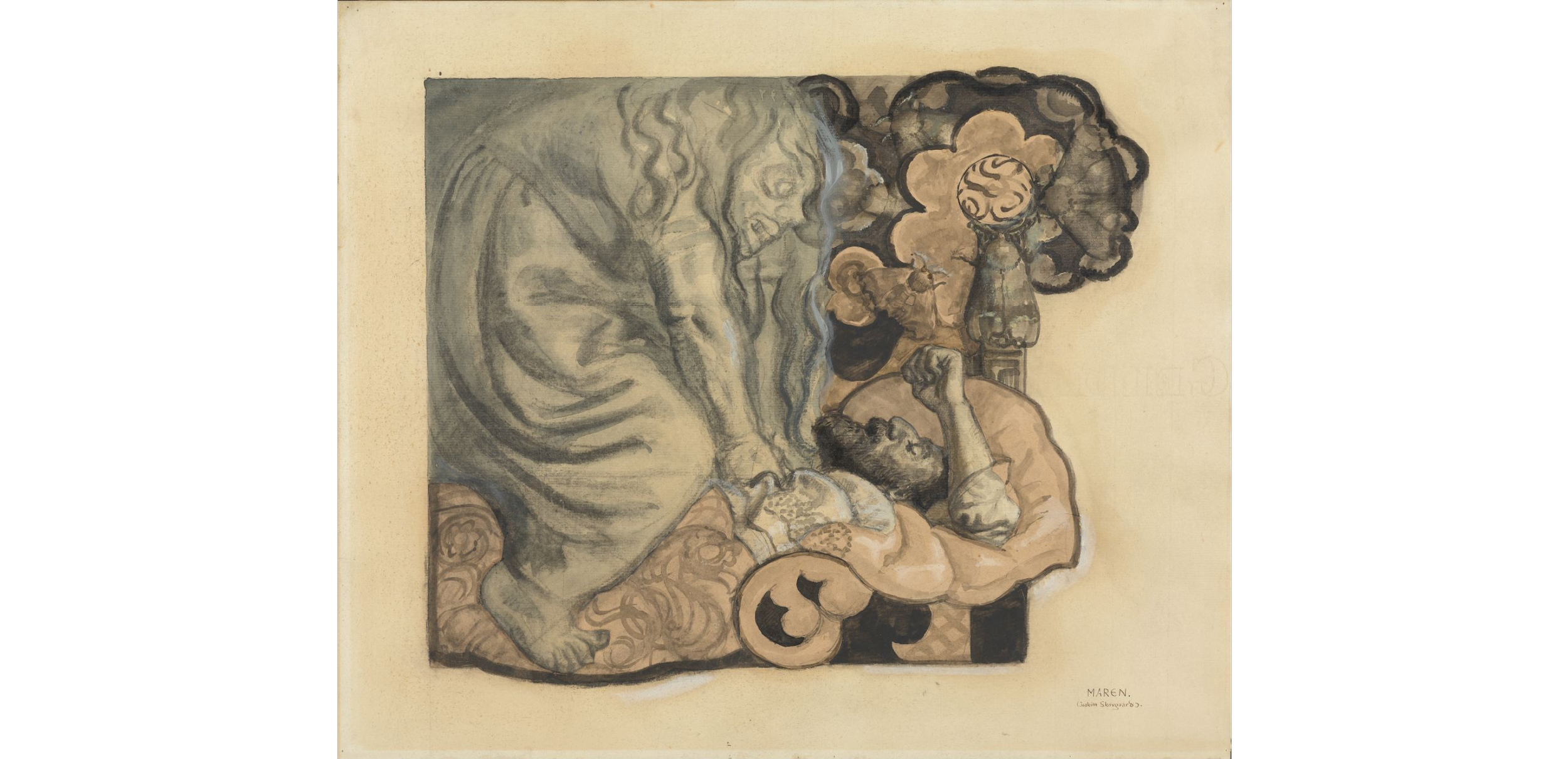
In the medieval Icelandic Ynglinga saga, King Vanlandi has been asleep only a short time when he cries out that a mara is treading on him.
On November 1, 1992, the Danish newspaper Berlingske Tidende reported on costumed children carving pumpkins at a restaurant in Hellerup, outside Copenhagen.
In Sault Ste. Marie, Ontario, Halloween night in 1917 brought snow, disguises and an ultimatum at the front door.