
Fastelavn: Denmark’s Costume Holiday That Isn’t Halloween
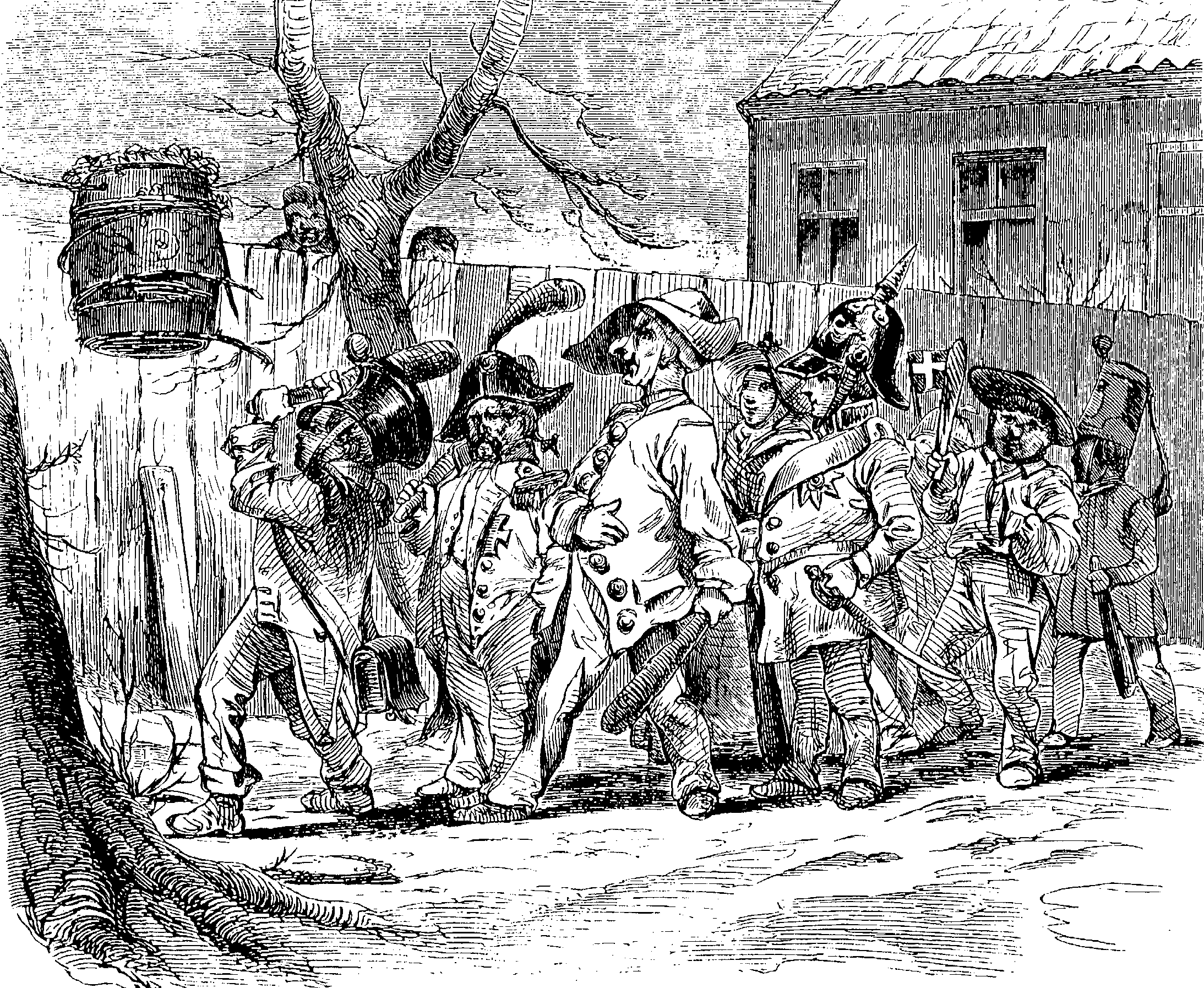
An illustration published in Illustreret Tidende on February 19, 1860, depicts the Danish Fastelavn tradition of striking a barrel.
Credit
Artist unknown / Illustreret Tidende (1860)
In the 1940s, children gathered in the courtyard of a workers’ housing association in Vejle, Denmark, for Fastelavn barrel striking. A photograph preserved by Vejle Municipal Archives shows the game. In its accompanying account, published decades later, the archive records buns, soft drinks and the naming of a cat king and cat queen, with parents watching.
Today, many Danish children dress in costumes and strike decorated wooden barrels for sweets. Bakeries sell fastelavnsboller, the pastries associated with the season.
The costumes and sweets may suggest Halloween to Canadian readers. Fastelavn takes place in February or early March, depending on Easter; in 2026, Fastelavn Sunday fell on February 15. Its place in the Christian calendar comes from Lent, when several days of feasting preceded the fast. Earlier Fastelavn festivities included horseback competitions, masked visitors and communal feasts, as well as games that could be rough or cruel.
A feast before the fast
The Danish word fastelavn comes from the Middle Low German vastelavent, meaning the eve of fasting. The festivities traditionally occupied the three days before Ash Wednesday, which began the Lenten fast. Sunday was called flæskesøndag, or pork Sunday; Monday was also associated with pork and other substantial meals. The following day, hvide tirsdag, or White Tuesday, took its name from foods made with milk and fine wheat flour.
In rural communities, young men rode between farms, receiving food and drink and collecting contributions toward larger celebrations. Competitions produced ceremonial kings, princes and other winners, sometimes accompanied by privileges that lasted beyond the festival itself.
In fishing communities, the activities could take different forms. Danish historian Caroline Nyvang, writing for the national reference work Lex, describes processions in which fishermen pulled a boat through the streets on a wagon. Other contests involved men trying to push one another into the water using poles.
The Reformation of 1536 ended Denmark's formal Catholic fasting obligations. Fastelavn nevertheless continued, and in some places the festivities extended beyond Ash Wednesday into what became known as the gale uge, or mad week.
Masks, barrels and the troublesome cat
Disguises were part of Fastelavn long before the children's holiday emerged. During løbe fastelavn, masked visitors went from house to house while hosts offered hospitality and tried to identify them. Modern children's visits resemble that custom, although their precise continuity cannot be established.
Another practice, ride fastelavn, placed young men on horseback at the centre of the festivities. Among the competitions associated with these gatherings was the custom still known as slå katten af tønden — literally, knocking the cat out of the barrel.
According to the National Museum of Denmark, a living cat was placed inside the barrel in older versions of the game, a practice that continued into the nineteenth century. Participants struck the barrel until it broke and the frightened animal escaped. In Denmark, the museum explains, the cat was generally allowed to run away afterward. This differed from certain practices recorded elsewhere in Europe, where cats were deliberately killed.
The treatment of the animals was unquestionably cruel, even when the cat survived. Historical Fastelavn competitions sometimes involved other animals as well.
Cats also occupied an uneasy position in older European folk beliefs, sometimes associated with evil or misfortune. The museum connects the barrel game with the symbolic expulsion of such influences, although that explanation should not be mistaken for a complete account of how the practice originated.
An entry in the accounts of Queen Christine of Denmark from 1508 records a stick given to a schoolboy for Fastelavn. The National Museum raises the possibility that it was intended for barrel striking, but the record does not say so.
Eventually, living cats gave way to representations made from cloth or other materials. Today, barrels usually contain sweets. The child who knocks down the final piece becomes kattekonge, the cat king, while children's festivities also award the title kattedronning, or cat queen.
The decorated branch bundles called fastelavnsris are now associated with sweets, ribbons, paper ornaments and small gifts for children. Earlier versions were used to strike people, sometimes as playful social provocation and sometimes in rituals associated with fertility.
By the eighteenth century, decorated branches were already being sold commercially. The National Museum cites a Copenhagen newspaper advertisement from 1791 offering particularly fine fastelavnsris.
Earlier Fastelavn baking included wheat buns and fastekringler, or fasting pretzels. Fine wheat flour was historically more expensive than everyday rye, making these foods suitable for a festive occasion. Bettina Buhl of Denmark's Green Museum traces the familiar cream- and jam-filled versions of fastelavnsboller to the twentieth century.
The traditions that adults kept
On Amager, the island that includes part of Copenhagen, the communities of Dragør and Store Magleby maintain distinctive horseback Fastelavn celebrations. Riders travel through their communities, visiting households before gathering for the barrel-striking competition.
Dragør holds its traditional riding on Fastelavn Sunday, while Store Magleby celebrates on Monday. The local historical archive records an important difference between them: women participate in Dragør's horseback event, whereas the Store Magleby competition remains restricted to men.
The celebrations are sometimes connected to the Dutch farmers who settled on Amager during the sixteenth century. Dragør's historians caution, however, that it is uncertain whether those settlers introduced the tradition. The horseback festivities developed their present organized form during the nineteenth century.
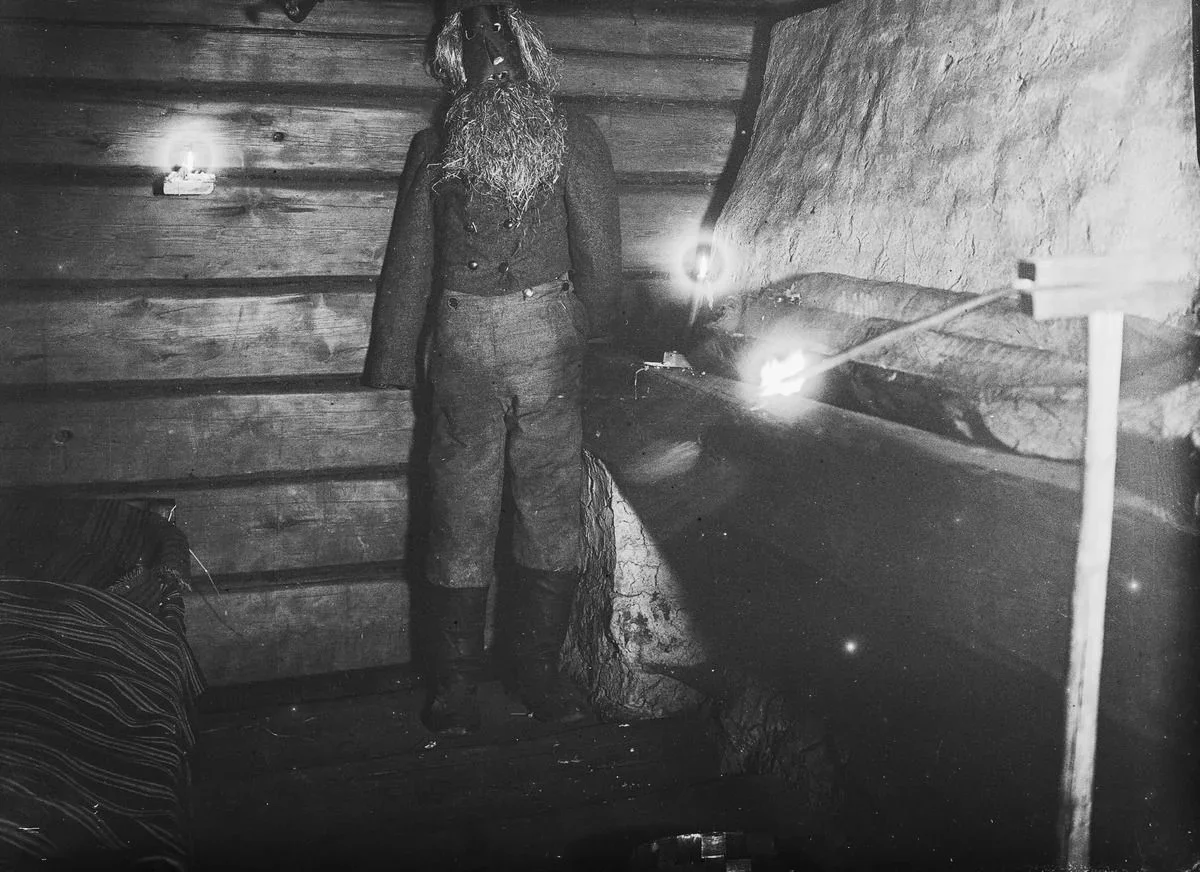
On Ærø, Karen Margrethe Fabricius of Ærø Museum describes Fastelavn Monday visits in Ærøskøbing and Marstal. Children sing at households for small gifts or money during the day. In the evening, adults go out masked, visiting homes and taking part in games of disguise and mistaken identity. In western Ærø communities, a separate masking tradition belongs to Epiphany in early January.
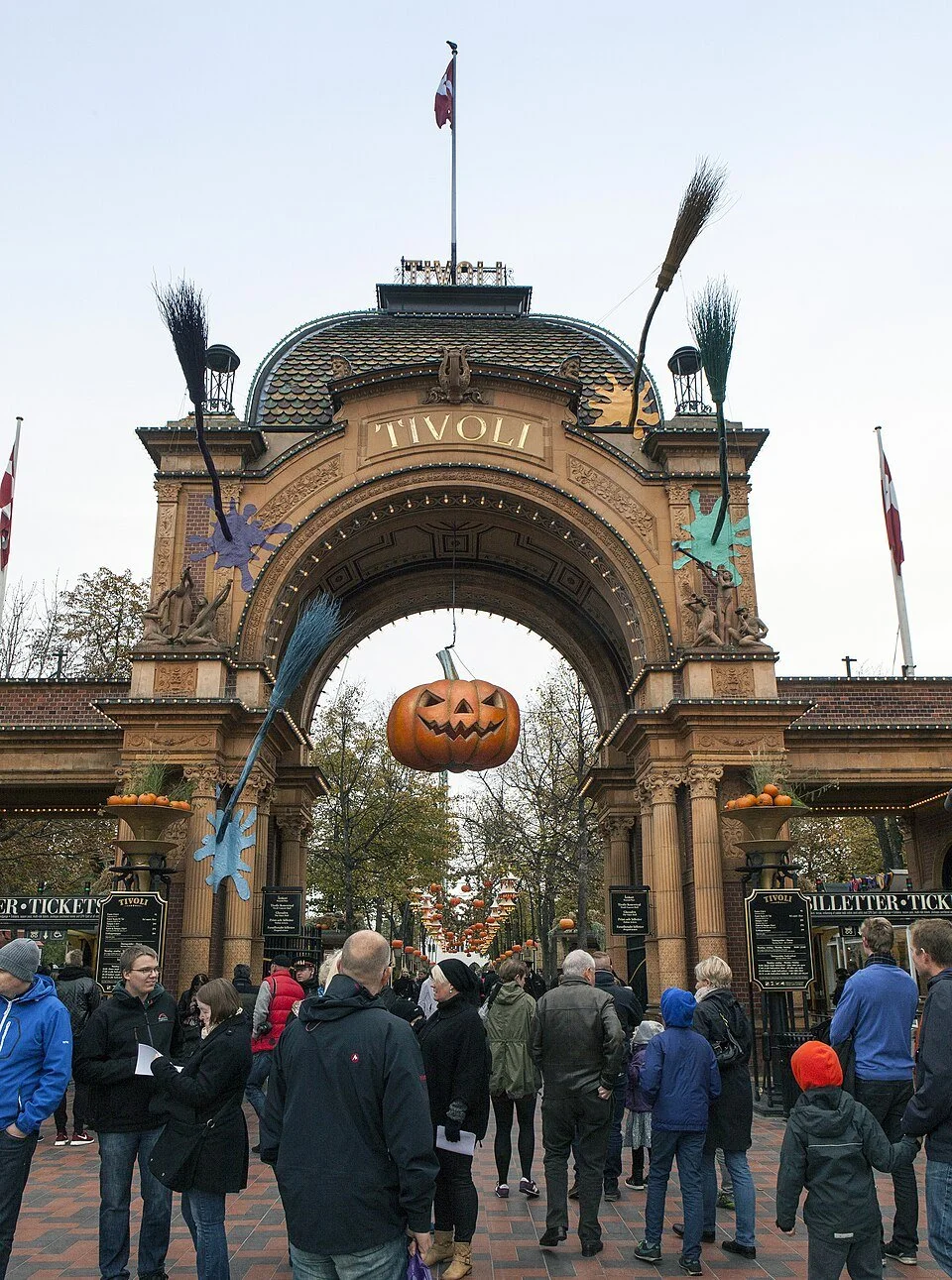
American-influenced Halloween celebrations became increasingly visible in Denmark from the late 1990s, bringing October trick-or-treating and its associated decorations into Danish neighbourhoods and commercial life. Halloween falls on October 31, the eve of All Saints' Day.
Schools and kindergartens now organize Fastelavn festivities, while families also celebrate in neighbourhoods and homes. Children dress as animals, superheroes or fictional characters, and some go from door to door to rasle, singing for sweets or coins.



In the 1940s, children gathered in the courtyard of a workers’ housing association in Vejle, Denmark, for Fastelavn barrel striking.