
Iceland’s Other Costume Day: When Children Sing for Candy
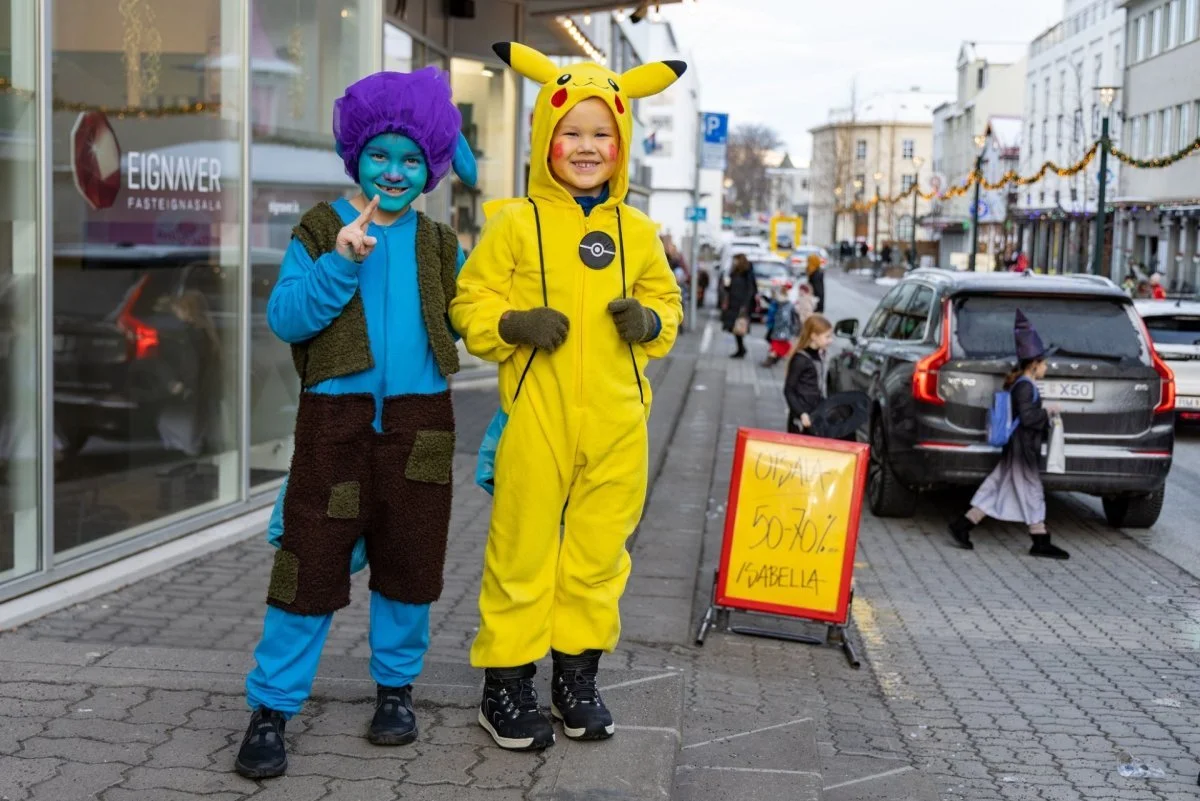
Two children dressed in colourful costumes in Akureyri, Iceland, where children traditionally visit shops and sing for sweets on Öskudagur, or Ash Wednesday.
Photo credit
María H. Tryggvadóttir / Visit Akureyri
At Smáralind shopping centre in Kópavogur, children were invited to arrive in costume on February 18, 2026, and sing to shop staff for candy. The centre set aside three hours, from noon to 3 p.m., or until the sweets ran out. It also advertised a first-floor photo booth where children could have a picture taken in costume.
In Iceland, Ash Wednesday is Öskudagur, a movable holiday whose date is calculated from Easter. In the Christian calendar, it begins Lent, traditionally a season of fasting and repentance. Ashes used in church recalled mortality. The University of Iceland’s Vísindavefur records the name in fourteenth-century Icelandic manuscripts, while Akureyri Museum cites a description from 1593 of a priest sprinkling ashes on worshippers. After the Reformation, the day’s penitential role diminished in Iceland, according to the museum.
Akureyri Museum traces an older ash-bag game to at least 1734, citing a dictionary by Jón Ólafsson of Grunnavík. In historical descriptions, women tried to attach little bags of ash to men’s clothing without being noticed, while men attached bags containing stones to women. The museum reports that the custom was also well known in nineteenth-century Iceland.
In the early twentieth century, the bags could serve as signs of romantic interest, rather like a Valentine, and children took up the game. Vísindavefur recalls that the earlier division between men’s and women’s bags had faded in later practice, although the game’s precise connection to the religious use of ashes remains uncertain.
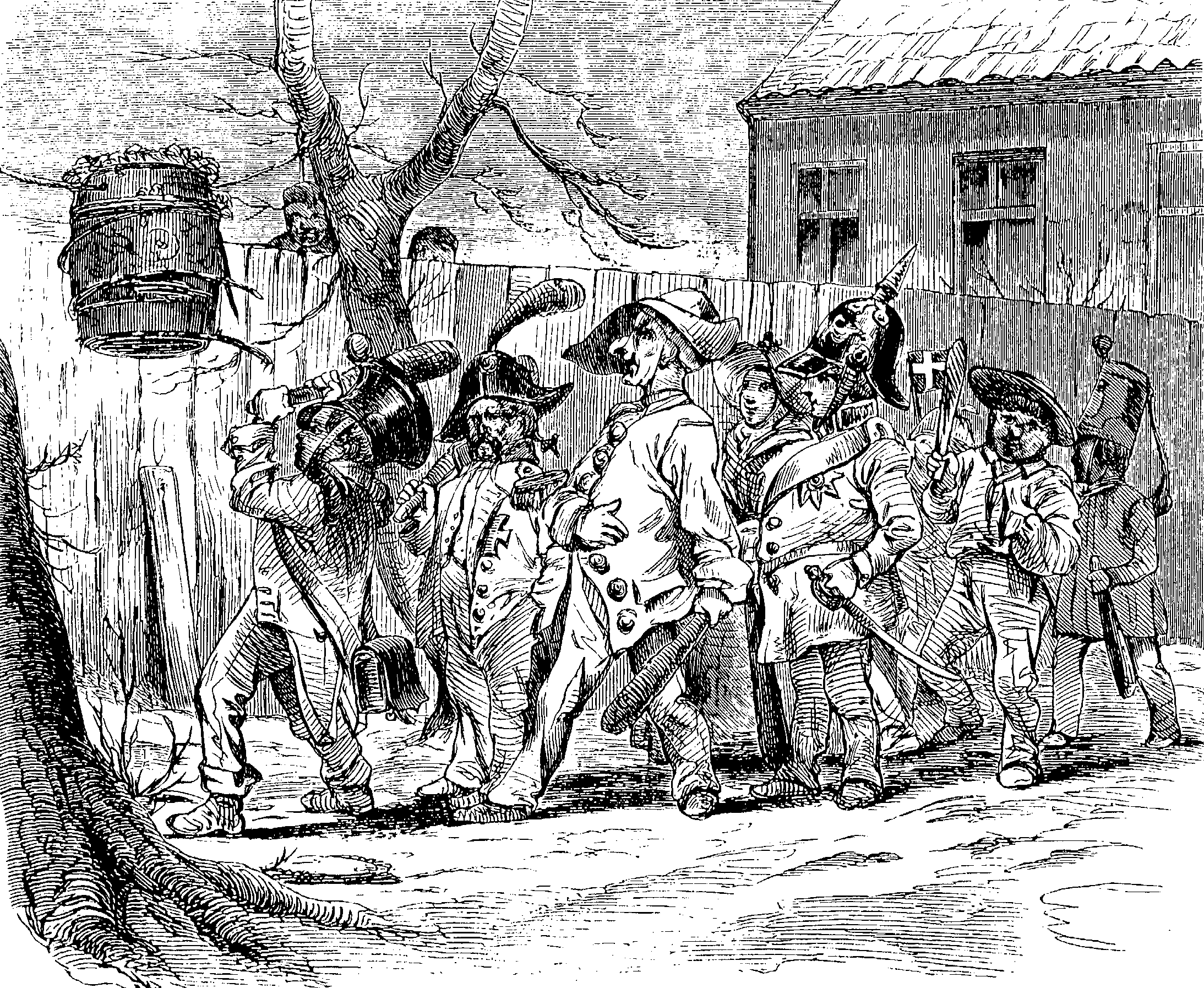
Costumes and singing entered through a different tradition. According to Akureyri Museum, nineteenth-century Shrovetide practices influenced by Denmark and Germany included groups of masked boys going from house to house singing in return for money or small gifts. The museum places the growth of costumed visiting alongside the emergence of Icelandic towns. Another custom was a barrel game associated with Danish fastelavn: costumed participants struck a hanging barrel until it broke. The museum traces the game from the Netherlands to Denmark in the sixteenth century and then to Iceland in the nineteenth. In children’s versions today, the barrel may contain sweets.
Some of these activities originally belonged to Bolludagur, the Monday before Ash Wednesday, when Icelanders now enjoy cream-filled buns. A historical account published by the University of Iceland’s Vísindavefur says that by 1917 the school holiday and some associated customs had moved to Wednesday in many communities. Around Ísafjörður in the Westfjords, the masked visiting tradition called Maskadagur remained on Monday, and the town’s primary school announced its 2026 celebration for February 16.
Akureyri, on Iceland’s northern coast, retained costumed processions and barrel games after they faded in many other communities around the turn of the twentieth century, according to the city’s museum. Its account of contemporary Öskudagur describes children rising early, gathering in groups, choosing and rehearsing songs, then visiting local shops and public institutions to sing for sweets. A University of Iceland history says that some of these practices later spread again from Akureyri.
For February 18, 2026, the National Museum of Iceland and the Edda cultural centre in Reykjavík announced a program of mask-making, a parade and a barrel game, with singing children invited to collect candy from staff. Farther north, Norðurþing municipality published a list of places willing to welcome young performers in Húsavík, Kópasker and Raufarhöfn.
To Canadian readers familiar with trick-or-treating, the costumes and candy are recognizable. The exchange can look different in Iceland: children may prepare a song together before performing it for employees at a shop or public building. At Smáralind, the singers were specifically invited to go from shop to shop rather than knock on household doors.
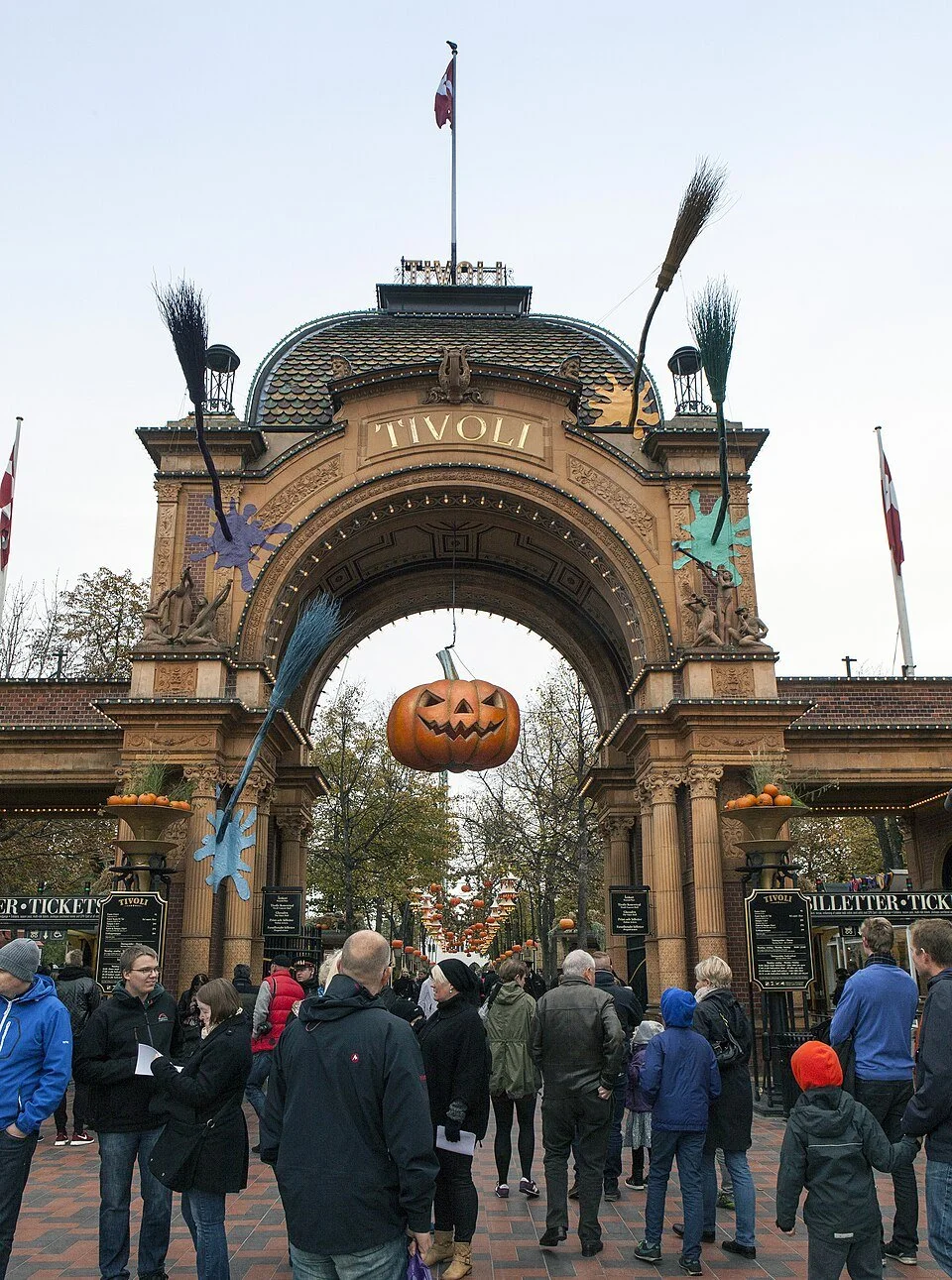
October Halloween has also become increasingly visible in Iceland, with pumpkins, scary costumes and some trick-or-treating. Icelandic reporting has documented growing demand for Halloween costumes and decorations, although retailers’ observations cannot establish whether fewer children now celebrate Öskudagur. For the February holiday, Norðurþing invited singers to Húsavík’s swimming pool, public library and fire station, where municipal staff planned to dress up too.



In a Norwegian folktale, a bridegroom has promised his closest friend a place at his wedding. There is one complication: his friend is dead.