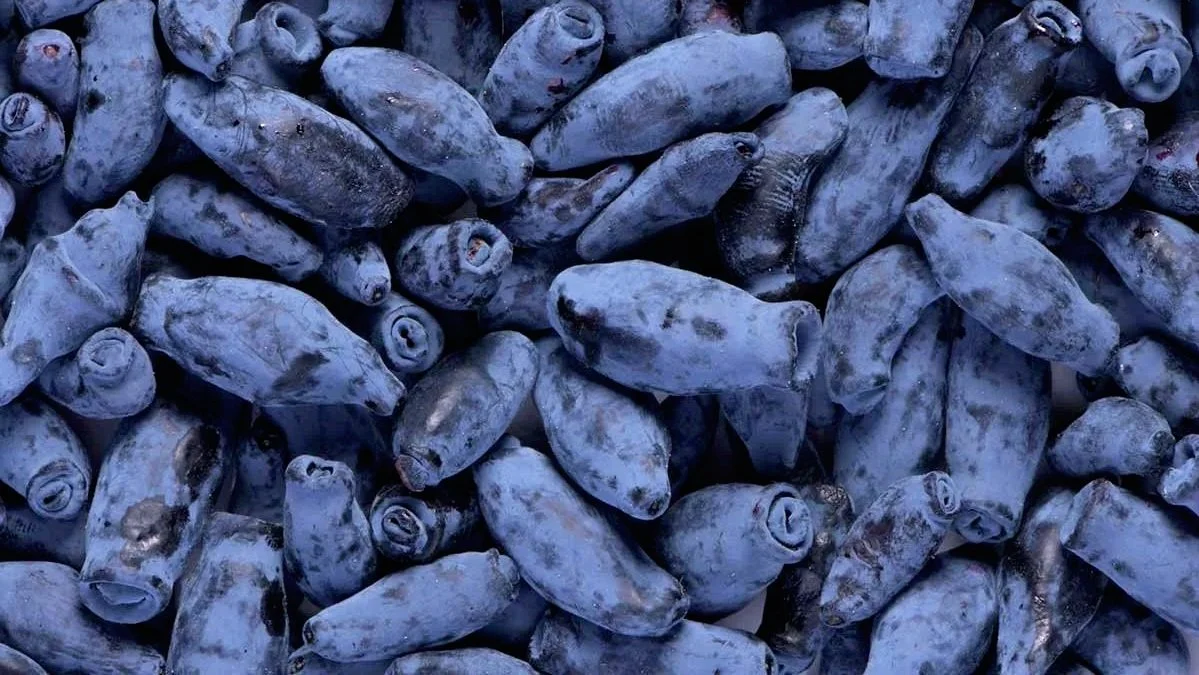
Haskaps on the Canadian prairies
Haskaps have long histories across northern regions, including the Canadian prairies. Knowledge of these early berries varies by place, Nation, and seasonal practice, shaped through observation, gathering, and use over time. Indigenous knowledge systems form the foundation of how haskaps have been understood, named, and used within broader food landscapes, a principle reflected in Indigenous-led research and knowledge-sharing initiatives such as the Canadian Indigenous Knowledge Network.
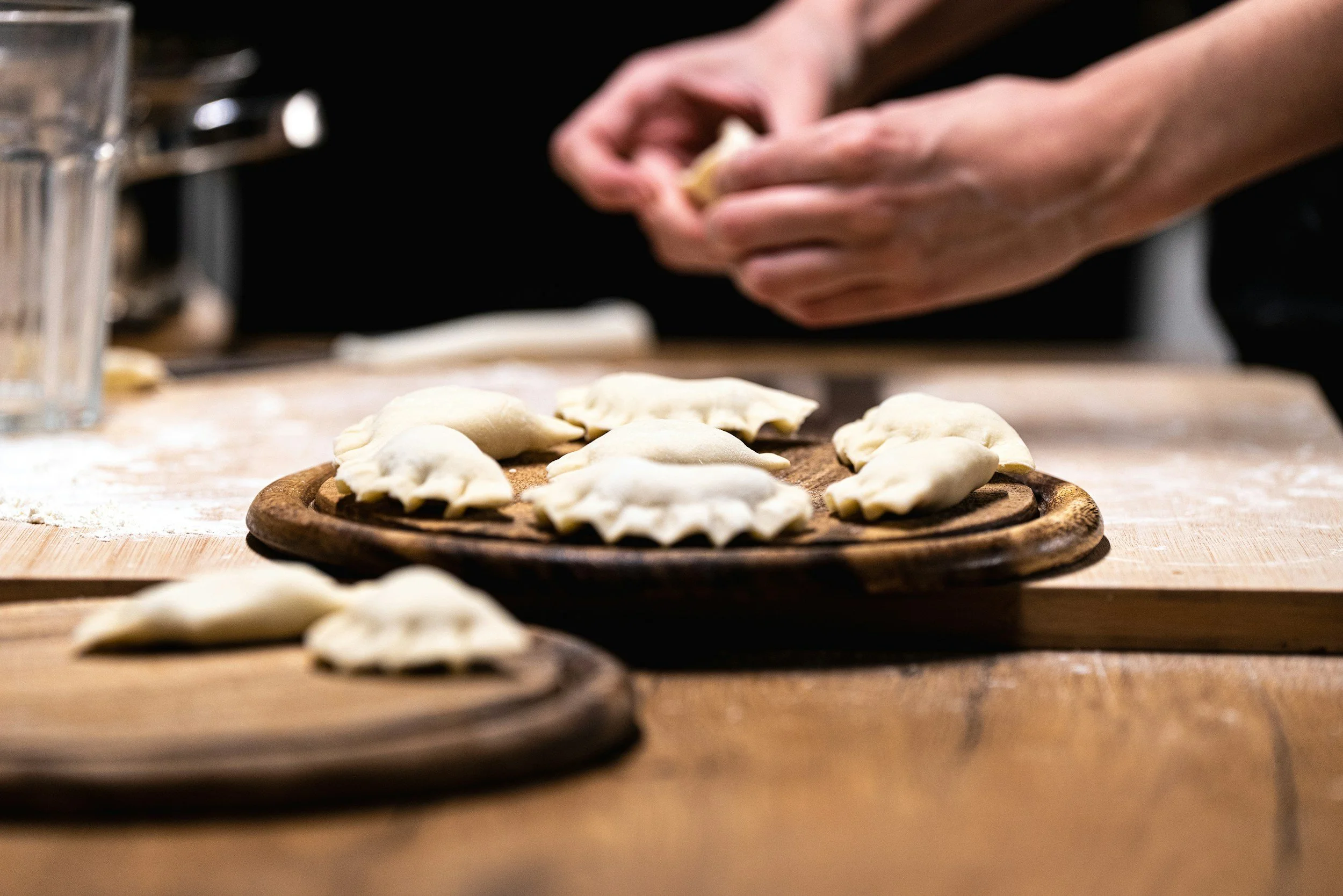
Ukrainian Food Heritage on the Prairies
Ukrainian settlement on the Canadian Prairies spans multiple regions, migration waves, and generations. Families arrived with food knowledge shaped by village traditions, seasonal rhythms, and agricultural practices carried across distance. Over time, these foodways adapted to prairie land, climate, and available resources. Community organizations such as the Ukrainian Canadian Congress document the breadth and continuity of this settlement across Canada.
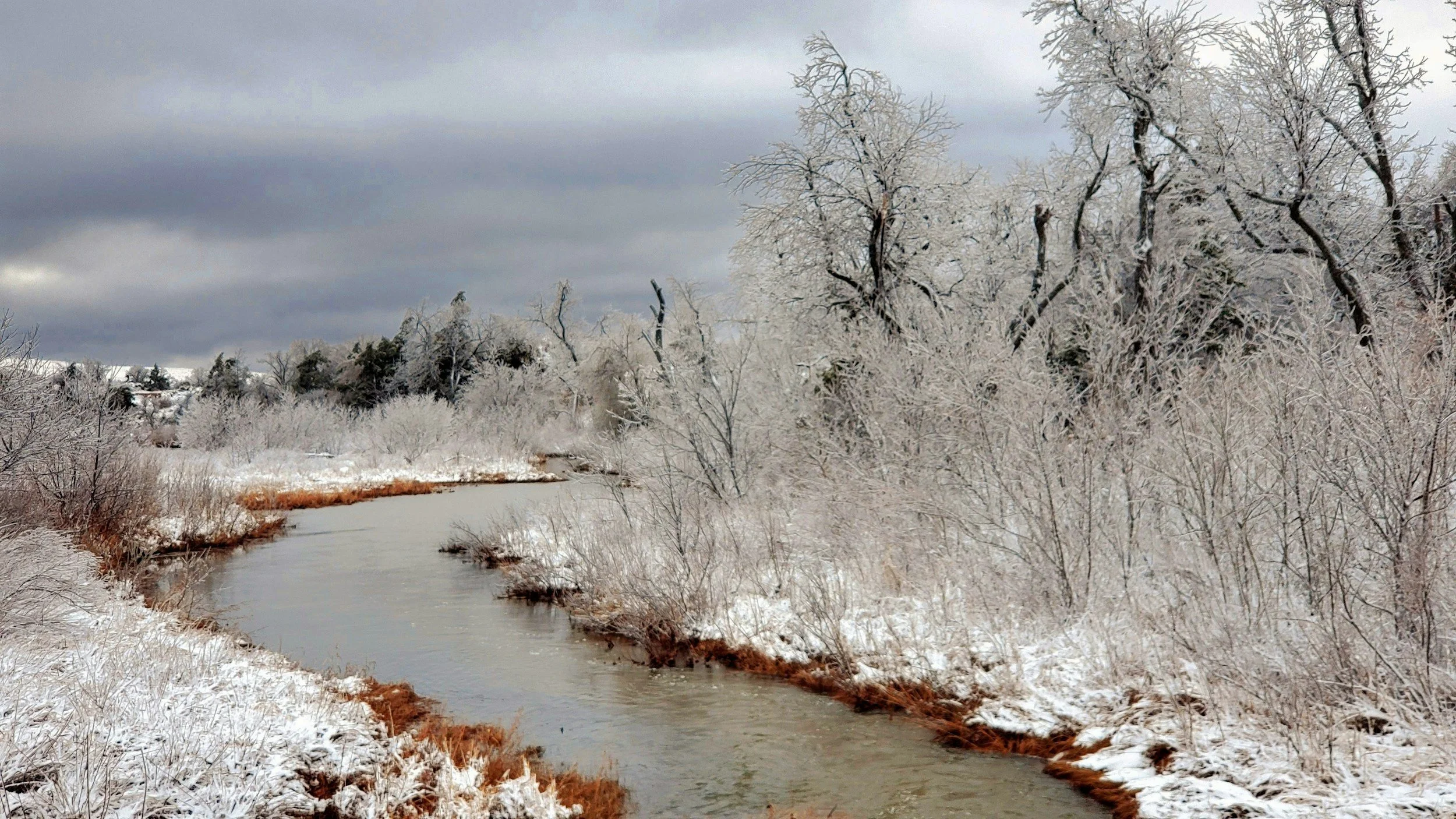
Indigenous Trade Networks on the Prairies
The Canadian prairies encompasses many Indigenous Nations, each with distinct histories, territories, and systems of trade. For thousands of years, these Nations maintained exchange networks shaped by geography, season, and relationship. What follows is not a comprehensive account of those systems, nor does it attempt to speak for any single Nation or community.
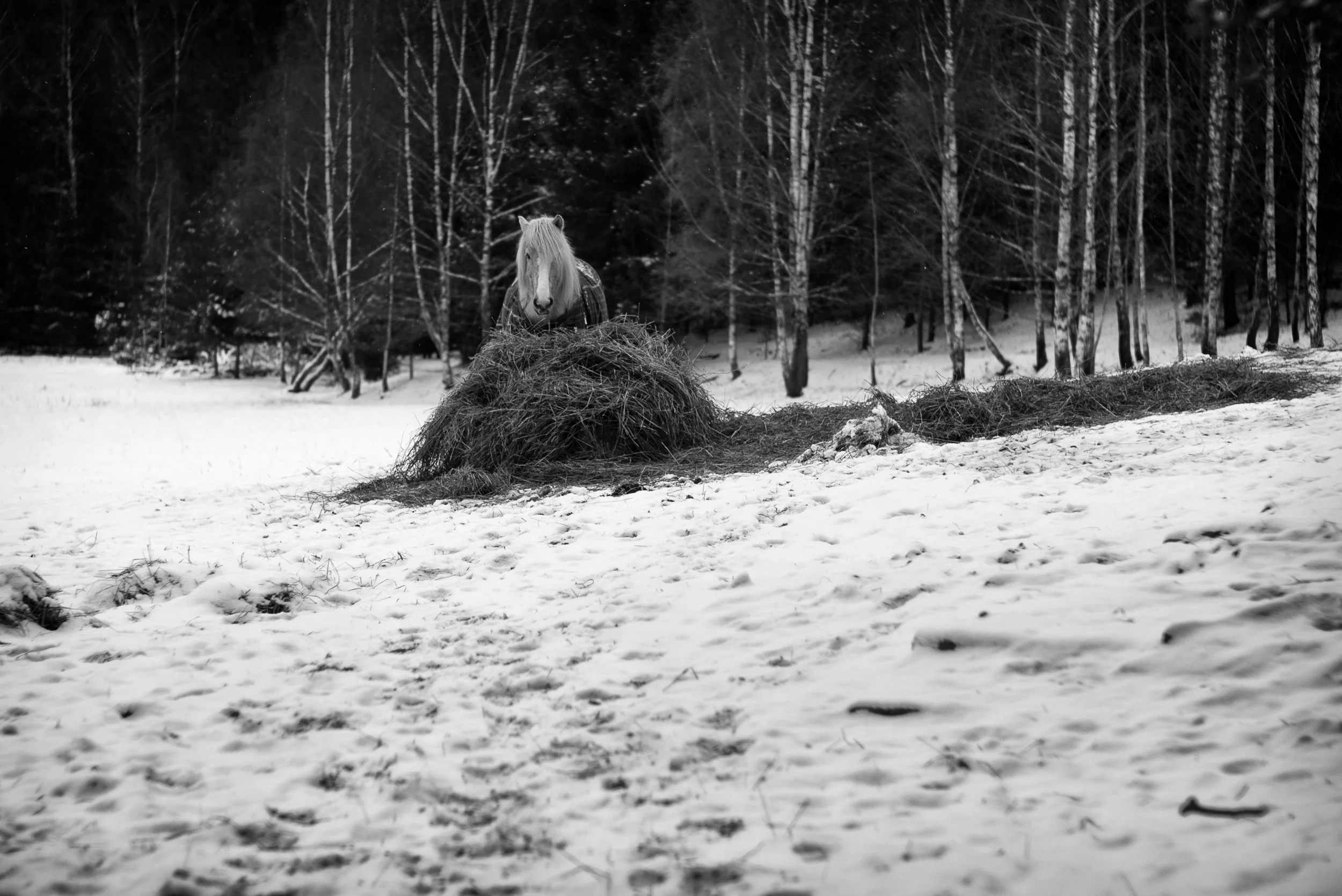
Seasonal Eating in Edmonton Winter
Winter in Edmonton is long and decisive. Snow settles early and remains for months. Daylight shortens. Temperatures drop well below freezing, and the ground becomes inaccessible for much of the year. These conditions shape daily life in ways that are both practical and familiar.
The Prairies’ Oldest Restaurants
Calgary’s King Eddy carries a 1905 date, but the hotel closed in 2004. Its dismantled bricks and timbers were incorporated into Studio Bell, where the King Eddy reopened as a music venue, bar, and restaurant in 2018. A few blocks away, Deane House occupies a home built in 1906, although the present restaurant opened in 2016.

Eco-Edibles: Lion’s mane (feature)
A fallen birch log in the forest might be wearing what looks like a shaggy white mane. The long, soft spines hang in clusters, almost like strands of hair or coral. This is Lion’s Mane mushroom — one of the most distinctive fungi you can find in the wild and one of the most studied for its potential health benefits.

A comprehensive guide to canning
Home canning is a time-honored way to preserve the bounty of your garden, seasonal fruits, and vegetables, ensuring fresh, flavorful foods all year long. This beginner-friendly guide focuses on safe home canning practices using Bernardin, Canada’s trusted canning brand, and Ball, a leading authority in North American food preservation.
How Did Harvest Celebrations Begin?
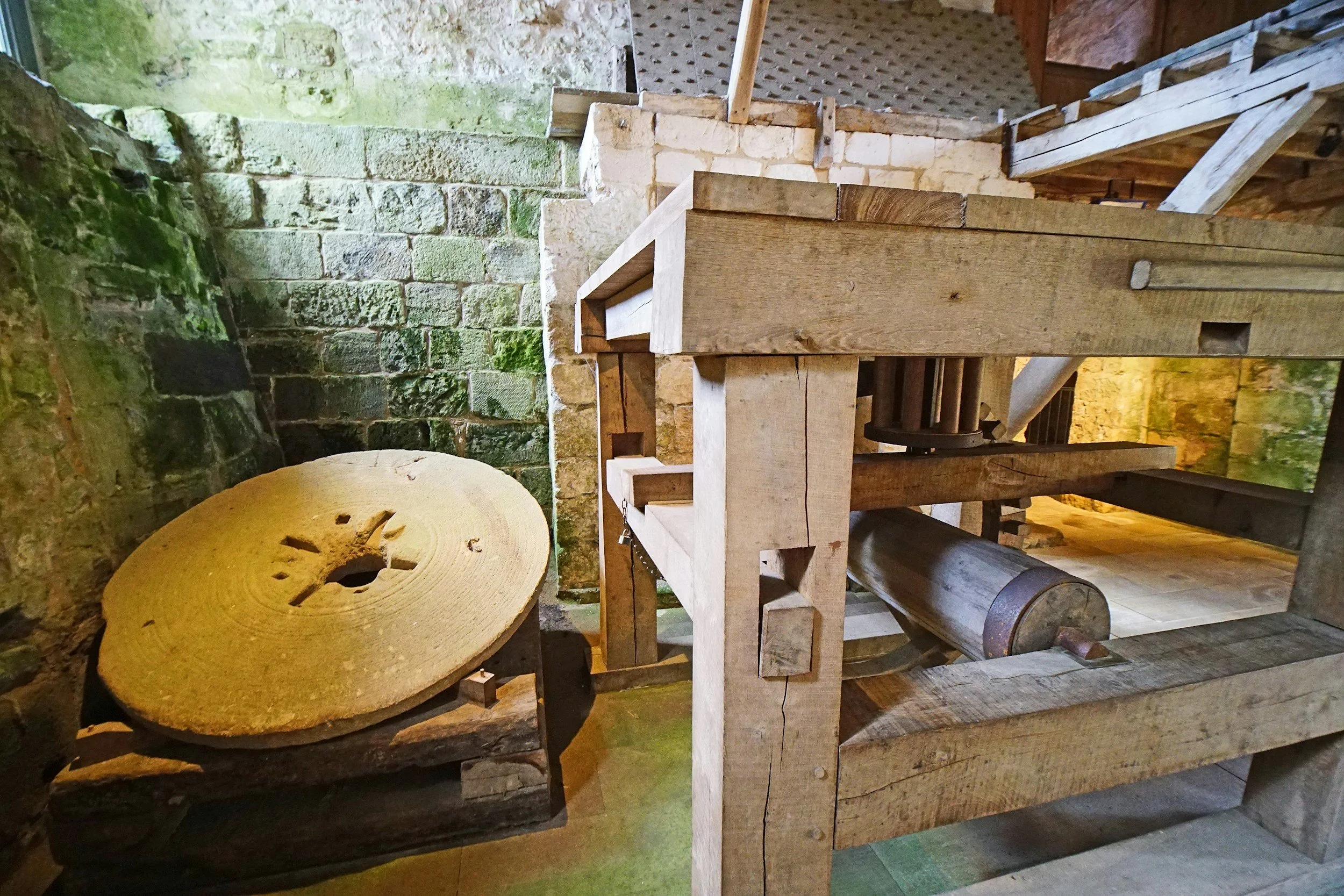
In the earliest agricultural settlements, harvest was not marked as a cultural event in the way it is recognised today. It was a practical moment in a longer cycle of work, when months of labour finally produced something visible: gathered food that could be stored, shared, or lost depending on conditions.
Why Do Different Cultures Celebrate Harvest Differently?
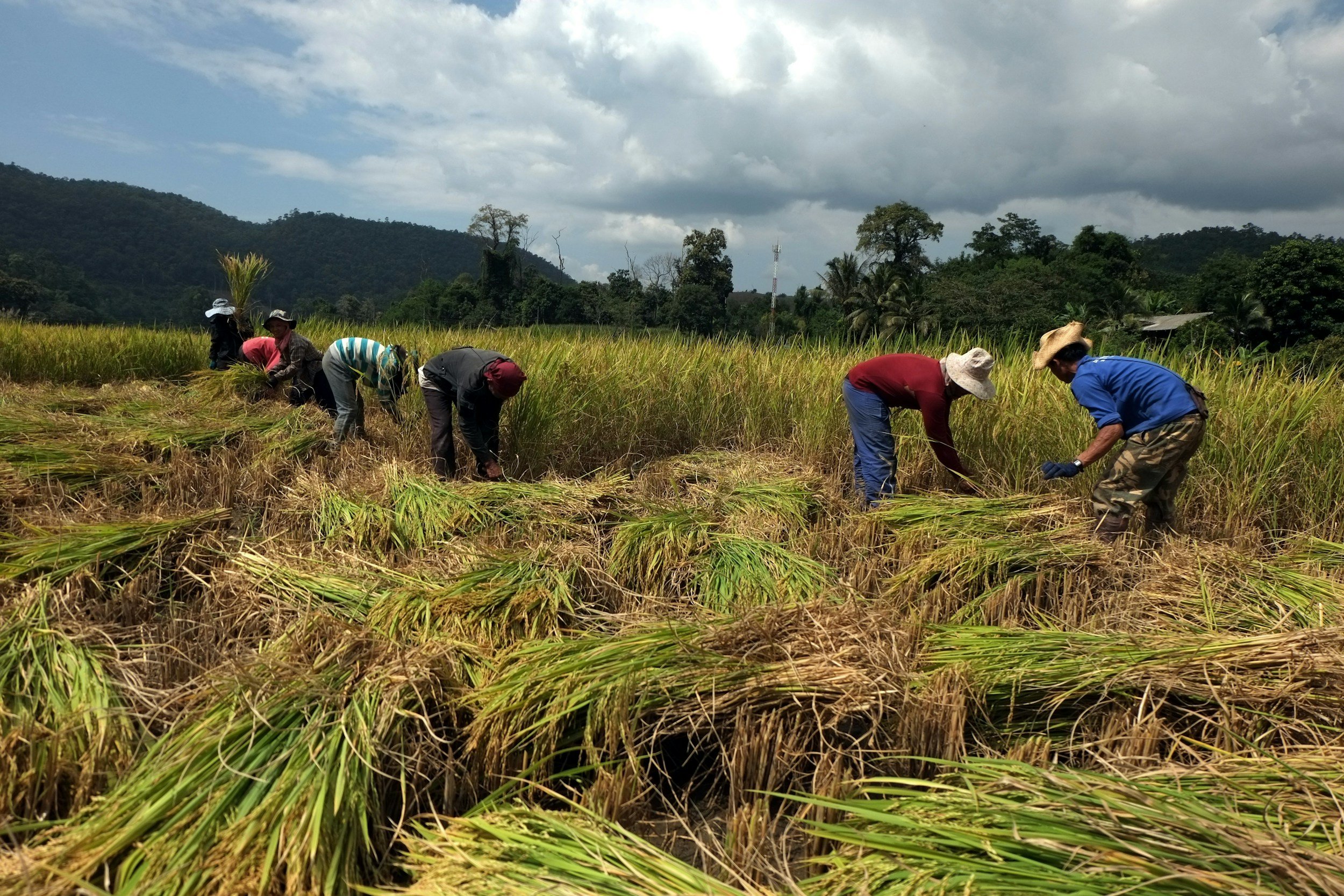
Across the world, harvest appears in many different forms. In some places it is marked with festivals and public gatherings. In others it is expressed through family meals, seasonal foods, or periods of preparation and reflection. The outward expressions vary widely, but they all sit on top of the same agricultural reality: the moment when food is gathered after a season of growth.
What Is the Significance of Harvest in Culture?
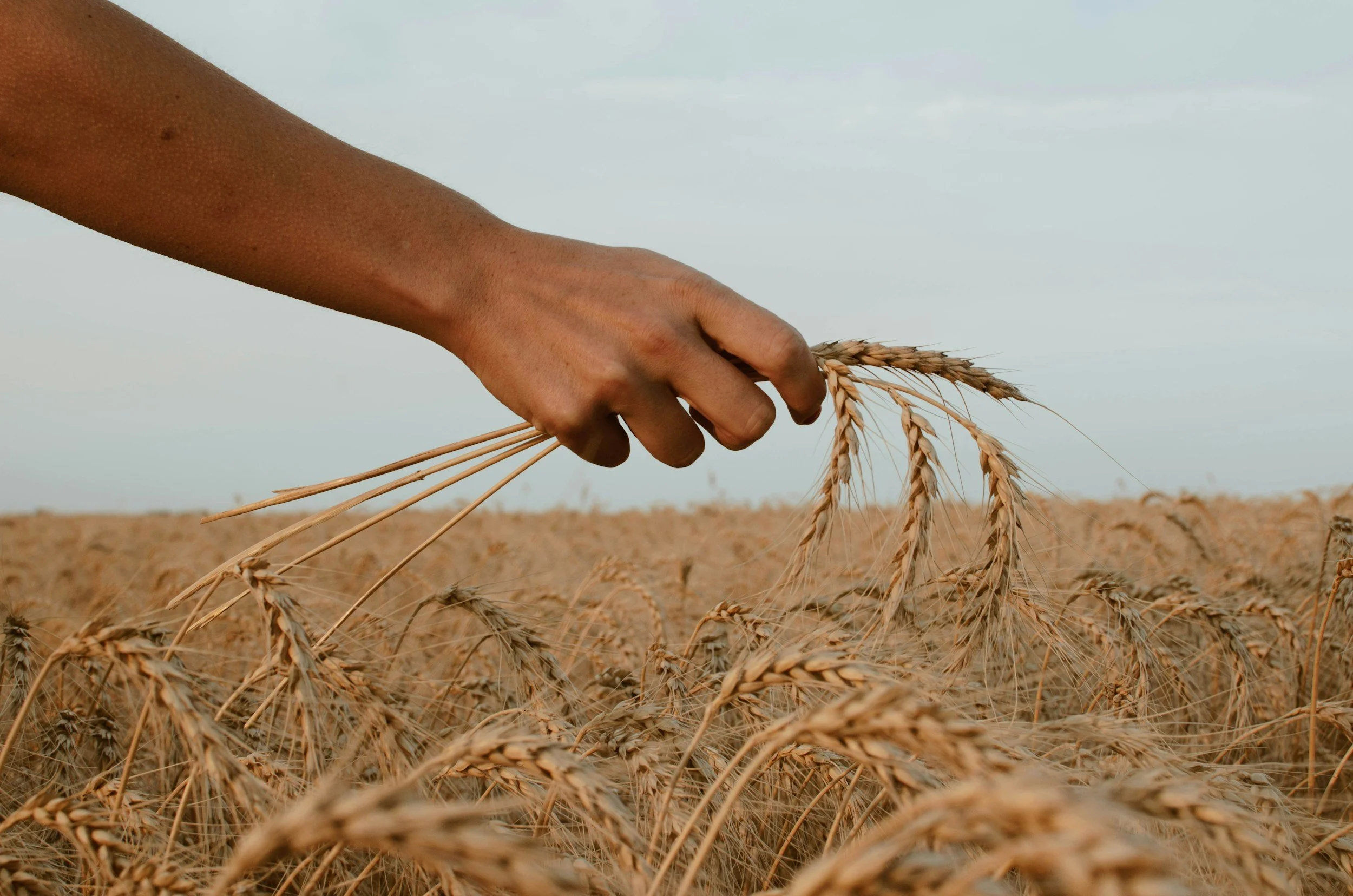
People do not usually ask about harvest because they are interested in farming itself. The question tends to appear when something else becomes noticeable: that across cultures and time periods, the act of gathering crops repeatedly shows up as something more than agricultural work. It becomes ceremony, festival, ritual, or shared seasonal moment.

Cider, Shrub, Vinegar, and Tonic: Seasonal Drinks from the Garden to the Glass
Fermented, infused, and preserved beverages have long been central to seasonal eating and sustainable cooking practices.
From the orchard to the kitchen, the methods for turning fruit and herbs into drinks reflect both tradition and innovation. In this article, we focus on four categories: cider, shrub, vinegar, and tonic. Each offers a distinct approach to flavour, preservation, and culinary use, yet they share a common thread: making the most of seasonal ingredients while minimizing waste.

Crabapples in Prairie Food History
Crabapples don’t get much credit in Canadian culinary history. They grow on schoolyard edges and old farm shelterbelts, often dismissed as ornamental or too sour to bother with. Yet for more than a century, these hardy little fruits were a staple of prairie kitchens—and long before settlers planted their first orchards, Indigenous communities were already incorporating crabapples into their seasonal diets. What we see as a decorative afterthought once anchored food traditions across the Prairies

Scraps, Stems, and Skins: The Science of Cooking What We Throw Away
Every year, Canadians throw out millions of tonnes of food, and a surprising portion of it isn’t spoiled—it’s the skins, stems, and leaves we never even considered edible. Carrot tops go straight to the compost bin, beet greens are lopped off at the market stall, and potato skins are peeled and discarded without a second thought.

Grandma’s Wartime Kitchen: Old-School Sustainability from the Home Front
The kitchen table was as much a part of Canada’s war effort as the factory floor. Picture it: a narrow 1940s kitchen with a wood or coal stove radiating heat, ration books fanned open beside a jar of sugar no bigger than a teacup, rows of gleaming preserves stacked like sentries along the counter, and two fresh loaves of bread cooling under clean tea towels. The air carried the mingled scent of yeast, stewed fruit, and something savoury stretching its way into tomorrow’s supper.

The Rise of Indigenous Superfoods
Canada’s food history is rooted in ingredients that grew, swam, or roamed freely across this land. Long before refined wheat and industrial farming arrived, Indigenous communities sustained themselves with nutrient-rich staples harvested in tune with seasonal cycles. These were the original examples of sustainable cooking and ancestral cooking methods — systems where food, ecology, and community were inseparable.

A Baker’s Dozen Wild Plants to Forage Before Summer Ends
In much of Canada, late August is a turning point. The days are still long, the sun still warm, but the light shifts—less a blaze, more a burnished gold. Historically, this was a critical time for food gathering. For many Indigenous Nations, it marked the height of berry season and the beginning of autumn preservation. For settler homesteads, it was the month of cellars filling with jars, drying racks heavy with herbs, and baskets of fruit set out to ripen.

Wild Teas and Trail Foods
By late August, Canada’s landscapes are brimming with plants that have long served a dual purpose — they refresh and they sustain. Along field edges, rosehips begin to redden, holding the promise of winter tea. In the north, fireweed flowers signal the last rush of the growing season, while in boggy lowlands, the leathery leaves of Labrador tea are ready for harvest. These plants, along with a host of berries, roots, and seeds, once filled travel packs, medicine bundles, and winter stores.

Fields, Fencelines, and Forgotten Gardens
The edges of the land have always been important. For thousands of years, Indigenous peoples knew where berry patches would ripen each season, where wild roots could be dug without harming the population, and where migrating birds or animals could be hunted as they passed. Later, settlers marked property lines with hedgerows and fruit trees, inadvertently creating long, narrow larders for future generations.

Crabapples and Clover: Late Summer Snacks from the Land
By late August, Canadian hedgerows and meadows are full of small, edible surprises. Along rural fencelines, clusters of crabapples hang from gnarled branches, their skins flushed with red or yellow and their tart scent carried on the breeze. In nearby fields, clover blossoms stand bright against fading greens, their round flower heads still drawing bees in the warm afternoon light.

What to Forage in August in Canada
Late August is a month of change in Canada’s landscapes. Days are still warm, but nights begin to cool. In Northern regions, the first leaves blush yellow on poplars. Fields shimmer with goldenrod, berry canes droop with fruit, and the air holds a trace of autumn. For foragers, this is a pivotal moment — the last full flush of summer growth before the pace of the season slows.