
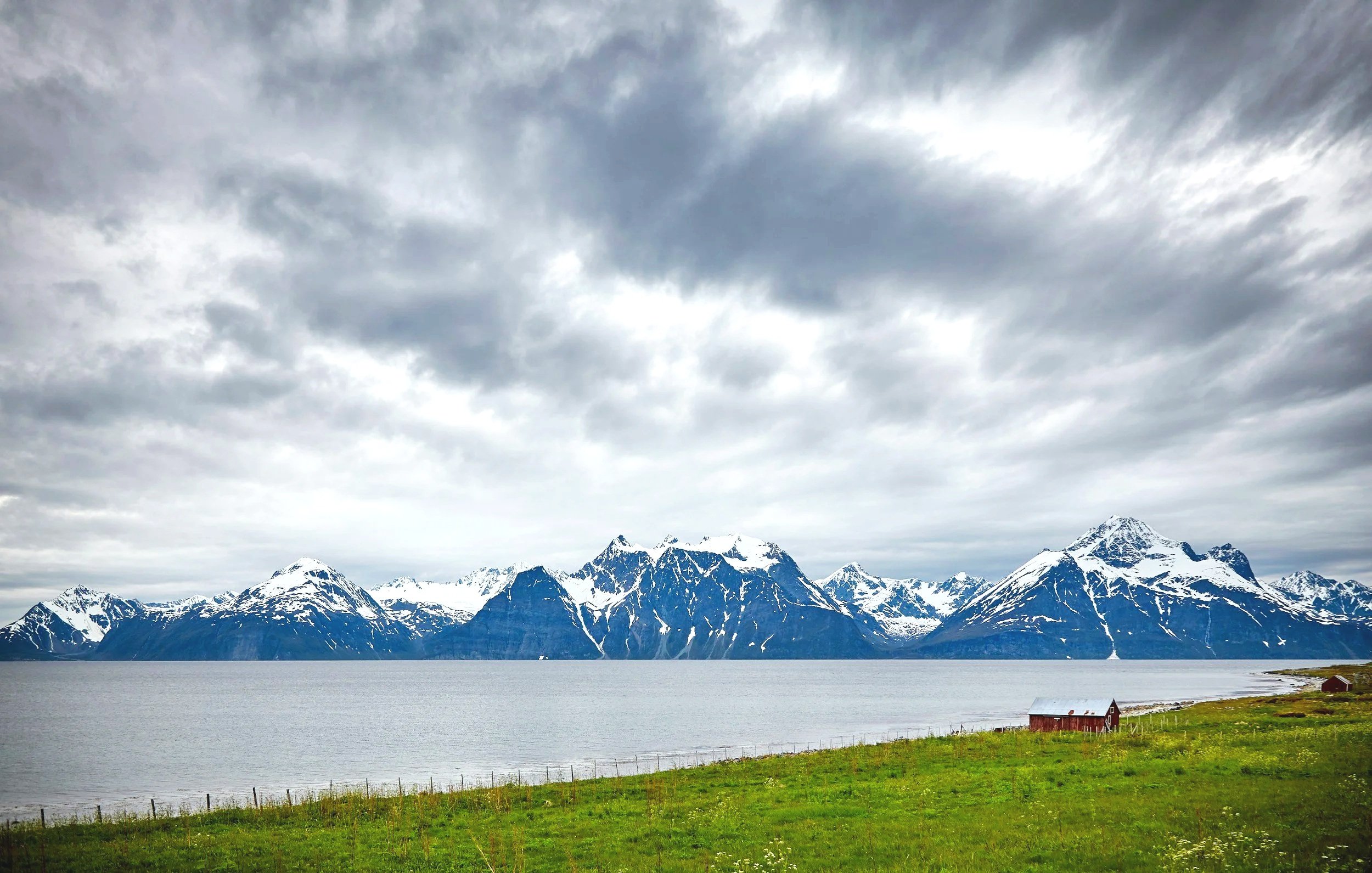
The History of Scandinavian Migration to the Canadian Prairies
Nearly five centuries before Christopher Columbus crossed the Atlantic, another group of Europeans had already reached North America.
Around the year 1000 CE, Norse sailors from Greenland steered their longships west across the North Atlantic and landed on the northern tip of what is now Newfoundland. Led by Leif Erikson, son of Erik the Red, they established a small settlement that modern archaeology identifies as L'Anse aux Meadows.
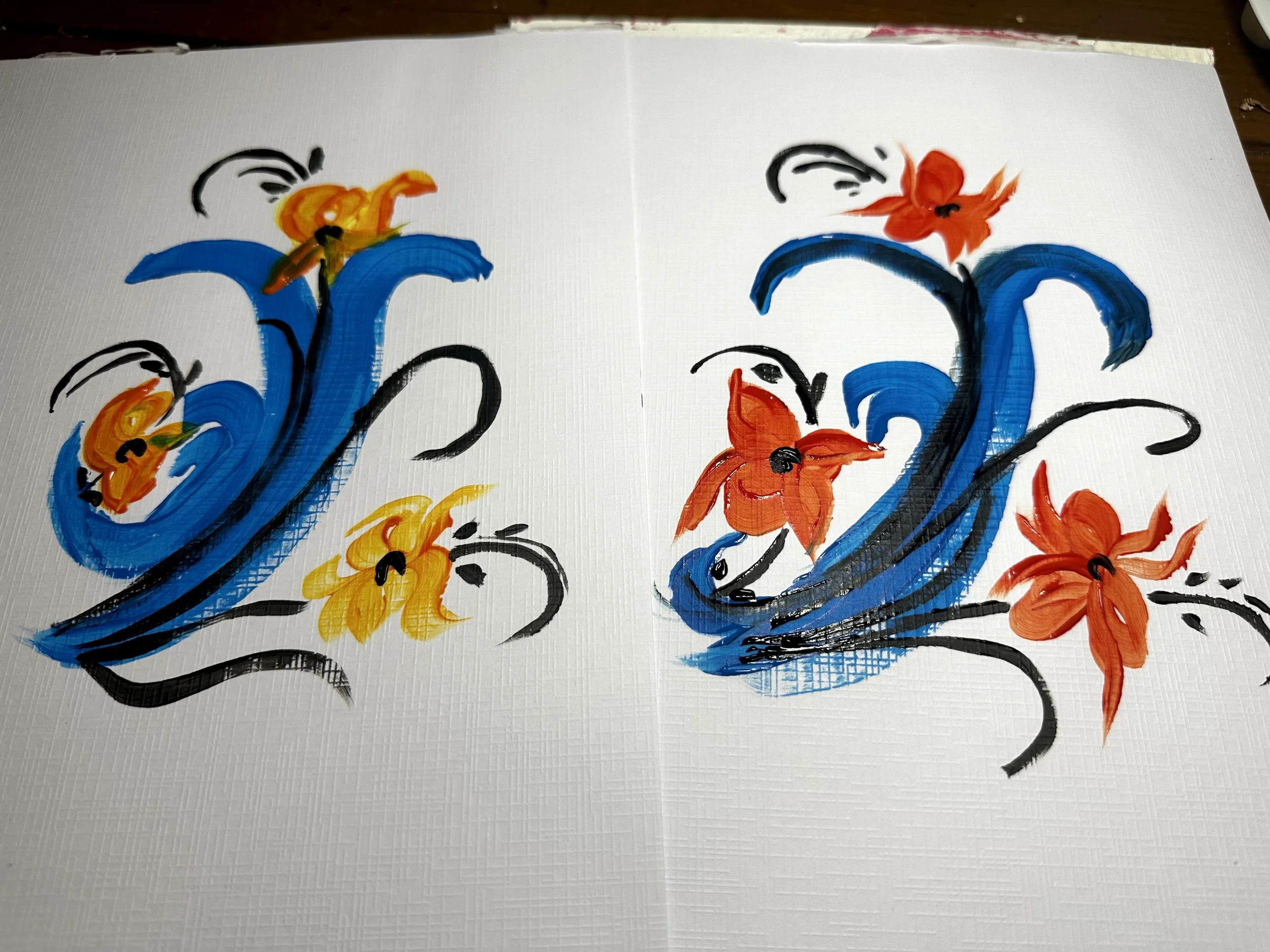
The Flax by Han Christian Andersen
The author reads The Flax by Hans Christian Andersen while making a first attempt at rosemaling.
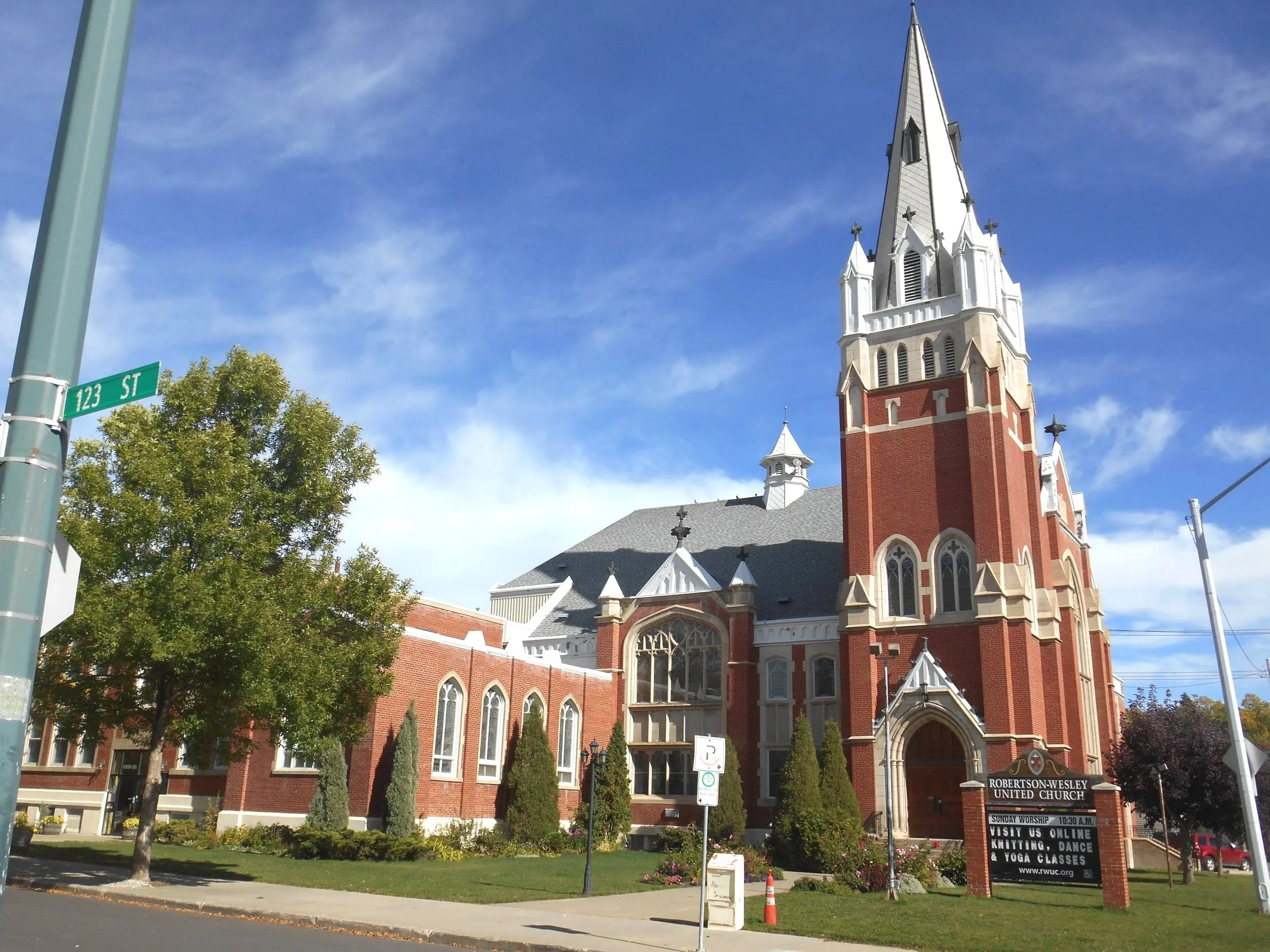
Do I belong in church?
It’s Sunday and I’m thinking about church. If you’ve known me in my adult life, you may think this is strange. I’ve had an aversion to structured religion since my late teens/early twenties. It wasn’t always like that. I grew up going to the Gaetz United Memorial Church in Red Deer. I participated in the youth events, went to Sunday school, and for a period I felt religion very deeply.

Finding Norway in Red Deer
Last week I went to the annual Norwegian festival in Red Deer, Alberta with my two teenage daughters and my uncle.
Red Deer is where I grew up, yet I only discovered the Norwegian Laft Hus a few years ago. Tucked into the downtown core, it can easily disappear from view if you don’t already know to look for it. I remember frequently going to the pool next door when I was a child and never knowing what was tucked into the bushes behind it.
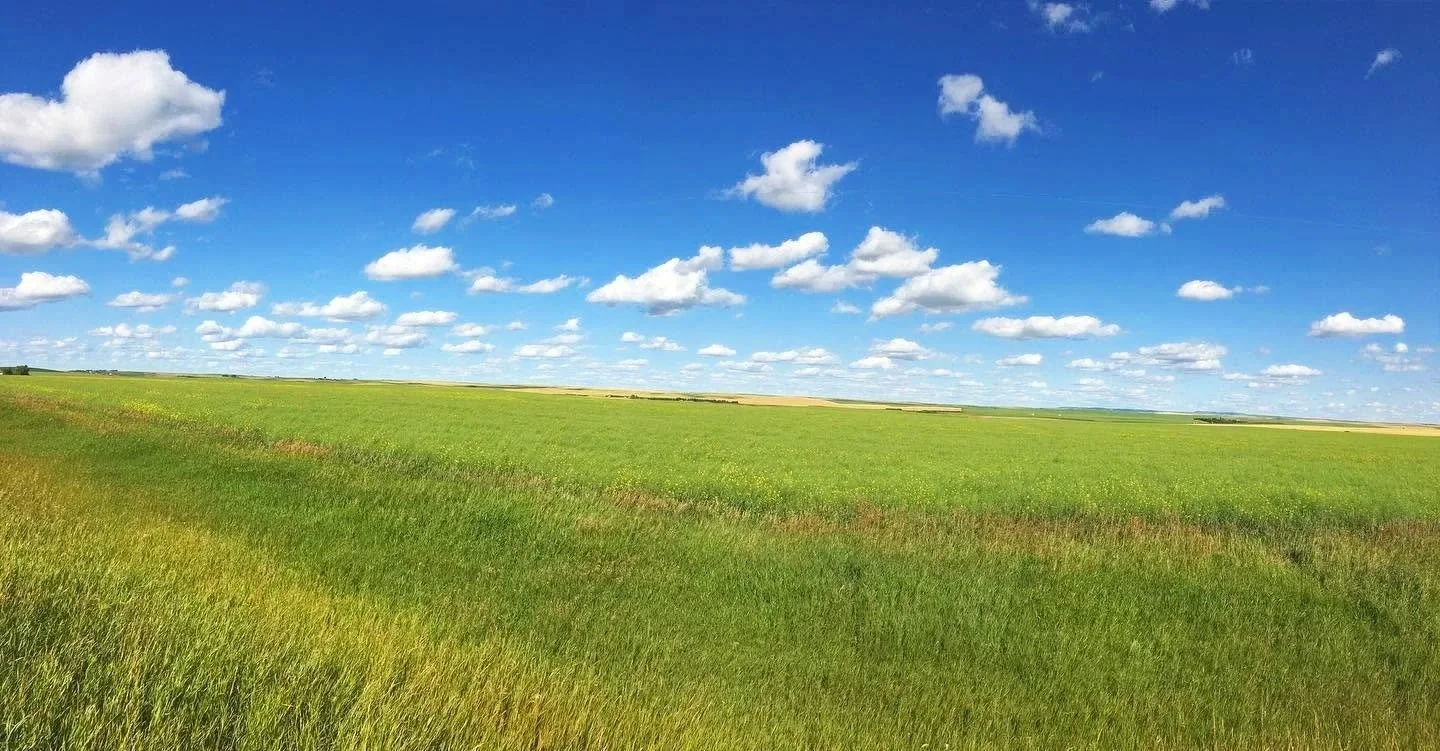
What is a prairie?
If you’ve ever read Little House on the Prairie, chances are your first image of a prairie is the one painted by Laura Ingalls Wilder who describes “the enormous, empty prairie,” stretching beneath an endless blue sky, where grasses ripple like waves and the horizon seems to go on forever. Her prairie stretches north from the American Midwest into southern Manitoba, where the same sweeping grasslands continue unassumingly across an international border.
Letting go of the past and creating something new
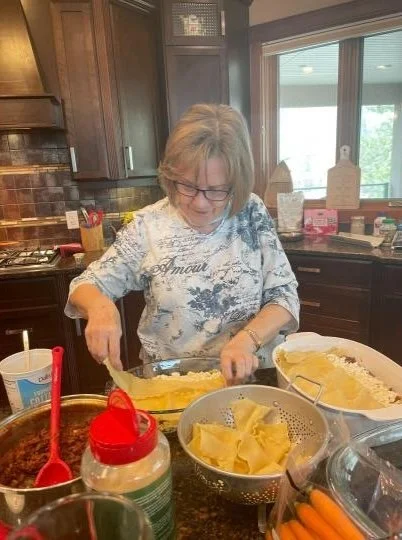
A few years ago I came up with the idea of Recipes and Roots to explore my love of food history. I’m someone who loves classic foods, the way things used to be done (from a sustainability angle) and how people live both now and in the past. I am mildly impressed with how many articles I put on the site. It’s seems almost impossible to count. Definitely over 500 and I think maybe around 1000. If I figure out how to calculate it, I’ll update here.
Haskaps on the Canadian prairies
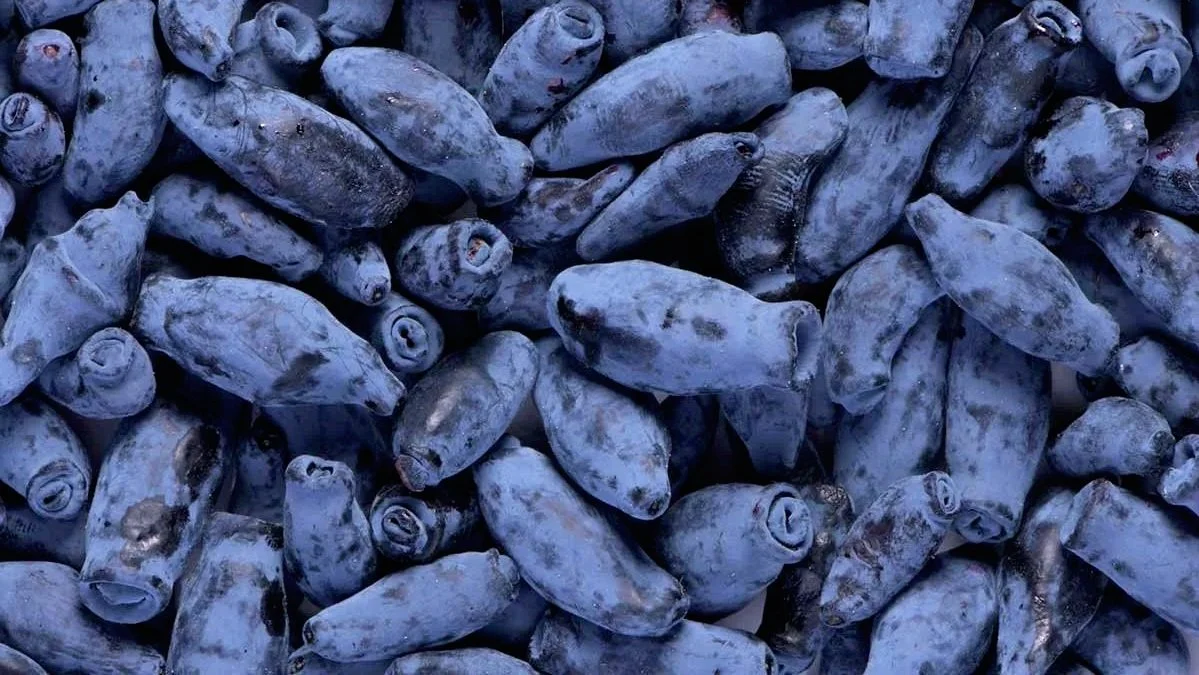
Haskaps have long histories across northern regions, including the Canadian prairies. Knowledge of these early berries varies by place, Nation, and seasonal practice, shaped through observation, gathering, and use over time. Indigenous knowledge systems form the foundation of how haskaps have been understood, named, and used within broader food landscapes, a principle reflected in Indigenous-led research and knowledge-sharing initiatives such as the Canadian Indigenous Knowledge Network.
Ukrainian Food Heritage on the Prairies
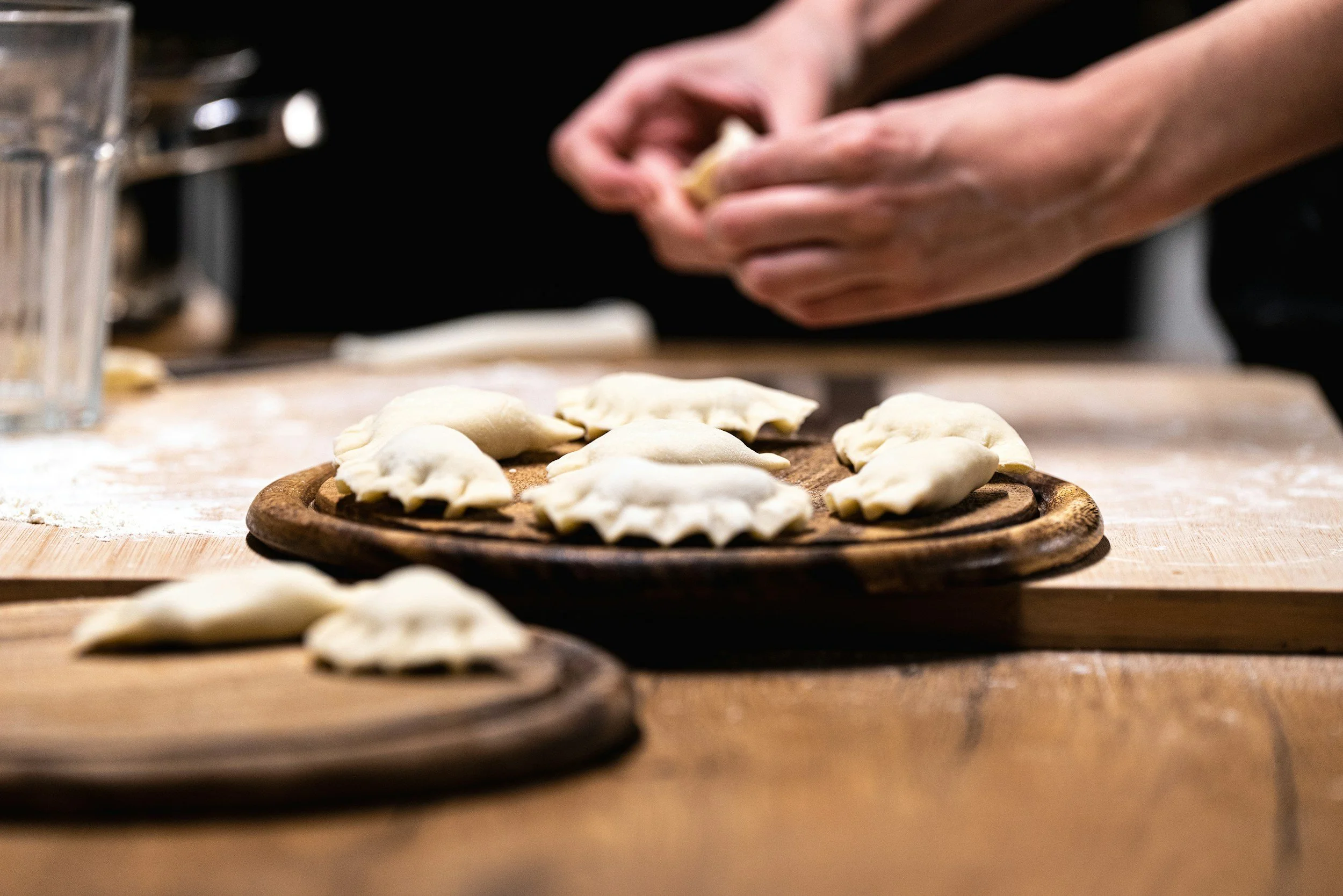
Ukrainian settlement on the Canadian Prairies spans multiple regions, migration waves, and generations. Families arrived with food knowledge shaped by village traditions, seasonal rhythms, and agricultural practices carried across distance. Over time, these foodways adapted to prairie land, climate, and available resources. Community organizations such as the Ukrainian Canadian Congress document the breadth and continuity of this settlement across Canada.
Indigenous Trade Networks on the Prairies
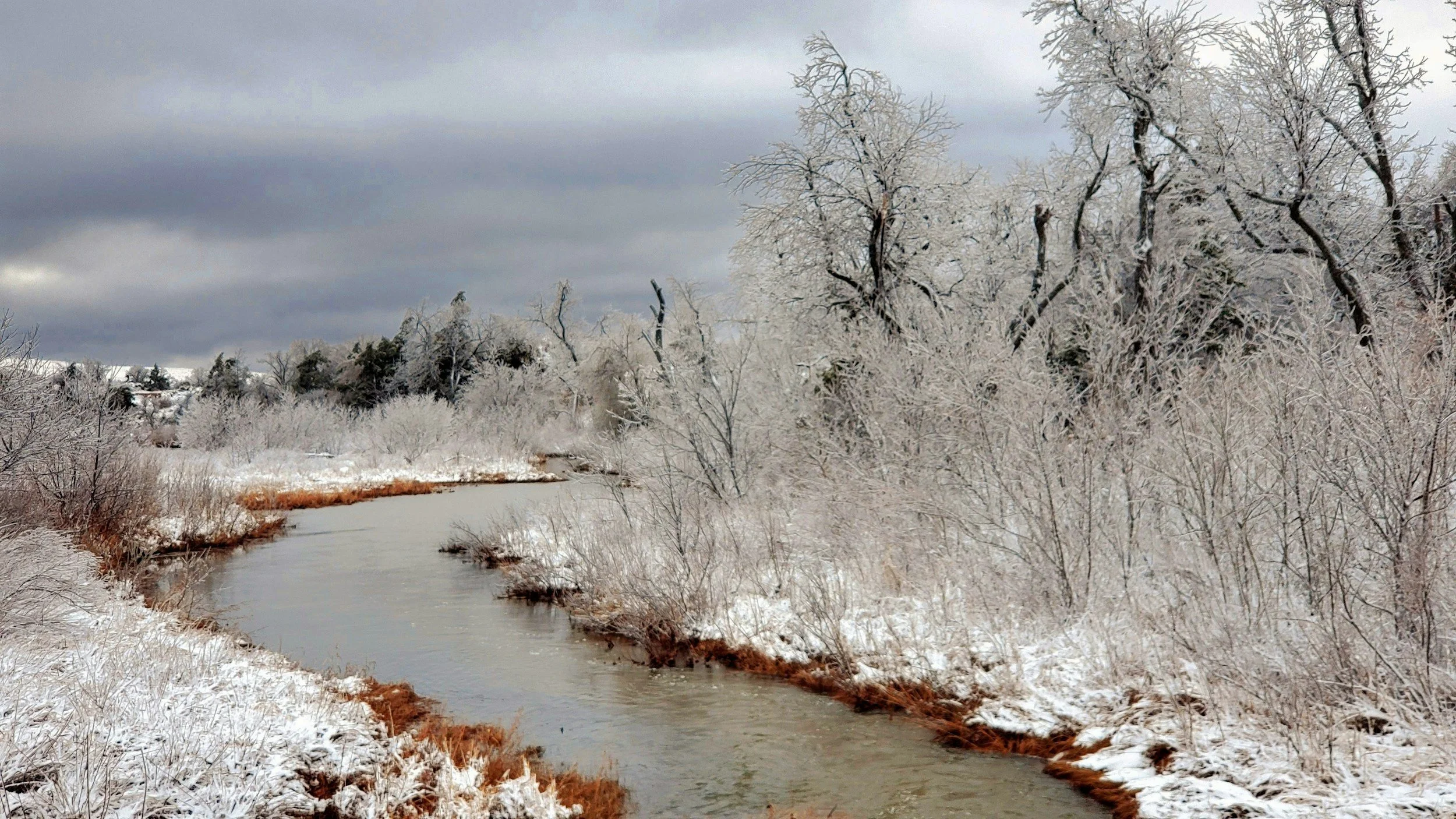
The Canadian prairies encompasses many Indigenous Nations, each with distinct histories, territories, and systems of trade. For thousands of years, these Nations maintained exchange networks shaped by geography, season, and relationship. What follows is not a comprehensive account of those systems, nor does it attempt to speak for any single Nation or community.
Seasonal Eating in Edmonton Winter
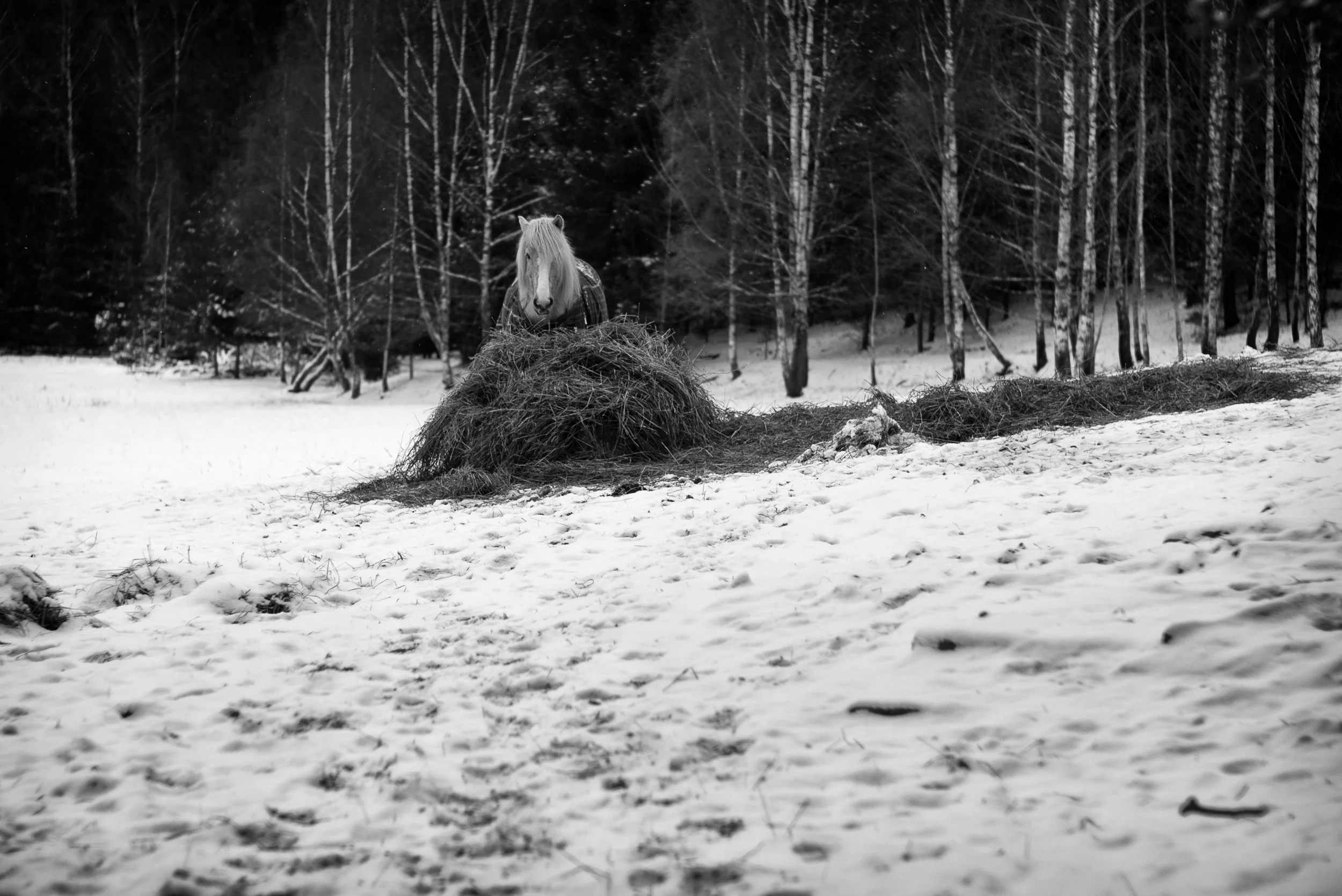
Winter in Edmonton is long and decisive. Snow settles early and remains for months. Daylight shortens. Temperatures drop well below freezing, and the ground becomes inaccessible for much of the year. These conditions shape daily life in ways that are both practical and familiar.
The Prairies’ Oldest Restaurants
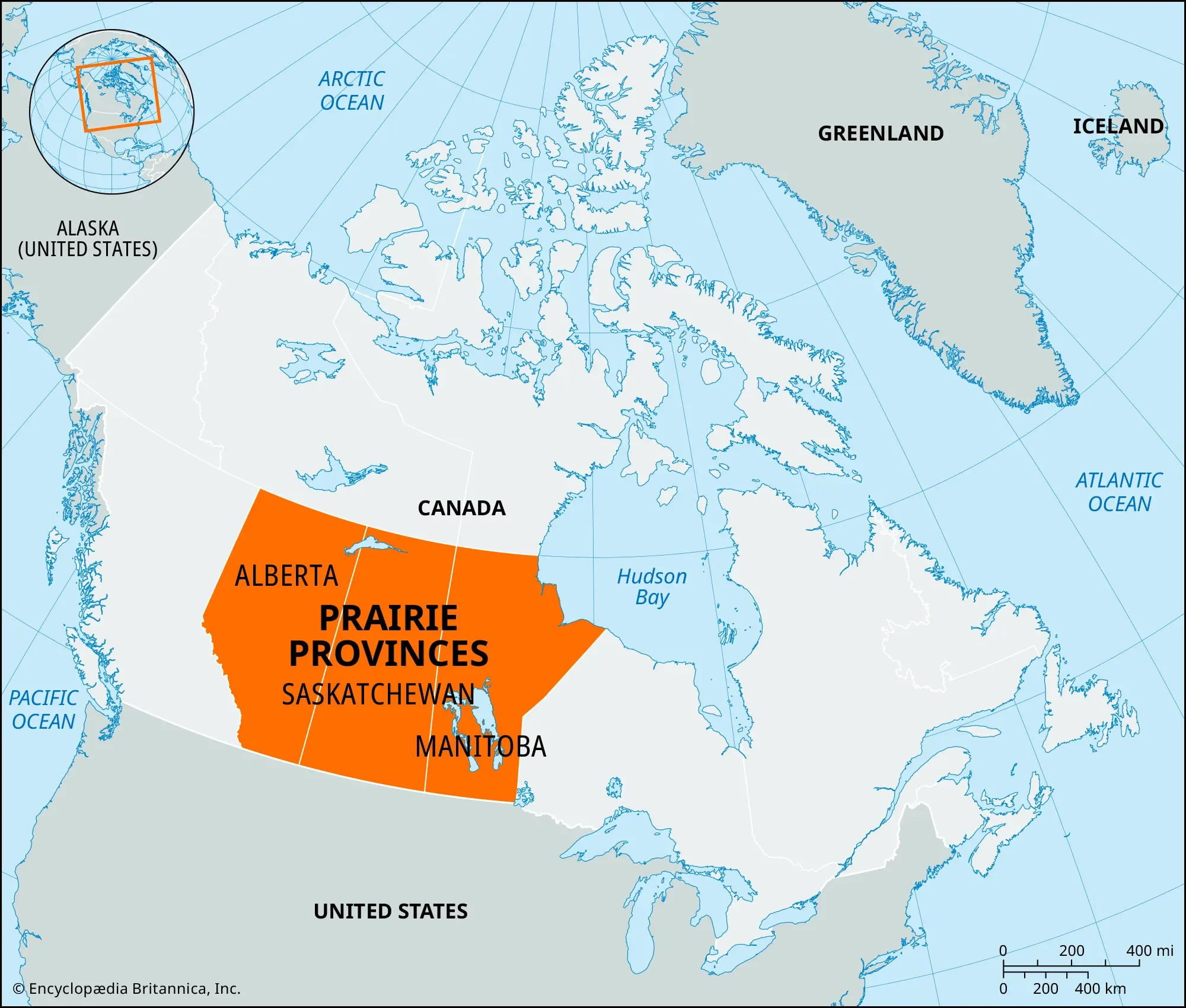
Calgary’s King Eddy carries a 1905 date, but the hotel closed in 2004. Its dismantled bricks and timbers were incorporated into Studio Bell, where the King Eddy reopened as a music venue, bar, and restaurant in 2018. A few blocks away, Deane House occupies a home built in 1906, although the present restaurant opened in 2016.

Eco-Edibles: Lion’s mane (feature)
A fallen birch log in the forest might be wearing what looks like a shaggy white mane. The long, soft spines hang in clusters, almost like strands of hair or coral. This is Lion’s Mane mushroom — one of the most distinctive fungi you can find in the wild and one of the most studied for its potential health benefits.

A comprehensive guide to canning
Home canning is a time-honored way to preserve the bounty of your garden, seasonal fruits, and vegetables, ensuring fresh, flavorful foods all year long. This beginner-friendly guide focuses on safe home canning practices using Bernardin, Canada’s trusted canning brand, and Ball, a leading authority in North American food preservation.
How Did Harvest Celebrations Begin?
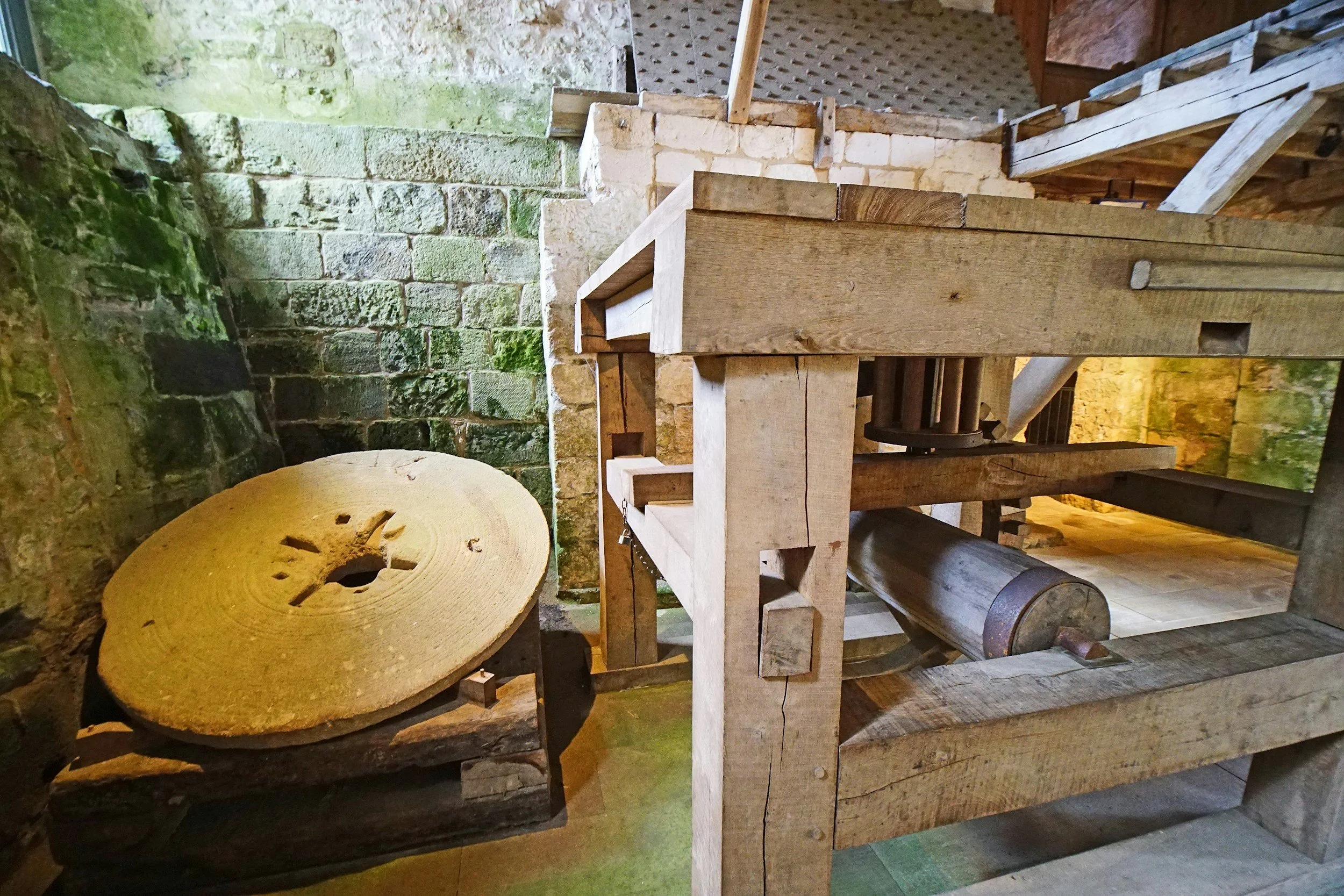
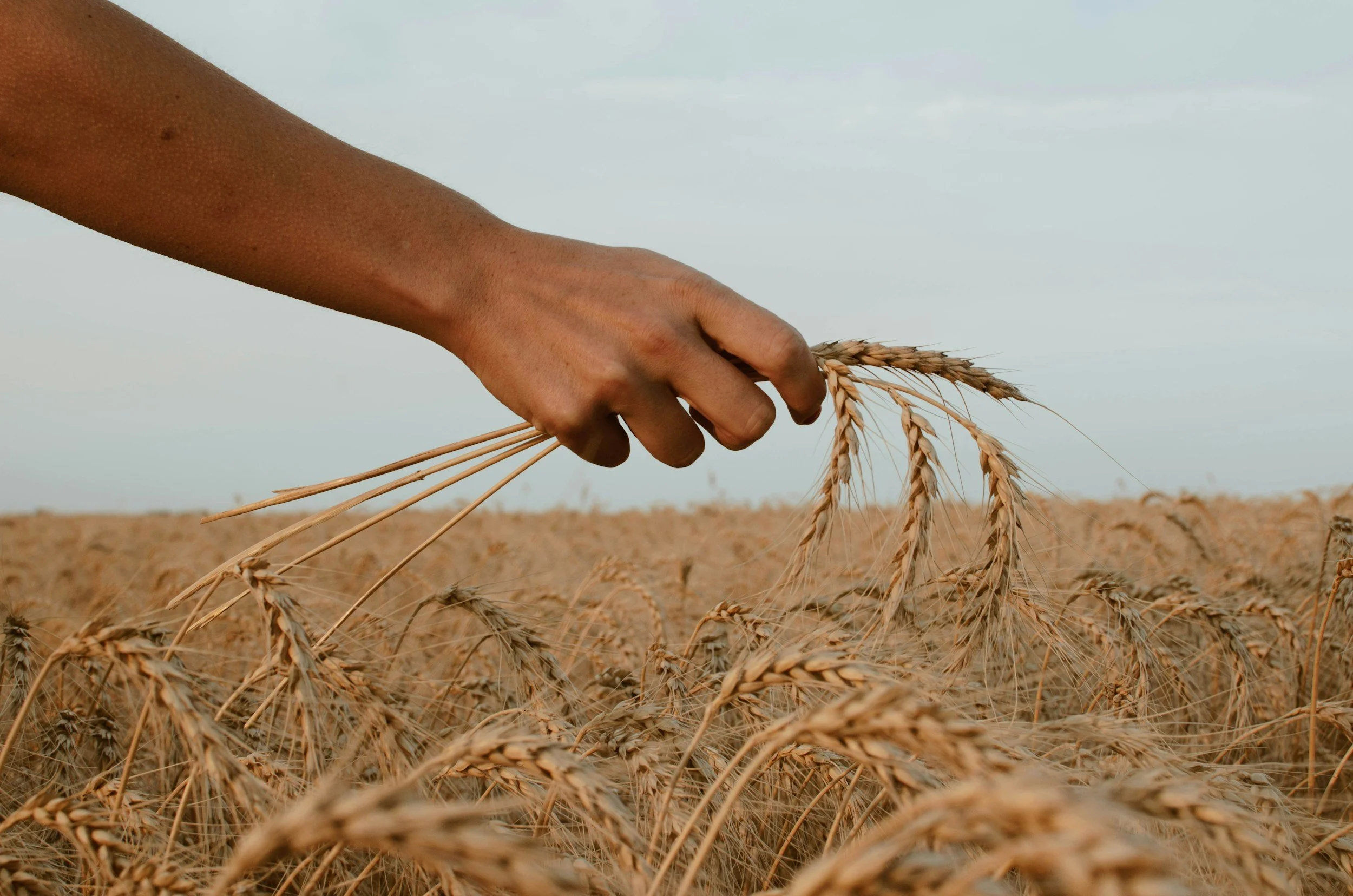
In the earliest agricultural settlements, harvest was not marked as a cultural event in the way it is recognised today. It was a practical moment in a longer cycle of work, when months of labour finally produced something visible: gathered food that could be stored, shared, or lost depending on conditions.
Why Do Different Cultures Celebrate Harvest Differently?
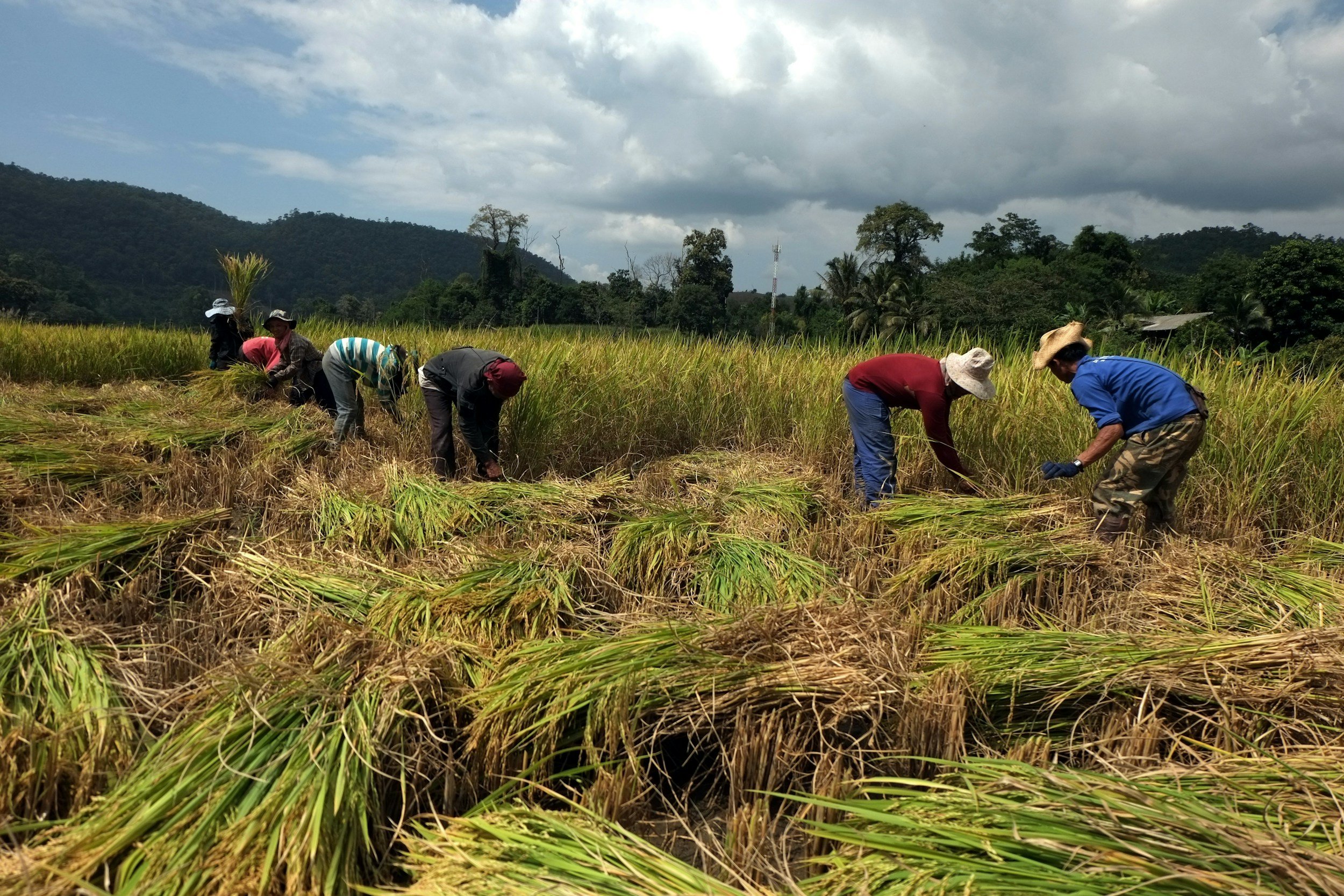
Across the world, harvest appears in many different forms. In some places it is marked with festivals and public gatherings. In others it is expressed through family meals, seasonal foods, or periods of preparation and reflection. The outward expressions vary widely, but they all sit on top of the same agricultural reality: the moment when food is gathered after a season of growth.
What Is the Significance of Harvest in Culture?
People do not usually ask about harvest because they are interested in farming itself. The question tends to appear when something else becomes noticeable: that across cultures and time periods, the act of gathering crops repeatedly shows up as something more than agricultural work. It becomes ceremony, festival, ritual, or shared seasonal moment.

Cider, Shrub, Vinegar, and Tonic: Seasonal Drinks from the Garden to the Glass
Fermented, infused, and preserved beverages have long been central to seasonal eating and sustainable cooking practices.
From the orchard to the kitchen, the methods for turning fruit and herbs into drinks reflect both tradition and innovation. In this article, we focus on four categories: cider, shrub, vinegar, and tonic. Each offers a distinct approach to flavour, preservation, and culinary use, yet they share a common thread: making the most of seasonal ingredients while minimizing waste.

Crabapples in Prairie Food History
Crabapples don’t get much credit in Canadian culinary history. They grow on schoolyard edges and old farm shelterbelts, often dismissed as ornamental or too sour to bother with. Yet for more than a century, these hardy little fruits were a staple of prairie kitchens—and long before settlers planted their first orchards, Indigenous communities were already incorporating crabapples into their seasonal diets. What we see as a decorative afterthought once anchored food traditions across the Prairies

Scraps, Stems, and Skins: The Science of Cooking What We Throw Away
Every year, Canadians throw out millions of tonnes of food, and a surprising portion of it isn’t spoiled—it’s the skins, stems, and leaves we never even considered edible. Carrot tops go straight to the compost bin, beet greens are lopped off at the market stall, and potato skins are peeled and discarded without a second thought.

Grandma’s Wartime Kitchen: Old-School Sustainability from the Home Front
The kitchen table was as much a part of Canada’s war effort as the factory floor. Picture it: a narrow 1940s kitchen with a wood or coal stove radiating heat, ration books fanned open beside a jar of sugar no bigger than a teacup, rows of gleaming preserves stacked like sentries along the counter, and two fresh loaves of bread cooling under clean tea towels. The air carried the mingled scent of yeast, stewed fruit, and something savoury stretching its way into tomorrow’s supper.