
When Green Energy Comes to Sápmi
Norway is building the infrastructure of a lower-carbon future across Sámi lands and waters. Nearly five years after the country’s highest court found that wind development violated reindeer herders’ cultural rights, the question of who gets to decide what happens on that land remains unsettled.
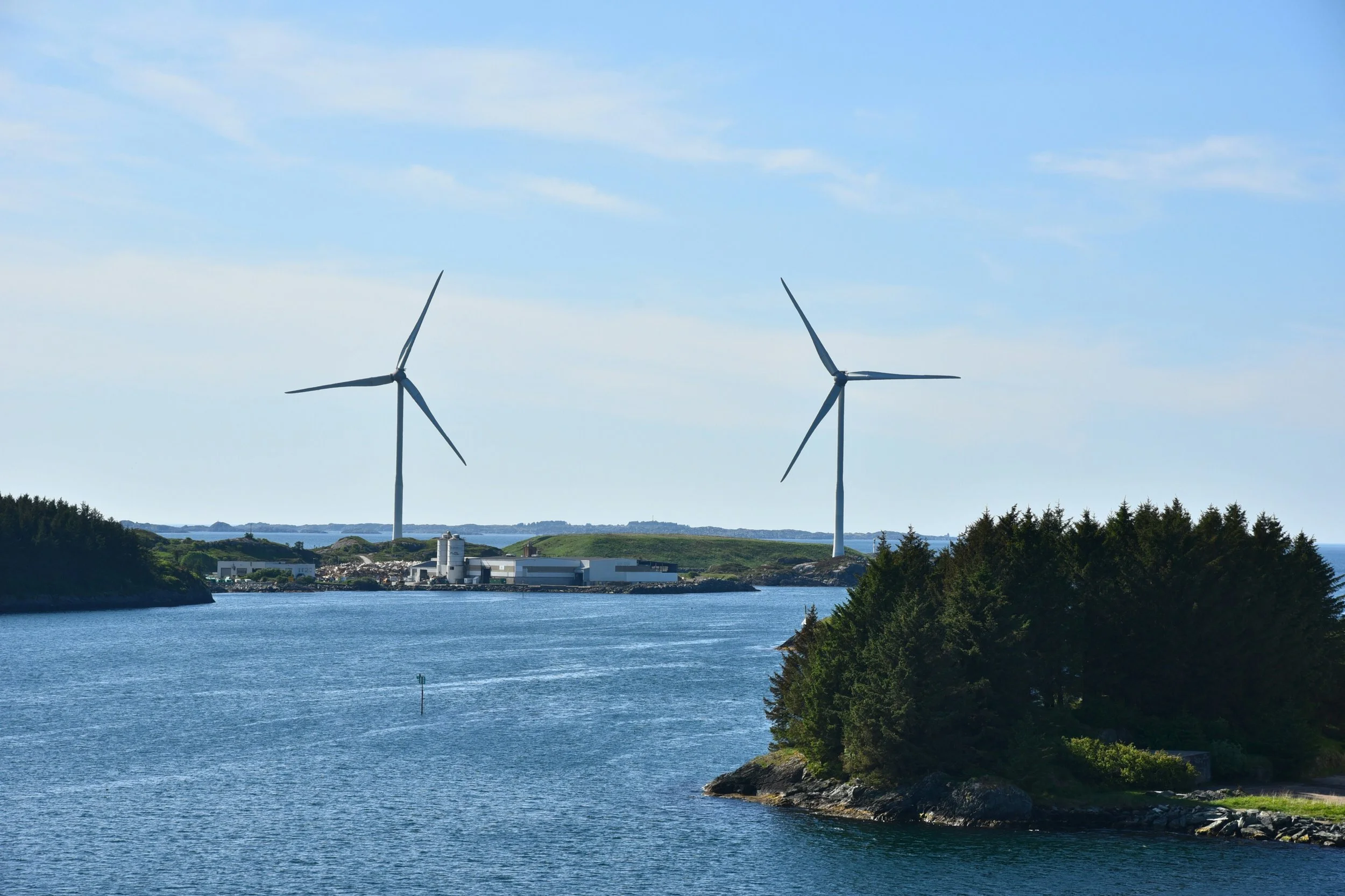
Wind turbines rise above the Norwegian coast. Disputes over wind power, transmission lines and mineral development have raised questions about how Norway’s energy transition will affect Sámi lands and reindeer husbandry.
Photo: Photo by Eloy Martinez
By the time Norway’s Supreme Court ruled on the wind farms at Fosen, the turbines were already standing.
The Norwegian Water Resources and Energy Directorate had issued licences for the Storheia and Roan wind developments in 2010. Sámi reindeer herders challenged the projects, arguing that they would interfere with winter grazing land, but construction continued while the legal dispute worked its way through the courts. Roan was completed in 2019 and Storheia in 2020.
On October 11, 2021, Norway’s Supreme Court unanimously ruled that the licence and expropriation decisions were invalid. The court accepted earlier findings that important winter grazing areas had effectively been lost and that, without adequate measures, the development threatened the continuation of reindeer husbandry on Fosen. That was serious enough to violate the herders’ right to enjoy their culture under Article 27 of the International Covenant on Civil and Political Rights.
The judgment did not order the turbines dismantled. They continued to produce electricity while Norway faced a more difficult problem: what should happen after a renewable-energy project has already been built on land a court finds is necessary to an Indigenous culture?
Nearly five years later, Norway is still answering that question.
A Landscape Built Around Movement
Fosen makes more sense when reindeer husbandry is understood as a use of an entire landscape rather than a collection of individual grazing fields.
Sápmi, the traditional homeland of the Sámi people, extends across northern Norway, Sweden, Finland and Russia. Reindeer husbandry remains an important livelihood and cultural practice in Sámi society, and herds move between different seasonal grazing areas as weather, snow and vegetation change.
A road, wind farm or transmission corridor may occupy a relatively narrow strip of ground. Its effect can reach farther if reindeer avoid the area or if the development interrupts movement between pastures.
That flexibility is becoming more important as the Arctic warms. A 2026 report prepared by the Norwegian Institute for Water Research and the International Centre for Reindeer Husbandry found that climate change is already affecting Sámi use of land and water. Changing snow and ice conditions affect access to grazing, while growing competition for land reduces the number of alternatives available when conditions in one place become difficult.
The report describes mobility and flexibility as particularly important to reindeer husbandry. Climate change creates more reasons for herders to adjust where and when animals move, while roads, industrial development and other forms of land pressure leave fewer places in which to make those adjustments.
This is one reason the argument over Fosen continued long after construction ended.

What Happened After Fosen
The Supreme Court accepted that renewable energy and what it called the “green shift” were important public interests. It also found that other, less intrusive development alternatives had existed, so the case did not require those interests to override the cultural rights of the reindeer herders.
For more than a year after the ruling, however, there was no final remedy.
Sámi activists and supporters eventually staged large demonstrations in Oslo. In March 2023, the Norwegian government formally apologized to the Fosen reindeer herders and acknowledged the continuing human-rights problem created by the licences.
Negotiations followed. Sør-Fosen Sijte reached an agreement in December 2023, and Nord-Fosen siida followed in March 2024. The settlements allow the wind farms to continue operating during their existing concession periods while providing compensation and additional winter grazing arrangements. The affected herding groups also gained the right to refuse any extension of the wind farms after those concessions expire.
Finding the additional winter pasture has taken longer.
Norway initially aimed to have new grazing territory available for winter 2026–27. The government now says it is working toward winter 2027–28. After examining 12 possibilities, researchers identified Håmmålsfjellet-Sålekinna in Innlandet as the strongest option, and the government is assessing what introducing reindeer grazing there would mean for the environment, landowners and other users of the area.
That assessment was originally due July 22. The deadline has been moved to August 31, 2026, partly to allow more discussion with affected landowners and additional environmental mapping.
The delay says something important about the original problem. Land used for reindeer husbandry cannot necessarily be replaced simply by finding the same number of hectares somewhere else. The new place must work within the seasonal movements of the herd, and using it can create consequences for people and ecosystems already there.
Another Line Across Reindeer Country
Fosen has been settled, at least in legal terms, but Norway’s need for new energy infrastructure continues.
Farther north in Finnmark, the state-owned transmission operator Statnett is building the Skaidi–Hammerfest connection. The main new 420-kilovolt line runs about 54 kilometres between Skaidi and a new substation at Hyggevatn. From there, additional infrastructure will connect the grid to the Hammerfest LNG facility on Melkøya.
Construction is well underway. In July 2026, Statnett reported that crews had built 130 foundations, erected 79 transmission towers and strung 6.4 kilometres of line. The company said work on the project was approaching the halfway point.
Reindeer husbandry has been part of the dispute over the line for years. When Norway’s energy regulator reconsidered the project, it acknowledged that newer research indicated greater effects on reindeer husbandry than authorities had assumed when the route was first assessed. Measures intended to reduce those effects were added as the project moved forward.
The reason for building the line adds another layer to the argument.
Hammerfest LNG currently uses gas turbines for much of its power. Norway plans to switch the facility to electricity from the grid, which the government says will cut carbon dioxide emissions at the plant by about 850,000 tonnes a year, or roughly 90 per cent. At the same time, the larger Snøhvit Future project is expected to increase recoverable gas production by about 60 billion standard cubic metres and extend the life of the LNG facility to 2040.
Norway itself acknowledges that the larger climate calculation is complicated. Because the petroleum industry operates within the European Union’s emissions-trading system, lowering emissions at Hammerfest does not automatically translate into an equivalent reduction in European or global emissions.
For the reindeer herders using the surrounding country, the immediate calculation is more physical. Another transmission corridor is being added to land where roads, settlements and other development already shape where animals can move.
“Green Colonialism”
Sámi organizations have increasingly used the term green colonialism to describe development carried out in the name of climate action or the energy transition when Sámi communities have too little control over what happens on their traditional lands.
The term appeared prominently in a 2025 report produced jointly by Amnesty International and the Sámi Council. Looking at mining and energy projects in Norway, Sweden and Finland, the report argued that projects proceeding without the free, prior and informed consent of affected Sámi rights-holders threaten reindeer husbandry and other foundations of Sámi culture.
Norway has changed some of its laws since the Fosen licences were issued.
A new Minerals Act came into force on July 1, 2026. Among its reforms, the law extends special provisions concerning Sámi interests beyond Finnmark to the entire traditional Sámi area in Norway. It also provides for payments to affected Sámi rights-holders in specified mineral-extraction cases.
The harder disagreement concerns consent.
Indigenous-rights standards increasingly emphasize free, prior and informed consent, usually shortened to FPIC. A UN Expert Mechanism review of Norway recommended stronger implementation of that principle in laws governing land and resource development.
Norway does not accept that FPIC creates a general Indigenous veto over development. In a statement to the UN in July 2026, the government argued that Norwegian consultation rules already provide Sámi people with real participation and that actual agreement becomes necessary when going ahead without it would otherwise violate the human rights of Sámi rights-holders.
Fosen shows why that distinction matters. By the time the Supreme Court determined that a line had been crossed, the turbines had already been built.
The Search for Minerals Moves Offshore
Norway’s mineral ambitions extend beyond the land.
In April 2024, the government formally opened about 281,000 square kilometres of the Norwegian and Greenland seas to possible seabed mineral activity. The decision was controversial from the beginning, in part because relatively little is known about the ecosystems surrounding mineral deposits thousands of metres below the surface.
Opening the area did not authorize mining. It allowed Norway to prepare smaller areas for what it calls exploitation licences, under which companies could begin exploring and gathering information about mineral deposits. Actual extraction would still require an approved exploitation plan, another impact assessment and government approval.
The Sámi Council opposed the opening. It warned that damage to marine ecosystems could affect the food security, traditional practices and cultural heritage of Sámi and other Indigenous peoples who depend on northern waters. Those are concerns raised by the council about possible effects rather than evidence that seabed mining has already caused such harm in Norway; commercial mining has not begun.
Norway has since slowed the process considerably.
After negotiations over the 2026 state budget, the government announced that it would not hold the first seabed-mineral licensing round during the current parliamentary term. The decision opening the area remains in place, and the government continues environmental and resource mapping, leaving seabed mining as a future possibility rather than an imminent industry.
The pause gives Norway more time to study what lies beneath the ocean. It does not settle the question of how those resources should be used if governments decide they are valuable to the energy transition.
A Familiar Question on the Canadian Prairies
Sámi history in Norway cannot simply be mapped onto First Nations, Inuit or Métis history in Canada. The legal systems, treaties and relationships with the state developed differently.
Prairie readers may still recognize the question underneath the dispute: what happens when energy that benefits a much larger population depends on changing Indigenous lands and waters?
Manitoba has lived with that question for decades.
As plans for the Lake Winnipeg Regulation and Churchill River Diversion moved ahead in the 1970s, five affected First Nations formed the Northern Flood Committee. The committee negotiated with Manitoba Hydro and the federal and provincial governments, eventually signing the Northern Flood Agreement in 1977.
Manitoba Hydro now acknowledges that resolving the effects of earlier development remains part of its relationship with Indigenous communities. It says it continues to address adverse effects of existing operations on customs, practices and traditions important to Indigenous cultural identity.
The electricity generated through Manitoba’s northern rivers became the backbone of the province’s low-carbon electrical system. For communities living along those waterways, producing that power also changed land, water and traditional activities.
A newer version of the resource question is unfolding in northern Saskatchewan.
In February 2026, the Canadian Nuclear Safety Commission approved a licence allowing site preparation and construction for Denison Mines’ Wheeler River uranium project. The site lies within Treaty 10 territory and the Métis Homeland and within traditional Denesųłiné, Cree and Métis territories. The licence requires an Indigenous engagement program, and the commission considered the Crown’s duty to consult and, where appropriate, accommodate affected rights-holders.
In March, the commission issued a similar site-preparation and construction licence for NexGen Energy’s Rook I project, about 155 kilometres north of La Loche. It lies in Treaty 8 territory and the Métis Homeland and within Denesųłiné, Cree and Métis territories.
Neither decision allows uranium production to begin. Both companies would need to return to the regulator for future operating licences.
The Canadian cases have their own histories, relationships and regulatory processes. Their connection to Norway is narrower: low-carbon energy still requires mines, power lines, reservoirs and other infrastructure somewhere, and those places are often already home to people with established rights and relationships to the land.
What Fosen Left Behind
Norway can point to real changes since the Fosen licences were approved.
The government apologized to the affected herders. Settlements were negotiated. The two siidas gained control over whether the wind farms continue beyond their current concessions. Sámi provisions have been expanded in Norway’s mineral law, and the first round of seabed-mineral licences has been postponed.
Development has continued as well.
Transmission towers are rising across Finnmark. Norway still wants more renewable electricity and access to critical minerals. At the same time, climate change is making the snow, ice and grazing conditions on which reindeer husbandry depends less predictable.
That leaves less room for mistakes.
Fosen began as a dispute over where wind turbines could be built. Years later, Norway is searching for winter pasture elsewhere because the land around those turbines could no longer provide what the reindeer herders needed from it.
The turbines are still turning. The herds still have to move.
As Norway builds the next version of its energy system, those two facts will continue to share the same landscape.
Sources and Further Reading
Supreme Court of Norway: 2021 Fosen judgment, Licences for wind power development on Fosen ruled invalid as the construction violates Sami reindeer herders’ right to enjoy their own culture.
Norwegian Ministry of Agriculture and Food: 2026 material on additional winter grazing land for Fosen, including the Håmmålsfjellet-Sålekinna assessment and 2027–28 target.
Norwegian Institute for Water Research and International Centre for Reindeer Husbandry: Klimaendringer i Sápmi (2026).
Amnesty International and the Sámi Council: Just Transition or “Green Colonialism”? (2025).
Government of Norway: Current material on the 2026 Minerals Act and Norway’s seabed-minerals policy.
Sámi Council: Statement on deep-sea mining and its potential effects on Indigenous marine food systems and cultural practices.
Manitoba Hydro: Indigenous relations and the history of the Northern Flood Agreement.
Canadian Nuclear Safety Commission: 2026 licensing decisions for Wheeler River and Rook I in northern Saskatchewan.
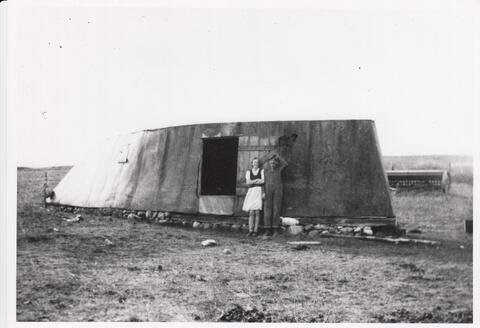
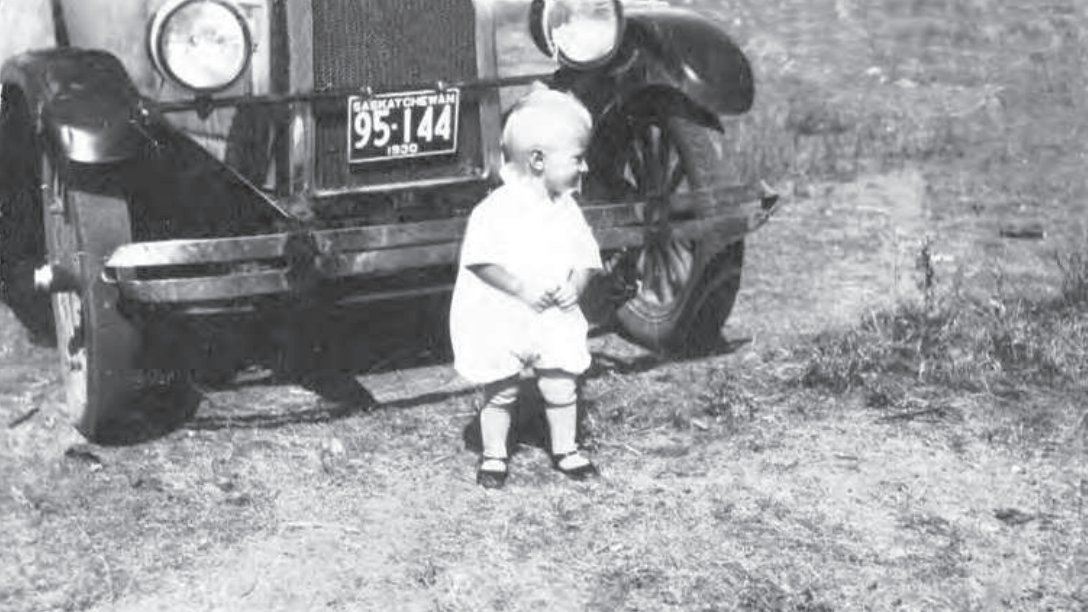


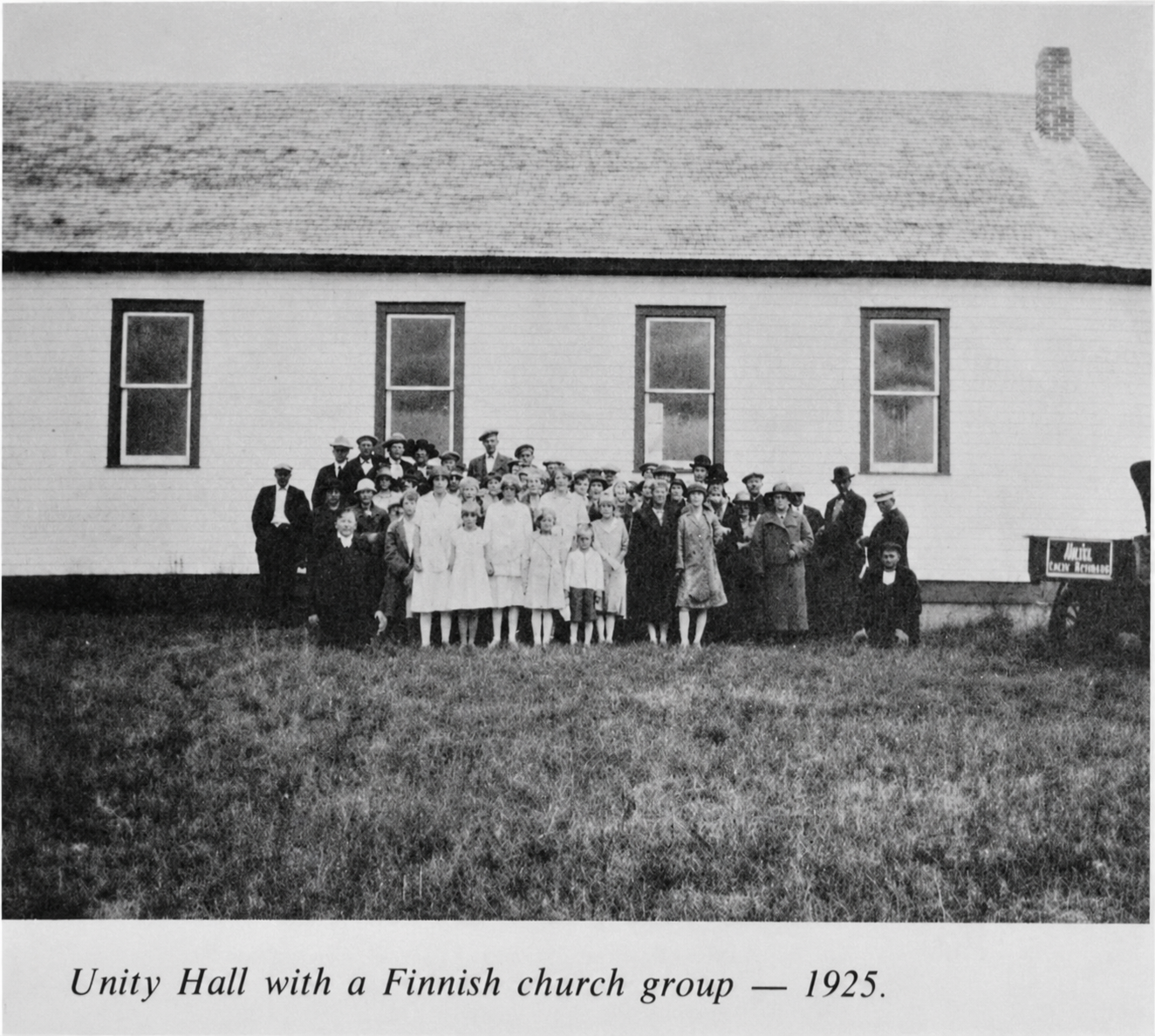


For generations, the narrative of the Canadian Prairies has been celebrated through a single, foundational lens: the arrival of the hardy pioneer, the breaking of the ancient sod, and the building of tight-knit agricultural communities across Manitoba, Saskatchewan, and Alberta. As descendants of Scandinavian immigrants, many of our families found their footing in Western Canada through federal initiatives like the Dominion Lands Act of 1872, which partitioned nearly 80 million hectares of land into 160-acre homestead grids to draw mass European migration. This policy offered our ancestors a vital lifeline—a way to escape economic hardship, crop failures, and starvation in northern Europe, and to construct a prosperous future in a new world.