
Can Hygge Survive a Cost-of-Living Crisis?
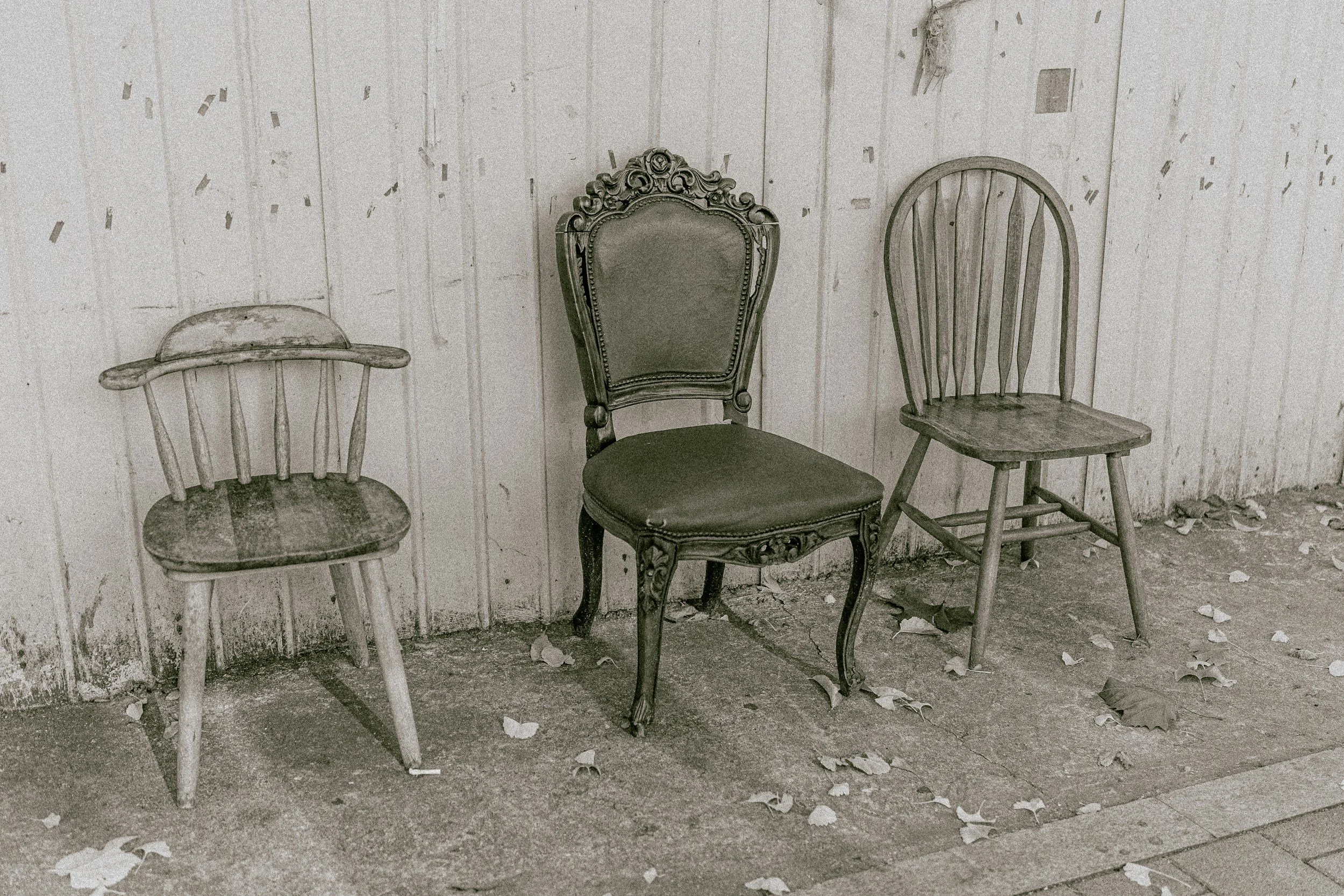
Chairs do not have to match to have hygge.
Hygge became easy to recognize once retailers learned how to sell it.
The familiar version usually includes candles, pale ceramics and a blanket folded over the arm of an immaculate couch. A tray holds two matching mugs. Nothing appears worn, borrowed or slightly out of place.
For households watching grocery bills rise and rent consume more of each paycheque, that image can feel more demanding than comforting. It suggests that a welcoming home requires another purchase before anyone can relax inside it.
The commercial version has travelled far from the everyday Danish practice that inspired it. Denmark’s official website describes hygge as taking time away from the daily rush to relax with people one cares about, or to enjoy a small pleasure alone. The same account acknowledges that publishers and retailers quickly turned international interest in hygge into books and consumer products.
That leaves a useful question for anyone trying to create comfort on a limited budget: what remains when there is no money available to buy the look?
Hygge before the shopping list
Danish anthropologist Jeppe Trolle Linnet studied hygge within middle-class households in Copenhagen. His research described an informal social atmosphere built around familiarity, shared time and a temporary retreat from public pressures.
Food often played a role, but the meal did not have to impress anyone. Simple dishes and casual clothing could help people settle into the evening. Obvious displays of status sometimes worked against the sense of ease participants associated with hygge.
Linnet called his 2011 paper “Money Can’t Buy Me Hygge.” The title was more complicated than a claim that hygge costs nothing. A warm home and enough food require resources. People also need some control over their time before they can spend an evening relaxing.
His research instead suggests that money cannot guarantee the atmosphere. An expensive room may still feel formal or strained. An ordinary kitchen can become hyggelig when the people inside feel comfortable enough to stop performing for one another.
That distinction matters when a cultural practice is repackaged as a decorating style. A new candle may change the light in a room. It cannot create trust among the people sitting there.
Comfort during an expensive period
Canadians have good reason to be wary of lifestyle advice built around shopping.
Statistics Canada reported that consumer prices rose by 17.1 per cent between January 2021 and October 2024, matching the cumulative increase recorded over the previous decade. In the spring of 2024, 45 per cent of Canadians said rising prices were greatly affecting their ability to meet everyday expenses.
The pressure continued after the fastest period of inflation had eased. Rent prices rose by another five per cent in 2025, following an 8.2 per cent increase in 2024.
Under those conditions, suggestions to buy better blankets or curate a shelf of handmade pottery can feel detached from daily life. A household may already own enough objects. The difficulty lies in paying for food, utilities and housing.
Hygge has something more useful to offer when it lowers expectations rather than adding another standard.


The home does not have to be finished
Hospitality is often postponed until the house feels ready.
The walls still need paint. The chairs do not match. The living room contains evidence that people actually live there. A host may decide to wait until the space looks better or there is enough money to serve a more impressive meal. That delay can continue for years.
A less commercial understanding of hygge allows people to gather in rooms that remain unfinished. Soup can be served from the pot it cooked in. A repaired quilt can stay on the couch. The light may come from a second-hand lamp that happens to make the room feel warm.
None of these objects needs to resemble a Scandinavian catalogue. Their value comes from use and familiarity.
The invitation matters more. Denmark’s official account also notes that hygge can become exclusionary when established groups close themselves off and leave newcomers outside. A cosy gathering may feel generous to those included while remaining invisible to everyone else. For hygge to become a form of hospitality, someone has to open the door.
What is already in the house
Low-cost comfort often begins with paying attention to resources a household already has.
A person may read a library book under the same lamp each evening. A family might make tea after supper and leave phones in another room for half an hour. Friends can share an ordinary meal rather than waiting for a special occasion.
Repetition is helpful. Create shape to evenings with a familiar ritual and realize there’s no need to make a purchase each time.
Food can contribute to that atmosphere when the expectations remain manageable. Bread baking in the oven changes how a home smells, but toast can also be enough. A bowl of soup may be made from inexpensive ingredients or reheated from a can.
The point is not to replace an expensive hygge checklist with a frugal one. That would create another performance to maintain. Comfort will look different in a household with young children than it does for someone living alone. One person may enjoy background music, while another wants the television off.
Hygge becomes useful when people are allowed to notice what already helps them settle.
Cosiness has limits
A warm drink cannot solve financial insecurity.
Nearly half of Canadians have reported losing sleep over money worries, according to the Financial Consumer Agency of Canada. Almost one-third have said they are short of money at the end of the month.
Advice about appreciating simple pleasures can become insulting when it ignores those conditions. A household struggling to afford heat does not need to be told that winter is charming. A candle cannot make unsafe housing secure.
Hospitality also involves work. Someone prepares the food and deals with the dishes. An informal gathering can become another burden when one person is expected to create the entire atmosphere.
A practical version of hygge makes room for shared effort and lower standards. Guests can bring what they already have. The kitchen can remain untidy until morning. Nobody has to pretend that scarcity is picturesque.
An atmosphere without a receipt
The retail image of hygge offers a room where every object has been chosen to create a comfort aesthetic.
Real homes usually work in the opposite direction. Objects become comforting because people have lived with them. A chipped mug is kept around because it’s a favourite. A mended blanket is still useful and a borrowed book gives someone a reason to stay off a screen for an hour.
Hygge can survive a cost-of-living crisis when it is about the spirit and feel of the idea and not the photo-worthiness. It can offer permission to serve an inexpensive meal and welcome someone before the house looks finished.
Comfort may already be present in the ordinary things people continue to use and the rituals they make time to repeat.
What makes your home feel comforting without requiring you to buy anything?
Further reading
Jeppe Trolle Linnet, “Money Can’t Buy Me Hygge: Danish Middle-Class Consumption, Egalitarianism, and the Sanctity of Inner Space,” Social Analysis, 2011.
Official Website of Denmark, “What Is Hygge?”
Statistics Canada, “Research to Insights: Perspectives on Affordability and Inequality,” 2025.
Financial Consumer Agency of Canada, “Financial Stress and Its Impacts.”




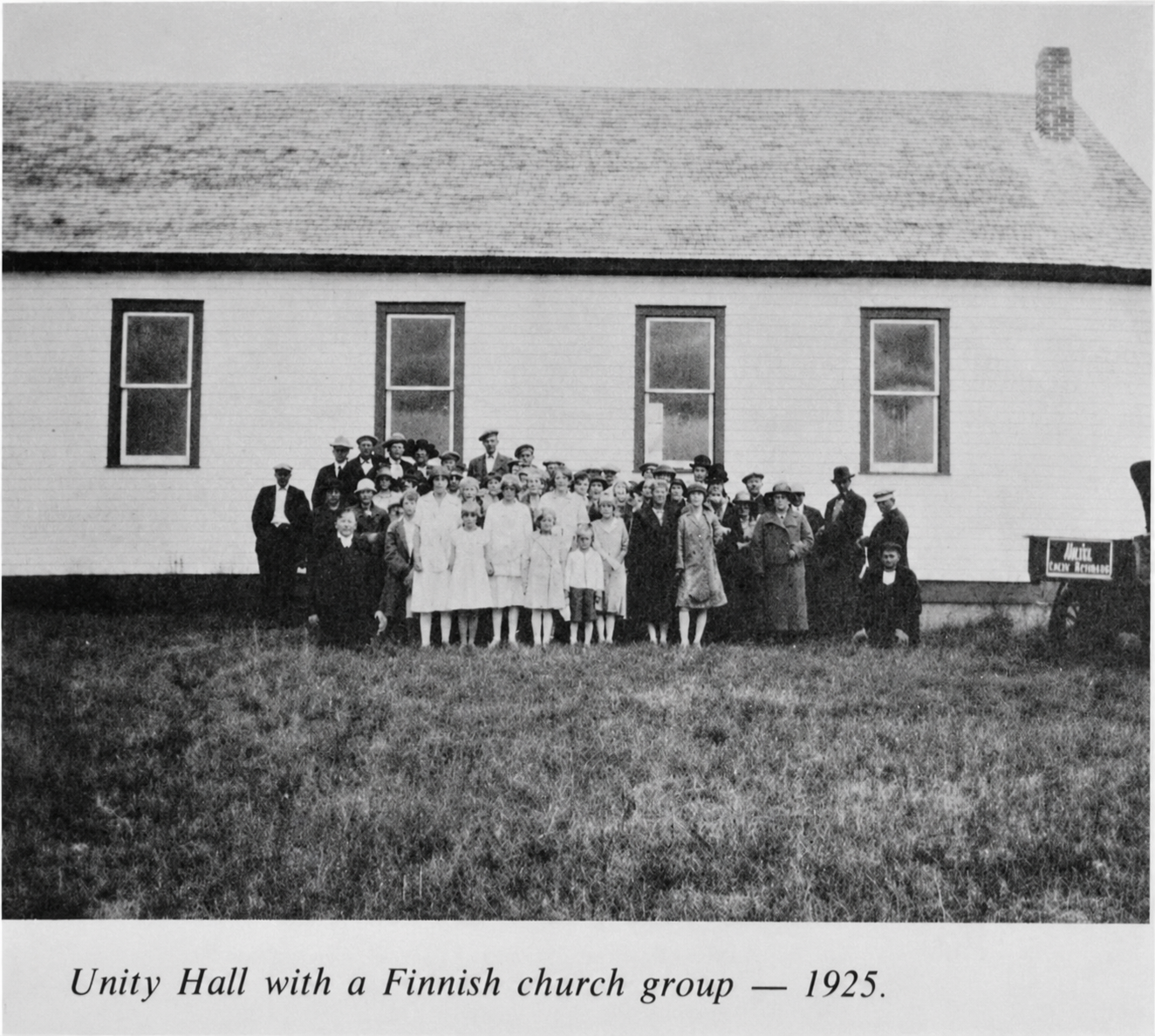


The beams are too heavy for one family to lift. The roof cannot be finished before winter comes. Livestock will need shelter before the snow arrives. Waiting until enough money has been saved to hire workers means it might never be finished.