
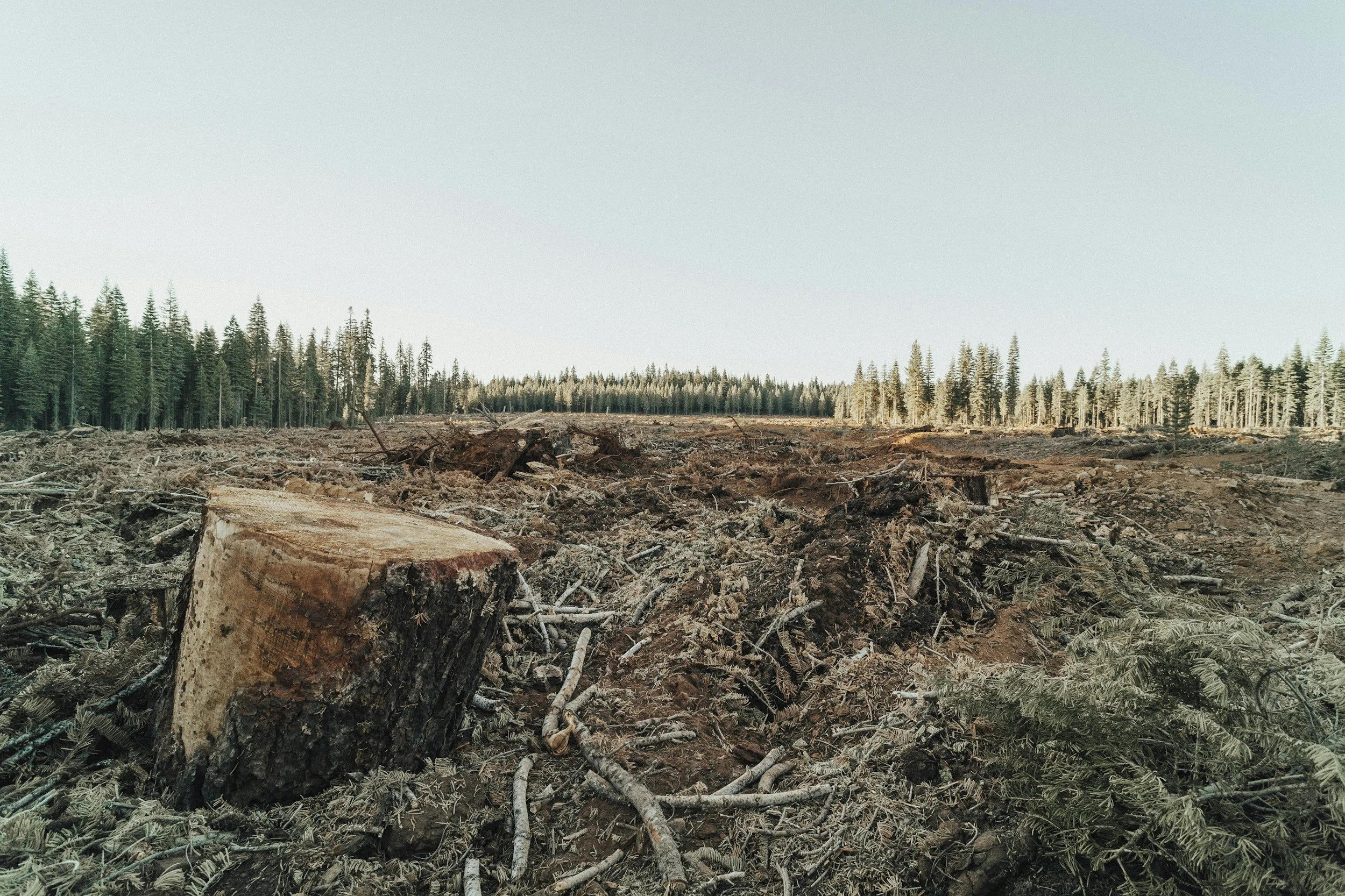
Clearing the Bush
Central Alberta’s wooded parkland around Sylvan Lake, Eckville and Hoadley lies largely within Treaty 6 territory, while Red Deer stands near the meeting of Treaty 6 and Treaty 7 lands. The region is also Métis homeland and was travelled, occupied and used by Cree, Blackfoot, Saulteaux, Nakota, Dene and Métis communities long before homestead lands were surveyed.

Why Every Finnish Farm Had a Sauna
Drive through the older farming districts of central Alberta and you may notice small log buildings that seem out of place. They are too small to be barns and too substantial to be sheds. At first glance, they might look like old root cellars. Sometimes they are. But if the farm once belonged to a Finnish family, there is a good chance you are looking at a sauna.
Feeding the Threshing Crew
Bertine Sem had fifteen acres of flax and needed someone to thresh it.
Her story survives in “Free Land for All,” an account written by her grandson, Erling N. Sannes, from Sem’s recollections and those of other family members. Sem had arrived in Bottineau County, North Dakota, from Snåsa, Norway, in the spring of 1902. She filed for 160 acres and spent her first months living in a tent.
Friluftsliv: The Norwegian Idea of Belonging to the Land on the Canadian Prairies
Some places become home the day you arrive. Others take time.
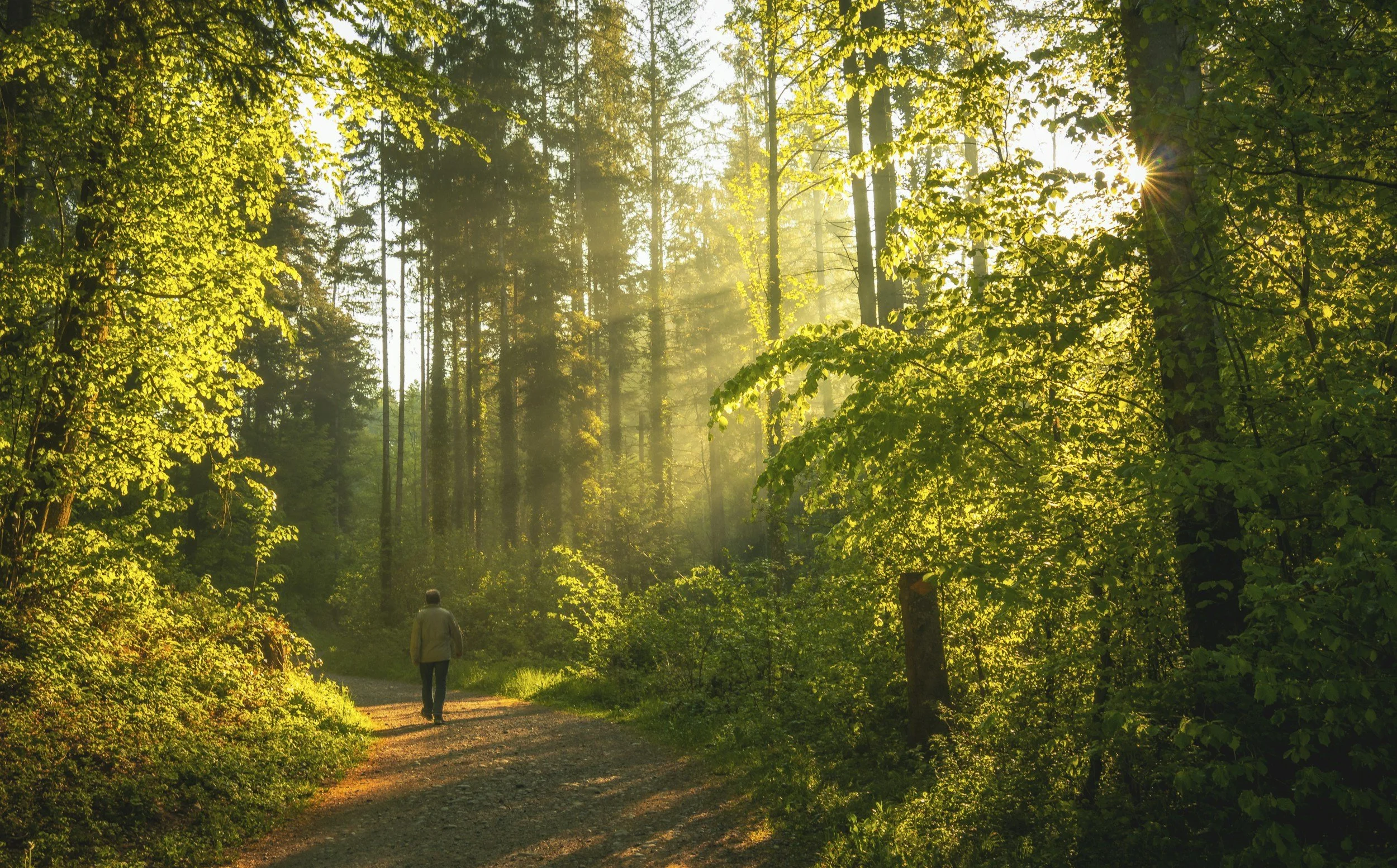
The Norwegian word friluftsliv is often translated as "open-air life" or "life in the outdoors," but those definitions only tell part of the story.
Nets Beneath the Ice
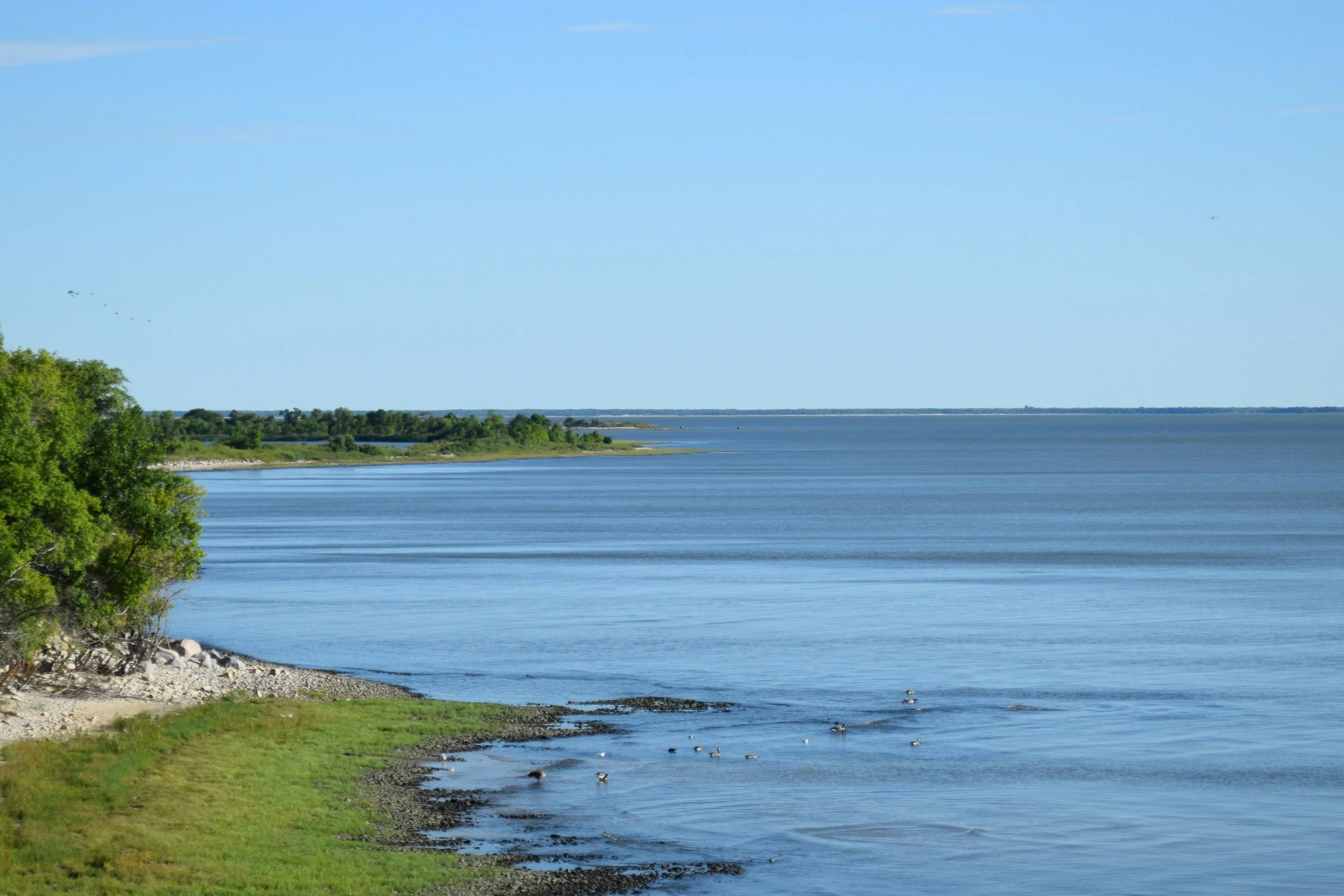
By January 1877, New Iceland faced a winter few had expected. The smallpox quarantine imposed the previous autumn still restricted travel along the west shore of Lake Winnipeg. Freight arrived slowly — when it arrived at all — the first harvest had produced little, and many families faced the coldest months of the year with cupboards that were already growing bare.

Lagom: What a Swedish Idea of "Enough" Means on the Canadian Prairies
LAH — gom
Some words resist translation.
The Swedish word lagom is one of them. It is often defined as "not too much, not too little—just right," but that brief explanation only hints at what the word means. Lagom reflects an approach to life that values moderation, practicality, and contentment. It encourages people to recognize when they have enough rather than constantly searching for more.

Just Let Them Bite You
The Prairies have been flooding since spring, setting new records. On June 27th, Edmonton broke a 112-year record when 244 mm descended on the city, surpassing the 216.5 mm record set in 1914. Fields flooded, roads were impacted, basements flooded, and the ground was like walking on a soggy sponge.
The Great Settlement & The Smallpox Winter (1876)
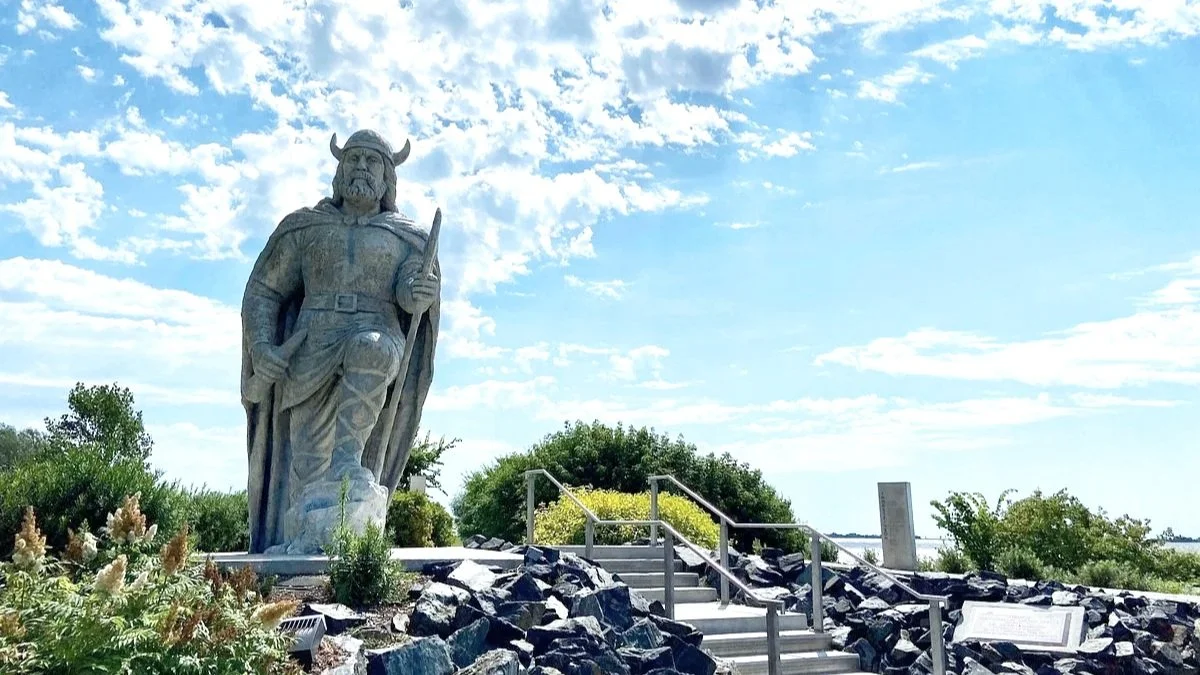
By the autumn of 1875, the Canadian government had set aside a large tract of land along the western shore of Lake Winnipeg. Unlike most immigrant groups, who were dispersed across existing settlements, the Icelanders were encouraged to establish a colony of their own.
They called it Nýja Ísland—New Iceland.
Calgary’s Oldest Restaurants
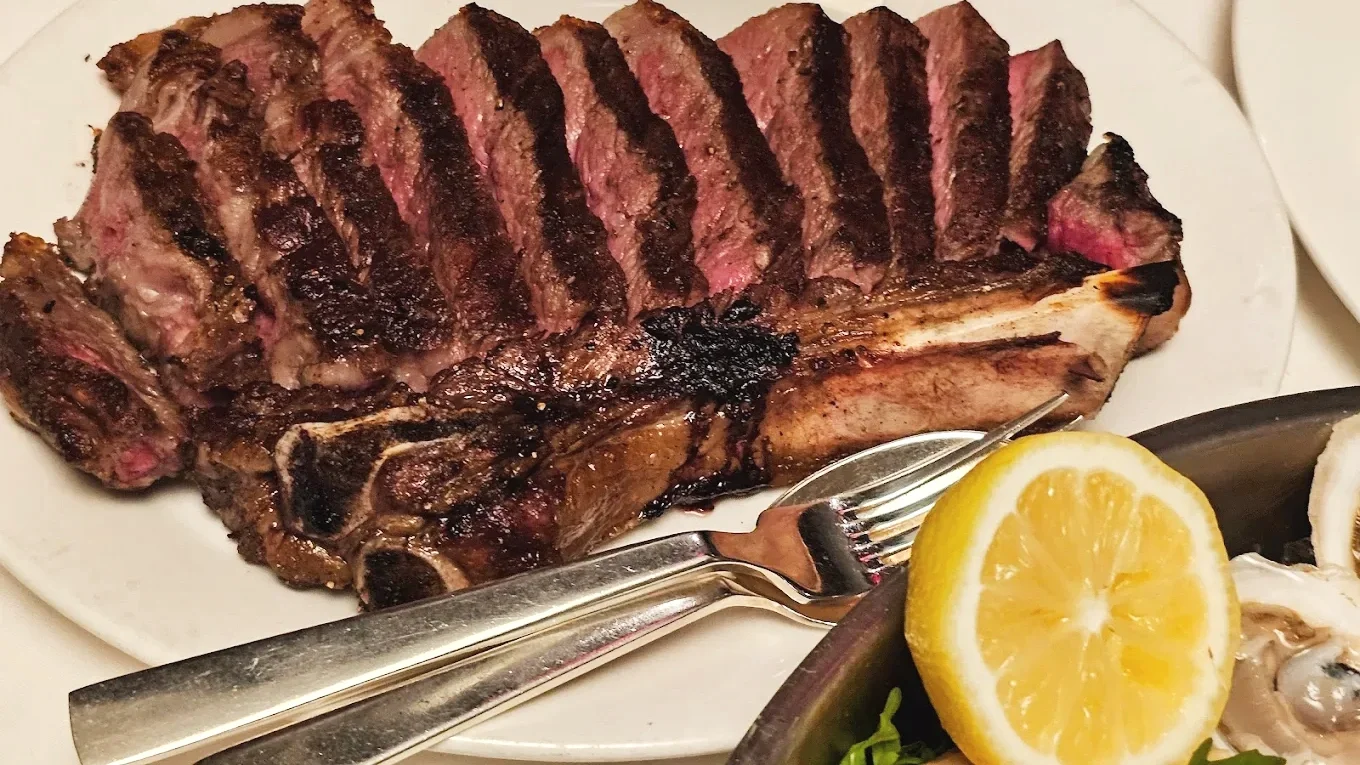
Calgary’s oldest restaurants tell the story of a city shaped by immigration, industry, agriculture, and constant change. Before Calgary became known for its modern dining districts, craft breweries, internationally inspired cuisine, and its connection to the creation of ginger beef, long-standing restaurants were serving generations of residents through periods of growth, economic shifts, and changing culinary trends.
The History of Sourdough
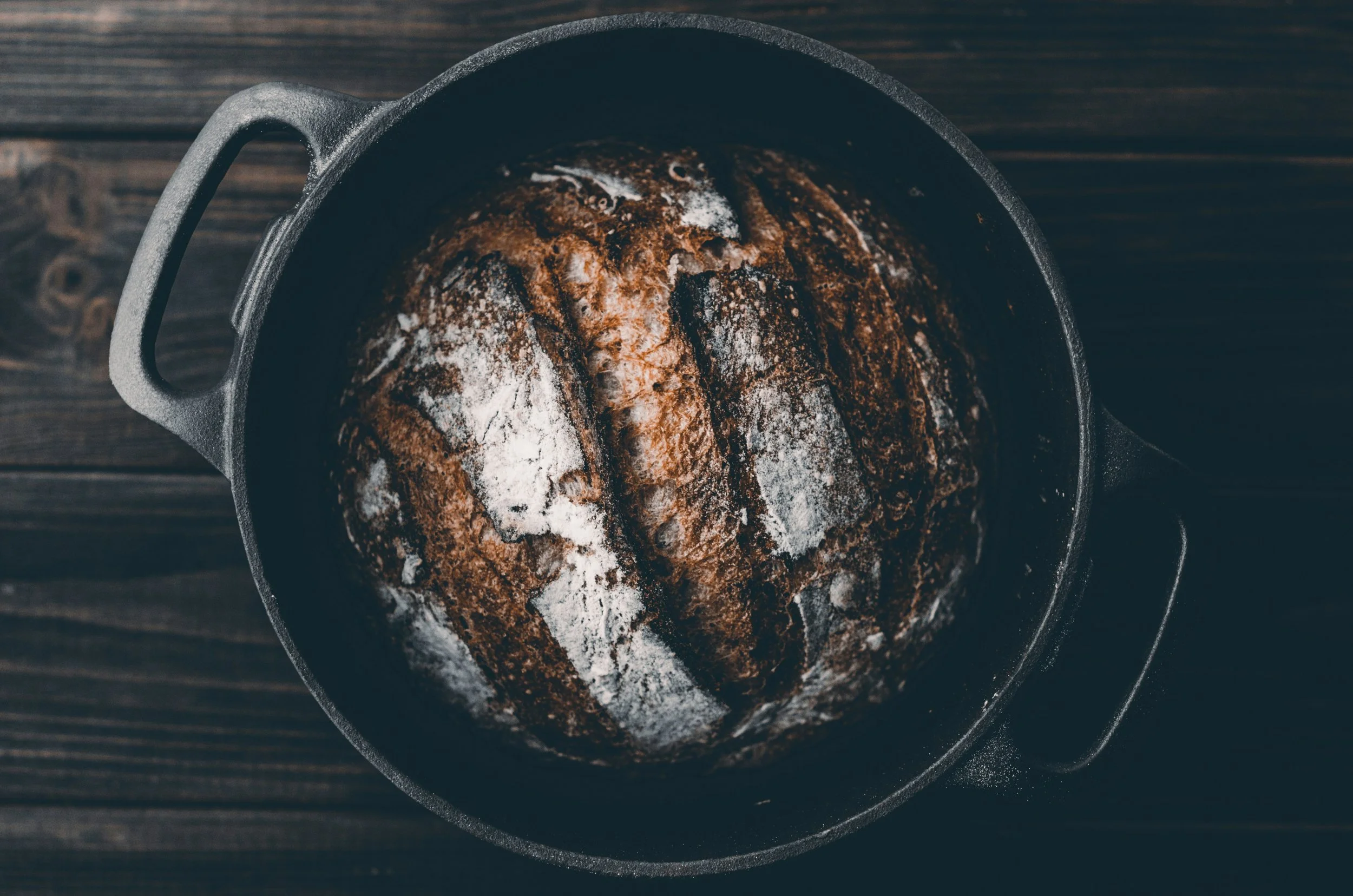
If you've ever fed a sourdough starter, you've taken part in a tradition that stretches back thousands of years. Every loaf connects us to generations of bakers who worked with the same simple ingredients: flour, water, salt, and time. They didn't know about yeast cells or lactic acid bacteria, but they understood something just as valuable. When flour and water were given the right conditions, something remarkable happened.
History, Fermentation Science, and Wild Yeast
Where sourdough comes from, and why it behaves the way it does
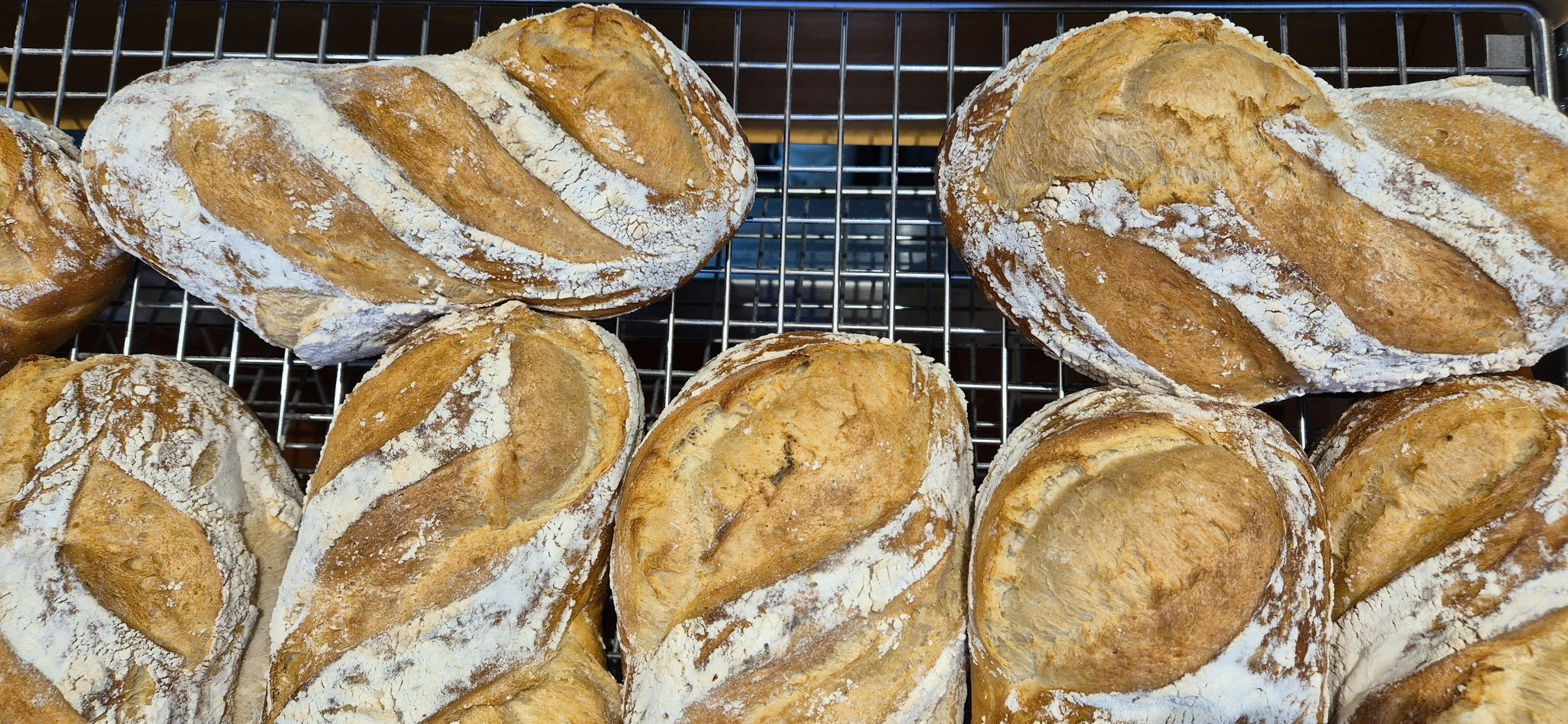
Sourdough has been around far longer than written recipes. Long before controlled yeast strains existed, bakers were relying on naturally occurring microorganisms in flour and the surrounding environment to leaven bread. That same biological system is still what you work with today when you feed a starter or mix a dough and leave it to ferment.
Understanding the history and science behind sourdough makes the process less mysterious. It also explains why timing, temperature, and flour choice matter so much more than they do in standard yeast baking.
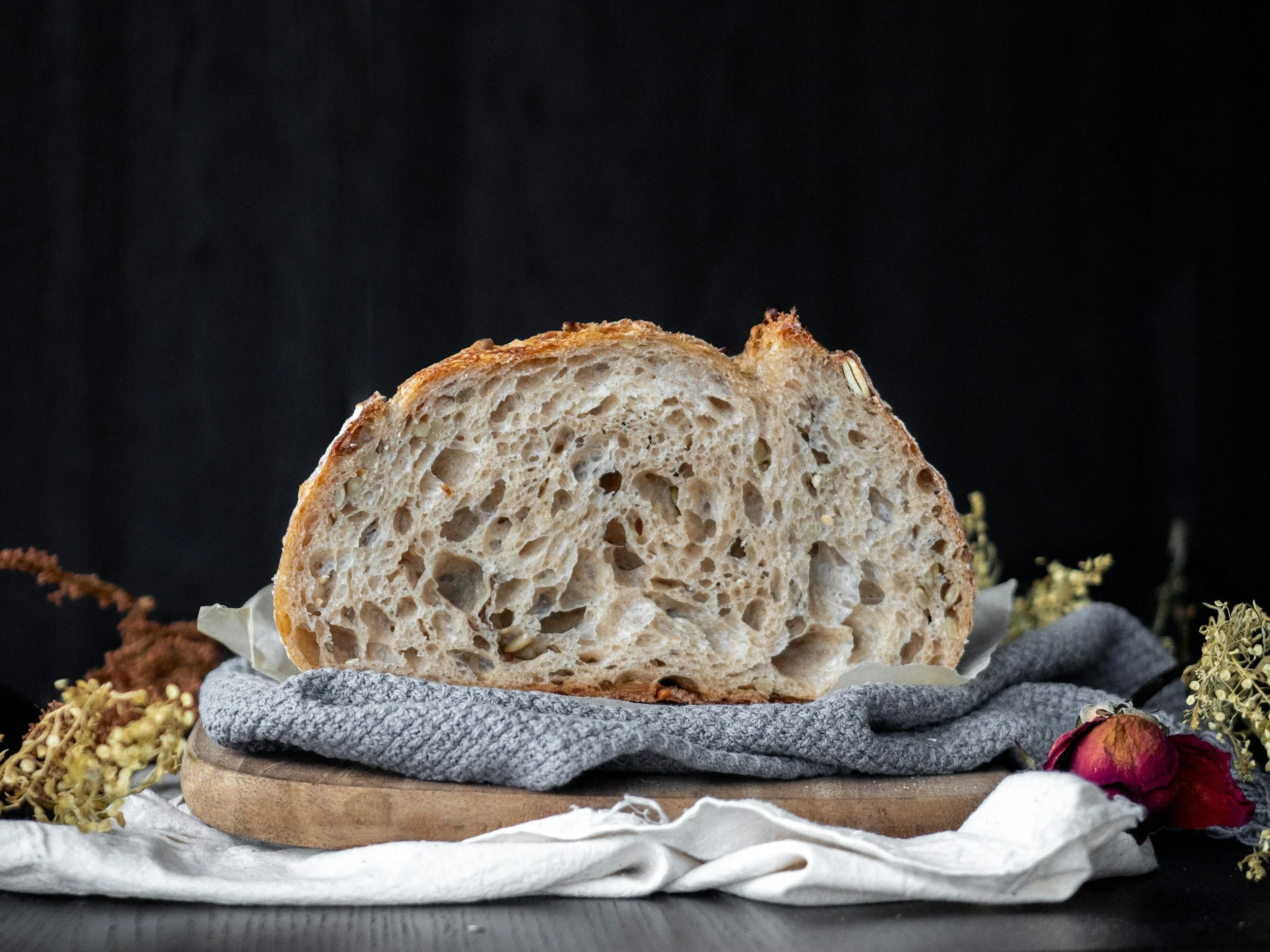
What Is Sourdough?
If you've spent any time around baking websites or social media, you've probably seen beautiful loaves with blistered crusts, airy crumb, and dramatic scores opening like flower petals in the oven. Those loaves are often called artisan sourdough, but the term "sourdough" describes much more than a style of bread.
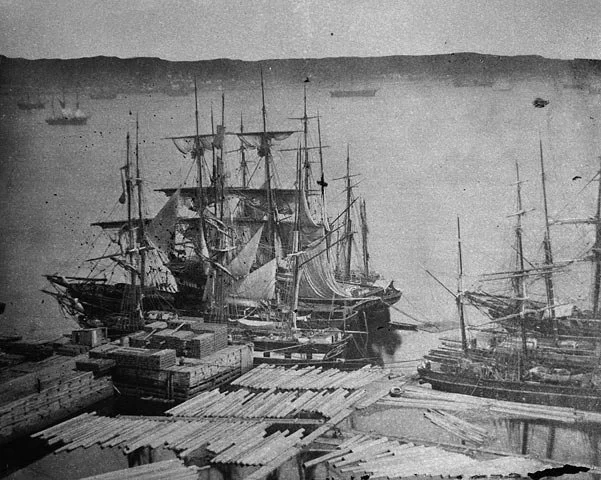
The Quebec Stopover
When we picture the arrival of Scandinavian immigrants in Canada, our minds almost instinctively leap to the sweeping grasslands of the prairies, the establishing of homesteads under the Dominion Lands Act of 1872, or the fishing boats navigating Lake Winnipeg. We envision families arriving by train directly into a vast, open territory waiting to be broken by the plow. Yet long before the West was fully opened or structurally organized for mass European settlement, an earlier, massive wave of Scandinavian travelers encountered Canada through a radically different landscape: the historic Port of Quebec.
Returning to the Root
For generations, the narrative of the Canadian Prairies has been celebrated through a single, foundational lens: the arrival of the hardy pioneer, the breaking of the ancient sod, and the building of tight-knit agricultural communities across Manitoba, Saskatchewan, and Alberta. As descendants of Scandinavian immigrants, many of our families found their footing in Western Canada through federal initiatives like the Dominion Lands Act of 1872, which partitioned nearly 80 million hectares of land into 160-acre homestead grids to draw mass European migration. This policy offered our ancestors a vital lifeline—a way to escape economic hardship, crop failures, and starvation in northern Europe, and to construct a prosperous future in a new world.

Utflykt: The Swedish Tradition of Outdoor Life
There is a Swedish word, utflykt, that is often translated as “outing” or “excursion,” though neither term fully describes how it is used. It refers to time spent outside the home where movement, rest, and eating occur as part of the same sequence. The term is common in everyday language and carries no formal or elevated meaning.

The Catalyst of Starvation
For eight centuries, the rugged wilderness of Western Canada remained completely closed to the people of Scandinavia. As explored in our previous look at the 800-year silence, global ice ages, geopolitical pivots, and corporate monopolies combined to keep the Canadian Prairies off the global market.
Then came the late 19th century, and the sky fell.
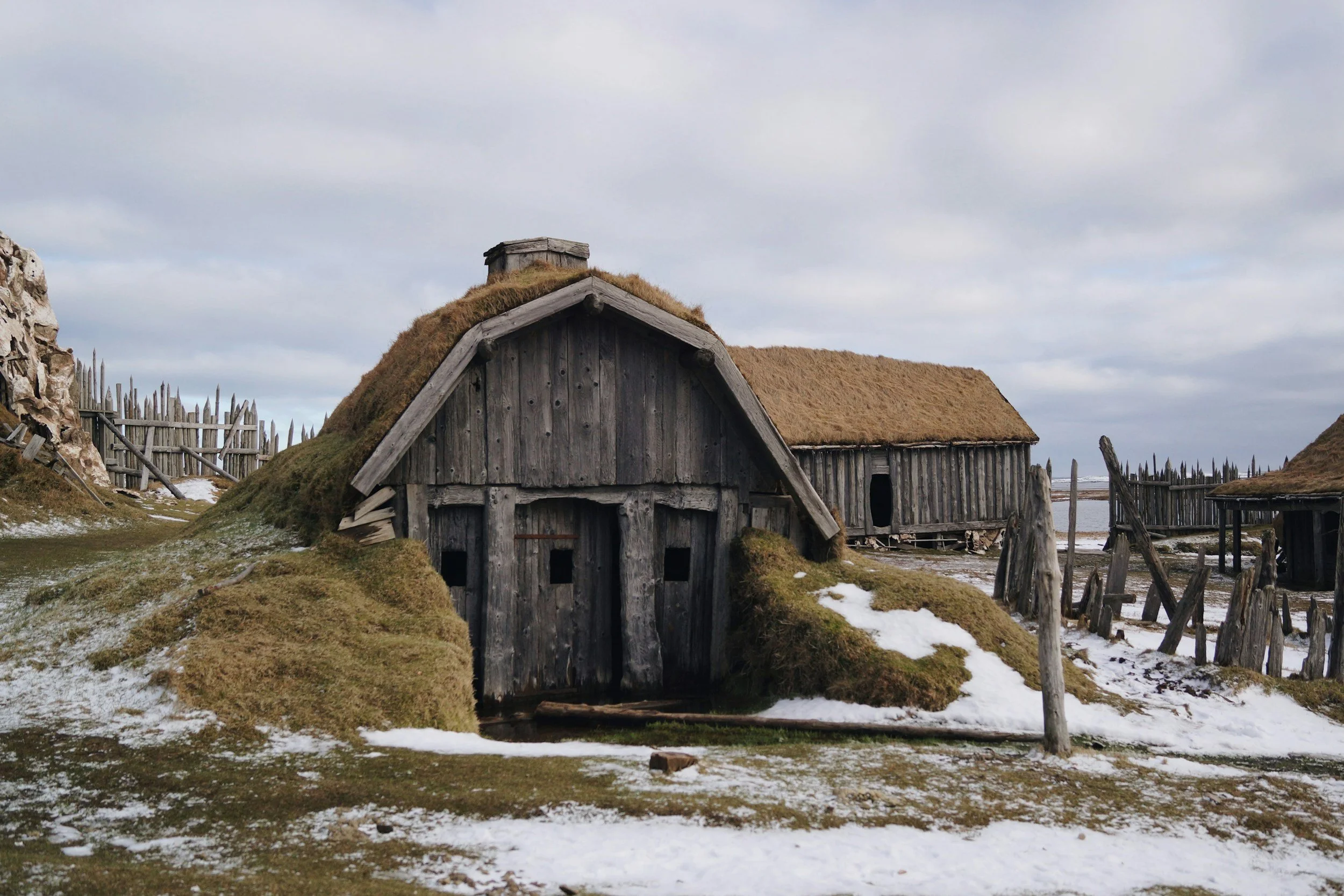
The 800-Year Silence — Why Canada Remained Off the Nordic Radar
When the last Norse longships turned eastward away from the shores of Vinland around 1010 CE, they did not just leave behind the turf halls of L’Anse aux Meadows. They initiated a profound, eight-century intermission in the Scandinavian story of North America.
For nearly 800 years, the geographic expanse that would become Canada vanished from the Nordic consciousness.
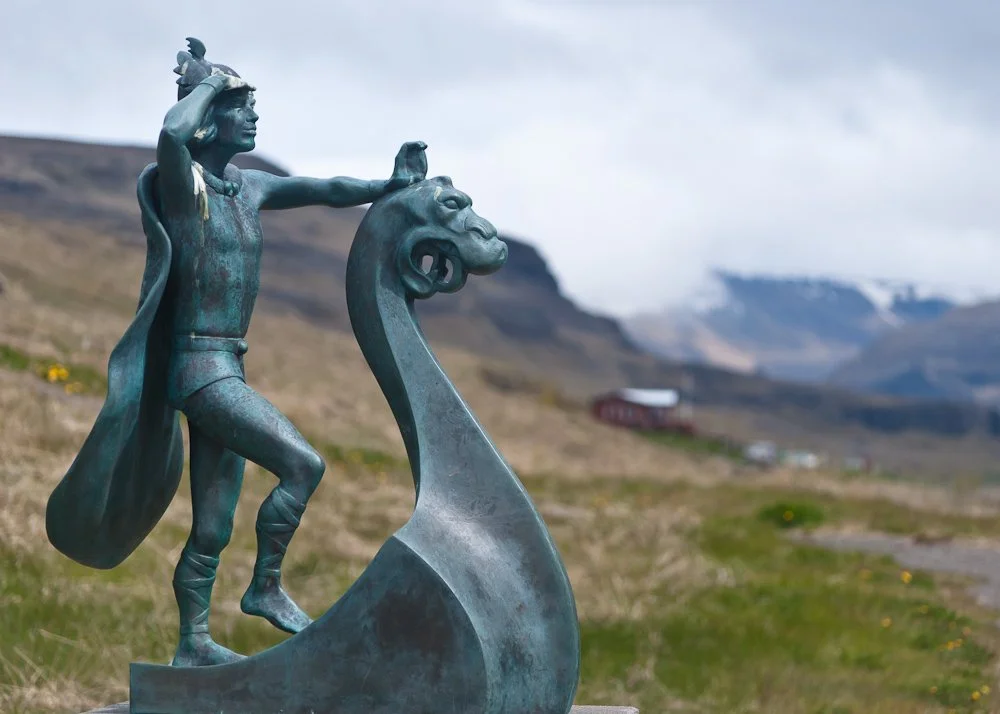
Meet the Men Who Found North America Before Columbus
History has a habit of turning real people into legends.
Few figures demonstrate that better than Erik the Red and his son, Leif Erikson. Together, pushed the boundaries of the known world farther west than any Europeans had ventured before. Their exploits eventually led to the first confirmed European landing in North America—nearly 500 years before Christopher Columbus.
Yet separating fact from fiction is no simple task.
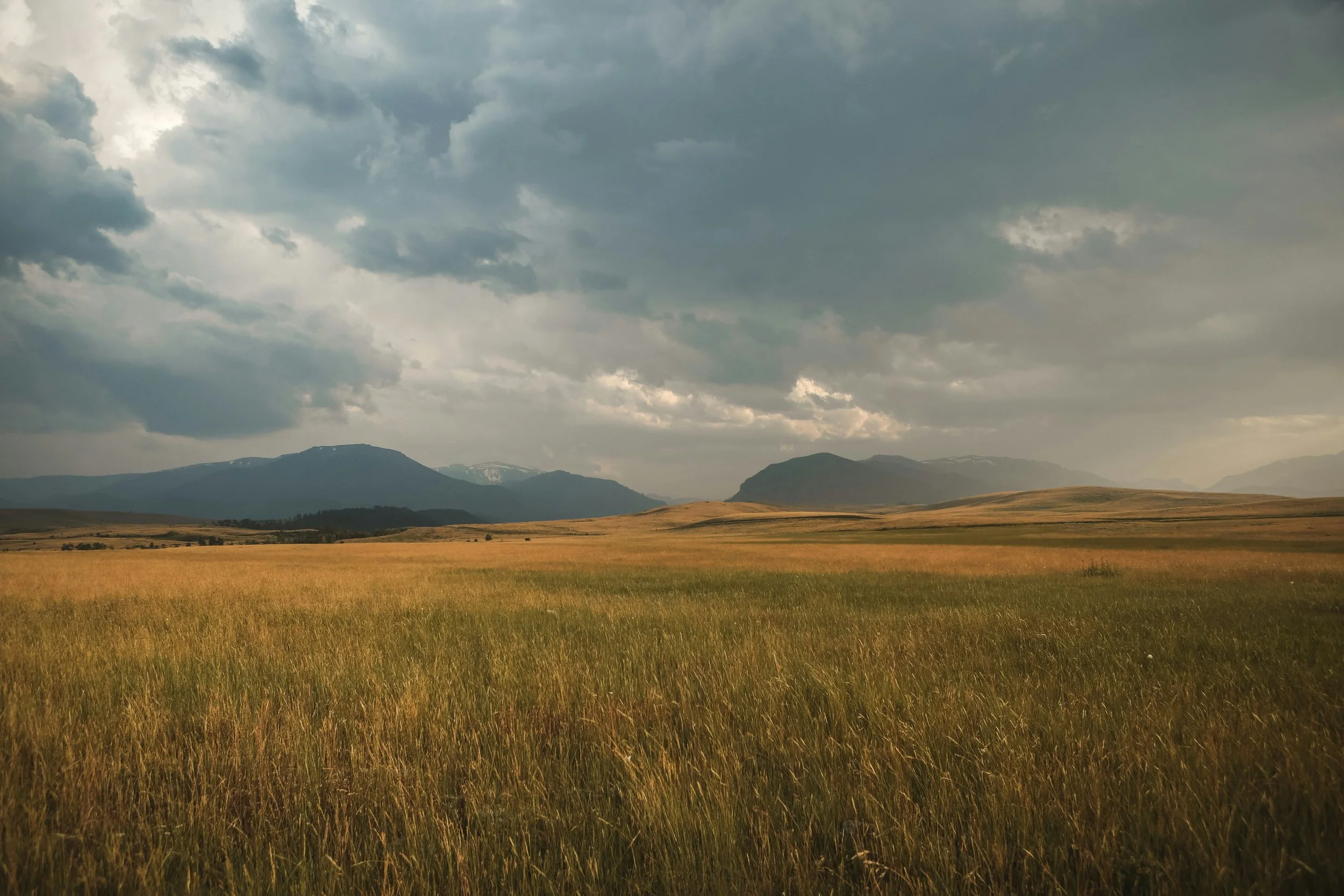
Standing in the grasslands with my once-in-a-lifetime grief
My work has slowed for the summer months. While that gives me plenty of time to work on the plethora of side projects that were left on the back burner, it also gives me too much time with my thoughts.
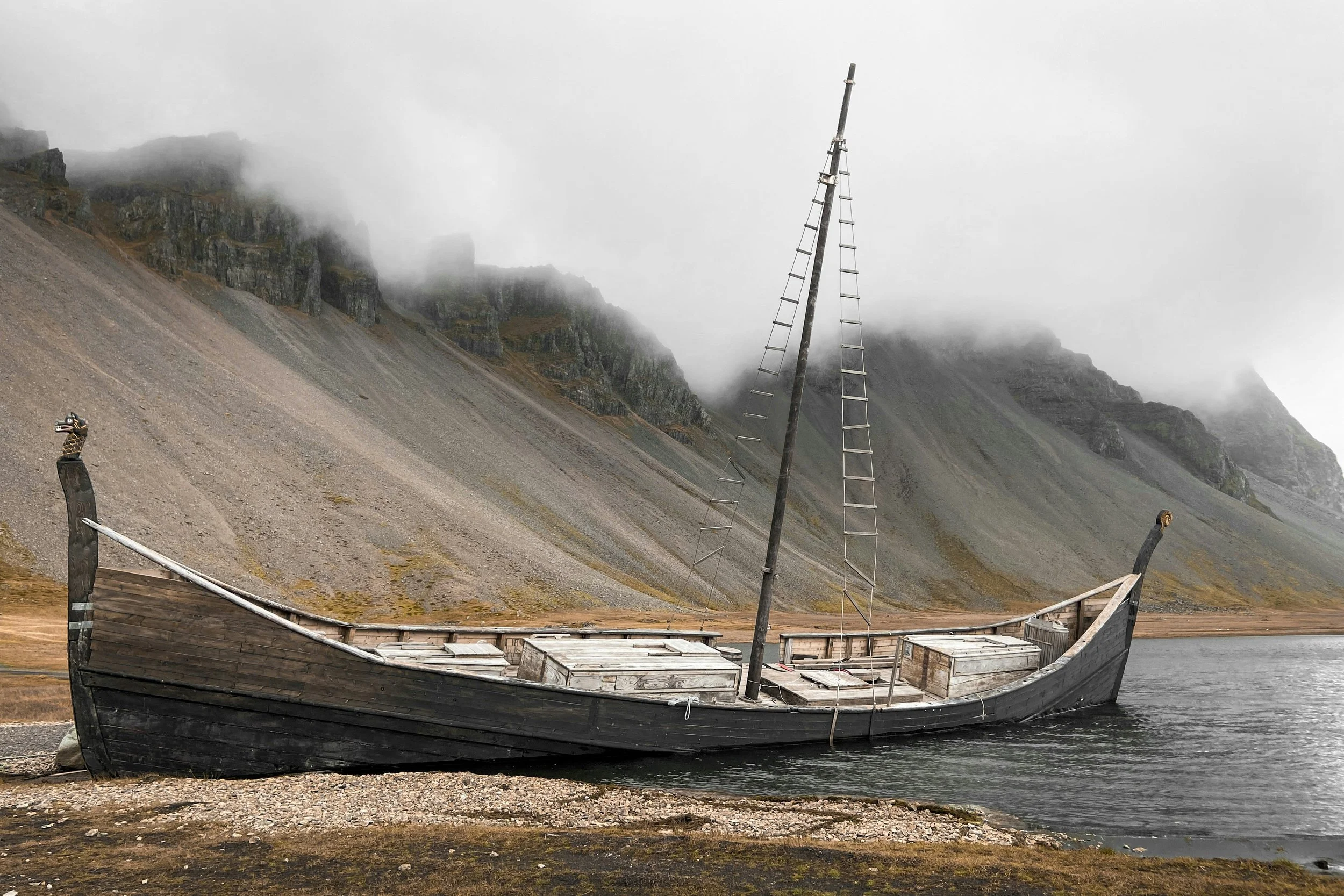
The L'Anse aux Meadows Mystery
Nearly five centuries before Christopher Columbus crossed the Atlantic, another group of Europeans had already reached North America.
Around the year 1000 CE, Norse sailors from Greenland steered their longships west across the North Atlantic and landed on the northern tip of what is now Newfoundland. Led by Leif Erikson, son of Erik the Red, they established a small settlement that modern archaeology identifies as L'Anse aux Meadows.